
 admin
admin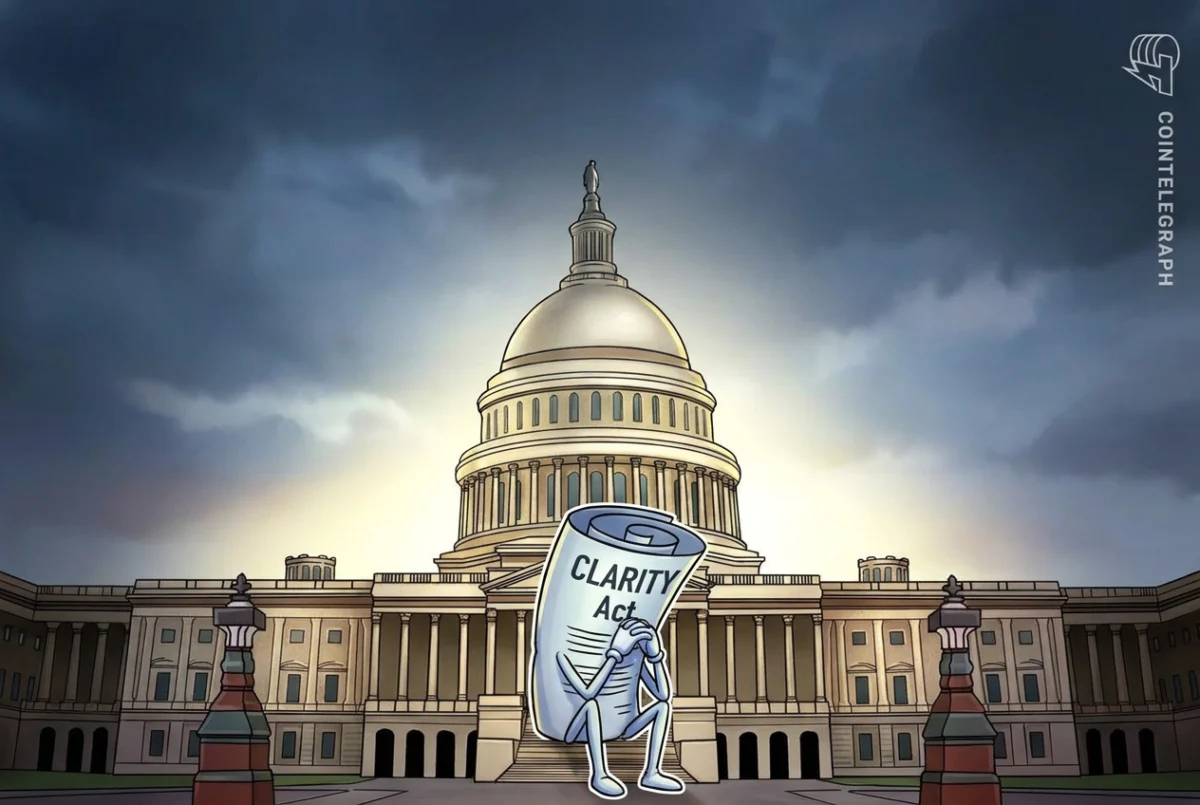
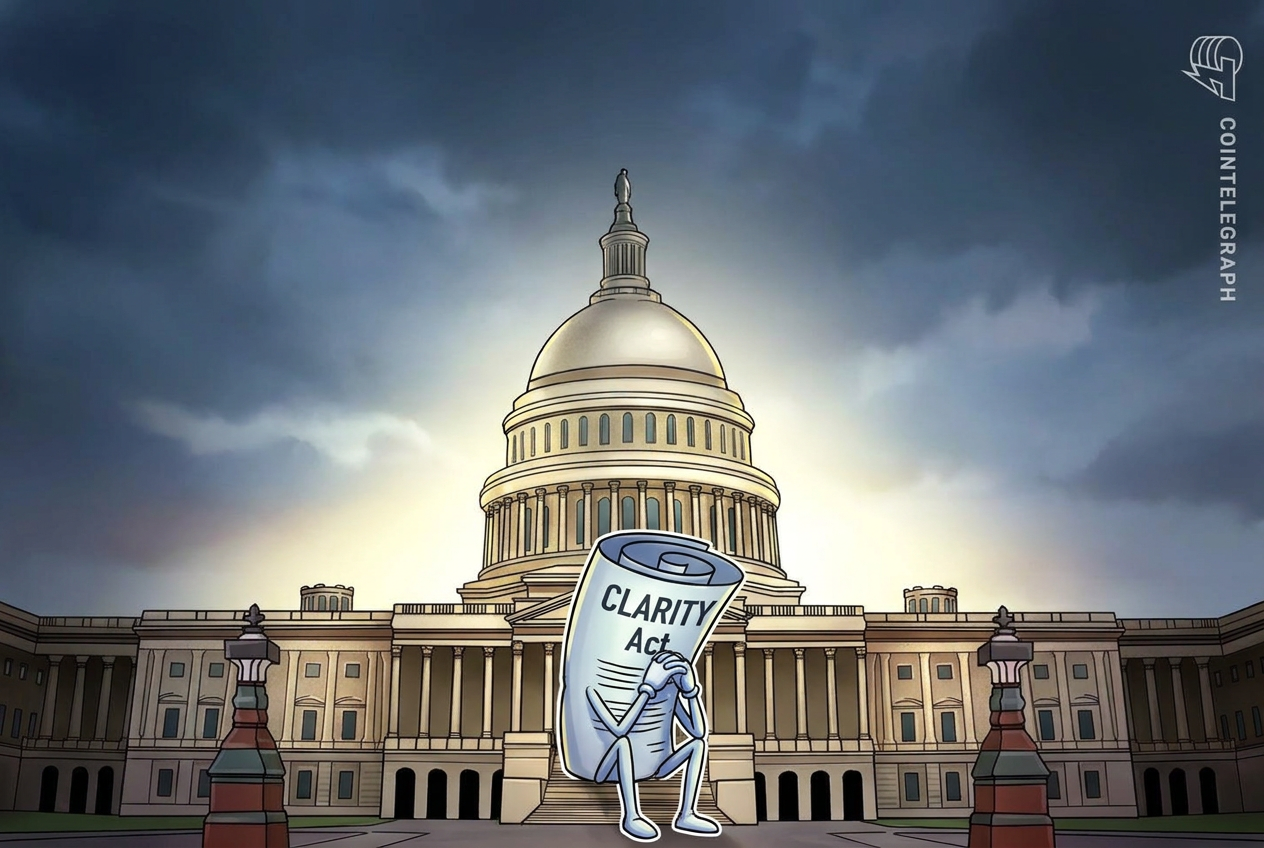
The United States Senate is currently at a legislative crossroads regarding the future of digital asset regulation, as lawmakers from both sides of the aisle weigh a final, high-stakes attempt to pass the CLARITY Act before the conclusion of the 118th Congress. Despite a significant setback in the chamber this week, where a critical procedural vote failed to garner the necessary support, proponents of the crypto market structure bill are reportedly eyeing the post-election "lame-duck" session as a final window of opportunity. This strategic pivot comes amid a period of intense volatility for the domestic crypto industry, which has long advocated for a clear regulatory framework to replace the current "regulation by enforcement" paradigm.
Adrian Wall, the managing director of the Digital Sovereignty Alliance (DSA), has emerged as a key voice in this ongoing legislative saga. In a recent appearance on Cointelegraph’s "Chain Reaction" show on X, Wall revealed that the appetite for passing comprehensive crypto legislation remains surprisingly resilient among high-ranking senators. According to Wall, direct conversations with legislators indicate that the failure of the recent cloture vote—while a "huge blow"—has not entirely extinguished the possibility of a legislative breakthrough in 2024.
The Mechanics of the Recent Legislative Failure
The current push for the CLARITY Act hit a significant roadblock on Tuesday when the Senate failed to reach the 60-vote threshold required for a cloture motion. In the U.S. Senate, cloture is a procedural move used to end debate on a bill and move it toward a final vote. Without 60 votes, the bill remains vulnerable to a filibuster, effectively stalling its progress. The failure to advance the CLARITY Act this week was viewed by many industry observers as a sign that the Senate remains deeply divided over the specifics of digital asset oversight, particularly regarding the jurisdictional boundaries between the Securities and Exchange Commission (SEC) and the Commodity Futures Trading Commission (CFTC).
Wall characterized the atmosphere on Capitol Hill as one of cautious persistence. He noted that while the failed vote was a major setback, it has sparked a new wave of internal strategy sessions among bipartisan supporters. "There is an appetite to put this forward even during the lame-duck period of Congress," Wall stated, referring to the period between the November general election and the swearing-in of the new Congress in January. However, he was quick to temper expectations, describing the path forward as "very complicated" and a "long shot."
Understanding the Lame-Duck Session Strategy
A lame-duck session occurs when Congress meets after its successor is elected but before the successor’s term begins. Historically, these sessions are characterized by a flurry of activity as outgoing lawmakers seek to cement their legacies and passing "must-do" legislation, such as government funding bills. For the CLARITY Act, the lame-duck session represents a unique window where political pressure from the upcoming election has subsided, potentially allowing for more flexible negotiations.
Wall’s insights suggest that the momentum for this push is coming directly from the senators themselves rather than their administrative staff. This distinction is crucial in the world of D.C. politics, as it indicates a high level of personal commitment from elected officials. "I’ve heard it directly from senators on both sides," Wall noted, "saying they have a strategy to engage the other side and see if there’s a last chance to do it."
The strategy likely involves attaching the CLARITY Act to a larger, "must-pass" legislative vehicle, such as the National Defense Authorization Act (NDAA) or an omnibus spending bill. This "hitchhiking" approach is a common tactic for controversial or niche legislation that lacks the standalone support to clear a 60-vote hurdle but can pass as part of a broader consensus package.
The Digital Sovereignty Alliance and the Push for Market Structure
The Digital Sovereignty Alliance, a nonprofit advocacy group, has been at the forefront of the effort to modernize U.S. digital asset policy. The group’s mission focuses on ensuring that the United States remains a leader in the global digital economy by establishing a clear legal framework that protects consumers while fostering innovation. As managing director, Adrian Wall has been instrumental in bridging the gap between the technical crypto community and the traditional legislative halls of Washington.
The "market structure" bill in question—the CLARITY Act—aims to address several long-standing grievances within the industry. Primary among these is the classification of digital assets. For years, the crypto industry has operated in a gray area, with the SEC claiming many tokens are unregistered securities and the CFTC arguing they are commodities. The CLARITY Act seeks to provide a definitive rubric for these classifications, thereby providing businesses with the legal certainty needed to operate within the U.S. without the constant threat of litigation.
Market Reactions and the "Coinbase Premium" Indicator
The legislative uncertainty in Washington has had tangible effects on the crypto markets. Recent data indicates that the "Coinbase Premium"—the difference between the price of Bitcoin on Coinbase (largely used by U.S. institutional and retail investors) and other global exchanges like Binance—hit a monthly low following the failed Senate cloture vote. This price discrepancy is often used as a proxy for U.S. demand.
When the Coinbase Premium turns negative or hits a low, it suggests that U.S.-based demand is waning compared to global markets. Analysts suggest that the failure of the CLARITY Act to advance has dampened institutional appetite for digital assets in the short term, as many large-scale investors are hesitant to increase their exposure in a jurisdiction that lacks a settled regulatory environment. The correlation between legislative progress and market demand underscores the high stakes of the Senate’s deliberations.
Chronology of the 118th Congress Crypto Efforts
The journey of crypto legislation through the 118th Congress has been a series of peaks and valleys. To understand the current urgency for a lame-duck session, it is necessary to look at the timeline of events leading up to the present:
- Early 2024: House committees began intensive work on market structure bills, including the Financial Innovation and Technology for the 21st Century Act (FIT21).
- May 2024: The House of Representatives passed FIT21 with a significant bipartisan majority, sending a clear signal to the Senate that there was a mandate for change.
- Summer 2024: The Senate Banking and Agriculture Committees held various hearings, but progress was slowed by partisan disagreements over the extent of the SEC’s authority and consumer protection provisions.
- September 2024: The CLARITY Act was brought to the floor for a cloture vote. The failure to reach 60 votes on Tuesday marked a low point for the bill’s proponents.
- Post-Election (Projected): The proposed lame-duck push represents the final opportunity for the current Congress to act before all pending legislation expires at the end of the term.
Broader Implications and the Path to 2025
If the lame-duck attempt fails, the legislative process for crypto market structure will have to begin anew in the 119th Congress. As Wall noted, the next Congress would have to "pick up the pen" from scratch. This would involve re-introducing bills, holding new committee hearings, and navigating a potentially different political landscape depending on the outcome of the November elections.
The implications of continued legislative delay are significant. Proponents of the CLARITY Act argue that the U.S. is losing its competitive edge to other jurisdictions, such as the European Union, which has already implemented its Markets in Crypto-Assets (MiCA) regulation. Without a domestic framework, American crypto firms may continue to "offshore" their operations to more welcoming environments, leading to a "brain drain" of technical talent and a loss of tax revenue for the U.S. Treasury.
Furthermore, the lack of a clear market structure bill leaves the industry vulnerable to the SEC’s current enforcement-heavy approach. Under Chairman Gary Gensler, the SEC has filed numerous lawsuits against major exchanges and project developers, arguing that existing securities laws are sufficient to govern the space. Industry advocates argue that these decades-old laws are ill-suited for blockchain-based assets and that only a new act of Congress—like the CLARITY Act—can provide a sustainable path forward.
Official Responses and the Bipartisan Divide
While Wall’s comments highlight a bipartisan "appetite" for the bill, the divide remains stark. Critics of the CLARITY Act, often led by Senator Elizabeth Warren and other members of the Senate Banking Committee, argue that the bill could weaken consumer protections and provide a "get out of jail free" card for bad actors in the crypto space. They advocate for stricter Anti-Money Laundering (AML) and Know Your Customer (KYC) requirements as a prerequisite for any market structure reform.
Conversely, supporters like Senators Cynthia Lummis and Kirsten Gillibrand—who have championed their own versions of crypto legislation—argue that the CLARITY Act is a necessary step toward financial inclusion and technological modernization. They contend that by bringing the industry into the regulatory fold, the government can better monitor risks and prevent the types of collapses seen with FTX and Celsius in 2022.
Conclusion: A High-Stakes Finale
As the clock ticks down on the 118th Congress, the digital asset industry finds itself in a state of suspended animation. The comments from Adrian Wall serve as a reminder that in the world of federal legislation, a bill is never truly dead until the session officially ends. The prospect of a lame-duck session push offers a glimmer of hope for those seeking a resolution to the regulatory stalemate.
Whether the "long shot" strategy of bipartisan senators will succeed remains to be seen. It will require a rare level of cooperation and a willingness to compromise on deeply held views regarding financial oversight. However, with the market reacting to every legislative twitch and the global race for digital asset dominance heating up, the pressure on the Senate to act has never been higher. If the CLARITY Act does not find its way to the President’s desk by the end of December, the industry will be forced to brace for another year of uncertainty, hoping that the next Congress will finally be the one to provide the clarity it so desperately seeks.








