
 Layla Zulfa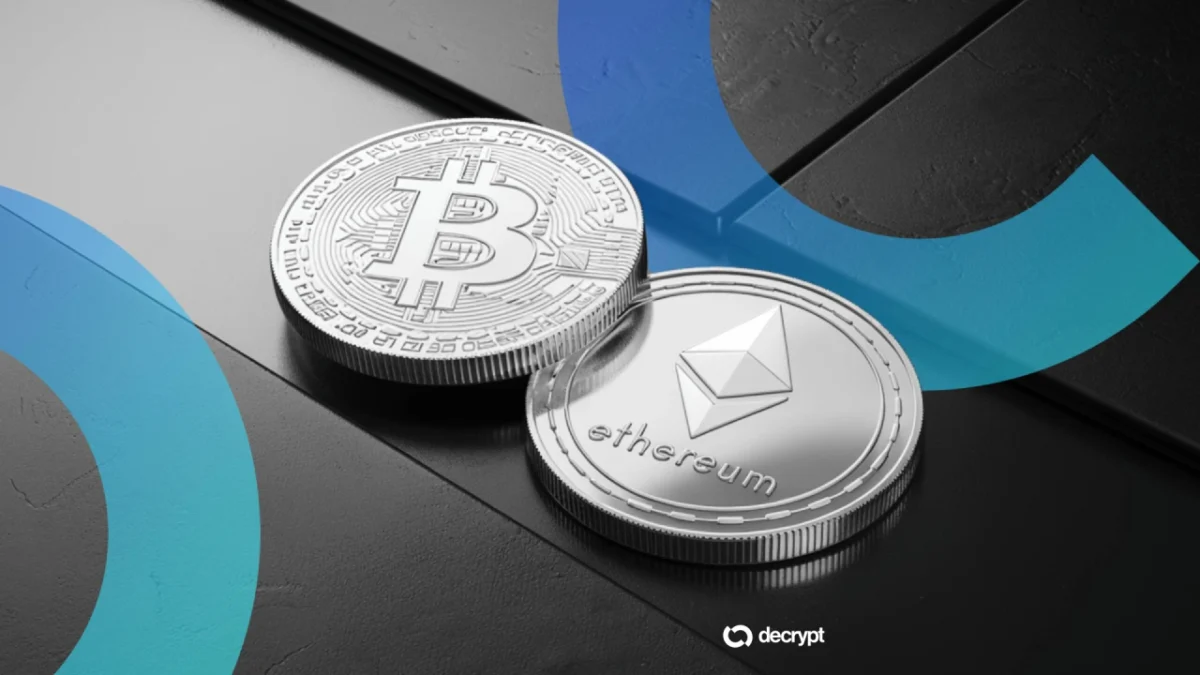
The Federal Open Market Committee (FOMC) concluded its most recent policy meeting on Wednesday by announcing a 25-basis-point increase in the federal funds rate, marking the first time the central bank has tightened monetary policy since 2023. This move adjusts the target range for the benchmark interest rate to between 3.75% and 4.00%. The decision, which was reached via a unanimous vote among committee members, signals a significant pivot in the Federal Reserve’s approach to managing the post-pandemic economy, as it seeks to balance a robust labor market against persistent inflationary pressures.
The announcement was followed by a press conference led by Kevin Warsh, who provided a detailed rationale for the committee’s hawkish stance. Warsh emphasized that while the domestic economy remains notably resilient and the labor market continues to exhibit strength, the rate of inflation has remained above the Federal Reserve’s long-term 2% target for an unacceptable duration. "Inflation is too high and has been for too long," Warsh stated, underscoring the central bank’s commitment to price stability even at the risk of cooling short-term economic growth.
Economic Context and the Path to the Rate Hike
To understand the significance of Wednesday’s decision, it is necessary to examine the trajectory of U.S. monetary policy over the last several years. Following a period of aggressive rate hikes in 2022 and 2023 to combat forty-year highs in inflation, the Federal Reserve had entered a period of relative stasis. Market participants had largely anticipated a "soft landing," where inflation would return to target levels without a significant economic downturn. However, recent data indicated that core inflation remained "sticky," particularly in the service and housing sectors, necessitating a return to tightening.
The unanimous nature of the vote suggests a high degree of consensus within the Fed regarding the necessity of this move. Historically, unanimous decisions at the FOMC signal to the markets that the central bank is resolute in its direction, leaving little room for speculation about internal dissent. This clarity is intended to anchor inflation expectations, though it often results in immediate volatility across various asset classes.
Immediate Reaction in Traditional Equity and Bond Markets
The reaction from traditional financial markets was swift and characterized by a notable "risk-off" sentiment. Upon the release of the FOMC statement, the Dow Jones Industrial Average plummeted, ending the session with a loss of 600 points. The sell-off reflected investor concerns that higher borrowing costs could dampen corporate earnings and slow consumer spending.
Simultaneously, the fixed-income market saw a sharp repricing of risk. The yield on the benchmark 10-year Treasury note surged to 5.02%, a level that historically acts as a threshold for tightening financial conditions across the broader economy. Rising yields typically exert downward pressure on equity valuations, as the discount rate used to value future cash flows increases. Despite the grim performance during the regular trading session, stock futures showed signs of recovery in the pre-market hours of the following day, suggesting that the initial shock of the rate hike may have been partially digested by institutional investors.
According to the CME FedWatch Tool, which measures investor expectations for future interest rate moves, the probability of two additional rate hikes by the end of 2026 surged to 40% in the hours following the announcement. This represents a dramatic shift from just one week ago, when the probability of such an outcome was estimated at only 10%. This repricing suggests that the "higher for longer" narrative has regained dominance in the minds of market strategists.
Cryptocurrency Markets Exhibit Counter-Cyclical Resilience
In a departure from historical correlations where digital assets often move in lockstep with high-growth technology stocks, the cryptocurrency market demonstrated remarkable stability following the Fed’s announcement. Bitcoin (BTC), the world’s largest cryptocurrency by market capitalization, initially experienced a brief period of volatility, sitting at $75,700 immediately after the rate hike was confirmed. However, rather than following the downward trajectory of the Dow, Bitcoin began a steady "grind higher," eventually reaching $76,300.
This price action is being closely analyzed by market observers as a sign of "institutional absorption." The ability of Bitcoin to maintain and even increase its value in the face of a rate hike suggests that much of the "pain" associated with tighter monetary policy may have been priced into the market in the weeks leading up to the decision.
Other major digital assets also posted gains. Ethereum (ETH) traded in the green at $2,430, while Solana (SOL) maintained a steady position at $100. Hyperliquid, a decentralized exchange protocol that has gained traction among high-frequency traders, saw its native token rise by 1% to reach a price of $80. The collective resilience of these assets indicates a decoupling from traditional equity markets, potentially driven by a shift in investor perception of crypto as a "hard asset" or a hedge against fiat currency fluctuations.
The Altcoin Rally: A Search for Alpha
While the primary assets showed stability, the real story of the day emerged from the altcoin sector, where several "alt darlings" posted double-digit gains. This movement suggests that despite the macro headwinds, there is a significant "risk-on" bid within the crypto-native ecosystem.
Zcash (ZEC), a privacy-focused cryptocurrency, led the surge with a 12% jump, reaching a new high of $1,350. This rally in Zcash is particularly notable as it reflects a renewed interest in privacy-preserving technologies amid increasing global regulatory scrutiny. Similarly, NEAR Protocol (NEAR) rallied 15%, benefiting from recent ecosystem developments and increased developer activity on its layer-1 blockchain.
Other notable performers included LIT, which jumped 12%, and VVV, which continued its multi-day rally with an additional 12% gain. The strength in these specific tokens indicates that investors are becoming more selective, moving capital into projects with perceived fundamental value or strong momentum, rather than exiting the crypto market entirely.
Regulatory Headwinds: The Failure of the Clarity Act
The resilience of the crypto market is even more striking when considering the legislative setbacks that occurred concurrently. On Tuesday, just one day prior to the Fed’s rate hike, the "Clarity Act"—a highly anticipated piece of legislation aimed at providing a comprehensive regulatory framework for digital assets in the United States—failed to pass.
The failure of the Clarity Act was initially viewed as a significant blow to the industry, as it leaves a vacuum of regulatory uncertainty regarding stablecoin issuance and the classification of various digital tokens. In previous market cycles, the combination of a surprise interest rate hike and a major legislative failure would likely have triggered a double-digit percentage drawdown across the crypto space.
The fact that the market "absorbed" this back-to-back beating without flinching has led some analysts to conclude that a market bottom may have been established. From a technical perspective, when an asset class stops responding negatively to bad news, it often indicates that the "weak hands" have been flushed out and that long-term conviction holders are in control of the price action.
Chronology of Events
The following timeline outlines the sequence of events that shaped the current market landscape:
- Tuesday Morning: The Clarity Act fails to secure enough votes in the legislature, leaving the crypto industry without a clear regulatory roadmap.
- Wednesday, 2:00 PM ET: The Federal Reserve releases its FOMC statement, announcing a 25-basis-point hike to a target range of 3.75% to 4.00%.
- Wednesday, 2:30 PM ET: Kevin Warsh begins his press conference, citing a strong labor market but "too high" inflation as the drivers for the decision.
- Wednesday, 3:00 PM ET: The Dow Jones falls 600 points; the 10-year Treasury yield hits 5.02%. Bitcoin dips to $75,700.
- Wednesday Evening: Cryptocurrency markets begin a slow recovery. Altcoins like ZEC and NEAR start to decouple from the broader market trend.
- Thursday, Pre-Market: Bitcoin reaches $76,300. Stock futures turn green, suggesting a stabilization of sentiment.
Broader Implications and Future Outlook
The Federal Reserve’s decision to raise rates signals that the era of "easy money" is not returning as quickly as some had hoped. For traditional markets, this means a continued focus on company fundamentals and debt-servicing capabilities. For the cryptocurrency market, the implications are more complex.
The recent price action suggests that crypto is maturing as an asset class. The "risk-on" bid seen in altcoins, combined with the "store of value" resilience seen in Bitcoin, indicates that the market is bifurcating. Institutional investors may be viewing Bitcoin as a macro hedge, while retail and crypto-native investors continue to seek "alpha" in emerging protocols and niche tokens.
Furthermore, the failure of the Clarity Act, while a short-term disappointment, has not dampened the underlying demand for digital assets. It appears that the market has grown accustomed to operating in a gray regulatory area, focusing instead on technological adoption and decentralized finance (DeFi) utility.
As the market looks toward the remainder of 2024 and into 2025, the focus will remain on the Federal Reserve’s next steps. If the economy continues to show resilience despite higher rates, the Fed may feel emboldened to maintain its restrictive stance. However, the crypto market’s recent performance has put "bears on notice." The ability to withstand a significant policy shift and a legislative failure in the same 48-hour window provides a compelling argument for those who believe the worst of the bear market is now in the rearview mirror.
In summary, while the Federal Reserve has taken a definitive step to curb inflation, the financial ecosystem is responding in unexpected ways. The traditional correlation between interest rates and crypto volatility is being tested, revealing a market that is increasingly capable of weathering external shocks. Investors and policymakers alike will be watching closely to see if this newfound resilience holds as the full impact of the 4.00% interest rate environment begins to filter through the global economy.









