
 Nila Kartika Wati
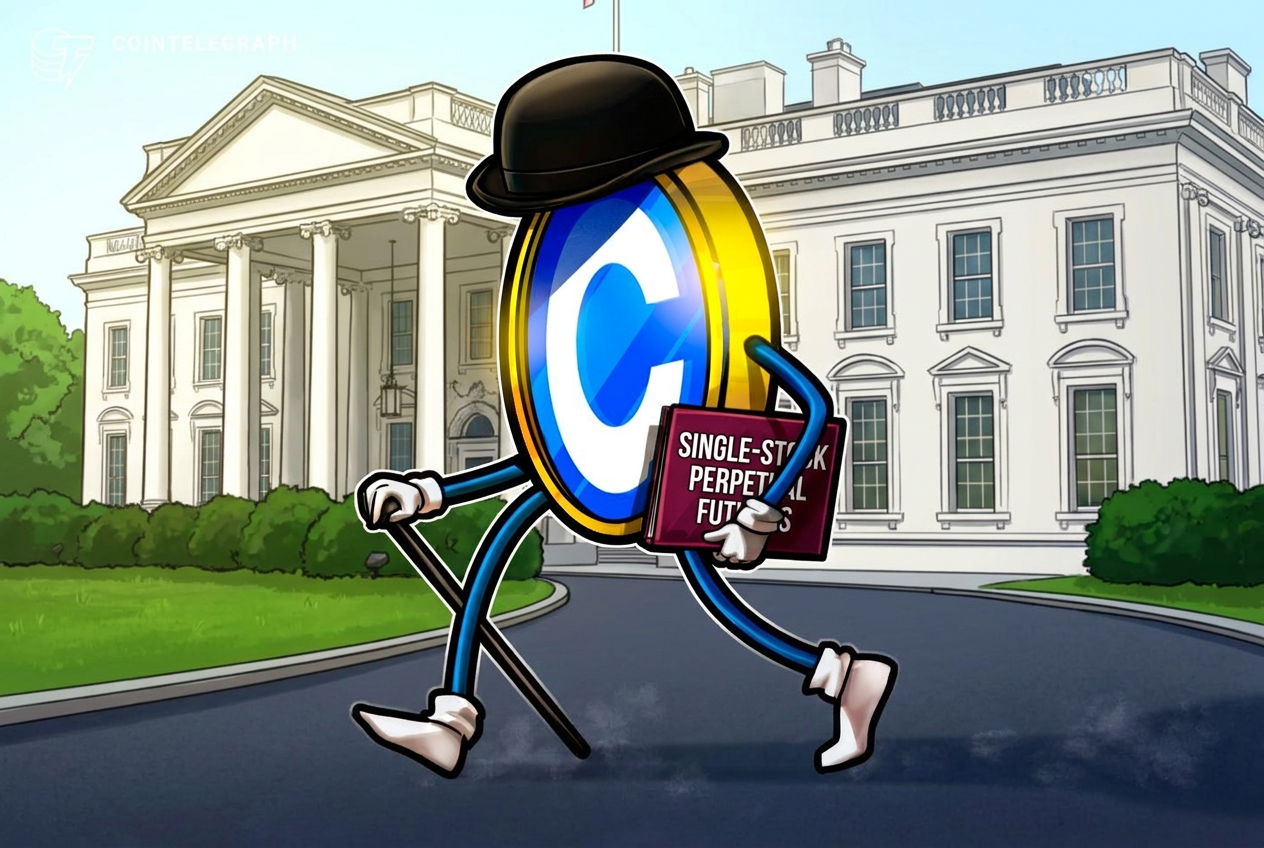
Coinbase, a leading cryptocurrency exchange, has formally filed an application with the Commodity Futures Trading Commission (CFTC) to launch single-stock perpetual futures contracts in the United States. This strategic move aims to extend a derivatives product, which has seen widespread adoption and liquidity within cryptocurrency markets, to individual U.S. equities, marking a significant step in the convergence of traditional and digital asset trading paradigms. The filing, submitted on Friday through its dedicated derivatives arm, Coinbase Derivatives, seeks the necessary regulatory imprimatur for contracts that would offer U.S. traders 24-hour, five-day-a-week exposure to the price movements of specific individual stocks without necessitating direct ownership of the underlying shares.
Understanding Single-Stock Perpetual Futures
Perpetual futures contracts represent a distinct class of derivatives, fundamentally differing from their traditional counterparts primarily due to their lack of an expiry date. Unlike conventional futures contracts that obligate parties to buy or sell an asset at a predetermined price on a specified future date, perpetual futures can be held indefinitely, as long as margin requirements are met. This unique characteristic, coupled with a funding rate mechanism that periodically adjusts based on the difference between the perpetual contract price and the underlying asset’s spot price, helps to anchor the perpetual future’s price to the underlying asset. The absence of an expiration date eliminates the need for traders to roll over positions, simplifying long-term directional bets and making them particularly attractive for continuous exposure and speculation.
In the context of single-stock perpetual futures, these contracts would derive their value from the performance of individual company shares, such as those of Apple, Microsoft, Tesla, and Nvidia, which Coinbase reportedly plans to include in its initial offering. This mechanism allows traders to gain leveraged exposure, speculate on price movements, or hedge existing portfolios without the complexities or capital requirements associated with direct stock ownership. The product offers flexibility for both long and short positions, providing tools for sophisticated trading strategies to a broader retail audience, assuming regulatory approval.
Coinbase’s Strategic Vision and Regulatory Pathway
Coinbase’s initiative is not merely an isolated product launch but rather a pivotal component of its broader strategy to diversify its revenue streams, expand its product offerings, and solidify its position as a comprehensive financial services provider. The company stated that these proposed products would build upon its existing U.S. perpetual futures market, effectively porting the structure that has gained traction in crypto derivatives to the realm of individual U.S. equities for American traders. The proposed contracts are classified by the CFTC as single-stock futures, a category that necessitates stringent regulatory oversight and remains pending the commission’s comprehensive review and approval.
The recent CFTC filing is the culmination of a series of strategic regulatory maneuvers by Coinbase. Earlier, on September 1, Coinbase Derivatives had already taken a significant regulatory step by filing a Form 1-N with the Securities and Exchange Commission (SEC). This filing aimed to register Coinbase Derivatives as a national securities exchange specifically for the purpose of offering security futures. This dual-agency engagement underscores the complex regulatory landscape surrounding single-stock futures in the U.S., which are unique in that they fall under the joint jurisdiction of both the CFTC (as futures contracts) and the SEC (as derivatives of securities). The successful navigation of both regulatory pathways is critical for Coinbase to bring these products to the U.S. market.
Coinbase is not a newcomer to the perpetual futures market, having already launched stock perpetual futures for eligible traders outside the United States in March. That international offering included contracts tracking major U.S. stocks and indices, notably featuring companies like Apple and Nvidia. At the time of its international launch, the company explicitly stated that these products were unavailable to U.S. persons but articulated its intention to expand the offering to additional regions, laying the groundwork for the current domestic filing. This prior experience in international markets provides Coinbase with valuable operational insights and a track record that could potentially support its case for U.S. approval.
Historical Context and Regulatory Scrutiny of Single-Stock Futures
The introduction of single-stock futures in the U.S. has a nuanced and sometimes contentious history. While popular in many international markets, their availability to retail investors in the U.S. was restricted for a significant period. Single-stock futures were effectively banned in the U.S. from the early 1980s until 2000, primarily due to jurisdictional disputes between the CFTC and the SEC and concerns over market manipulation and investor protection. The passage of the Commodity Futures Modernization Act of 2000 (CFMA) finally lifted this ban, establishing the framework for their regulation under both agencies and paving the way for their reintroduction.
Despite the legislative groundwork, the market for single-stock futures in the U.S. has not seen the explosive growth observed in other derivative products or international markets. This has been attributed to a combination of factors, including the availability of alternative leveraged products like options and contracts for difference (CFDs), and the relatively higher regulatory barriers to entry for exchanges. Coinbase’s entry could potentially reinvigorate this segment of the derivatives market by leveraging its large user base and its reputation as a major player in the digital asset space.
Regulators, particularly the CFTC and SEC, are expected to scrutinize Coinbase’s application thoroughly. Key areas of focus will likely include:
- Market Integrity and Surveillance: Ensuring robust mechanisms are in place to prevent market manipulation, front-running, and other illicit activities.
- Customer Protection: Assessing the suitability of these complex, leveraged products for retail investors, including disclosure requirements, risk warnings, and investor education.
- Capital Requirements and Clearing: Evaluating the financial stability of Coinbase Derivatives and the clearinghouse mechanisms to handle potential defaults and ensure market stability.
- Technological Infrastructure: Verifying the resilience, security, and capacity of Coinbase’s trading and settlement systems to handle 24/5 trading.
- Jurisdictional Clarity: Ensuring seamless coordination and clear lines of authority between the CFTC and SEC in their oversight roles.
Market Implications and Potential Impact
Should Coinbase receive the green light, the introduction of single-stock perpetual futures could have several profound implications for the U.S. financial markets:
- Increased Retail Access to Derivatives: The product would provide individual investors with a new, potentially more accessible, and continuously traded instrument for speculating on or hedging individual stock performance. This could attract a segment of the retail trading population currently using options or other leveraged products.
- Competition for Traditional Exchanges: While existing derivatives exchanges like CME Group and Cboe offer various futures and options products, Coinbase’s entry with a perpetual future structure could introduce a novel form of competition, particularly if it leverages its digital-native infrastructure and user experience.
- Bridging Crypto and Traditional Finance: This move further blurs the lines between traditional equities and digital assets. It demonstrates Coinbase’s ambition to become a central hub for various financial products, leveraging its expertise gained in the crypto derivatives space.
- Enhanced Liquidity and Price Discovery: A robust market for single-stock perpetual futures could contribute to improved price discovery for the underlying equities, especially given the 24/5 trading window, which extends beyond traditional market hours.
- Risk Considerations: The leveraged nature of futures contracts means amplified gains but also magnified losses. Regulators will be acutely aware of the potential for significant financial losses for retail investors, particularly given the volatility inherent in single-stock movements. The "perpetual" nature, while convenient, also means continuous margin management is critical, and positions can be liquidated if margin calls are not met.
Industry observers suggest that Coinbase’s move is a calculated risk, signaling its intent to innovate within regulated financial markets. The company’s continued push into derivatives, despite ongoing regulatory challenges concerning the classification of certain crypto assets as securities by the SEC, highlights its strategic commitment to expanding its offerings beyond spot crypto trading. By focusing on established U.S. equities, Coinbase might also be aiming to demonstrate its capacity for compliance and responsible market operation within traditional financial frameworks, potentially aiding its broader regulatory dialogue.
Challenges and Outlook
While Coinbase’s filing represents a significant step, the path to full regulatory approval and successful market launch is fraught with challenges. The CFTC and SEC operate with mandates focused on market integrity and investor protection, and new, complex financial products typically undergo extensive review. The potential for high leverage, combined with the continuous nature of perpetual futures, necessitates robust risk management frameworks, transparent pricing mechanisms, and comprehensive investor education to mitigate potential harm to retail participants.
The timeline for approval remains uncertain, but such filings often involve several rounds of feedback, revisions, and public comment periods. Even with approval, market adoption will depend on competitive pricing, liquidity, and the perceived benefits relative to existing alternatives.
Ultimately, Coinbase’s pursuit of single-stock perpetual futures in the U.S. is a bold declaration of its ambition to innovate and expand its footprint in the broader financial ecosystem. It reflects a growing trend of digital asset platforms venturing into traditional finance, bringing with them novel product structures and technological efficiencies. The outcome of this regulatory process will not only shape Coinbase’s future but could also set a precedent for how other derivatives products, particularly those born from the crypto landscape, are integrated into the highly regulated U.S. financial markets. The financial world watches intently as Coinbase seeks to bridge the gap between the dynamism of crypto derivatives and the established landscape of U.S. equities.









