
 Nila Kartika Wati
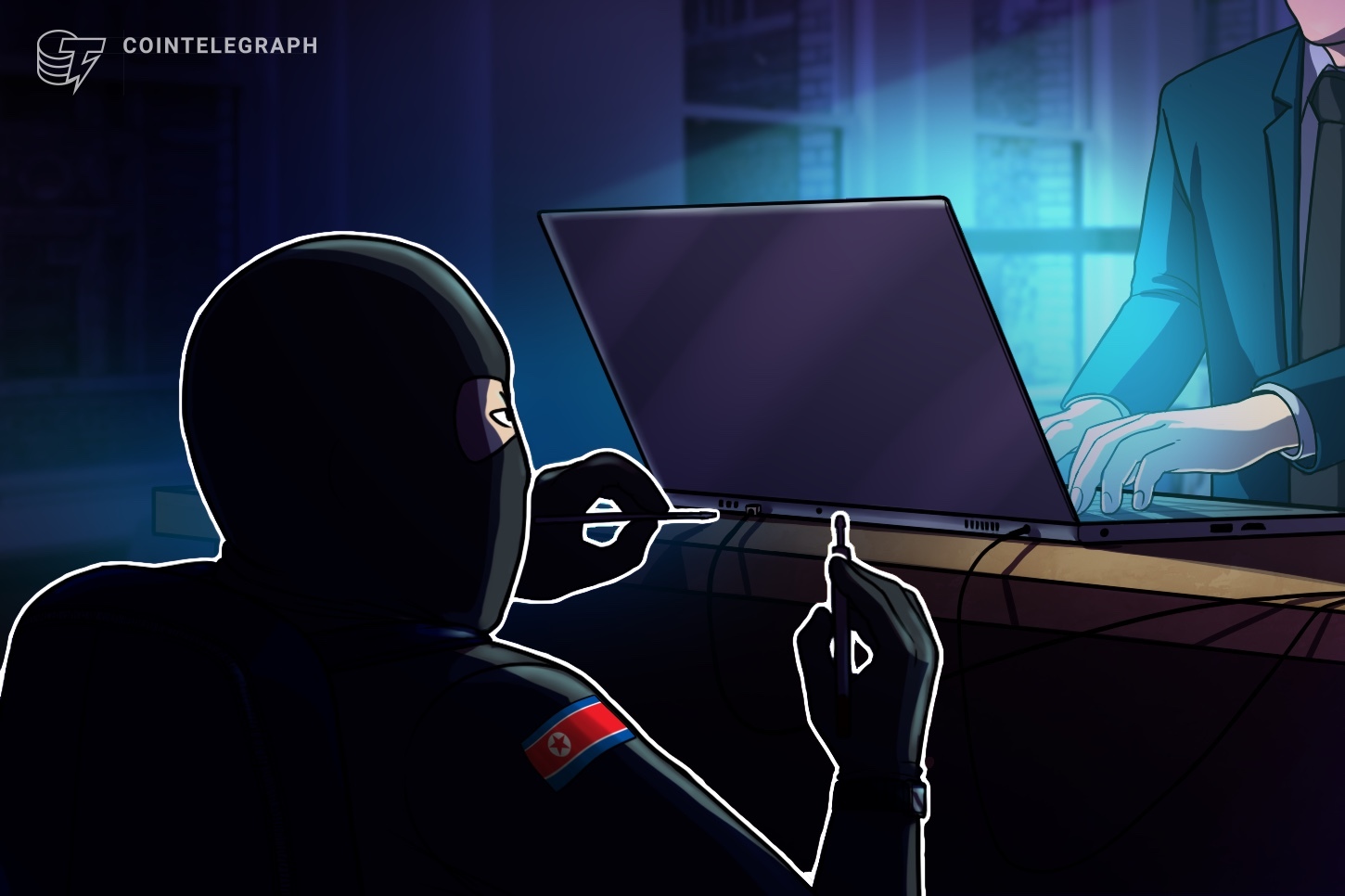
Cryptocurrency exchange Bitget has suffered a significant security breach resulting in the theft of an estimated $351.6 million, with CEO Gracy Chen publicly stating that preliminary findings suggest North Korean hacking groups may be responsible. Speaking during a live Q&A session on the social media platform X following the incident on Thursday, Chen cited intelligence linking specific IP addresses to VPN services known to be favored by a "certain DPRK group," referring to the Democratic People’s Republic of Korea. This attribution, if confirmed, would mark another substantial blow delivered by state-sponsored cybercriminals against the burgeoning digital asset industry, raising renewed concerns about the persistent and evolving threats facing centralized exchanges.
Chronology of a High-Stakes Cyberattack
The incident unfolded rapidly on Thursday, beginning with the detection of unauthorized transfers from Bitget’s digital asset reserves. The exchange promptly announced the security breach, confirming that portions of its hot and warm wallet infrastructure had been compromised. In an immediate and decisive move to safeguard remaining user funds and prevent further losses, Bitget suspended all withdrawals across its platform, a standard albeit disruptive protocol during such crises.
Hours after the breach became public, Bitget CEO Gracy Chen took to X for a live broadcast to address the community directly. During this session, she provided the initial, albeit preliminary, details regarding the potential culprits. Chen revealed that security investigators had identified certain IP addresses used in the attack that showed a pattern consistent with the use of VPN services by known North Korean cyber groups. She explicitly stated, "We’ve identified some IP addresses that match the VPN choices by a certain DPRK group." Furthermore, Chen reassured users that the exchange did not believe the breach was an inside job, aiming to dispel speculation about internal complicity. Her subsequent statement, "The pattern looks very much like what the North Korean team did before," underscored the growing conviction within Bitget’s security team regarding the origin of the attack.
The North Korean Connection: A Persistent and Evolving Threat
The potential involvement of North Korean state-sponsored hackers in the Bitget breach is not an isolated incident but rather fits into a disturbing pattern of sophisticated cyberattacks targeting the global cryptocurrency ecosystem. North Korea, under severe international sanctions for its nuclear weapons and ballistic missile programs, has increasingly turned to cybercrime, particularly cryptocurrency theft, as a crucial source of illicit revenue to circumvent these restrictions and fund its state apparatus.
Foremost among these groups is the notorious Lazarus Group, often referred to as APT38 or Bluenoroff, a highly advanced persistent threat actor widely attributed to North Korea’s Reconnaissance General Bureau (RGB). The Lazarus Group and its various sub-entities have been implicated in some of the largest and most audacious crypto heists in history. Their modus operandi typically involves highly sophisticated social engineering tactics, spear-phishing campaigns targeting key personnel within crypto organizations, supply chain attacks, and the exploitation of software vulnerabilities. They are known for their meticulous planning, patient reconnaissance, and advanced obfuscation techniques, including the extensive use of VPNs and proxy networks to mask their true origin, making attribution a complex challenge for investigators.
According to various reports from the United Nations and blockchain analytics firms like Chainalysis, North Korean hackers have stolen billions of dollars in cryptocurrency over recent years. For instance, in a past year, they were linked to an estimated $2.02 billion in crypto theft, highlighting the scale of their operations. Notable incidents include the $625 million hack of Axie Infinity’s Ronin Bridge in March, the $100 million theft from the Harmony Bridge in June, and the $41 million hack of Atomic Wallet, all of which were subsequently attributed by the FBI and other security agencies to the Lazarus Group. The FBI had also previously attributed the laundering of stolen funds, notably from the Harmony Bridge hack, through various cryptocurrency exchanges, including Bybit, underscoring the interconnectedness of these criminal enterprises and the challenges in tracing and recovering stolen assets. The Bitget CEO’s reference to "VPN choices by a certain DPRK group" directly aligns with the known tactics of these entities, who frequently cycle through various VPN services and compromised servers worldwide to obscure their digital footprints.
Understanding the Breach Mechanics and Bitget’s Security Posture
Gracy Chen’s statements also shed light on the technical aspects of the Bitget breach, clarifying how the attackers gained access and executed the theft. She emphasized that the hackers "breached Bitget’s systems and transferred funds directly, rather than forging user withdrawal requests." This distinction is critical, as it suggests a deeper compromise of the exchange’s internal infrastructure rather than an attack on individual user accounts or the manipulation of withdrawal mechanisms.
Crucially, Chen also stated, "They did not forge user withdrawal requests, nor did they obtain our private keys of the cold wallet and any hot, warm wallet." This assertion indicates that the attackers did not manage to compromise the cryptographic private keys themselves, which are the ultimate credentials for controlling cryptocurrency. Instead, the implication is that they exploited vulnerabilities within the systems that manage the movement of funds from hot and warm wallets, possibly through unauthorized access to internal transfer mechanisms, API keys, or administrative interfaces.
To contextualize, cryptocurrency exchanges typically employ a tiered wallet system for security:
- Cold Wallets: These are offline storage solutions, often hardware devices, that are completely disconnected from the internet. They hold the vast majority of an exchange’s assets and are considered the most secure.
- Warm Wallets: These are semi-connected wallets, often with limited internet access or specific network configurations, used for larger, less frequent transactions.
- Hot Wallets: These are online wallets used for daily operational needs, such as processing user withdrawals and deposits. They hold a smaller percentage of the total assets but are the most vulnerable due to their internet connectivity.
The fact that the attack targeted "portions of its hot and warm wallet infrastructure" but did not compromise private keys of either hot or cold wallets suggests a sophisticated intrusion into Bitget’s operational environment, possibly exploiting an unpatched vulnerability in an internal server, a compromised employee credential granting access to specific transfer permissions, or a zero-day exploit. Chen acknowledged that investigators were still in the process of "determining which systems were compromised and how the attackers gained access," indicating the complexity of pinpointing the exact vector of the breach.
Bitget’s Immediate Response and Recovery Efforts
In the wake of the breach, Bitget has activated its incident response protocols, focusing on containment, investigation, and recovery. The immediate suspension of withdrawals was a critical step to prevent further exfiltration of funds. Gracy Chen’s public communication on X, despite the gravity of the situation, aimed to maintain transparency and provide updates to a concerned user base.
During the Q&A, Chen also disclosed that "some stolen funds had been recovered," though she refrained from specifying an amount. This partial recovery suggests that Bitget’s security teams, in conjunction with blockchain analytics firms, may have been able to trace some of the illicit transactions to specific addresses on the blockchain and potentially coordinate with other exchanges or law enforcement to freeze or recover a portion of the assets. Cryptocurrency recovery is a challenging process, often involving collaboration across the industry to identify and blacklist addresses associated with stolen funds. Chen confirmed that the exchange was actively "working with blockchain foundations and other partners on recovery efforts," indicating a multi-faceted approach involving industry stakeholders.
Such recovery efforts often entail:
- Blockchain Tracing: Using specialized tools to follow the movement of stolen cryptocurrencies across various blockchain networks.
- Exchange Coordination: Alerting other cryptocurrency exchanges to freeze funds if they land in accounts associated with the attackers.
- Law Enforcement Engagement: Cooperating with national and international law enforcement agencies like the FBI or Interpol to pursue legal avenues for asset seizure.
- Smart Contract Audits: Conducting thorough audits of their smart contracts and internal systems to identify and patch vulnerabilities.
Bitget, like many major exchanges, likely maintains an insurance fund to cover potential losses from security breaches, although details regarding the specific coverage for this incident would be subject to internal policies and investigation outcomes.
Broader Implications for Cryptocurrency Security and Industry Trust
The Bitget breach, particularly if confirmed to be the work of North Korean state-sponsored actors, carries significant implications for the broader cryptocurrency industry.
- Erosion of Trust: Each major hack erodes user trust in centralized exchanges, pushing some users towards self-custody solutions or decentralized platforms, despite their own inherent risks.
- Persistent Threat of State-Sponsored Attacks: It underscores the persistent and growing threat posed by state-sponsored hacking groups, who possess significant resources, expertise, and a clear motivation to target high-value crypto assets. These actors are not merely financially motivated; their actions are often tied to national security objectives, making them incredibly resilient and difficult to deter.
- Need for Enhanced Security Protocols: The incident will undoubtedly intensify calls for all cryptocurrency exchanges to continuously enhance their security protocols, including more robust multi-factor authentication (MFA), advanced intrusion detection and prevention systems, regular and thorough security audits (both internal and external), and penetration testing. The attack vector, bypassing private key compromise, points to the need for securing all layers of an exchange’s operational infrastructure.
- Regulatory Scrutiny: Regulators worldwide are already increasing their scrutiny of the cryptocurrency industry, particularly concerning anti-money laundering (AML) and know-your-customer (KYC) compliance, as well as cybersecurity standards. This latest breach will likely accelerate demands for stricter oversight and mandatory security frameworks for exchanges, potentially leading to more stringent licensing requirements and regular compliance audits.
- Cybersecurity Intelligence Sharing: The incident highlights the critical importance of effective cybersecurity intelligence sharing among exchanges, security firms, and government agencies. Collaborative efforts to identify threat actors, track their methods, and disseminate threat intelligence are crucial in mitigating future attacks.
The cryptocurrency industry remains a dynamic and attractive target for malicious actors, from individual scammers to sophisticated state-sponsored groups. The Bitget breach serves as a stark reminder that while the underlying blockchain technology offers inherent security features, the centralized entities built upon it remain vulnerable to complex cyberattacks. The ongoing "cat-and-mouse" game between exchanges and hackers necessitates a continuous evolution of security measures, proactive threat intelligence, and a robust incident response framework to safeguard the billions of dollars in digital assets entrusted to these platforms. The full impact of the Bitget hack and the definitive attribution to its perpetrators will continue to unfold as investigations progress.









