admin
admin
Consensys, a leading blockchain technology firm and the developer behind the widely used MetaMask wallet and Infura infrastructure, recently confirmed that it had inadvertently engaged a software developer with ties to the Democratic People’s Republic of Korea (DPRK). The individual, who operated under the pseudonym "Tyler Knapp," was brought into the organization as a consultant following an introduction from a reputable third-party service provider. This incident, which resulted in the developer having access to internal systems for approximately one month, has highlighted the increasing sophistication of North Korean cyber operations targeting the global decentralized finance (DeFi) and cryptocurrency sectors.
The discovery prompted an immediate and rigorous internal investigation, leading the company to temporarily halt product releases to ensure the integrity of its codebase and the safety of its user base. According to statements from Consensys leadership, the threat was identified through internal security protocols, and the individual’s access was terminated before any tangible damage could be inflicted. While the company maintains that no user funds were compromised and no malicious code was successfully deployed, the event serves as a stark reminder of the persistent vulnerabilities inherent in the remote-heavy, globalized hiring environment of the blockchain industry.
Chronology of the Incident and Internal Response
The engagement began earlier this year when Consensys sought specialized engineering talent to assist with ongoing development projects. The developer, identifying as Tyler Knapp, was vetted and introduced to the firm through a third-party service provider that Consensys had previously deemed reliable. Based on this recommendation, Knapp was brought on as a consultant rather than a full-time employee, a distinction that often involves different levels of administrative scrutiny in the corporate sector.
Over the course of roughly 30 days, Knapp participated in collaborative development efforts and was granted access to certain internal communication channels and technical environments necessary for his assigned tasks. However, during this period, Consensys’s internal security monitoring systems flagged anomalies or information that raised concerns regarding the consultant’s true identity and affiliations.
Upon the discovery of potential links to the DPRK, Consensys General Counsel Matt Corva confirmed that the company acted decisively. "We followed our security protocols, immediately terminated any access, and launched a comprehensive investigation," Corva stated. This investigation included a forensic audit of all code touched by the consultant and a review of system logs to determine if any data exfiltration had occurred. The company’s findings concluded that there was no misappropriation of assets or sensitive data, and the safety and security of MetaMask’s millions of users remained intact. Despite the lack of impact, the company chose to pause its release schedule—a move that underscores the gravity with which the firm treats potential state-sponsored infiltration.
The Broader Context of North Korean Cyber Infiltration
The incident at Consensys is not an isolated event but rather a high-profile example of a systematic campaign orchestrated by the North Korean government to generate revenue and gather intelligence through the digital asset industry. According to reports from the Federal Bureau of Investigation (FBI), the U.S. Department of the Treasury, and the Department of State, the DPRK operates a massive network of highly skilled IT workers located primarily in China and Russia. These individuals use stolen identities, sophisticated social engineering, and fake resumes to secure lucrative positions at Western technology and crypto firms.
These state-sponsored actors often target decentralized finance (DeFi) protocols, centralized exchanges, and infrastructure providers. Their objectives are twofold: first, to earn high salaries in stable currencies (often paid in stablecoins like USDT or USDC) to circumvent international sanctions; and second, to gain "insider" access to systems that would allow for the future deployment of malware or the execution of large-scale heists.
United Nations Security Council reports have estimated that North Korean hacking groups, such as the Lazarus Group and BlueNoroff, have been responsible for the theft of over $3 billion in cryptocurrency between 2017 and 2023. In 2024 alone, the sophistication of these "IT worker" schemes has escalated, with attackers using AI-generated avatars for video interviews and leveraging the reputations of legitimate staffing agencies to bypass traditional background checks.
Supporting Data on DPRK Cyber Operations in Crypto
Data from blockchain analytics firms like Chainalysis and TRM Labs indicates that North Korean-linked hacks accounted for a significant portion of all stolen funds in the crypto ecosystem over the past two years. In 2023, while the total value of crypto stolen via hacks decreased globally, the percentage attributed to DPRK-linked actors remained disproportionately high.
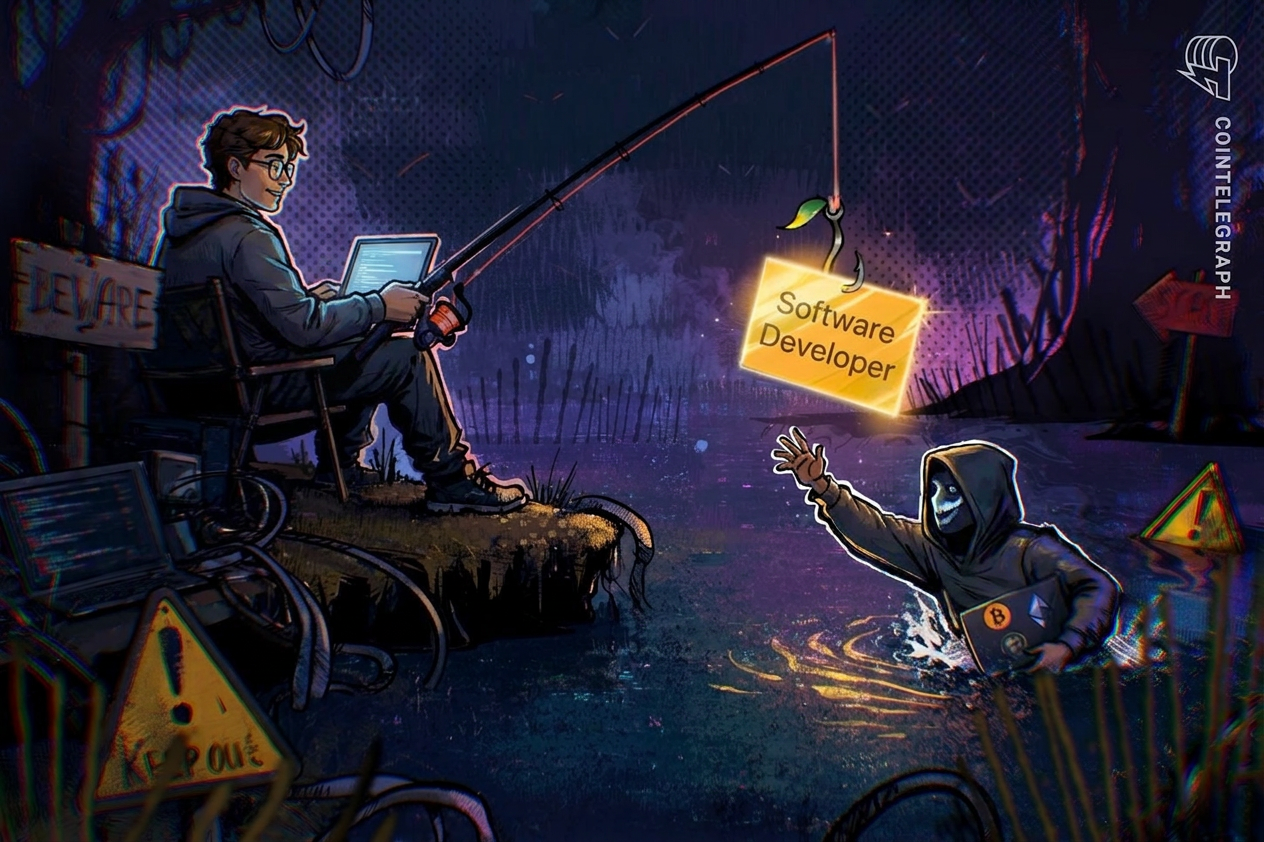
Specific tactics identified by cybersecurity firms include:
- Identity Theft: Using the personal identifiable information (PII) of legitimate U.S. or European citizens to create convincing LinkedIn profiles and GitHub repositories.
- Laptop Farms: Utilizing "laptop farms" located in the United States where accomplices host the physical hardware used by the overseas North Korean workers, allowing the workers to appear as if they are connecting from a domestic IP address.
- Reputational Laundering: Engaging with middle-market recruitment firms or "reputable third-party providers" to gain an initial foothold, relying on the provider’s perceived credibility to lower the target company’s guard.
The Consensys case is particularly notable because it involved a consultant who was successfully placed via a trusted intermediary. This suggests that the DPRK’s infiltration strategy has moved beyond "cold calling" via LinkedIn and is now actively compromising the supply chain of human capital.
Industry Reactions and the Challenge of Remote Security
The revelation of the "Tyler Knapp" incident has sent ripples through the blockchain community, prompting other firms to re-examine their own hiring and auditing processes. The decentralized nature of the industry, which prides itself on borderless collaboration and remote work, is precisely what makes it an attractive target for state-sponsored actors.
Security experts argue that the traditional methods of vetting—such as reviewing a GitHub portfolio or conducting a standard background check—are no longer sufficient when dealing with state-level adversaries. "The challenge is that these actors are not just individual hackers; they are backed by the resources of a nation-state," noted one cybersecurity analyst. "They have departments dedicated to creating backstories, forging documents, and coaching workers on how to pass interviews at top-tier firms."
In response to the incident, Matt Corva indicated that Consensys is proactively re-evaluating its practices for outsourcing engineering and development work. This likely involves more stringent identity verification processes, such as requiring in-person or high-assurance digital identity checks, and implementing stricter "least privilege" access controls for all third-party contractors, regardless of the source of the referral.
Implications for the Decentralized Ecosystem
The potential implications of a successful infiltration of a company like Consensys are vast. As the maintainer of MetaMask, which serves as the primary gateway to the Ethereum blockchain for over 30 million monthly active users, and Infura, which provides the backend infrastructure for a significant portion of the Web3 ecosystem, Consensys sits at a critical juncture of the industry.
A successful "supply chain attack"—where a developer inserts a "backdoor" into a widely used library or wallet software—could result in the loss of billions of dollars in user assets across the globe. While Consensys’s audit confirmed that no such code was deployed in this instance, the proximity of the threat highlights the need for continuous, multi-layered security audits and "zero-trust" architecture within blockchain organizations.
Furthermore, this incident may draw increased scrutiny from global regulators. The U.S. Office of Foreign Assets Control (OFAC) has already sanctioned numerous addresses and entities linked to North Korean cyber activities. Companies that inadvertently hire or pay DPRK nationals risk not only security breaches but also significant legal and regulatory penalties for violating sanctions regimes, even if the engagement was unintentional.
Conclusion and Future Outlook
The Consensys investigation serves as a cautionary tale for the digital asset industry. It demonstrates that even the most established and security-conscious firms are not immune to the sophisticated social engineering tactics employed by the DPRK. The transition from direct hacking to "insider" infiltration marks a strategic shift in North Korea’s cyber warfare playbook, one that requires a corresponding shift in how technology companies manage human risk.
As the industry moves forward, the focus is expected to shift toward more robust "Know Your Developer" (KYD) protocols. This includes the use of hardware-based identity verification, more frequent third-party code audits, and a heightened skepticism of referrals, even from previously trusted sources. For Consensys, the swift detection and transparent handling of the situation may have prevented a catastrophic event, but for the broader blockchain world, the "Tyler Knapp" case is a clear signal that the front lines of cyber defense are now found within the very teams building the future of finance.