Lina Irawan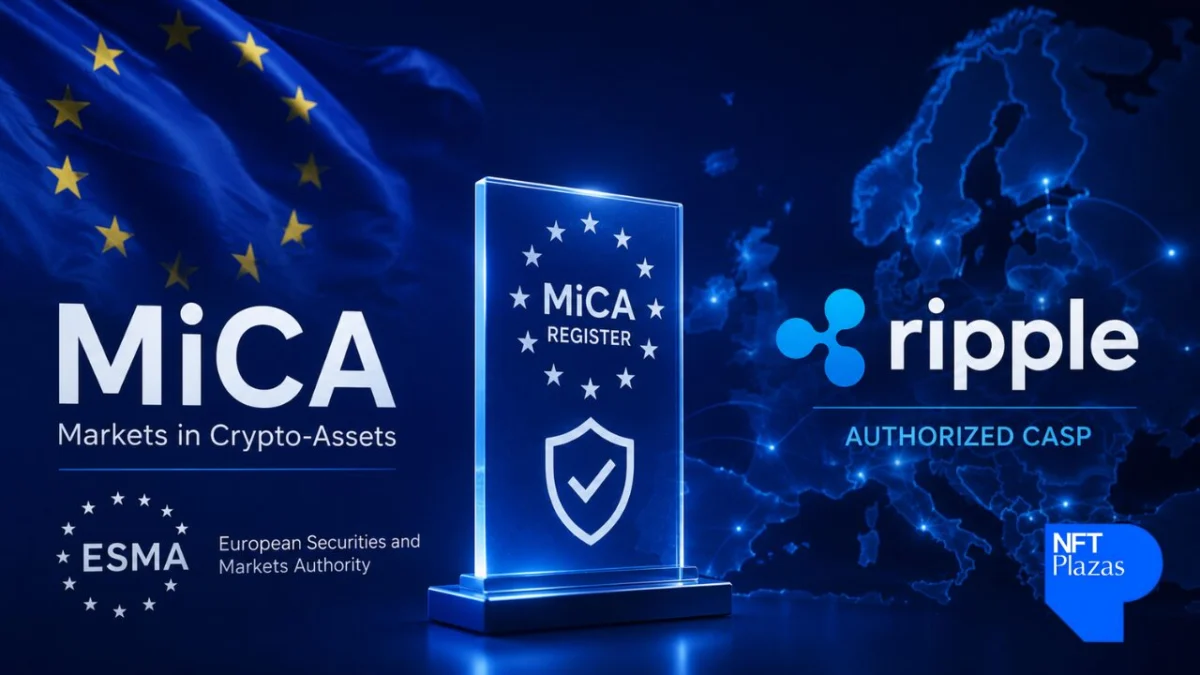
The European Securities and Markets Authority (ESMA) has significantly expanded its Markets in Crypto-Assets (MiCA) register, adding 14 new companies and bringing the total number of licensed crypto-asset service providers (CASPs) operating within the European Union to 294. Among the prominent new entrants is Ripple Payments Europe SA, the European payments arm of the blockchain technology company Ripple. This expansion, detailed in ESMA’s update on July 16, 2024, marks a crucial step in the implementation of the EU’s comprehensive crypto-asset regulatory framework, particularly following the closure of the MiCA regulation’s 18-month transitional period on July 1, 2024.
The inclusion of Ripple Payments Europe SA is particularly noteworthy. With this authorization, the company is now empowered to offer regulated crypto services across all 29 EU member states, leveraging the groundwork laid by its previous licensing efforts earlier in the summer. This development signifies a strategic move by Ripple to solidify its presence and operations within the European market under a harmonized regulatory regime. The firm’s ability to operate across the bloc stems from its full Crypto Asset Service Provider (CASP) authorization granted by Luxembourg’s Commission de Surveillance du Secteur Financier (CSSF) in early July, following a preliminary approval in June. This Luxembourg license, combined with an existing Electronic Money Institution (EMI) authorization already held by Ripple in the same jurisdiction, provides a robust dual regulatory foundation for its crypto asset and stablecoin payment services throughout the European Economic Area (EEA). Ripple has articulated that this integrated regulatory standing allows banks, fintech companies, and corporate clients to utilize a single point of integration for fund transfers, asset exchanges, and payment settlements. These services can encompass products that may involve XRP, the XRP Ledger, or the recently launched RLUSD stablecoin, depending on the specific client needs and service requirements.
This latest update from ESMA reflects the ongoing consolidation of the European crypto landscape under MiCA. The register, an interim compilation of authorized entities, is continuously updated as national competent authorities process applications and grant licenses. The addition of 14 new firms indicates a sustained, albeit slowing, pace of regulatory approvals following the initial surge of applications before the July 1 deadline.
A Timeline of MiCA Implementation and Registration
The journey towards a unified regulatory framework for crypto assets in the EU began with the adoption of the Markets in Crypto-Assets (MiCA) regulation. Key milestones include:
- June 2022: MiCA regulation is formally adopted by the European Parliament and Council.
- June 2022 – December 2024: A phased implementation period, allowing entities to prepare for compliance.
- July 1, 2024: The deadline for most crypto-asset service providers to be authorized under MiCA or to cease operations within the EU. This date marked the end of the 18-month transitional period.
- July 3, 2024: ESMA publishes its first significant interim update to the MiCA register post-deadline, adding 37 firms.
- July 16, 2024: ESMA releases its latest interim revision, incorporating an additional 14 authorized CASPs, bringing the total to 294.
The initial surge in registrations, as evidenced by the July 3 update adding 37 firms, has now transitioned into a more measured pace. The July 16 revision, adding 14 firms, suggests that national regulators are diligently working through the remaining applications, leading to a steadier, though slower, influx of new authorizations. This ongoing process is critical for ensuring market integrity and investor protection across the EU.

Banks Embrace Crypto Licensing Under MiCA
Beyond Ripple, the July 16 update to the ESMA register highlights a significant trend: the increasing participation of established financial institutions in the crypto licensing process. Among the newly authorized entities are Bison Bank of Portugal, Croatia’s state-owned Hrvatska poÅ¡tanska banka, and Liechtenstein’s Kaiser Partner Privatbank. Their inclusion underscores a pattern that regulators have repeatedly observed since the MiCA transition window closed: traditional banks, not solely crypto-native startups, are actively pursuing authorization to offer digital asset services. This embrace of regulated crypto services by legacy financial players signals a maturation of the digital asset market and a growing confidence in the EU’s regulatory approach.
This trend is further exemplified by payments processor BitPay, which has independently secured its MiCA authorization. BitPay received a Crypto Asset Service Provider license from the Dutch Authority for the Financial Markets (AFM). This Dutch license enables BitPay to offer crypto and stablecoin payment services across eligible EU markets. Crucially, it allows the company to utilize MiCA’s passporting mechanism, enabling it to operate in other member states without the need for separate, country-by-country approvals. This streamlined approach is a key benefit of the MiCA framework, designed to foster cross-border business for compliant providers.
The implications of these traditional institutions entering the regulated crypto space are far-reaching. It suggests a convergence of traditional finance and the digital asset sector, potentially leading to greater liquidity, enhanced investor confidence, and the development of more sophisticated financial products that bridge both worlds. For consumers and businesses, this means a wider array of regulated options for engaging with crypto assets, backed by the assurances of compliance and oversight.
Broader Regulatory Landscape and Compliance Pressures
The expansion of the MiCA register occurs against a backdrop of heightened regulatory scrutiny. The European Union’s Authority for Anti-Money Laundering and Countering the Financing of Terrorism (AMLA) has been closely monitoring customer movements triggered by the MiCA deadline. Bruna Szego, chair of AMLA, recently briefed the European Parliament’s Committee on Economic and Monetary Affairs, issuing a warning about the potential challenges arising from firms exiting the market.
Szego indicated that companies that failed to secure authorization by the applicable deadlines are required to wind down their regulated crypto services within the EU, unless alternative national arrangements are in place. This regulatory imperative is expected to drive a significant migration of customers towards licensed platforms. Szego cautioned that this influx of new customers could strain the operational capacity of newly authorized providers, potentially challenging their ability to maintain rigorous anti-money laundering (AML) checks and customer due diligence (CDD) processes.

In response, Szego urged firms exiting the market to prepare operationally for a surge in customer withdrawal requests and advised newly authorized providers to remain steadfast in their compliance standards, even as they navigate increased onboarding volumes. AMLA has announced plans to publish a comprehensive report on money-laundering risks within the crypto sector before the end of the year. Furthermore, the authority is actively enhancing its blockchain analytics capabilities to bolster its supervisory oversight of authorized providers.
For Ripple and the other recently authorized entities, AMLA’s pronouncements serve as a stark reminder that regulatory authorization is merely the foundational step. While ESMA’s register confirms their legal standing to serve customers across MiCA’s participating markets, the ongoing vigilance of AMLA underscores the expectation that these providers must manage the ensuing business growth without compromising on crucial compliance measures. This includes robust identity verification, vigilant transaction monitoring, and adherence to the broader anti-money laundering controls that are central to the MiCA framework’s objectives. The successful integration of these newly authorized entities into the EU’s financial ecosystem will hinge on their ability to balance operational expansion with an unwavering commitment to regulatory compliance.
Ripple’s Expanding Global Regulatory Footprint
The European authorization is a significant addition to Ripple’s already extensive portfolio of regulatory approvals worldwide. The company has been proactively seeking licenses in key jurisdictions to ensure its operations comply with evolving global regulatory standards. In addition to its European successes, Ripple also holds an Electronic Money Institution license and a crypto-asset registration from the United Kingdom’s Financial Conduct Authority (FCA), obtained earlier this year. These UK approvals further solidify Ripple’s presence in a major financial hub and demonstrate its commitment to operating within regulated frameworks.
Ripple has publicly stated that its total portfolio of regulatory licenses and registrations globally now exceeds 75. This expansive network of approvals across various jurisdictions signifies a strategic approach to navigating the complex and fragmented regulatory landscape of the digital asset industry. By securing these licenses, Ripple aims to build trust with institutional clients, financial partners, and regulators, positioning itself as a compliant and reliable player in the global fintech and blockchain space. The company’s ability to adapt and meet diverse regulatory requirements across different regions is crucial for its continued growth and for facilitating the broader adoption of its payment solutions and blockchain technology.
The expanding ESMA register, with Ripple Payments Europe SA now firmly established within it, signifies a maturing European crypto market. The increasing number of licensed providers, including both crypto-native firms and traditional banks, points towards a future where digital assets are more integrated into the mainstream financial system, under a clear and comprehensive regulatory umbrella. The challenges highlighted by AMLA underscore the ongoing need for robust compliance and supervision, ensuring that the benefits of innovation are realized without compromising financial stability and security.