Lina Irawan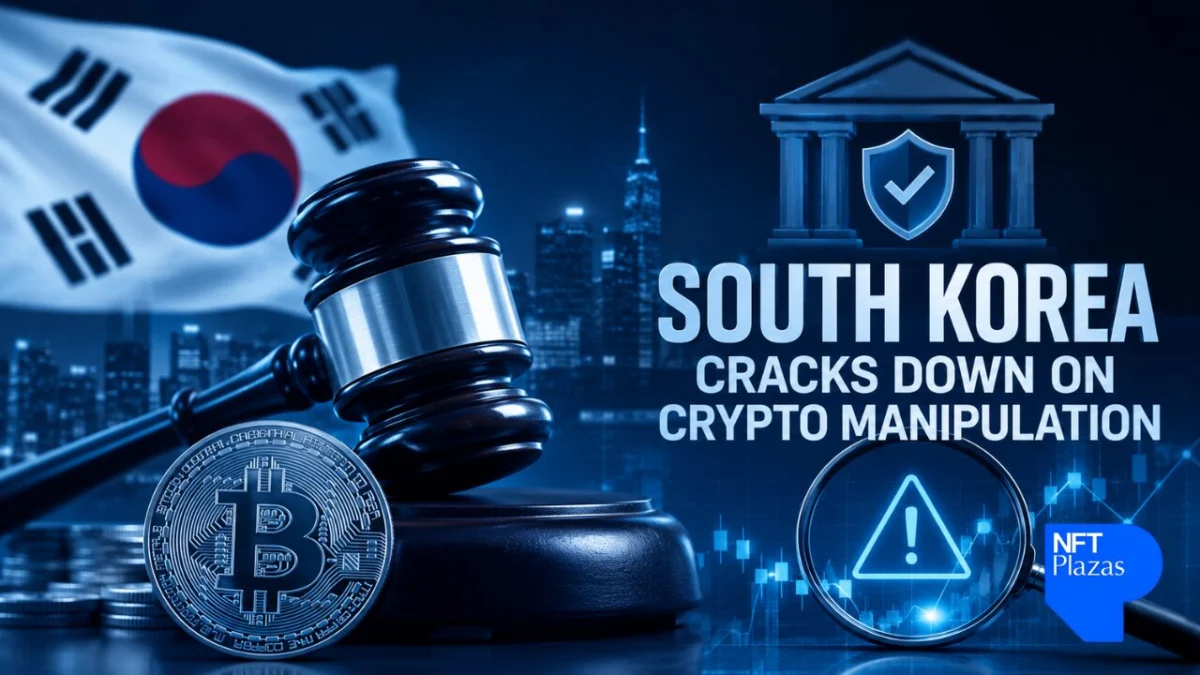
South Korea’s financial regulators have launched investigations into approximately 40 suspected cases of cryptocurrency market manipulation since the nation’s pivotal Virtual Asset User Protection Act (VAUPA) was enacted in July 2024, underscoring a significant escalation in the government’s commitment to policing the burgeoning digital asset sector. These figures, released by the Financial Services Commission (FSC) to commemorate the law’s second anniversary, reveal that authorities have advanced more than 30 confirmed cases to investigative bodies for prosecution. The investigations have identified 25 individuals as suspects during the law’s initial two-year period, reflecting a concerted effort by regulators to eradicate unfair trading practices and bolster investor confidence within the country’s dynamic cryptocurrency market. This enforcement update provides one of the most comprehensive insights to date into South Korea’s implementation of a leading regulatory framework in Asia for digital assets, integrating specialized investigations, advanced digital forensics, stringent financial penalties, and forward-looking plans for AI-driven market surveillance.
The Virtual Asset User Protection Act: A New Era of Investor Protection
The Virtual Asset User Protection Act, officially implemented on July 19, 2024, established South Korea’s first dedicated legal architecture designed to safeguard cryptocurrency investors and vigorously combat market abuse. Prior to this legislation, the rapidly expanding virtual asset market operated with a less defined regulatory landscape, leading to concerns about investor vulnerability and potential for illicit activities. The VAUPA granted South Korean financial authorities significantly enhanced powers to investigate and penalize a range of illegal actions, including price manipulation schemes, insider trading, and other forms of unfair trading practices. A core component of the act mandates virtual asset service providers (VASPs) to reinforce the protection of customer assets and bolster their internal compliance systems, aiming to create a more secure trading environment.
To operationalize these new mandates, the FSC established a specialized investigation unit specifically tasked with overseeing and policing virtual asset markets. This unit has been instrumental in developing and refining the capabilities required for complex digital asset investigations. Alongside this, authorities have expanded their digital forensic capabilities, enabling them to trace and analyze blockchain transactions with greater precision. The operation of the penalty surcharge system has also been refined, allowing for more substantial financial repercussions for offenders. These combined measures have empowered regulators to conduct approximately 40 investigations within the law’s first two years. The referral of over 30 confirmed cases for criminal proceedings signifies the government’s strong resolve to pursue serious enforcement actions against those who violate the act.
Unveiling the Scale of Illicit Gains
The enforcement statistics released by the FSC paint a stark picture of the substantial profits that can be generated through illicit cryptocurrency market manipulation. According to the commission’s data, the average illicit gain per case investigated under the VAUPA has been approximately 1.4 billion South Korean won, equivalent to roughly $1 million USD. This figure highlights the significant financial incentives driving manipulative activities in the digital asset space.
Further granular analysis of the investigated cases reveals the alarming scale of these illicit profits. Eight investigations uncovered illegal gains ranging from 500 million won to 5 billion won. In a particularly egregious instance, one case involved illegal profits exceeding 5 billion won, demonstrating the potential for massive financial windfalls through fraudulent means. These figures underscore the economic motivation behind sophisticated market manipulation tactics.
In response to these findings, authorities have begun to impose substantial financial penalties under the new law. In two completed cases, regulators levied penalty surcharges that ranged from 125% to 165% of the offenders’ illicit gains. This aggressive penalty structure is designed to serve a dual purpose: to eliminate the financial incentives for engaging in market abuse by ensuring that offenders not only forfeit their illegal profits but also face significant additional penalties, and to help rebuild trust and confidence within South Korea’s digital asset ecosystem. By making such activities financially ruinous, the FSC aims to deter future misconduct.
Leveraging Artificial Intelligence for Enhanced Market Surveillance
While the FSC has highlighted the tangible early successes of the Virtual Asset User Protection Act, the commission has also emphasized that its enforcement efforts are poised for continued expansion and enhancement. In a statement commemorating the second anniversary of the law, the FSC articulated its strategic plan to significantly increase the utilization of artificial intelligence (AI) to improve the efficiency and effectiveness of market monitoring and investigative processes.
"Financial authorities plan to keep strengthening efforts to stamp out unfair trading in the virtual asset market, including using AI to improve the efficiency of market surveillance and investigations," the commission stated. This proactive approach recognizes the evolving nature of financial markets, particularly the increasing sophistication and speed of digital asset trading.

The integration of AI-powered surveillance is anticipated to revolutionize how regulators detect and respond to market irregularities. AI algorithms are adept at processing vast datasets and identifying complex patterns that might evade human analysts. This is expected to enable regulators to detect suspicious trading patterns far more rapidly, identify instances of coordinated manipulation that might span multiple exchanges, and more effectively prioritize high-risk cases for in-depth investigation. As cryptocurrency markets become increasingly complex and driven by algorithmic trading strategies, the adoption of advanced analytics and machine learning tools by regulators globally is becoming a critical imperative for maintaining market integrity and investor protection. South Korea’s move towards AI-driven surveillance positions it at the forefront of regulatory innovation in the digital asset space.
Expanding the Regulatory Toolkit: Future Enforcement Measures
South Korea’s commitment to fortifying its crypto regulatory framework extends beyond the initial implementation of the VAUPA. Authorities are actively considering and developing additional legislative measures and enforcement powers to further strengthen oversight of the virtual asset market. These upcoming initiatives are designed to create a more robust and preemptive approach to combating financial crime within the digital asset sphere.
One significant proposed measure involves granting authorities new powers to suspend financial accounts and, crucially, linked bank accounts that are suspected of holding proceeds derived from unfair trading practices. Such a measure would significantly complicate the ability of offenders to move or conceal illegally obtained assets during the course of an investigation, thereby increasing the likelihood of asset recovery and deterring further illicit activities. This would represent a substantial enhancement in the government’s ability to disrupt criminal financial flows.
Furthermore, the government is reviewing the implementation of a comprehensive reporting and reward system. This system aims to incentivize whistleblowers to come forward and report suspected instances of market manipulation and insider trading. By offering rewards for credible information, South Korea seeks to leverage the collective awareness of market participants to identify and address wrongdoing. This approach can serve as a powerful deterrent, as individuals involved in or aware of illicit activities would face a greater risk of exposure.
In conjunction with the expanded AI-based surveillance capabilities, these proposed legislative and operational enhancements are intended to collectively bolster South Korea’s capacity to detect, investigate, and prosecute crypto-related financial crimes with greater efficacy and speed. This multi-pronged strategy signals a clear intent to build a truly secure and transparent digital asset market.
Charting a Course for a Safer Digital Asset Landscape
South Korea continues to be recognized as one of the world’s most active and vibrant cryptocurrency markets, with millions of retail investors actively participating in digital asset trading. In recent years, the nation’s financial authorities have been engaged in a delicate balancing act, striving to foster innovation within the technology sector while simultaneously implementing robust consumer protections. This imperative has become even more pronounced following several significant market disruptions and high-profile failures within the global cryptocurrency ecosystem, which have eroded investor confidence worldwide.
The Virtual Asset User Protection Act of 2024 marked a critical turning point in this strategic approach, providing regulators with dedicated and powerful legal instruments to effectively oversee the industry. The enforcement figures released by the FSC, revealing dozens of completed investigations, over 30 cases referred for prosecution, and the imposition of substantial financial penalties, demonstrate that these newly acquired powers are already being utilized extensively and effectively.
As South Korean authorities prepare to introduce further legislative measures and expand their reliance on AI-driven surveillance technologies, the nation is sending an unequivocal message: stringent and proactive enforcement will remain a cornerstone of its strategy. This commitment is fundamental to its long-term objective of building a digital asset market that is not only innovative and economically significant but also demonstrably safer, more transparent, and more trustworthy for all participants. The trajectory of South Korea’s regulatory evolution in the digital asset space serves as a compelling case study for other nations grappling with the complexities of governing this rapidly evolving sector.