Lina Irawan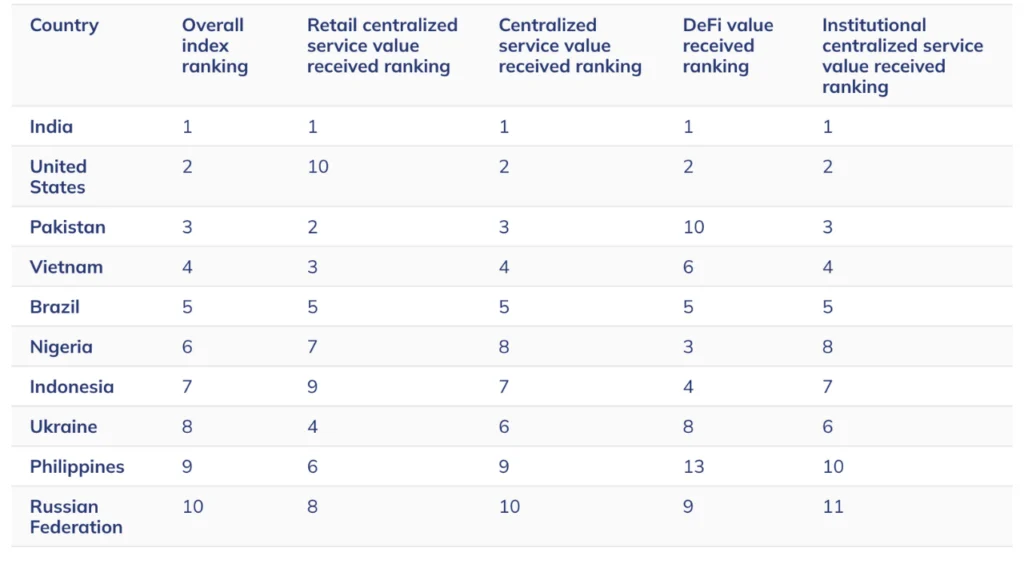
Vietnam is poised to enact its most rigorous cryptocurrency enforcement measures to date, introducing substantial fines for domestic investors who engage in digital asset trading through unlicensed platforms. Effective September 1, 2026, individuals found in violation could face penalties of up to 50 million Vietnamese dong (approximately $1,900). These stringent sanctions are a cornerstone of the nation’s ambitious five-year pilot program aimed at establishing a regulated cryptocurrency market.
The newly introduced penalties are detailed in Decree No. 284/2026/NĐ-CP, officially issued by the Vietnamese government on July 17. This landmark decree outlines administrative penalties for a spectrum of violations related to crypto assets and the nascent crypto market operating under Resolution 05/2025. Significantly, this marks the first instance where Vietnam has directly legislated punitive measures against retail investors participating in the digital asset space via unauthorized cryptocurrency exchanges.
Landmark Penalties Target Individual Crypto Traders
The regulatory shift under the new framework will see Vietnamese individuals trading crypto assets through entities not licensed by the Ministry of Finance subjected to fines ranging from 30 million VND to 50 million VND ($1,150 to $1,900). This represents a pivotal evolution in Vietnam’s approach to cryptocurrency, a sector where the nation has consistently ranked among the most active globally. Historically, investors have largely operated through offshore exchanges, navigating a landscape devoid of a comprehensive domestic legal framework.
Authorities’ intent with these penalties is to strongly incentivize a migration towards licensed platforms as the government systematically builds out a regulated digital asset ecosystem. This proactive stance aims to bring greater transparency and security to a market that has, until now, operated with considerable autonomy.
Further exacerbating potential penalties, the decree introduces more severe sanctions for domestic traders who engage with crypto assets specifically designated for foreign investors. In such instances, Vietnamese individuals could be fined between 70 million VND and 100 million VND (approximately $2,700 to $3,800), underscoring the government’s intention to control capital flows and protect domestic markets.
Crypto Companies Face Substantially Larger Fines
The regulatory net extends far beyond individual traders, imposing significant financial penalties on cryptocurrency exchanges, service providers, and token issuers that fail to adhere to licensing and operational mandates.
Crypto service providers found to be neglecting Know Your Customer (KYC) procedures during the account opening process could face fines ranging from 50 million VND to 70 million VND. This highlights a critical focus on identity verification and combating illicit financial activities within the digital asset space.

Businesses operating crypto services without securing the requisite Ministry of Finance license, or those promoting crypto-related services without proper authorization, will bear the brunt of the highest administrative penalties stipulated in the decree. These fines can escalate from 180 million VND to 200 million VND (approximately $7,700).
Token issuers are also subject to rigorous compliance obligations. Companies that fail to meet these standards, such as issuing tokens without necessary approvals or failing to provide accurate information about token projects, can incur fines between 150 million VND and 200 million VND.
Moreover, the unauthorized collection, storage, transfer, exchange, sale, or disclosure of data pertaining to crypto trading accounts will attract fines of up to 200 million VND. This provision strongly emphasizes the government’s escalating concern for consumer protection and the security of sensitive financial data within the burgeoning digital asset market.
Differentiated Maximum Fines for Individuals and Organizations
A key structural element of Decree No. 284 is the establishment of distinct penalty ceilings for individuals and corporate entities. Organizations can be liable for administrative fines reaching up to 200 million VND, while the maximum penalty for individuals is capped at 100 million VND. As a general principle, individuals committing violations similar to those of organizations will be fined half the amount imposed on their corporate counterparts.
Beyond monetary sanctions, Vietnamese authorities possess the power to impose additional punitive measures. These can include the confiscation of illicit gains derived from violations, seizure of assets linked to illegal activities, suspension of operations, or temporary revocation of licenses, depending on the gravity of the offense. This multi-faceted enforcement approach aims to deter non-compliance comprehensively.
Integral Component of Vietnam’s Five-Year Crypto Pilot Program
The newly enacted enforcement measures are intrinsically linked to Vietnam’s comprehensive five-year pilot program for crypto assets, initiated under Resolution 05/2025 and commencing in September 2025. This pilot program represents Vietnam’s inaugural attempt to construct a holistic legal framework for digital assets, while simultaneously providing regulators with a crucial period to observe market dynamics before finalizing permanent legislation.
Within the framework of Resolution 05, crypto assets are formally defined as digital assets that are created, issued, stored, and transferred using cryptographic or other advanced digital technologies. A critical stipulation for all issuance, trading, and settlement activities conducted within the pilot market is the mandatory use of Vietnamese dong. This requirement serves to reinforce governmental oversight of capital flows and monetary policy. The regulations established by Decree No. 284 are set to remain in effect throughout the entire duration of the pilot program, ensuring a consistent regulatory environment.
A Cautious Approach to Licensing: Limited Exchange Authorizations
Vietnam’s strategy regarding the licensing of cryptocurrency exchanges is deliberately cautious. The government has previously indicated an intention to authorize no more than five crypto exchanges during the initial phase of the pilot program. This limited approach is designed to facilitate a thorough assessment of market risks and the efficacy of regulatory interventions.

Prospective exchange operators are required to meet demanding financial prerequisites, including a minimum charter capital of 10 trillion VND (approximately $382 million). Furthermore, foreign investors are permitted to hold a maximum of 49% equity in licensed exchange operators, a measure likely intended to balance foreign investment with domestic control.
While the Ministry of Finance has reportedly accepted applications from several domestic exchange operators, including VIXEX, SCEX, CAEX, and TCEX, among others, no exchange has yet received official licensing approval. This ongoing process suggests a rigorous vetting procedure by the authorities.
Crucially, the regulations clarify that investors will not be mandated to transfer all their existing crypto holdings onto licensed domestic platforms. Instead, users will retain the option to store assets in private wallets. However, all transactional activities must be executed through licensed service providers once the new framework is fully operational. Notably, under Resolution 05, mandatory trading exclusively through licensed platforms will only commence six months after the first domestic exchange is officially granted its operating license. This grace period is intended to allow investors sufficient time to adapt to the regulated system.
A Significant Leap Forward in Crypto Regulation
Decree No. 284 represents a substantial strengthening of proposed regulations, superseding an earlier draft that had circulated for public consultation. The initial draft had proposed considerably lighter penalties, with maximum fines of up to 30 million VND for trading on unlicensed platforms. The finalized version’s escalation of the maximum fine to 50 million VND clearly signals the government’s intensified commitment to enforcing compliance and mitigating perceived risks.
This decree functions in tandem with several other regulatory initiatives introduced this year, including comprehensive accounting and taxation guidance for crypto assets disseminated through Circulars 15, 32, and 41. Collectively, these measures are laying the foundational legal architecture for Vietnam’s nascent digital asset market, moving it from a largely unregulated sphere towards a structured and supervised environment.
For investors operating within Vietnam’s crypto space, the message from the government is becoming increasingly unambiguous: as the nation transitions from an unregulated environment to a licensed ecosystem, the use of approved exchanges will evolve from a preference to a legal imperative. With penalties set to take effect on September 1, 2026, and the anticipation of accelerated exchange licensing, both individual traders and crypto businesses must remain acutely attuned to ongoing regulatory developments. Vietnam is demonstrably charting a course towards establishing one of Southeast Asia’s most structured and comprehensive digital asset frameworks. The coming months will be critical in observing the full implementation and impact of these far-reaching regulatory changes.