Lina Irawan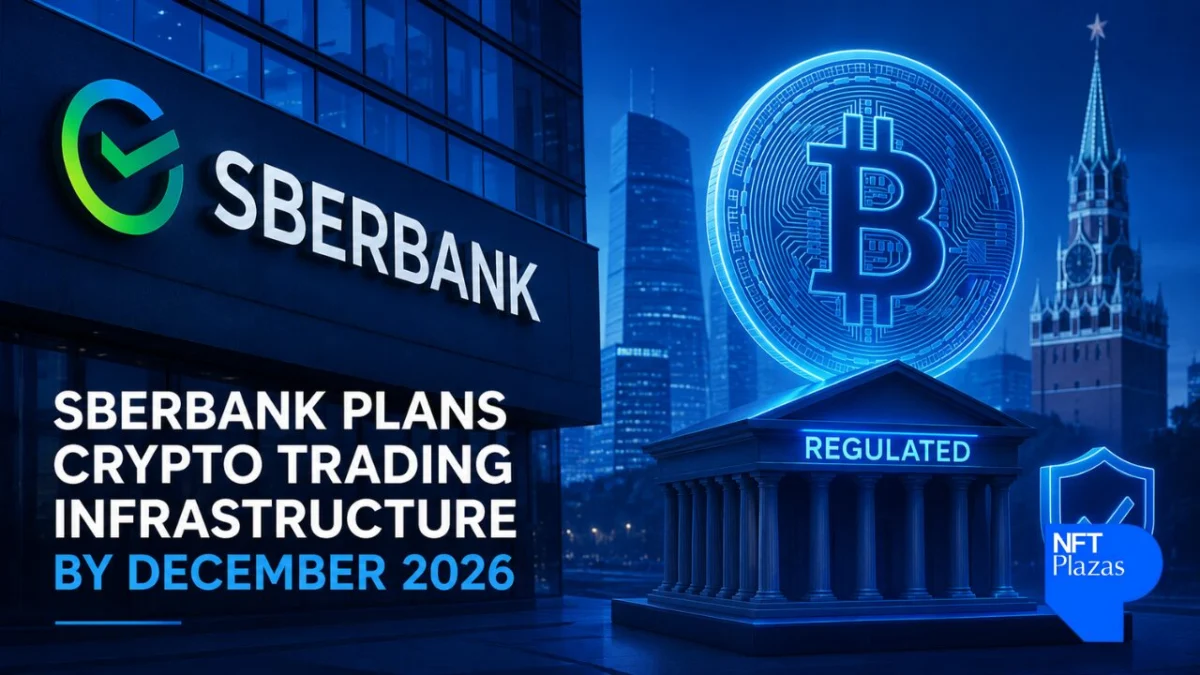
Russia’s largest lender, Sberbank, is poised to launch a comprehensive, regulated cryptocurrency trading infrastructure and digital asset depository by December 1, 2026. This significant development marks a pivotal moment in Russia’s concerted effort to integrate digital assets into its established financial ecosystem, following the recent approval of a new cryptocurrency framework designed to govern these activities under strict government oversight. The initiative signifies a strategic shift by Russian authorities, aiming to foster a controlled environment for digital asset adoption, primarily for investment purposes and carefully managed cross-border settlements, while maintaining the prohibition of cryptocurrencies as legal tender for domestic goods and services.
Sberbank Paves the Way for Regulated Digital Asset Trading
The ambitious project undertaken by Sberbank involves the establishment of a sophisticated digital depository. This entity will be responsible for meticulously recording customer ownership of cryptocurrencies, facilitating a significant portion of transactions away from public blockchain networks, thereby enhancing control and regulatory compliance. In parallel, the bank plans to operate active cryptocurrency wallets, providing users with a secure and regulated avenue to deposit, withdraw, and transfer their digital assets directly through Sberbank’s platform.
This infrastructure is engineered to seamlessly merge the inherent technological capabilities of blockchain with the robust security and control mechanisms characteristic of traditional banking operations. Rather than mandating every transaction to be processed directly on an open ledger, Sberbank’s approach will centralize customer ownership records and settlement functions within its own regulated systems. This model is crucial for meeting stringent compliance, reporting, and custody requirements mandated by the new regulatory landscape.
Alexander Vedyakhin, First Deputy Chairman of Sberbank, has expressed confidence that the necessary infrastructure will be fully developed and operational well ahead of the December launch deadline. While specific details regarding the range of cryptocurrencies that will be supported, the fee structures for users, and the precise eligibility criteria for accessing the platform remain undisclosed, these elements are expected to be finalized as regulatory bodies release further implementation guidelines. The anticipation surrounding these details is considerable, as they will shape the accessibility and appeal of Sberbank’s offering to both retail and institutional investors.
Russia’s Evolving Cryptocurrency Legal Framework
Sberbank’s proactive move into regulated digital asset services follows closely on the heels of the Russian Federation Council’s approval of landmark legislation that officially establishes a regulated cryptocurrency market. This new legal framework meticulously outlines the roles and responsibilities of licensed entities, including brokers, exchanges, banks, asset managers, and digital depositories, permitting them to offer a spectrum of crypto-related services under the vigilant supervision of the Bank of Russia.
The legislation is set to officially come into effect on September 1, 2026. However, financial institutions have been granted an extended period, until July 1, 2027, to secure the requisite licenses and achieve full compliance with the newly established rules. This phased approach allows for a smoother transition and adaptation for the financial sector.
A key feature of the new framework is the stringent criteria set for publicly available cryptocurrency trading. Only assets that meet rigorous liquidity and market capitalization standards will be eligible. Specifically, cryptocurrencies must maintain an average market capitalization exceeding 5 trillion rubles (approximately $64 billion USD) and average daily trading volumes surpassing 1 trillion rubles (around $12.8 billion USD) over a consecutive two-year period. These substantial thresholds are strategically designed to favor well-established and highly liquid digital assets like Bitcoin and Ethereum, while significantly limiting access to smaller, more volatile tokens. This aims to mitigate risks for investors and promote market stability.

The regulation extends to retail investors, who will face specific requirements. Non-qualified investors will be mandated to pass a knowledge assessment before being permitted to purchase eligible cryptocurrencies. Furthermore, they will be subject to an annual investment limit of 300,000 rubles per intermediary. Qualified investors, while also required to complete testing, will benefit from access to a broader array of digital assets without the same investment cap, reflecting a tiered approach to investor protection and market access.
Sberbank’s Deepening Engagement with Digital Assets
The forthcoming regulated platform represents an evolution of Sberbank’s already considerable involvement in Russia’s burgeoning digital asset sector, which spans several years. The bank achieved a significant milestone in 2022 by becoming a registered operator of digital financial assets, empowering it to issue tokenized financial instruments compliant with Russian law. Since then, Sberbank has actively developed and launched structured investment products, notably linked to Bitcoin and other cryptocurrencies, specifically tailored for qualified investors.
Further demonstrating its commitment to integrating digital assets into traditional finance, Sberbank successfully completed a pilot loan transaction in late 2025, secured by Bitcoin collateral. This pioneering initiative was conducted in partnership with Intelion Data, a prominent Russian mining company, showcasing a tangible example of how digital assets can be leveraged within conventional banking products. Prior reports from Reuters had indicated Sberbank’s exploration of regulated cryptocurrency custody services for Russian clients, and the current initiative appears to be a strategic expansion of these earlier plans into a more comprehensive commercial offering.
Russia’s Broader Banking Sector Gears Up for Digital Assets
Sberbank is not an isolated entity in its preparation for Russia’s emerging regulated crypto market. A constellation of other major financial institutions, including VTB, T-Bank, and Alfa-Bank, alongside the Moscow Exchange, are reportedly engaged in the development of their own cryptocurrency custody and trading services in anticipation of the upcoming licensing deadlines. This collective preparedness underscores a systemic readiness within Russia’s financial sector to embrace and operate within the new regulatory paradigm.
The newly enacted framework delineates distinct responsibilities across the financial industry to ensure a structured and transparent ecosystem. Brokers will be tasked with executing customer orders, exchanges will serve as platforms for facilitating trading activities, and licensed digital depositories will assume the critical role of managing custody and maintaining accurate records of ownership rights. Regulators express optimism that this division of labor will significantly enhance transparency, bolster investor protection, and facilitate the seamless integration of cryptocurrency activities into Russia’s existing financial architecture.
This strategic initiative also reflects Russia’s overarching policy of gradually incorporating digital assets into its regulated financial system. In recent years, the country has taken steps such as legalizing cryptocurrency mining and introducing an experimental framework that permits the use of crypto in specific cross-border settlements. These measures, juxtaposed with the continued prohibition of domestic crypto payments, illustrate a carefully calibrated approach to digital asset integration.
Should Sberbank successfully meet its December target, it will position itself as one of the vanguard major banks in Russia to offer a fully integrated platform for regulated cryptocurrency trading, custody, and settlement. This launch is anticipated to serve as a significant milestone in Russia’s digital asset strategy, offering a compelling model for how traditional financial institutions can support and engage with cryptocurrency markets within a robust and comprehensive regulatory framework, moving beyond purely decentralized platforms. The implications for market development, investor confidence, and international financial integration are substantial.