Nila Kartika Wati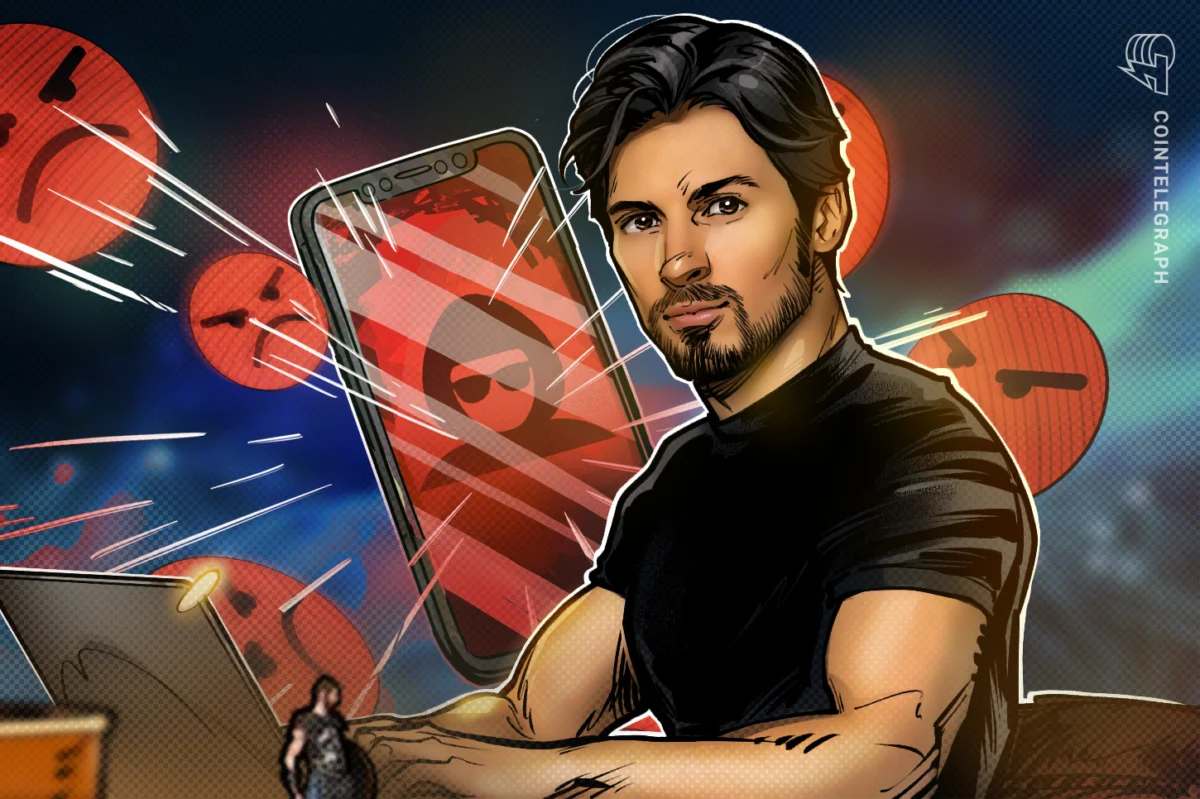
Russian authorities have placed Pavel Durov, the enigmatic founder of the popular messaging application Telegram, on an international wanted list, escalating a long-standing criminal case that accuses him of facilitating terrorist activity. The Federal Security Service (FSB), Russia’s principal security agency, announced on Wednesday that it had formally charged Durov with "facilitating terrorist activity" and subsequently issued an international warrant for his arrest. This development marks a significant intensification of pressure from Moscow on the tech entrepreneur, who has a history of defying state demands for data access and censorship. The allegations specifically claim that Telegram failed to adequately remove channels, chats, and bots that the FSB asserts were utilized by Ukrainian intelligence services, terrorist groups, and extremist organizations to coordinate attacks, recruit operatives, and conduct cyber fraud.
This move by the FSB, reported by local news agency Interfax, comes months after initial reports in February indicated that Russian authorities had opened a criminal case against Durov. At that time, Durov, a vocal advocate for digital privacy and free speech, acknowledged the existence of the case in a post on X (formerly Twitter). He vehemently accused Russian authorities of leveraging the investigation to exert undue pressure on Telegram, stating, “Each day, the authorities fabricate new pretexts to restrict Russians’ access to Telegram as they seek to suppress the right to privacy and free speech.” This public defiance underscores the deep ideological chasm between Durov’s vision for an open, encrypted internet and the Russian state’s increasing efforts to assert control over online information flows.
The announcement also highlights the complex legal landscape Durov navigates globally. Separately, he continues to face an ongoing criminal investigation in France concerning alleged illegal activities facilitated on Telegram’s platform. While French authorities earlier this year lifted travel restrictions that had previously prevented him from leaving the country, the existence of two distinct criminal probes from major international jurisdictions underscores the multifaceted challenges confronting platforms designed for secure, private communication.
The Charges: Allegations of Terrorism Facilitation
The core of the FSB’s accusation against Pavel Durov centers on the claim that Telegram has become a conduit for illicit activities deemed threatening to Russian national security. The charge of "facilitating terrorist activity" under Russian law carries severe penalties and is frequently invoked against individuals and entities perceived as undermining state authority. According to the FSB’s narrative, Telegram’s architecture and its policies on content moderation have allowed it to be exploited by a range of hostile actors. The specific allegations involve channels, group chats, and automated bots allegedly used by entities identified by Russia as Ukrainian intelligence services, various terrorist organizations, and extremist groups. These platforms, the FSB claims, were instrumental in coordinating physical attacks, recruiting new members, and perpetrating cyber fraud schemes targeting Russian citizens and infrastructure.
The Russian state has long grappled with the challenge of monitoring and controlling encrypted communication platforms. Its legal framework, particularly since the implementation of the "Yarovaya Law" package in 2016, mandates telecommunications and internet providers to store user data and provide encryption keys to security services upon request. Telegram, under Durov’s leadership, has consistently refused to comply with such demands, citing user privacy and technical infeasibility. This steadfast refusal has been a persistent source of friction with Russian authorities, leading to previous attempts to block the service within the country. The current charges represent a significant escalation from these prior administrative and technical pressures, moving into the realm of criminal prosecution against the founder himself.
Pavel Durov: A History of Defiance and Digital Freedom
Pavel Durov, born in Leningrad (now St. Petersburg) in 1984, emerged as a prominent figure in the global tech landscape with a strong libertarian ethos. His journey from founding Russia’s largest social media network, VKontakte (VK), to establishing Telegram, is marked by a consistent battle against government overreach and a passionate defense of digital rights.
Durov co-founded VKontakte in 2006, modeling it on Facebook. Under his leadership, VK rapidly grew to become the dominant social media platform in Russia and several other post-Soviet states, amassing hundreds of millions of users. However, his tenure at VK was increasingly marred by clashes with Russian authorities over censorship and data demands. Following mass protests against alleged electoral fraud in 2011-2012, the FSB reportedly pressured Durov to block opposition groups on VK. He famously posted a picture of a dog in a hoodie in response to an FSB demand for user data related to Ukrainian protesters in 2013, illustrating his contempt for state interference.
The pressure intensified, culminating in what Durov described as a forced sale of his stake in VK and his subsequent ousting as CEO in 2014. He publicly stated that he had refused to cooperate with the FSB’s demands to provide personal data of Ukrainian users and to block pages of opposition leader Alexei Navalny. Following his departure, Durov left Russia, declaring he had no plans to return and could not operate under a government that restricted free speech. This pivotal moment cemented his reputation as a staunch defender of internet freedom and set the stage for his next venture.
That same year, in 2013, Durov and his brother Nikolai, a mathematician and programmer, had already launched Telegram. The app was conceived as a secure messaging service, with a strong emphasis on encryption and user privacy – a direct response to what Durov perceived as increasing state surveillance. Telegram quickly gained traction, particularly among users in countries with authoritarian regimes or those concerned about government and corporate snooping. Its commitment to resisting government demands for user data or encryption keys became a cornerstone of its brand identity, attracting a massive global user base that now exceeds 900 million active users worldwide. This history of confrontation and ideological commitment provides crucial context for understanding the current Russian charges against him.
Telegram’s Global Footprint and Content Moderation Challenges
Telegram’s rapid ascent to global prominence can be attributed to several key features: its perceived security, user-friendly interface, and the ability to host large public channels and groups. Its "secret chats" feature offers end-to-end encryption, ensuring that only the sender and recipient can read the messages. While regular cloud chats are encrypted client-server, Telegram maintains it has never disclosed user data to any government. This strong stance on privacy has made it a preferred platform for a diverse range of users, from political dissidents and journalists seeking secure communication to ordinary individuals valuing their digital anonymity.
However, this very architecture has also made Telegram a focal point in the global debate surrounding online content moderation, national security, and digital ethics. While Durov maintains that Telegram strives to remove illegal content, particularly related to child abuse, terrorism, and incitement to violence, its decentralized nature and robust encryption pose significant challenges for law enforcement agencies seeking to monitor or intercept communications. Critics and governments, including Russia, have frequently alleged that these features are exploited by criminal organizations, extremist groups, and state-sponsored actors to plan and execute illicit activities, recruit members, and disseminate propaganda.
The platform’s role in various geopolitical events further illustrates this complexity. During the Arab Spring, it was used by activists to organize protests. More recently, during the ongoing Russia-Ukraine conflict, Telegram has become a crucial information battleground. Both sides use it extensively for official communications, disseminating news, and rallying public support. However, it has also been cited as a tool for disinformation campaigns and, as the FSB alleges, for coordinating illicit activities by various actors. Navigating these conflicting demands – upholding user privacy while combating illicit content – is a tightrope walk that tech companies like Telegram must constantly perform, often leading to clashes with national legal frameworks and security imperatives.
A Pattern of Pressure: Russia’s Standoff with Telegram
The current international arrest warrant against Pavel Durov is not an isolated incident but rather the latest and most aggressive move in a long-running saga of conflict between Telegram and Russian authorities. For years, Russia has sought to rein in foreign-owned internet services operating within its borders, driven by a desire for greater control over information and a perceived need for national security.
The most notable previous confrontation occurred in 2018 when Russia’s internet regulator, Roskomnadzor, initiated a comprehensive attempt to block Telegram across the country. This drastic measure was a direct consequence of Telegram’s refusal to hand over encryption keys to the FSB, as mandated by the Yarovaya Law. The blocking effort, which lasted for over two years, proved largely ineffective. Telegram employed sophisticated anti-censorship techniques, including rotating IP addresses and leveraging cloud services, allowing a significant portion of its Russian user base to continue accessing the platform. The attempt to block Telegram inadvertently highlighted the platform’s resilience and Durov’s technical prowess, ultimately making it a symbol of resistance against internet censorship. Roskomnadzor officially lifted the ban in June 2020, citing Telegram’s expressed readiness to "counter terrorism and extremism" on the platform, though without any indication that Telegram had compromised its encryption principles.
This period of attempted blocking coincided with Russia’s broader legislative push to create a "sovereign internet," designed to isolate its digital infrastructure from the global network if necessary. Laws mandating data localization (requiring foreign companies to store Russian users’ data on servers within Russia) and increasing the state’s technical capabilities to filter and block content have been steadily implemented. These policies reflect a concerted strategy to assert digital sovereignty, which often comes into direct conflict with the global, open nature of the internet and the privacy principles championed by platforms like Telegram.
Durov’s consistent public statements have underscored this ongoing tension. His comments in February regarding Russian authorities fabricating pretexts to restrict access to Telegram and suppress free speech directly connect to this historical pattern of state pressure. The current "facilitating terrorist activity" charge, therefore, represents a significant escalation, shifting from technical blocking attempts and administrative fines to direct criminal charges against the founder, potentially impacting his personal freedom and ability to travel globally.
The International Dimension: Arrest Warrants and Interpol’s Role
The issuance of an international arrest warrant by Russia for Pavel Durov introduces a complex layer of international law and diplomacy. An international arrest warrant, particularly when issued by a national authority, typically signals a request for cooperation from other sovereign states to apprehend and extradite an individual.
Often, such warrants are transmitted through Interpol, the International Criminal Police Organization, which facilitates police cooperation worldwide. If Russia seeks to involve Interpol, it would likely request the issuance of a "Red Notice." A Red Notice is an international alert circulated by Interpol to police worldwide to locate and provisionally arrest a person pending extradition, surrender, or similar legal action. It is not an international arrest warrant itself but a request to law enforcement in member countries to locate and arrest a person.
However, Interpol has strict rules governing the issuance of Red Notices. Article 3 of its constitution explicitly prohibits the organization from undertaking any intervention or activities of a political, military, religious, or racial character. This provision is crucial in cases involving charges from countries with questionable human rights records or where charges are perceived to be politically motivated. Given Durov’s history of defiance against the Russian government, his public statements accusing Russia of political pressure, and the broader geopolitical context, particularly the ongoing conflict with Ukraine, any Russian request for an Interpol Red Notice against Durov would likely face intense scrutiny from Interpol’s General Secretariat and its Commission for the Control of Interpol’s Files (CCF).
Interpol has previously faced criticism for allowing certain member states, including Russia, to issue Red Notices against political dissidents or opponents. Consequently, Interpol has revised its procedures to strengthen oversight and prevent abuse. There is a strong precedent for Interpol to reject or remove Red Notices if there is evidence that the underlying charges are politically motivated rather than genuinely criminal. If Interpol declines to issue a Red Notice, it would significantly limit the practical impact of Russia’s international warrant, as police forces in other countries would not be officially alerted through Interpol’s channels.
Nevertheless, even without an Interpol Red Notice, the Russian warrant could still impact Durov’s ability to travel. If he enters a country that has an extradition treaty with Russia and chooses to recognize the Russian warrant, he could theoretically be detained. However, most Western democracies and many other nations would likely scrutinize the political nature of the charges and the evidence presented before acting on such a request, especially for a high-profile figure like Durov. The likelihood of extradition to Russia from a Western country, particularly given the current geopolitical climate and Russia’s strained relations with many nations, appears low for politically charged offenses.
The French Investigation: A Separate Legal Battle
Adding another layer of legal complexity to Pavel Durov’s situation is the ongoing criminal investigation in France. This separate probe, while distinct from Russia’s terrorism-related charges, also scrutinizes alleged illegal activities occurring on the Telegram platform. Unlike the Russian case, which appears heavily influenced by geopolitical and state control motivations, the French investigation likely focuses on specific criminal content and conduct, such as drug trafficking, child pornography, or incitement to violence, which are common concerns for law enforcement agencies globally regarding encrypted messaging apps.
Reports indicate that Durov was previously subjected to travel restrictions by French authorities, limiting his movements. However, these restrictions were lifted earlier this year, allowing him to leave the country. This decision suggests a potential difference in the trajectory or severity of the French case compared to the Russian one. It could indicate that French authorities are either progressing with their investigation without the need for immediate detention or that their concerns might be addressed through ongoing cooperation or technical measures, rather than seeking an international arrest warrant for the founder.
The coexistence of these two major legal battles – one from Russia, driven by national security and control over information, and another from France, likely centered on specific criminal content – highlights the multifaceted challenges faced by global tech platforms. Durov and Telegram must navigate a patchwork of national laws, differing legal interpretations, and competing demands from sovereign states, all while striving to maintain their core commitment to user privacy and secure communication. The outcomes of these distinct investigations could set precedents for how governments approach the regulation of encrypted messaging services and the accountability of their founders.
Broader Implications for Digital Freedom and Cross-Border Law Enforcement
The international arrest warrant against Pavel Durov and the ongoing legal battles surrounding Telegram carry significant implications for digital freedom, the future of cross-border law enforcement, and the ongoing debate between privacy and national security.
Firstly, for digital freedom advocates, this move by Russia is seen as a concerning escalation in the global trend of states attempting to assert greater control over the internet and suppress independent communication platforms. Telegram, with its strong encryption and anti-censorship stance, has long been a haven for dissidents and activists in authoritarian regimes. The criminalization of its founder for failing to comply with state demands sends a chilling message to other tech entrepreneurs and platforms that prioritize user privacy over state surveillance. It reinforces fears of a "splinternet," where national borders increasingly dictate online experiences and legal frameworks.
Secondly, the case highlights the inherent tension between the principles of end-to-end encryption and the legitimate concerns of law enforcement and national security agencies. While encryption is vital for protecting privacy and securing communications in an increasingly digital world, it also poses challenges for authorities investigating serious crimes, including terrorism. The Durov case underscores the lack of a universally agreed-upon international framework for balancing these competing interests, leading to fragmented legal responses and often confrontational relationships between tech companies and governments.
Thirdly, the role of international bodies like Interpol will be under scrutiny. How Interpol handles Russia’s request for a Red Notice, given the politically charged nature of the allegations and Russia’s history of abusing such mechanisms, will be a test of its commitment to its constitutional principles. A decision to issue or reject a Red Notice could have significant ramifications for the credibility of Interpol and its ability to act as an impartial facilitator of international police cooperation.
Finally, the charges against Durov come amid a heightened geopolitical climate, particularly concerning the Russia-Ukraine conflict. Telegram’s role in this conflict – as a source of information, a tool for mobilization, and allegedly, a platform for illicit coordination – makes it a critical piece in the information warfare landscape. The Russian charges can be viewed through the lens of wartime measures to assert control over narratives and communication channels deemed hostile to the state.
In conclusion, the international warrant for Pavel Durov’s arrest by Russia is more than just a legal development; it is a critical juncture in the ongoing global struggle over digital rights, national security, and the governance of the internet. It encapsulates the complex interplay of technology, geopolitics, and legal frameworks, placing Telegram and its founder at the epicenter of a battle with profound implications for how information flows and how digital liberties are protected in an increasingly interconnected yet fragmented world.