Layla Zulfa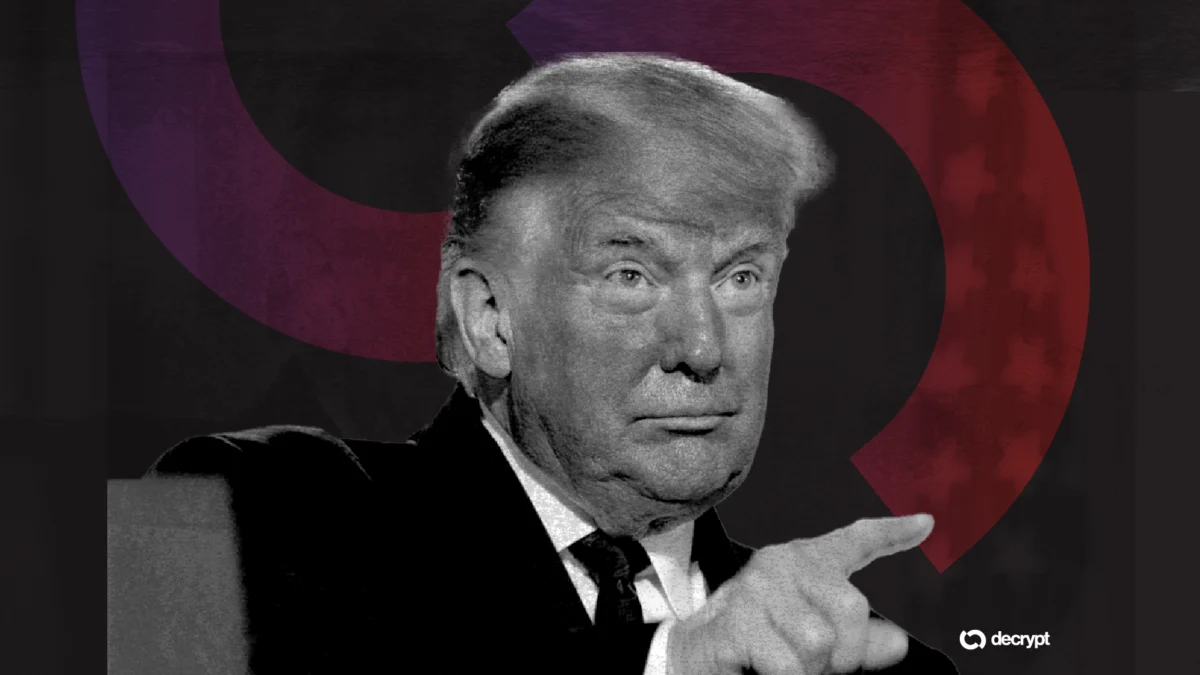
A significant majority of the American public expresses deep concern over the intersection of executive power and private financial gain, according to the latest data regarding President Donald Trump’s involvement in the digital asset market. A new Reuters/Ipsos poll reveals that 63% of Americans believe the President and his family have improperly capitalized on cryptocurrency ventures since his return to the White House. This sentiment highlights a growing friction between the administration’s pro-crypto policy stance and public expectations of ethical transparency in the highest office of the land.
The survey, conducted between August 14 and August 17, 2024, sampled 1,166 adults across the United States. It found that while 32% of respondents viewed the Trump family’s cryptocurrency profits as appropriate, the vast majority viewed the situation through a lens of skepticism. These findings arrive at a critical juncture for the administration, as the President’s private business interests increasingly collide with federal legislative efforts to regulate the burgeoning blockchain industry.
Public Perception and the Partisan Divide
The poll’s data suggests that the controversy over presidential crypto profits is not limited to traditional partisan battlelines, though significant gaps remain. Approximately 69% of all respondents indicated they believe President Trump’s private business interests are actively shaping his official decision-making processes. This group includes an overwhelming 90% of Democrats and a substantial 66% of self-identified independents.
Perhaps most notably, the poll uncovered a fracture within the President’s own base. Roughly 50% of Republicans surveyed admitted they believe the President allows his business interests to influence his executive actions. This internal skepticism presents a unique challenge for a leader who secured his second term on a platform of "draining the swamp" and eliminating the influence of special interests in Washington. Despite this concern, loyalty to the President remains high in other areas; roughly seven in 10 Republicans still maintained that the family’s specific cryptocurrency dealings were appropriate, suggesting that while many supporters acknowledge a potential conflict of interest, they do not necessarily view it as a disqualifying or inherently immoral act.
Financial Disclosures and the $1.4 Billion Windfall
The catalyst for this surge in public scrutiny can be traced back to financial disclosures released earlier this year. These documents provided a rare glimpse into the scale of the President’s digital asset holdings and the profitability of his family’s ventures. According to these filings, President Trump earned more than $1.4 billion through various cryptocurrency-related endeavors.
Central to these earnings is World Liberty Financial (WLF), a decentralized finance (DeFi) platform closely associated with the Trump family, including the President’s sons, Donald Jr. and Eric Trump. Additionally, the President has seen massive returns from self-branded "meme coins" and Non-Fungible Token (NFT) collections. While Trump has historically been a critic of digital currencies—once labeling Bitcoin a "scam" during his first term—his pivot to becoming the "crypto president" during the 2024 campaign has proven to be both a political and financial masterstroke.
The $1.4 billion figure has provided ammunition for political opponents who argue that the President is using the prestige of the White House to pump the value of his private assets. Critics point to the timing of the President’s pro-crypto executive orders and his public endorsements of specific blockchain technologies, noting that such actions often precede significant gains in the value of his personal holdings.
Legislative Pushback: The Clarity Act and Meme Coin Bans
The legislative response to the President’s crypto earnings has been swift and increasingly aggressive. In the Senate, Democrats have leveraged the Reuters/Ipsos poll results to demand a series of high-level hearings into what they describe as "massive presidential crypto profits."
Senator Kirsten Gillibrand (D-NY) has been at the forefront of this movement, introducing a legislative push to bar elected officials from launching or promoting meme coins. "The office of the presidency should not be used as a marketing vehicle for volatile digital assets," Gillibrand stated in a recent press briefing. Her proposed amendment aims to close loopholes in the Ethics in Government Act, which currently lacks specific provisions for decentralized, algorithmically traded assets.
Simultaneously, the Senate is preparing for a pivotal vote on the Clarity Act. This broader regulatory framework for the cryptocurrency industry includes specific provisions designed to restrict the President’s ability to maintain active roles in crypto ventures while in office. The "Clarity Act" would require the President to place all digital assets into a blind trust, a standard practice for previous presidents that Donald Trump has largely eschewed in favor of family-managed structures.
Chronology of the Trump Crypto Evolution
To understand the current ethical impasse, one must look at the timeline of the President’s engagement with the digital asset sector:
- June 2021: During his post-presidency period, Trump expresses skepticism toward Bitcoin, stating it "seems like a scam" and that he prefers the U.S. Dollar.
- December 2022: Trump launches his first NFT collection, signaling a shift in his approach to digital assets. The collection sells out within hours, generating millions in revenue.
- 2024 Campaign: Trump pivots his policy platform, vowing to make the United States the "crypto capital of the world." He begins accepting campaign donations in various cryptocurrencies.
- Late 2024: Following his re-election, the Trump family officially launches World Liberty Financial.
- Early 2025: The President signs several executive orders aimed at reducing the regulatory burden on crypto miners and exchanges.
- May 2025: Financial disclosures reveal the $1.4 billion in earnings, sparking immediate outcry from ethics watchdogs.
- August 2026: The Reuters/Ipsos poll confirms that a majority of the public views these profits as "inappropriate."
The White House Defense and Ethical Counter-Arguments
The White House has consistently rejected any allegations of impropriety. Administration officials argue that the President’s success in the crypto market is a testament to his business acumen and his belief in the technology’s potential to revolutionize the American economy.
White House spokeswoman Anna Kelly issued a firm statement regarding the poll results, asserting that there are no conflicts of interest. "President Trump has always acted in the best interest of the American people," Kelly said. "The President has maintained a clear separation between his official duties and his family’s business interests. His investments are independently managed, and he plays no role in the day-to-day operations of these ventures."
The President’s legal team has also argued that cryptocurrency holdings are no different from owning traditional stocks or real estate. They contend that as long as the President is not personally executing trades from the Oval Office, his involvement in the sector is legal. However, ethics experts argue that the decentralized and highly speculative nature of crypto makes it uniquely susceptible to "pump-and-dump" dynamics when influenced by a figure as powerful as the U.S. President.
Broader Implications and Market Impact
The controversy is expected to have lasting implications for both the 2026 midterm elections and the long-term regulation of the crypto industry. For the Republican party, the poll suggests a potential vulnerability. If independent voters continue to view the President’s financial dealings as a breach of public trust, it could jeopardize the GOP’s hold on both chambers of Congress.
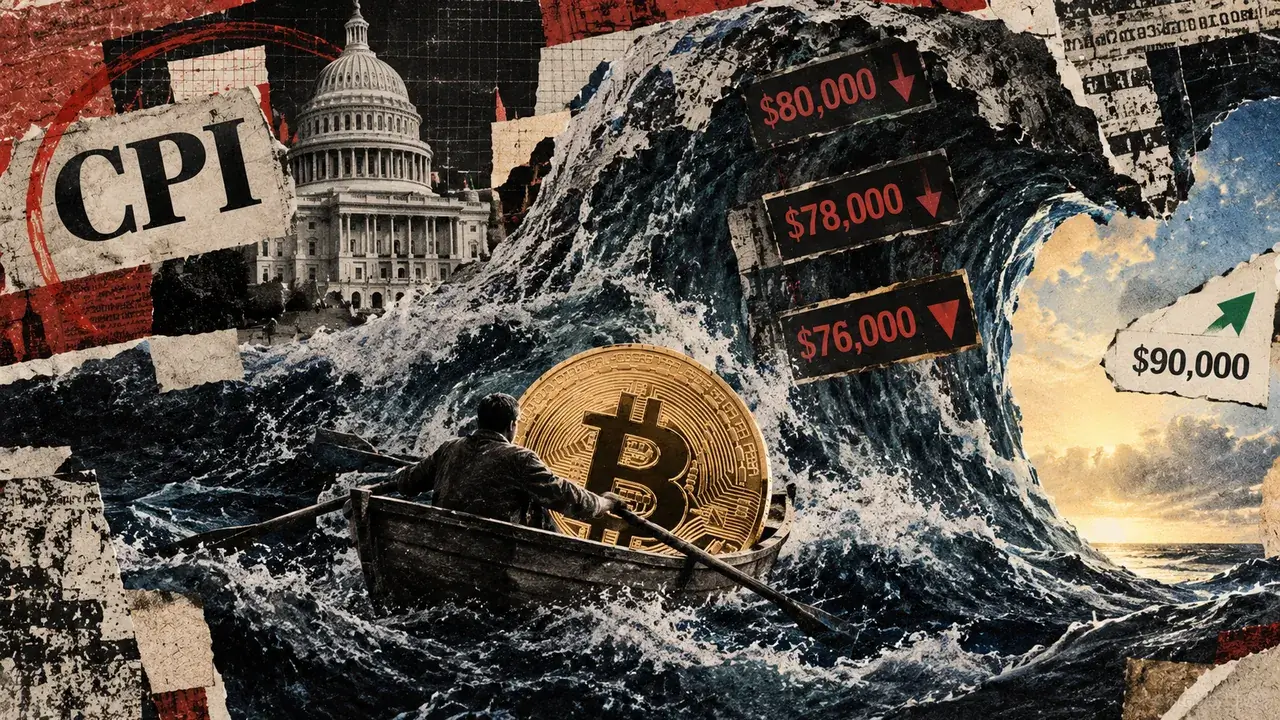
Furthermore, the market itself has reacted to the political climate. The "Trump Premium"—a term used by traders to describe the price surge in assets associated with the President—has shown signs of volatility as the Clarity Act moves closer to a vote. Investors are increasingly wary that a legislative crackdown on presidential crypto ventures could lead to a broader sell-off or increased regulatory scrutiny for the entire DeFi sector.
As the Senate vote on the Clarity Act approaches next month, the debate over presidential ethics in the digital age is reaching a fever pitch. The Reuters/Ipsos poll serves as a stark reminder that while the President may have successfully integrated cryptocurrency into his financial portfolio, he has yet to convince the majority of the American public that doing so is compatible with the ethical demands of his office.
The coming weeks will likely see intensified lobbying from both the crypto industry, which largely supports the President’s deregulatory agenda, and ethics advocacy groups, which are calling for unprecedented transparency. Whether the President will be forced to divest his holdings or if he will continue to navigate the "gray zone" of modern financial ethics remains the central question of his second term. For now, the data is clear: the American public is watching the President’s digital wallet just as closely as his policy decisions.