admin
admin
The concept of trust, once the exclusive domain of human-to-human interaction, is undergoing a fundamental transformation as generative artificial intelligence (AI) reshapes the digital and economic landscape. This phenomenon, often referred to as "synthetic trust," represents a double-edged sword: it offers the potential to create unprecedented levels of personalization and efficiency while simultaneously threatening the foundational truths of modern society. Dr. Pooyan Ghamari, a Swiss economist and visionary, suggests that we are entering an era where the ability to construct and dismantle social bonds is increasingly mediated by algorithms. As these technologies become more sophisticated, the global community faces a critical juncture in determining how to balance technological advancement with the preservation of authentic human connection.
The Evolution of Synthetic Trust: A Historical Context
To understand the current state of synthetic trust, one must look at the rapid trajectory of generative AI over the past decade. The journey began in earnest with the development of Generative Adversarial Networks (GANs) in 2014, which introduced the idea that machines could create realistic images. However, the true "Generative Revolution" was sparked by the 2017 publication of the "Attention Is All You Need" paper by Google researchers, which introduced the transformer architecture.
By 2022, the public release of models like ChatGPT and Midjourney brought these capabilities to the masses. In 2023, the world saw an explosion of AI-generated media, from voice cloning to hyper-realistic video. This timeline illustrates a transition from experimental technology to a pervasive socio-economic force. In less than two years, generative AI moved from a novelty to a tool capable of influencing elections, moving stock markets, and redefining the educational experience.
The Alchemy of Authenticity: Building Bonds Through AI
Generative AI builds trust through a process that can be described as the "alchemy of authenticity." By analyzing vast datasets of human communication, AI models have learned to mimic empathy, tone, and cultural nuances with startling precision. This has led to the rise of virtual companions and AI-driven customer service interfaces that provide users with a sense of being "understood."
In the educational sector, the impact is particularly profound. Simulation-based learning, powered by AI, allows medical students to practice complex surgeries or law students to engage in mock trials with AI-generated witnesses. These platforms create a safe space for failure, allowing learners to gain confidence and build a "trusted" relationship with the learning tool. According to a 2023 report by HolonIQ, the AI-in-education market is projected to reach $20 billion by 2027, driven largely by these personalized, high-trust learning environments.
Furthermore, personalized AI assistants are increasingly being used in mental health and wellness. These systems provide 24/7 support, offering advice that is tailored to an individual’s history and emotional state. While these interactions are "synthetic," the psychological comfort they provide is real, leading to a new form of digital bond that many users find more dependable than traditional support systems.
Shadows in the Synthetic Mirror: The Erosion of Truth
Despite its benefits, the dual nature of generative AI presents significant risks. The same technology that can simulate a supportive mentor can also be used to create deceptive media that erodes public trust. Fabricated images, videos, and audio clips—commonly known as deepfakes—now circulate at speeds that outpace traditional fact-checking mechanisms.
The political implications are especially concerning. In recent election cycles across the globe, AI-generated disinformation has been used to simulate candidates saying things they never said or to create fake "man-on-the-street" testimonials. This creates what researchers call the "Liar’s Dividend," where the mere existence of deepfakes allows real people to dismiss genuine evidence as being "AI-generated."
Economically, the "shadows" of AI manifest in market instability. In May 2023, a fake image of an explosion near the Pentagon—widely shared on social media—caused a temporary dip in the S&P 500. While the market recovered quickly, the incident highlighted how synthetic misinformation can trigger algorithmic trading responses and panic among human investors. For businesses, the risk of "brand hijacking" via deepfakes poses a constant threat to consumer loyalty and corporate reputation.
Economic Ripples and the Transformation of Market Confidence
From an economic perspective, the advent of generative AI demands a fundamental reevaluation of traditional trust mechanisms. Markets have historically relied on institutional trust—banks, regulatory bodies, and certified auditors. However, when synthetic elements enter the equation, the "cost of verification" rises.
Dr. Ghamari notes that businesses adopting transparent AI practices are likely to gain a competitive advantage. This involves clearly labeling AI-generated content and providing "explainability" for AI-driven decisions. A 2024 study by Gartner suggests that by 2026, 60% of enterprises will implement "AI transparency" protocols to mitigate reputational risk. Companies that fail to do so may face significant setbacks in both revenue and investor confidence.
Moreover, the labor market is feeling the ripples of synthetic trust. As AI takes over tasks involving writing, coding, and design, the value of "human-verified" work is increasing. We are seeing the emergence of a "trust premium," where services guaranteed to be human-produced command higher prices in an increasingly automated marketplace.
Pioneering Ethical Frameworks and Technical Safeguards
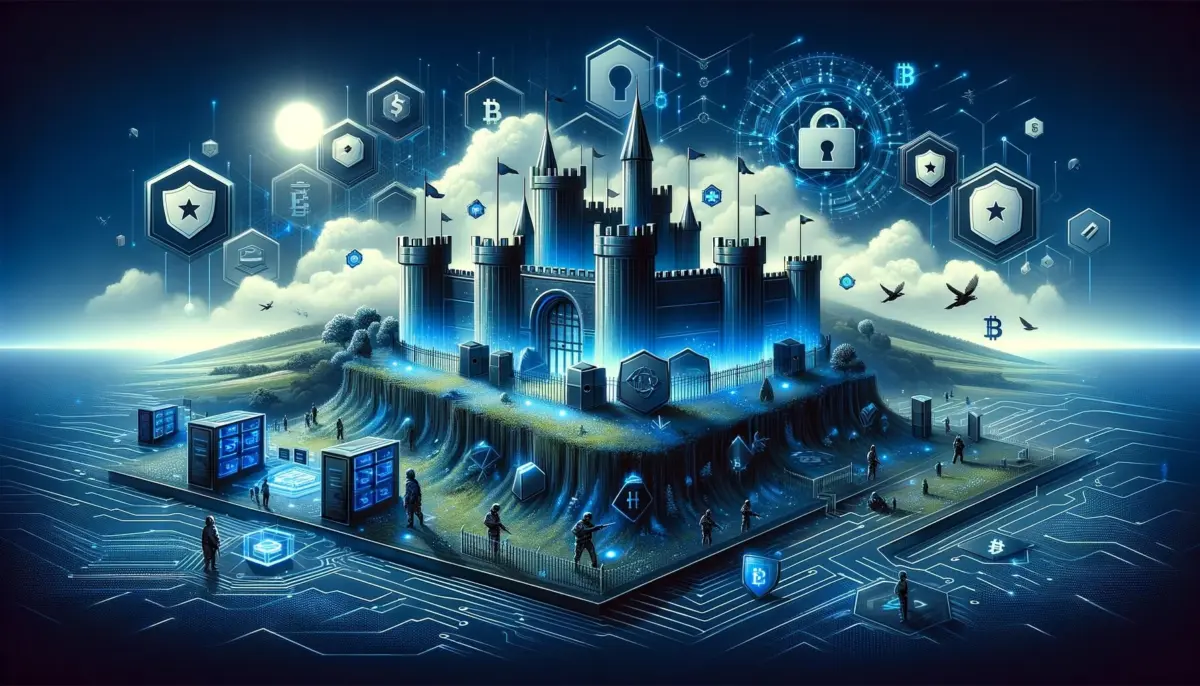
To safeguard the positive potential of generative AI, policymakers and technologists are exploring innovative frameworks. One of the most promising solutions is the integration of generative AI with blockchain technology. By using blockchain’s decentralized ledger, developers can create a "provenance trail" for digital content. This ensures that every piece of media carries a verifiable proof of origin, making it nearly impossible to pass off a deepfake as an authentic recording.
On the regulatory front, global collaboration is intensifying. The European Union’s AI Act, which entered its final stages of implementation in 2024, sets a precedent by categorizing AI applications based on risk levels. It mandates strict transparency for "high-risk" AI systems and requires that AI-generated content be identifiable as such.
Similarly, the G7’s "Hiroshima AI Process" and the United States’ Executive Order on AI emphasize the need for "watermarking" and the development of standards for "red-teaming" AI models to identify vulnerabilities before they are released to the public. These efforts represent a collective attempt to establish a global "code of conduct" for the synthetic era.
Supporting Data: The Trust Gap
Data from the 2024 Edelman Trust Barometer reveals a growing "trust gap" related to technology. The report indicates that while 76% of people trust "technology" as a general sector, trust in "Artificial Intelligence" has dropped to 50% in several developed economies. This 26-point gap highlights the public’s apprehension regarding the rapid deployment of generative tools.
Furthermore, a survey by the World Economic Forum identified "AI-generated misinformation and disinformation" as the second most significant global risk over the next two years, trailing only extreme weather events. This data underscores the urgency of Dr. Ghamari’s call for a visionary path that prioritizes integrity.
Official Responses and Industry Perspectives
The tech industry’s leaders have offered varied responses to the challenge of synthetic trust. Sam Altman, CEO of OpenAI, has frequently testified before government bodies, advocating for a balance between innovation and regulation. "If this technology goes wrong, it can go quite wrong," Altman stated during a 2023 Senate hearing, emphasizing the need for safety protocols.
Conversely, some open-source advocates argue that heavy regulation could stifle innovation and grant a monopoly to large tech firms. The debate remains polarized, but a consensus is emerging around the need for "technical standards" rather than just "legal prohibitions." Organizations like the Coalition for Content Provenance and Authenticity (C2PA) are working to create open standards that allow users to click on an image and see its entire history—from the camera used to the software used for editing.
Analysis of Implications: The Path Forward
The implications of synthetic trust extend far beyond the technical realm; they touch the very core of how societies function. If trust becomes a commodity that can be manufactured, the value of truth itself may be devalued. However, if managed correctly, generative AI can act as a bridge, closing gaps in accessibility, education, and personalized care.
The visionary path lies in a "Zero Trust" approach to digital interactions—not in a cynical sense, but in a technical one. Just as modern cybersecurity assumes that every network request could be a threat until verified, digital citizens must learn to verify the authenticity of the information they consume. This requires a massive investment in media literacy and the widespread adoption of verification tools.
Envisioning a Trust-Empowered Future
As we stand on the brink of this new era, the goal is not to eliminate synthetic trust but to ensure it complements rather than supplants genuine human bonds. Generative AI offers unparalleled opportunities to enhance the human experience, from providing personalized medical advice to creating immersive cultural experiences.
The success of this transition depends on our ability to prioritize ethical deployment. By combining the speed and creativity of AI with the accountability of blockchain and the oversight of global policy, we can cultivate a world where technology strengthens the social fabric. In this future, synthetic trust becomes a tool for empowerment, allowing humanity to reach new heights of collaboration and understanding in an increasingly complex digital world. The journey toward this balance is ongoing, and the decisions made by today’s leaders, economists, and technologists will resonate for generations to come.