Nila Kartika Wati
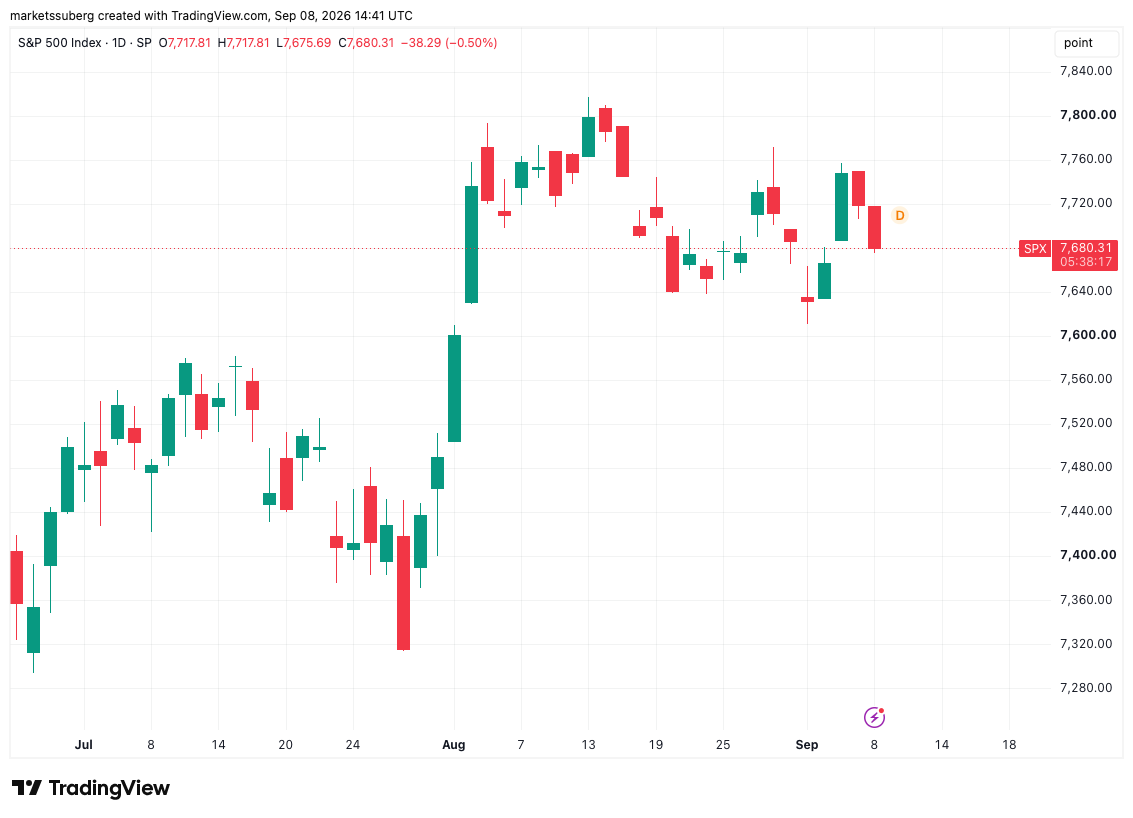
Bitcoin (BTC) experienced a notable decline, dropping below the critical $78,000 threshold during Tuesday’s Wall Street open, as a renewed surge in Middle East tensions triggered a broad sell-off across risk assets. This downturn saw the flagship cryptocurrency reaching its lowest levels since early September, underscoring its growing susceptibility to global geopolitical and macroeconomic shifts. The immediate catalyst was a series of Houthi strikes targeting Saudi Arabian cities and vital oil infrastructure, which sent crude oil prices soaring and injected significant volatility into financial markets still grappling with persistent inflation concerns and the specter of further interest rate hikes.
Immediate Market Reactions: Bitcoin and Equities Feel the Pressure
The digital asset market reacted swiftly and negatively to the geopolitical developments. Data from TradingView indicated that BTC/USD fell as low as $77,600 before a modest recovery attempted to stabilize the price. This dip marked Bitcoin’s weakest performance since September 3rd, interrupting a period of relative stability and highlighting the market’s sensitivity to external shocks. The cryptocurrency, often touted as a decentralized alternative to traditional finance, demonstrated a clear correlation with conventional risk assets, mirroring the downward trend observed in major equity indices.
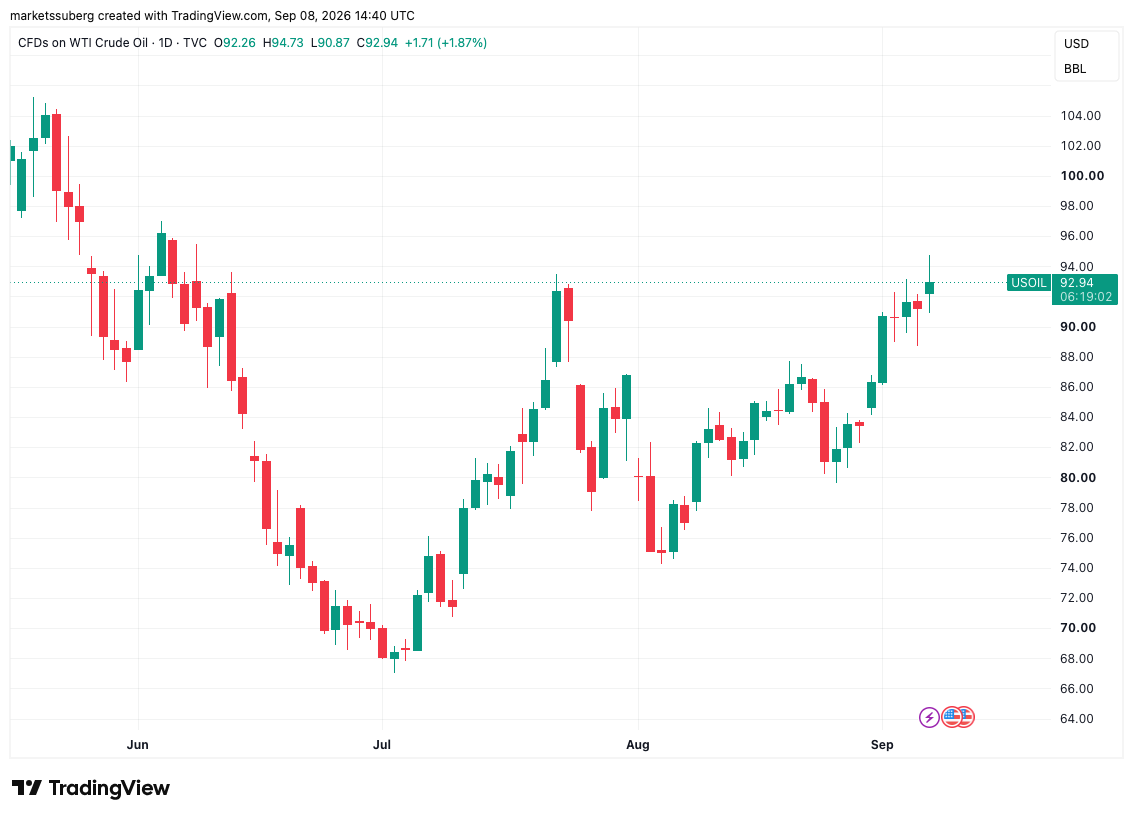
Simultaneously, U.S. stock markets, resuming trading after the Labor Day holiday, opened lower. The S&P 500, a benchmark for large-cap U.S. equities, registered a decline of approximately 0.5% at the time of reporting. The tech-heavy Nasdaq Composite Index, known for its concentration of growth stocks, also slid by about 0.4%. These movements signaled a broader retreat from risk, with investors seeking safer havens amidst the heightened uncertainty. The initial trading session post-holiday often sets the tone for the week, and the immediate negative reaction underscored the gravity with which market participants viewed the Middle East developments.

Geopolitical Catalyst: Houthi Strikes and Regional Instability
The primary driver behind the market’s anxious reaction was the news of Houthi militant strikes on Saudi Arabian targets. Specifically, reports indicated that Houthi forces launched drone and missile attacks against Saudi cities and, critically, its oil infrastructure. The Houthis, an armed political and religious movement from Yemen, have been engaged in a protracted conflict with the Saudi-led coalition since 2014. These attacks are a recurring feature of the Yemen conflict, but their timing and apparent success in rattling global markets were particularly impactful.
The targeting of oil infrastructure is especially significant given Saudi Arabia’s role as one of the world’s largest oil producers and exporters. Any perceived threat to its production or export capabilities immediately impacts global oil supply forecasts and, consequently, prices. The latest strikes escalated concerns about the stability of oil supplies from the crucial Middle East region, reigniting fears of a broader regional conflict that could severely disrupt global energy markets. This geopolitical flashpoint quickly translated into economic anxiety, permeating various asset classes from crude oil to cryptocurrencies.
Oil Market’s Pronounced Surge: A Direct Consequence
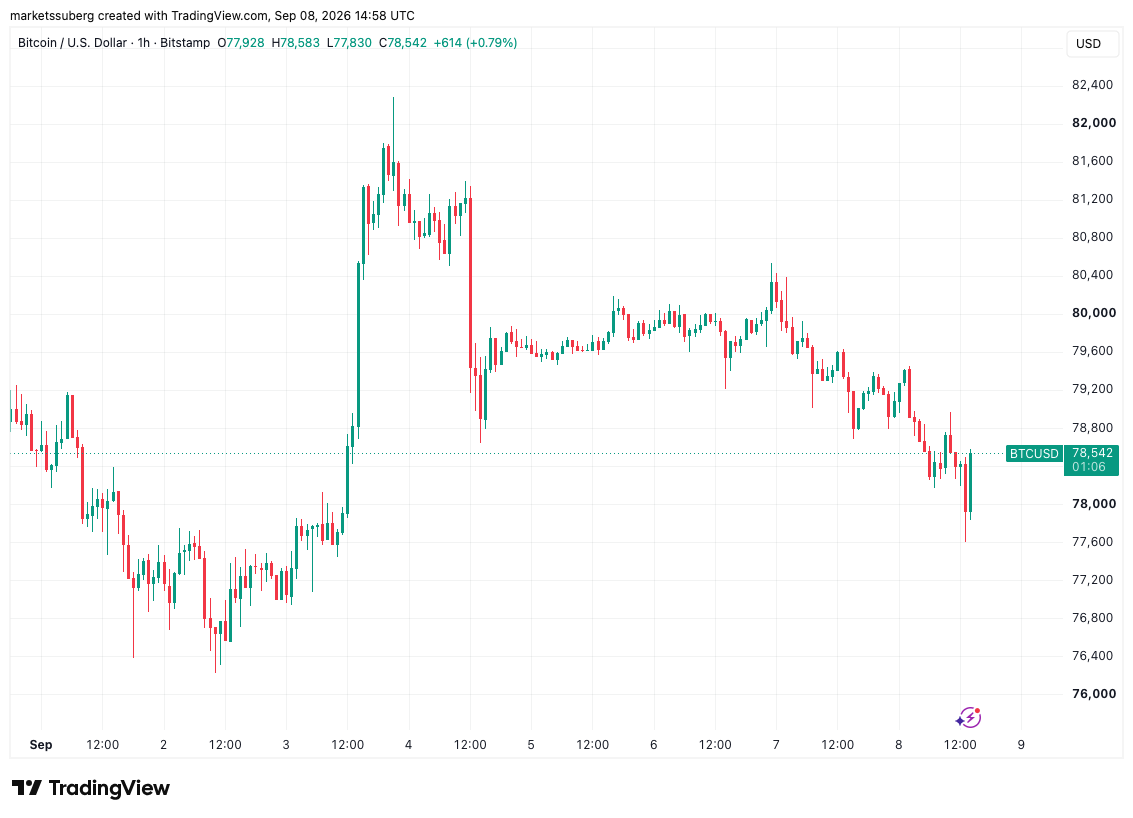
While Bitcoin and equities saw significant dips, the most pronounced reaction was observed in the oil markets. West Texas Intermediate (WTI) crude oil, the U.S. benchmark, surged dramatically, heading towards $95 per barrel. This marked its highest price point since June 8th, reflecting the direct threat to supply posed by the attacks. Brent crude, the international benchmark, followed suit, targeting the psychologically significant $100 per barrel mark for the first time since July 24th.
The rapid escalation in oil prices is a direct consequence of the market’s assessment of increased supply risk. Higher oil prices have far-reaching economic implications, contributing directly to inflationary pressures across the globe. For consumers, this translates to higher costs at the pump and increased expenses for goods and services due to elevated transportation costs. For businesses, it means higher operational expenses, potentially squeezing profit margins and leading to price increases for end products. The swift rise in oil benchmarks served as a stark reminder of the global economy’s enduring vulnerability to geopolitical events in energy-rich regions.
Inflationary Pressures and the Broader Economic Outlook
The surge in oil prices immediately rekindled anxieties about inflation, a concern that has dominated central bank policies and market sentiment for an extended period. The trading resource The Kobeissi Letter highlighted this connection, noting that "inflation expectations continue to mount as a result" of the record rise in U.S. diesel prices. Diesel, a critical fuel for transportation and industrial activity, saw its prices climb significantly, indicating a direct pass-through of crude oil costs to the broader economy.
This development is particularly pertinent given the upcoming release of the Consumer Price Index (CPI), a key inflation gauge, scheduled for Friday. Recent CPI prints have shown persistent inflationary trends, leading to speculation about the Federal Reserve’s future monetary policy decisions. Higher-than-expected inflation figures, exacerbated by rising energy costs, could pressure the Fed to maintain a hawkish stance or even consider more aggressive interest rate hikes. Such measures, while intended to curb inflation, also carry the risk of slowing economic growth, potentially pushing economies towards recession. The interplay between geopolitical events, energy prices, and central bank policy creates a complex and challenging environment for investors and policymakers alike.
Political Commentary on Energy Prices: Trump’s Perspective
Amidst the rising oil prices and mounting inflation concerns, former U.S. president Donald Trump offered his perspective on the situation. In a post on Truth Social on Monday, Trump downplayed the immediate impact of the oil spike, instead focusing on future price declines under a different geopolitical scenario. He stated, "Oil prices will drop precipitously, like everything else is dropping (but more!), when we WIN the war with Iran. Three Dollars a gallon, but ultimately, below Two Dollars a gallon."
Trump’s statement, characteristic of his public commentary, links oil prices directly to his foreign policy stance and potential future actions regarding Iran. While offering a long-term optimistic outlook on energy costs, his remarks do not address the immediate market dynamics or the current geopolitical tensions driving the price increases. Such political statements often aim to shape public perception and rally support, but their direct impact on immediate market movements is typically limited compared to actual supply-demand fundamentals and geopolitical realities. Economists and market analysts tend to focus on concrete data and policy actions rather than speculative political pledges when assessing energy market trajectories.
Bitcoin’s Technical Landscape: A Troubling Analogy
Beyond the macroeconomic and geopolitical factors, technical analysts were closely scrutinizing Bitcoin’s price action. Trader and analyst Rekt Capital adopted a cautious tone, drawing a concerning parallel between the current BTC price movement and its "failed May breakout." This comparison is particularly relevant for understanding potential future price trajectories.
In May, Bitcoin had reached an impressive $82,800 before encountering significant resistance and reversing course. Following this reversal, it consolidated around the $78,300 level, attempting to establish support. However, this level ultimately failed to hold, leading to a substantial drop to new macro lows near $57,000. Rekt Capital highlighted this historical precedent, noting in a post on X (formerly Twitter) that "The retest of ~$78300 is now in progress." This retest refers to Bitcoin’s current struggle to maintain support above this critical price point.
The implication of this technical analysis is significant. If Bitcoin fails to hold the $78,300 level as support again, similar to what occurred in May, it would signal a "breakdown." A weekly close below $78,300, followed by a bearish retest where the price briefly attempts to recover but then falls back, would likely confirm this breakdown. Such a scenario, according to Rekt Capital, would seal another "lower high" in a series stretching back to October 2025. A consistent pattern of lower highs is a classic indicator of a bear market, suggesting that Bitcoin’s "2026 bear market" would remain firmly entrenched, potentially leading to further significant price depreciation. The $78,300 level, therefore, represents a crucial battleground for bulls and bears, with its outcome having considerable implications for Bitcoin’s short-to-medium term price action and overall market sentiment.
Broader Market Implications and Investor Sentiment
The confluence of geopolitical instability, rising energy costs, and persistent inflation concerns creates a challenging environment for investors across all asset classes. For Bitcoin, its recent price action reinforces the debate about its role in a diversified portfolio. While some proponents argue for its status as a "digital gold" or inflation hedge, its increasing correlation with traditional risk assets, particularly in times of global uncertainty, suggests it behaves more like a growth stock. This dynamic means that when traditional markets face headwinds, Bitcoin is often dragged down with them, rather than serving as an uncorrelated safe haven.
The current market climate emphasizes the importance of risk management and diversification. Investors are likely to become more cautious, potentially shifting capital from riskier assets like cryptocurrencies and growth stocks into more stable alternatives such as government bonds or even certain commodities (other than oil, which is currently a source of volatility). The broader economic implications extend to potential impacts on corporate earnings, consumer spending, and global trade, all of which could be negatively affected by sustained high energy prices and inflationary pressures. Central banks around the world will be closely watching these developments as they weigh their next monetary policy decisions, with the potential for further interest rate hikes remaining a significant concern for market participants.
Looking Ahead: Key Watchpoints
As markets navigate this period of heightened uncertainty, several key watchpoints will be crucial. The immediate focus will be on the Consumer Price Index (CPI) release on Friday, which will provide fresh data on inflation and likely influence the Federal Reserve’s stance. Beyond economic data, geopolitical developments in the Middle East will remain a primary concern. Any further escalation of hostilities or threats to oil supplies could trigger additional market volatility.
For Bitcoin specifically, technical levels, particularly the $78,300 support, will be closely monitored by traders. A decisive break below this level could signal further downside, while a strong rebound and consolidation above it might alleviate some immediate bearish pressure. The interplay between traditional markets, geopolitical events, and the cryptocurrency ecosystem will continue to shape the narrative, underscoring the interconnectedness of the global financial landscape.
This article is produced in accordance with Cointelegraph’s Editorial Policy and is intended for informational purposes only. It does not constitute investment advice or recommendations. All investments and trades carry risk; readers are encouraged to conduct independent research.