
 admin
admin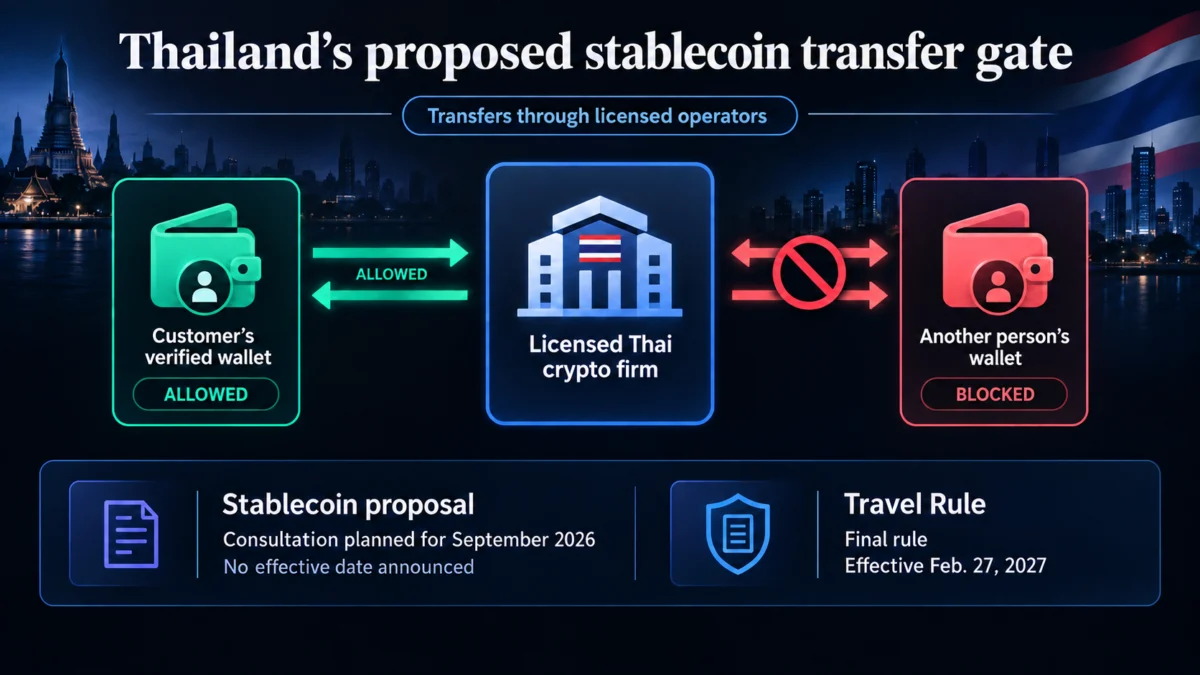
Thailand’s Securities and Exchange Commission (SEC) has unveiled a significant regulatory proposal that would impose a strict "same-owner" requirement for stablecoin transfers processed by licensed digital asset operators. This measure, currently in the public consultation phase, aims to curtail money laundering, cybercrime, and illicit international money transfers by significantly narrowing the channels through which users can move stablecoins like USDT. If enacted, the rule would prevent licensed crypto firms from facilitating stablecoin deposits from or withdrawals to accounts not verifiably belonging to the platform’s customer.
The proposed regulations stem from observations of a dramatic surge in stablecoin transaction volumes and values within Thailand, with Tether (USDT) identified as a primary vehicle for these activities. The SEC has expressed concerns that this growth, coupled with existing patterns of financial activity, presents potential risks that necessitate tighter controls. The consultation period, which commenced on September 11th and is set to conclude on September 25th, 2026, allows stakeholders to provide feedback on the proposed changes before they are finalized. No definitive effective date has been announced for the implementation of these stablecoin restrictions, leaving the industry in a state of anticipation.
The "Same-Owner" Mandate: A New Gatekeeping Mechanism
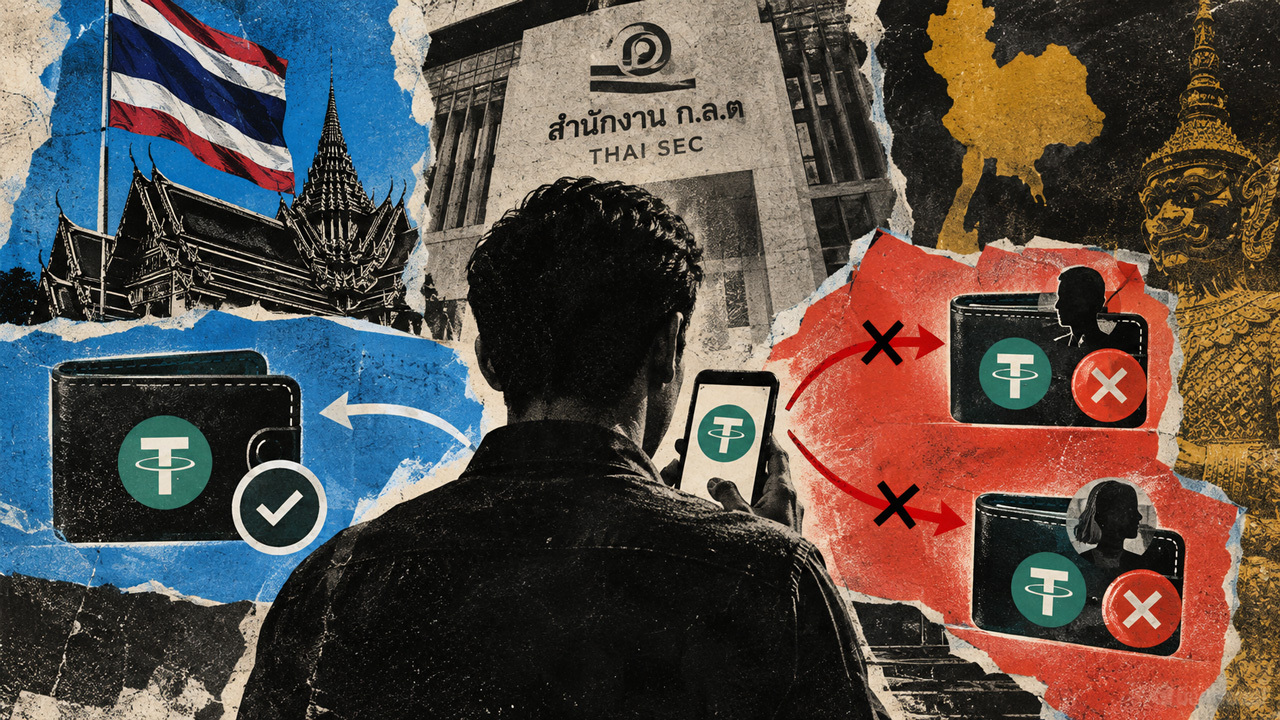
At the core of the SEC’s proposal is a stringent stipulation that licensed digital asset operators must ensure all stablecoin deposits and withdrawals are conducted between accounts verified as belonging to the same individual customer. This means that a Thai SEC-supervised platform would be prohibited from accepting a stablecoin deposit originating from a wallet owned by a different individual, nor could it send stablecoins to a wallet that is not definitively linked to the account holder initiating the transaction.
This proposed ownership verification mechanism is designed to act as a critical gateway, ensuring that funds remain within the purview of the originating customer. The restriction is specifically targeted at transactions occurring through regulated entities, not at peer-to-peer transfers that bypass these licensed platforms entirely. The intention is to create a clear audit trail and prevent the use of regulated channels for obfuscating the origin or destination of funds.
Operational Framework and Daily Limits
The SEC’s consultation principles, approved by the SEC Board on September 3rd, detail the operational implications of the proposed rule. Beyond the same-owner requirement, the proposal also mandates that the value of stablecoin transfers must be consistent with a customer’s declared income sources and overall financial standing. This adds a layer of financial due diligence to stablecoin transactions, potentially flagging unusual or disproportionately large movements of funds.
Furthermore, the proposal introduces daily transaction limits for stablecoin transfers. Both inbound and outbound transfers would be capped at 5 million Thai baht per person, per operator, per day. This daily limit aims to mitigate the immediate impact of any illicit financial flows that might slip through other control measures.
However, the proposal does outline certain exemptions to these daily caps. Transfers between customer accounts conducted through SEC-supervised operators are exempt, provided that both involved firms adhere to the Travel Rule. Additionally, the consultation paper mentions exemptions for specific operator business transfers, designated Bank of Thailand-authorized operators, and market makers in stablecoin and baht markets. The precise interplay between these cap waivers and the same-owner test remains a point of clarification that the consultation period is expected to address, potentially leading to further refinements in implementation details.
Rationale Behind the Regulatory Push
The SEC’s initiative is a direct response to the burgeoning stablecoin market in Thailand and the perceived risks associated with its rapid expansion. Data indicates a significant escalation in both the volume and monetary value of stablecoin transactions, with USDT consistently emerging as the dominant asset in this ecosystem. This growth has, according to the SEC, highlighted potential vulnerabilities that could be exploited for illicit purposes.
Key concerns articulated by the commission include the heightened risk of money laundering, where stablecoins could be used to move illicit funds anonymously and rapidly across borders. The rise of cybercrime, including phishing scams and ransomware attacks that often demand payment in cryptocurrencies, also contributes to the need for stricter controls. Moreover, the SEC is keen to prevent the circumvention of established regulations governing international money transfers, which are designed to ensure compliance with anti-financial crime frameworks. By imposing a same-owner rule, the SEC aims to create a more transparent and traceable flow of assets, making it more difficult for malicious actors to operate undetected.
Integration with Existing Regulatory Frameworks: The Travel Rule
It is crucial to note that this proposed stablecoin ownership rule is intended to function as a distinct but complementary measure to Thailand’s finalized Travel Rule. The Travel Rule, which officially takes effect on February 27th, 2027, mandates that digital asset operators collect comprehensive information about all parties involved in a transaction. This includes details about the sender, the recipient, and the nature of the transaction. It also requires these operators to perform counterparty checks and, in certain instances, verify the ownership or control of self-hosted wallets.
While the Travel Rule focuses on information gathering and due diligence across the transaction lifecycle, the proposed stablecoin ownership rule adds a more prescriptive layer specifically for stablecoin transfers. When a stablecoin transaction involves a licensed operator, the new rule imposes a direct constraint: the external wallet sending or receiving the stablecoins must be verifiably owned by the same customer who is utilizing the regulated platform. This creates a layered approach to regulation, with the Travel Rule providing broad information requirements and the stablecoin proposal enforcing a specific ownership linkage for a particular asset class.

Broader Implications for the Thai Crypto Landscape
The potential implementation of this same-owner requirement could have significant repercussions for the Thai cryptocurrency market and its users. For individuals who regularly engage in peer-to-peer stablecoin transfers, perhaps for remittances or as a common method of payment among friends and family, the new rules could introduce considerable friction. The necessity of verifying ownership for every inbound and outbound transfer via a licensed operator could complicate straightforward transactions and potentially lead some users to seek alternative, less regulated channels.
This regulatory tightening also signals a broader trend among global financial authorities to exert greater control over the cryptocurrency space, particularly concerning stablecoins which aim to maintain a stable value relative to fiat currencies. By focusing on ownership verification, Thailand is aligning itself with international efforts to enhance the transparency and security of digital asset transactions, thereby bolstering its reputation as a jurisdiction committed to combating financial crime.
The daily transaction cap of 5 million baht, while substantial, could also impact larger-scale users or businesses that rely on stablecoins for their operations. The exemptions provided for certain market participants and inter-operator transfers suggest a recognition of the need to maintain market liquidity and facilitate legitimate business activities, but the exact scope and application of these exemptions will be critical.
Stakeholder Reactions and Future Outlook
While the SEC has opened the floor for public consultation, specific reactions from industry players and user groups are still emerging. Generally, the crypto industry advocates for clear and consistent regulations that foster innovation while mitigating risks. However, proposals that significantly restrict common usage patterns, such as inter-personal transfers, often face scrutiny regarding their practical implementation and potential impact on user experience.
The SEC’s proactive stance in addressing perceived risks associated with stablecoins, particularly USDT, underscores a growing maturity in Thailand’s approach to digital asset regulation. The move towards requiring same-owner verification for stablecoin transfers is a notable step, reflecting a global push for greater accountability and traceability within the digital asset ecosystem. The coming weeks and months, as the consultation period progresses and feedback is considered, will be crucial in shaping the final form of these regulations and their ultimate impact on Thailand’s burgeoning cryptocurrency market. The clarity on the effective date will also be eagerly awaited by all participants. Until final rules are issued, the proposed same-owner restriction remains a proposal, subject to change based on stakeholder input and further regulatory review. The SEC’s commitment to transparency in this process, by opening the proposal for public comment, is a positive indicator for the development of a well-regulated digital asset environment in Thailand.








