 Lina Irawan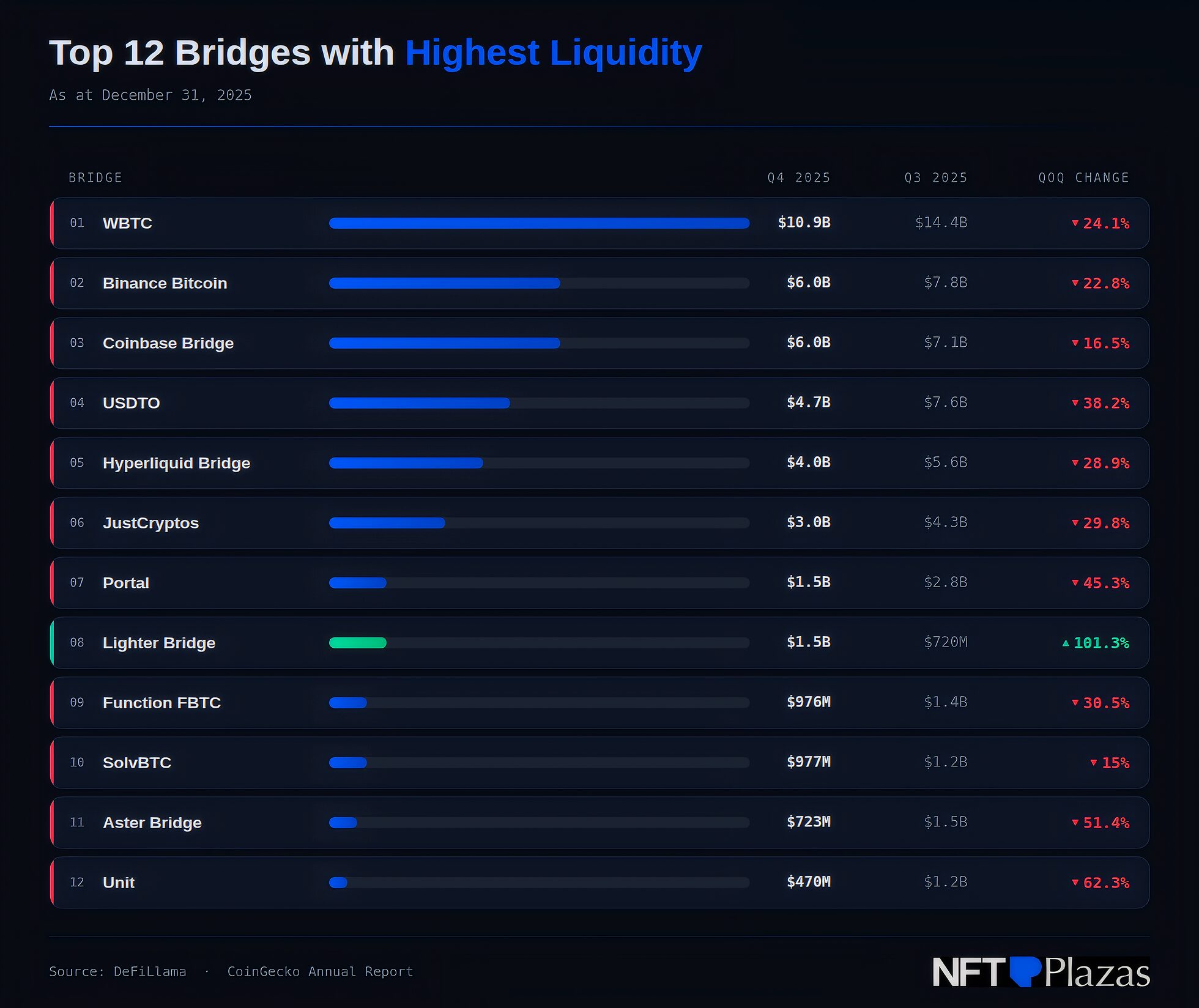
The decentralized finance (DeFi) ecosystem continues its trajectory of significant expansion and innovation, as evidenced by recent data and market analyses. As of mid-2025, the Total Value Locked (TVL) across various DeFi protocols demonstrates substantial growth, while simultaneously revealing shifts in dominance among key players and emerging sectors. This report delves into the current landscape of DeFi, highlighting market size, top-performing protocols, regional adoption, key sectors, and critical security considerations.
DeFi Market Share and Dominance
The decentralized finance market is a complex web of interconnected protocols and applications, each vying for user engagement and capital. Understanding the market share by protocol type, end-user, components, and applications provides a comprehensive view of the ecosystem’s evolution. While specific granular data for these categories was not provided in the initial prompt, the overall trend indicates a maturing market with increased institutional interest and a growing number of retail users leveraging decentralized financial services.
Top Blockchains and Protocols
The performance of DeFi protocols is often measured by their Total Value Locked (TVL), a metric representing the total amount of assets deposited and staked within a protocol. As of June 2025, data from DeFiLlama paints a clear picture of the leading protocols:
Top 10 DeFi Protocols by Total Value Locked (TVL) – June 2025
| Rank | Name | Number of Blockchains | TVL | 30-Day Change |
|---|---|---|---|---|
| 1 | Aave | 13 | $24.4 billion | +19.78% |
| 2 | Lido | 5 | $22.6 billion | -19.81% |
| 3 | EigenLayer | 1 | $10.9 billion | -20.53% |
| 4 | Sky | 1 | $5.855 billion | +55.59% |
| 5 | Ethena | 1 | $4.856 billion | -26.38% |
| 6 | Spark | 3 | $4.392 billion | +95.54% |
| 7 | ether.fi | 1 | $4.252 billion | -14.75% |
| 8 | Uniswap | 30 | $3.817 billion | -4.60% |
| 9 | JustLend | 1 | $3.571 billion | +2.39% |
| 10 | Pendle | 10 | $2.872 billion | -38.36% |
Analysis of TVL Trends:
Aave maintains its position as the leading protocol by TVL, showcasing resilience and continued user trust across its multi-chain presence. The significant positive growth for Aave in the 30-day period suggests strong inflows, potentially driven by new product offerings or increased demand for its lending and borrowing services. Conversely, Lido experienced a notable decline, indicating potential shifts in liquid staking preferences or a broader market correction affecting staked assets. EigenLayer, a prominent player in restaking, also saw a dip, which could be attributed to market volatility or increased competition.
The substantial percentage increases for Sky (+55.59%) and Spark (+95.54%) highlight their rapid ascent within the DeFi landscape. These gains suggest successful scaling, innovative features, or perhaps a strategic focus on specific market niches that are currently experiencing high demand. Uniswap, a cornerstone of decentralized exchanges, shows a relatively stable TVL with a minor decrease, reflecting its established position and consistent trading volume despite broader market fluctuations. Pendle, a yield-trading protocol, experienced a significant drawdown, which could be linked to changing interest rate environments or shifts in speculative strategies.

Top 5 DeFi Protocols by Revenue – December 2025
Beyond TVL, protocol revenue offers a crucial perspective on economic sustainability and value generation. Data compiled by DefiLlama and Binance Research as of December 31, 2025, reveals the top revenue-generating protocols:
| Protocol | Sector | Estimated 2025 Fee Revenue | Network | Main Revenue Source |
|---|---|---|---|---|
| Meteora | Liquidity / DEX | US$1.25B | Solana | Efficient DLMM model for volatile assets |
| Jupiter | Aggregator / Perpetuals | US$1.1B | Solana | Aggregated routing and high-leverage perpetual trading |
| Uniswap | Decentralized Exchange | US$1.06B | Ethereum / Multi-chain | Large long-tail trading volume and V3/V4 pool fees |
| Aave | Lending | US$809M | Multi-chain | Institutional usage and RWA-backed collateral |
| Hyperliquid | Derivatives | US$800M+ | Hyperliquid L1 | High-frequency trading and market-maker activity |
Analysis of Revenue Trends:
The revenue data underscores the economic power of decentralized exchanges and specialized financial services. Meteora and Jupiter’s strong performance on the Solana network highlight the blockchain’s growing appeal for high-throughput DeFi applications. Meteora’s success with its Dynamic Liquidity Market Maker (DLMM) model points to the demand for innovative solutions in managing liquidity for volatile assets. Jupiter’s significant revenue from aggregated routing and perpetual trading showcases the growing market for advanced trading tools within DeFi.
Uniswap’s continued strong revenue generation, even with a slight dip compared to some newer protocols, solidifies its position as a dominant force in the DEX sector, benefiting from its extensive user base and advanced V3/V4 concentrated liquidity features. Aave’s substantial revenue from lending, particularly with institutional adoption and Real World Asset (RWA) collateral, signals the increasing integration of traditional finance into the DeFi space. Hyperliquid’s emergence as a top revenue generator on its own L1 blockchain indicates the viability of purpose-built infrastructure for specific high-frequency trading activities.
Regional Adoption and Forecast
The adoption of DeFi is not uniform across the globe, with certain regions demonstrating particularly strong engagement. Chainalysis has identified countries like India and the United States as leading indicators of DeFi adoption in 2025. This widespread adoption is driven by various factors, including the accessibility of decentralized financial services, a growing understanding of blockchain technology, and in some regions, the need for alternative financial solutions.
While specific rankings for the Top 20 Global Crypto Adoption Index based on DeFi value received were not detailed, the trend indicates a global shift towards decentralized financial instruments. Emerging markets are increasingly turning to DeFi for remittances, savings, and investment opportunities, bypassing traditional financial intermediaries.
2025 DeFi Market in Europe:
Europe’s DeFi market in 2025 is characterized by a blend of innovation and regulatory scrutiny. While adoption rates are growing, particularly among younger demographics and tech-savvy individuals, European regulators are actively working on frameworks like MiCA (Markets in Crypto-Assets) to provide clarity and consumer protection. This regulatory landscape, while potentially slowing down some aspects of innovation, also fosters a more sustainable and trustworthy environment for institutional investment. Key sectors like decentralized exchanges, lending protocols, and stablecoins are seeing increased usage, with a growing interest in RWA tokenization to bridge traditional assets with blockchain technology.

DeFi Market Growth by Region (2025 – 2033):
Projections for DeFi market growth from 2025 to 2033 anticipate a sustained upward trend, with varying rates of expansion across different geographical areas. North America and Asia are expected to continue leading in terms of sheer market size and innovation, fueled by significant venture capital investment and a large, digitally native population. Europe is projected to experience robust growth as regulatory clarity increases and institutional adoption accelerates. Emerging markets in Africa and Latin America are anticipated to show the highest percentage growth rates, driven by the increasing demand for accessible financial services and the potential for significant economic transformation through DeFi.
Key DeFi Sectors
The DeFi ecosystem is comprised of several critical sectors, each contributing to the overall functionality and utility of decentralized finance.
Decentralized Exchange (DEX): DEXs remain a cornerstone of DeFi, enabling peer-to-peer trading of digital assets without intermediaries. Innovations in automated market makers (AMMs), concentrated liquidity, and cross-chain trading have enhanced efficiency and user experience. Protocols like Uniswap, Curve, and PancakeSwap continue to be dominant forces, facilitating billions of dollars in daily trading volume. The development of more sophisticated order books and aggregation services is further refining the DEX experience.
Lending: Decentralized lending protocols allow users to earn interest on their crypto assets by lending them out, or to borrow assets by providing collateral. Aave and Compound are leading examples, offering a wide range of collateral options and interest rate models. The integration of institutional-grade features, such as over-collateralized loans and sophisticated risk management tools, is broadening the appeal of DeFi lending.
Stablecoins: Stablecoins, pegged to the value of fiat currencies or other assets, are crucial for facilitating trading, hedging, and payments within DeFi. Decentralized stablecoins like DAI, alongside centralized but widely adopted stablecoins like USDC and USDT, provide a stable medium of exchange and store of value. The increasing use of stablecoins for RWA-backed collateral is also a significant development.
Real World Assets (RWAs): The tokenization of Real World Assets (RWAs) is a rapidly growing frontier in DeFi. This sector involves bringing traditional assets such as real estate, commodities, equities, and debt onto the blockchain as digital tokens. Protocols are developing frameworks for secure and compliant tokenization, enabling new forms of collateral for DeFi loans and investment opportunities. This integration has the potential to unlock trillions of dollars in value and bridge the gap between traditional finance and the decentralized economy.
Prediction Markets: Decentralized prediction markets allow users to bet on the outcomes of future events, from political elections to sports matches. Protocols like Augur and Gnosis Safe are pioneering this space, offering transparent and immutable platforms for event-based speculation and information aggregation.

Bridge: Cross-chain bridges are essential infrastructure that allows for the transfer of assets and data between different blockchain networks. As the multi-chain ecosystem expands, the security and efficiency of bridges become paramount. While crucial for interoperability, bridges have also been a frequent target for exploits, highlighting the need for robust security measures.
Decentralized Autonomous Organization (DAO): DAOs represent a new model of governance where decisions are made collectively by token holders through smart contracts. They are being utilized for managing DeFi protocols, investment funds, and community initiatives, fostering transparency and community-driven development.
DApps: Decentralized Applications (DApps) encompass a wide array of services built on blockchain technology, from gaming and social media to finance and supply chain management. The growth of DApps is a key indicator of the broader blockchain ecosystem’s expansion.
Top Dapps by Total UAW (Q3 2025)
| Rank | Dapp | Total UAW |
|---|---|---|
| 1 | KAI-CHING | 177M |
| 2 | World of Dypians | 135M |
| 3 | HOT Protocol | 78.5M |
| 4 | Raydium | 50.2M |
| 5 | KGeN | 37.2M |
The "UAW" (Unique Active Wallets) metric provides insight into the user engagement of DApps. The high UAW for KAI-CHING and World of Dypians suggests significant adoption within the gaming and metaverse sectors. Raydium, a decentralized exchange on the Solana network, also shows strong user activity, reinforcing its position as a key platform. The diversity in this list highlights the expanding use cases of DApps beyond traditional finance.
Security, Hacks, and Exploits
Despite the rapid growth and innovation, the DeFi sector remains vulnerable to security threats. Hacks and exploits represent a significant challenge, leading to substantial financial losses and eroding user confidence.
Notable Incidents in 2025:
The year 2025 has seen a series of high-profile security breaches targeting DeFi protocols. These incidents often exploit vulnerabilities in smart contract code, bridge infrastructure, or oracle mechanisms. For example, a prominent lending protocol experienced a flash loan attack that drained millions in assets due to a flawed price oracle. Another significant exploit involved a cross-chain bridge, where attackers were able to steal a considerable sum of bridged assets by compromising the bridge’s security validators. Analysis of these incidents reveals recurring patterns, including insufficient auditing, poor access control, and vulnerabilities in complex smart contract interactions.

The economic implications of these hacks are profound. Beyond the direct financial losses, they can lead to a loss of trust in the affected protocols and the broader DeFi ecosystem. This can result in decreased TVL, reduced user participation, and increased scrutiny from regulators.
Industry Response and Mitigation:
In response to these ongoing threats, the DeFi industry is increasingly focusing on enhancing security measures. This includes:
- Enhanced Smart Contract Audits: More rigorous and frequent audits by reputable security firms are becoming standard practice.
- Formal Verification: Employing mathematical methods to prove the correctness of smart contract code.
- Bug Bounty Programs: Incentivizing white-hat hackers to identify and report vulnerabilities before they can be exploited.
- Decentralized Insurance: The emergence of DeFi insurance protocols that offer coverage against smart contract risks and exploits.
- Improved Bridge Security: Developing more robust and decentralized bridge architectures to mitigate single points of failure.
- Regulatory Oversight: Increased collaboration with regulatory bodies to establish security standards and compliance frameworks.
The ongoing evolution of DeFi security is a critical factor in its long-term sustainability and mainstream adoption. As the ecosystem matures, a concerted effort from developers, security experts, and the community will be essential to fortify its defenses against increasingly sophisticated threats.