 Nila Kartika Wati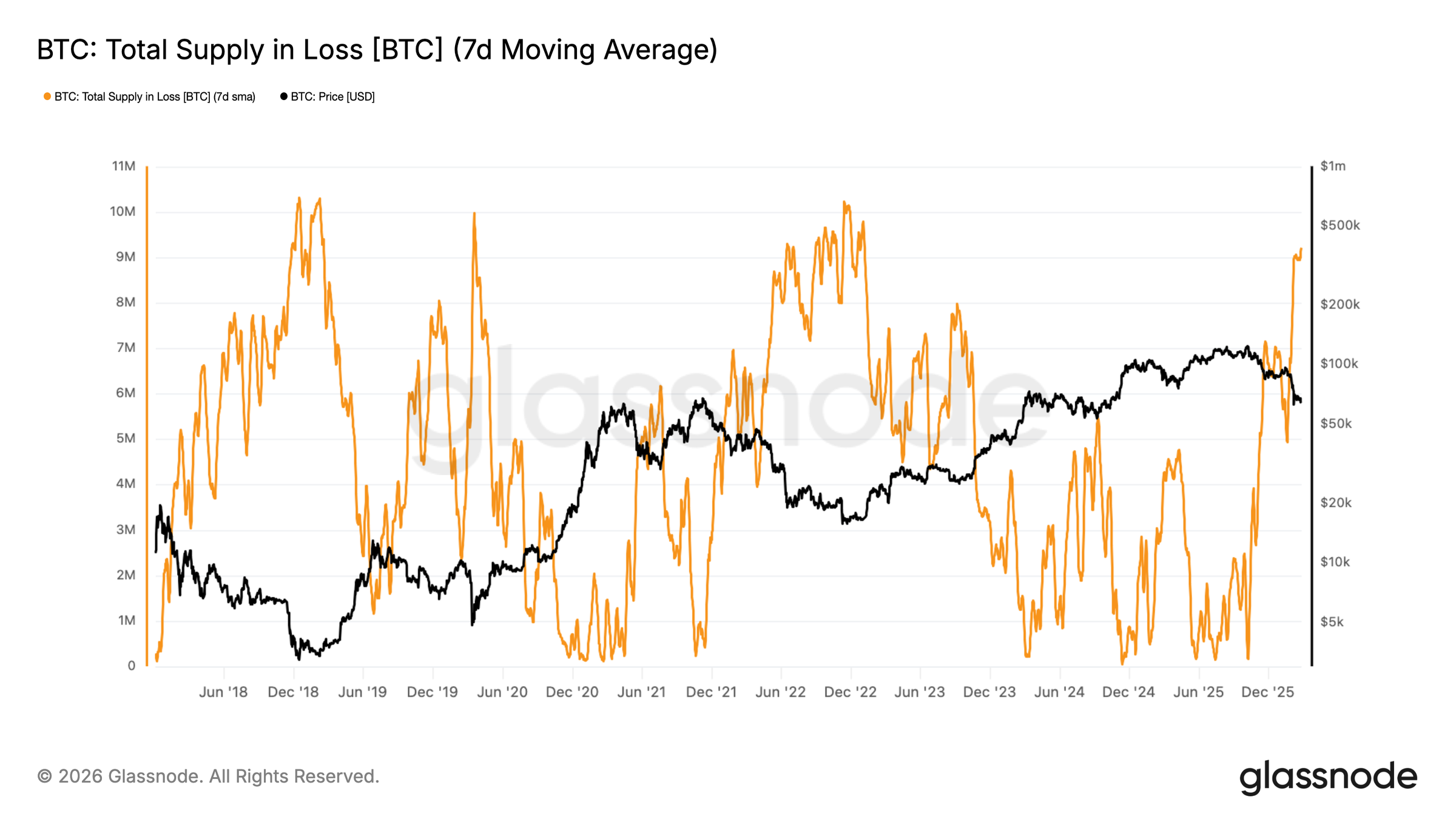
Rising geopolitical tensions in the Middle East are significantly reshaping global investment landscapes, pushing a pronounced flight to safety as investors increasingly pivot towards traditional safe-haven assets. Gold, historically a bastion of stability during periods of uncertainty, has witnessed a notable surge in demand, attracting capital fleeing from more volatile equity and cryptocurrency markets. This shift comes amidst heightened rhetoric and strategic maneuvers in a region perennially prone to conflict, underscoring the interconnectedness of global politics and financial markets.
Escalating Geopolitical Tensions Fuel Safe-Haven Demand
The current surge in risk aversion is primarily catalyzed by an observable escalation in tensions surrounding Iran. On Wednesday, reports from sources such as Middle East Eye detailed a sharp increase in Iran’s crude oil exports. Shipments originating from Kharg Island, a critical export terminal for Iranian oil, reportedly reached approximately 20.1 million barrels between February 15 and February 20. This volume represents a near three-fold increase compared to January’s levels, signaling a deliberate preemptive supply release by Tehran. Analysts interpret this strategic move as a calculated hedge against potential disruptions to its export capabilities, should tensions with the United States escalate into direct confrontation.
This preemptive action by Iran is unfolding against a backdrop of increasingly hawkish rhetoric from the United States regarding Iran’s nuclear program. Statements from Washington have intensified concerns about Tehran’s nuclear ambitions, leading to a palpable rise in expectations of a potential military confrontation. Bitunix analysts, commenting on the evolving situation, articulated a stark forecast: "In the event of a direct US-Iran military conflict, gold could rise by roughly 15% within two weeks on safe-haven demand, targeting a range of $5,500-$5,800 per ounce." This projection highlights the perceived potency of gold as a crisis asset, capable of significant appreciation under severe geopolitical stress.
The strategic importance of Kharg Island cannot be overstated in this context. Situated in the Persian Gulf, it is Iran’s primary oil export terminal, handling the vast majority of the country’s crude shipments. Any threat to this facility, whether from sanctions, cyberattacks, or military action, would severely impact global oil supplies and prices, further exacerbating market volatility. Iran’s decision to rapidly increase exports suggests an awareness of this vulnerability and an attempt to monetize its reserves before potential future impediments. This tactic reflects a long-standing pattern of behavior where nations anticipate geopolitical shocks by adjusting their economic postures.
Gold’s Enduring Appeal as a Crisis Hedge

Gold’s role as a quintessential safe-haven asset is deeply rooted in financial history, repeatedly proving its mettle during periods of economic instability, inflation, and geopolitical strife. Unlike fiat currencies, which can be devalued by government policies, or equities, which are subject to corporate performance and economic cycles, gold maintains an intrinsic value, often perceived as a store of wealth independent of specific national economies. Its physical scarcity, historical acceptance as a medium of exchange, and universal recognition contribute to its enduring appeal.
During times of crisis, investors flock to gold for several key reasons. Firstly, it offers a tangible alternative to paper assets, providing a sense of security when confidence in financial institutions or government stability wavers. Secondly, gold is often seen as an inflation hedge; its value tends to rise when the purchasing power of currencies declines. Thirdly, its low correlation with other major asset classes makes it an effective portfolio diversifier, offering protection against market downturns. The current environment, marked by both geopolitical risk and persistent inflationary pressures in various global economies, creates a potent cocktail for heightened gold demand.
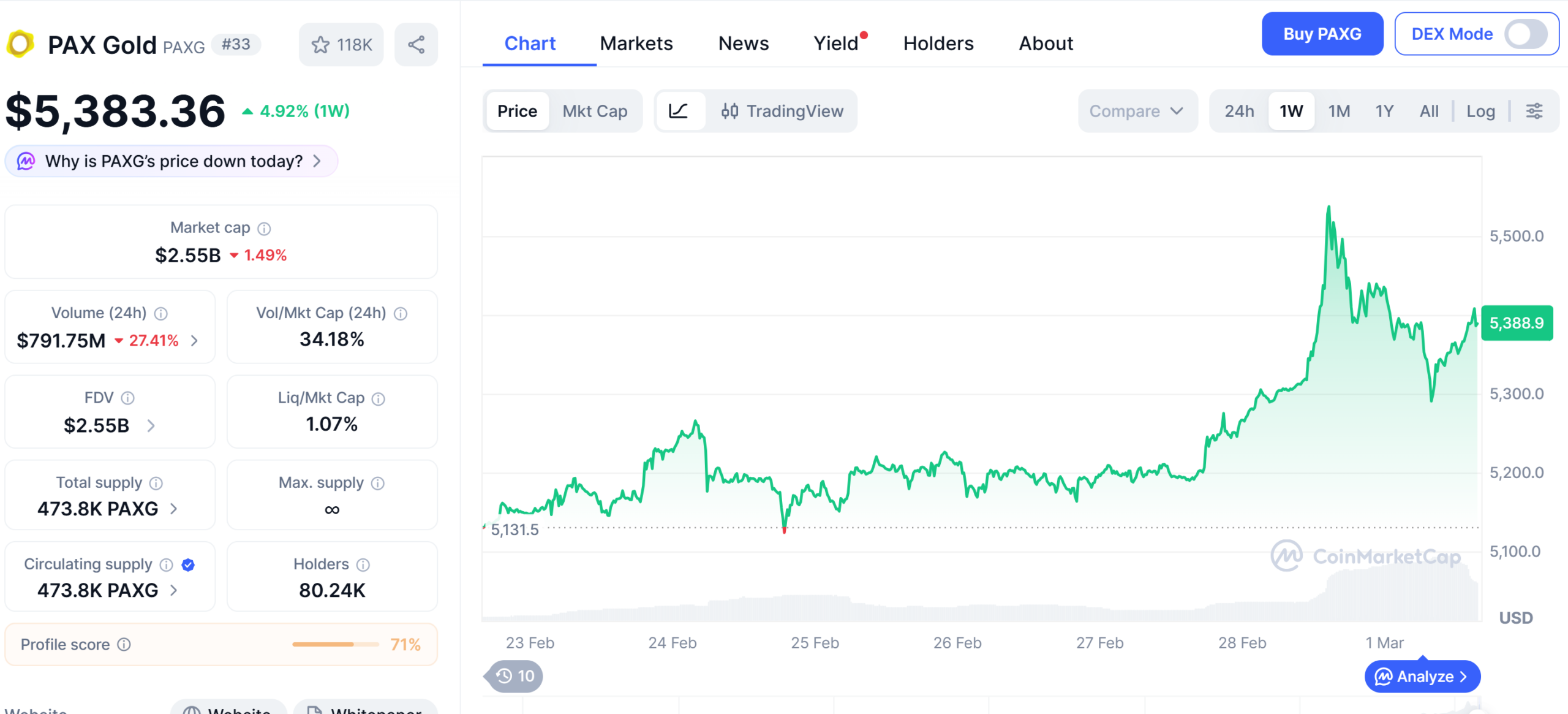
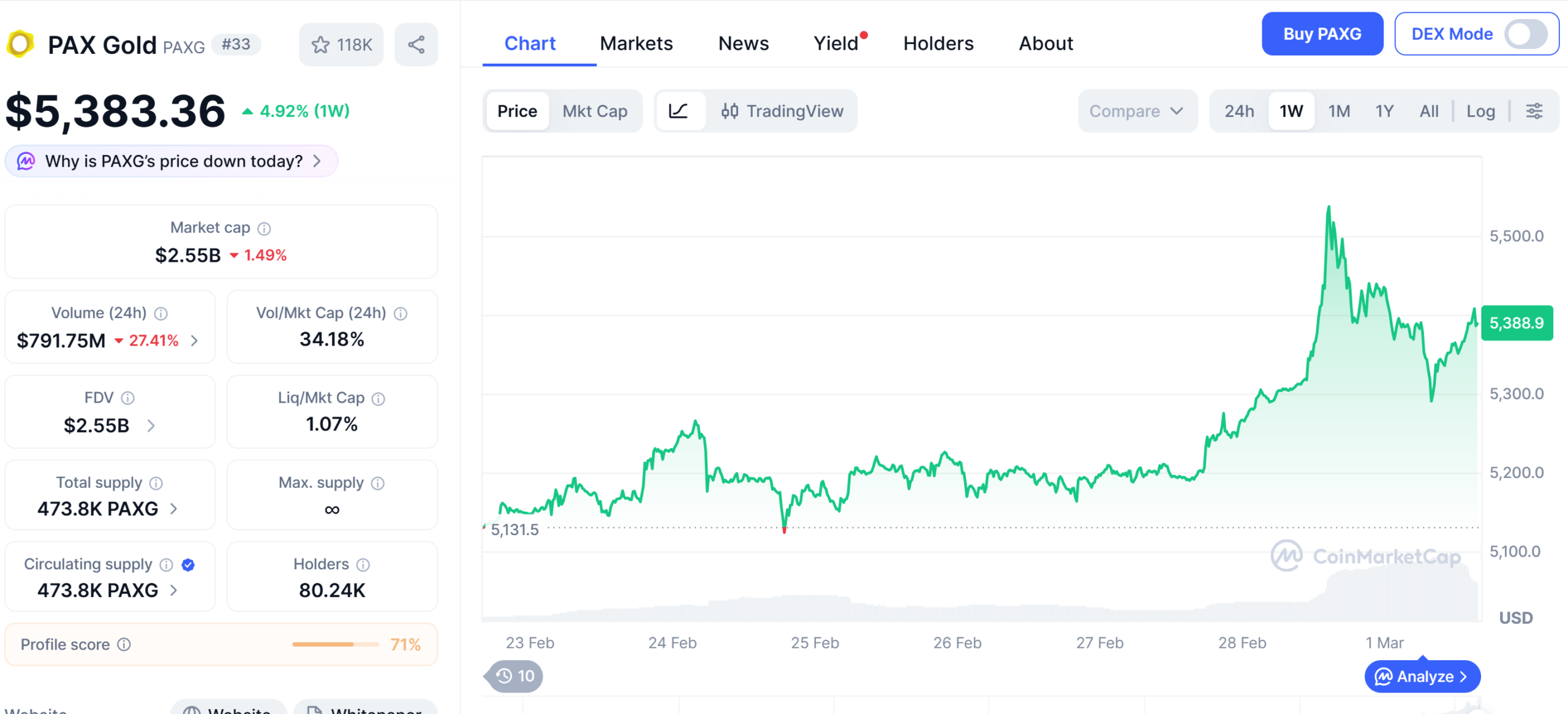
The current market performance of gold reflects this dynamic. While experiencing minor intraday fluctuations, gold was trading at approximately $5,172 per ounce, slightly down on the day of the initial reports. However, a broader perspective reveals a significant upward trend, with prices having surged by approximately $219, or about 4.4%, over the past week alone. This sustained upward momentum underscores the prevailing investor sentiment towards risk aversion and the tangible flow of capital into precious metals. Historical precedents abound, from the oil shocks of the 1970s to the global financial crisis of 2008 and the early stages of the COVID-19 pandemic, where gold consistently demonstrated its capacity to perform as a reliable store of value when other assets faltered. Central banks globally have also been consistent net buyers of gold in recent years, further cementing its role as a strategic reserve asset.
India’s Pivotal Role in the Gold Market Shift
The rotation into safe-haven assets is not merely a theoretical concept but is visibly manifesting in concrete investor behavior across key global markets. Data shared by The Kobeissi Letter on Thursday offered a compelling illustration of this trend, specifically highlighting a rapid reallocation of capital by Indian investors into gold. Gold Exchange Traded Fund (ETF) inflows in India have reportedly soared to an unprecedented high of approximately 250 billion rupees, equivalent to around $2.7 billion. This remarkable figure marks an all-time high, notably surpassing equity mutual fund inflows for the first time in the country’s financial history.
This surge in gold product inflows coincides directly with a discernible decline in equity allocations among Indian investors. Demand for gold ETFs has escalated by more than 900% since July, starkly contrasting with a significant drop of roughly 170 billion rupees (around $1.9 billion) in stock-fund inflows. This dramatic shift underscores a fundamental re-evaluation of risk and reward by a significant segment of the global investor base.
India’s role in the global gold market is particularly significant. As the world’s second-largest gold consumer and one of its largest importers, Indian demand traditionally exerts substantial influence on global prices and market dynamics. Gold holds profound cultural, religious, and economic significance in India, deeply interwoven into traditions, festivals, and as a primary form of savings and wealth transfer, especially in rural areas. The analyst from The Kobeissi Letter aptly noted, "As the world’s 2nd-largest gold consumer and one of its biggest importers, India’s shift toward gold ETFs marks a fundamental change in how its investors are allocating their capital." This observation points to a maturation of the Indian investment landscape, where traditional affinity for physical gold is now being channeled through modern, more liquid financial instruments like ETFs. This trend suggests not just a flight to safety, but also an evolving sophistication in how Indian investors manage their wealth, increasingly leveraging accessible and efficient investment vehicles. The implications of this shift extend beyond India, potentially influencing global gold market structure and price discovery.

Bitcoin’s Dual Narrative Amid Macro Crosscurrents
While gold unequivocally pulls in defensive flows, the trajectory of Bitcoin (BTC) and the broader cryptocurrency market presents a more complex picture, reflecting a tug-of-war between its potential as a "digital gold" and its sensitivity to broader macroeconomic forces. Crypto markets remain acutely sensitive to macro-level developments, including shifts in monetary policy, inflation expectations, and, critically, the strength of the U.S. dollar.
Bitunix analysts highlight a key dynamic: "safe-haven flows into the US dollar could pressure Bitcoin (BTC) prices toward the $64,000-$65,000 zone." This scenario often plays out during periods of heightened global uncertainty, where the U.S. dollar, as the world’s primary reserve currency, acts as a preferred safe haven, drawing capital away from riskier assets, including cryptocurrencies. A stronger dollar makes dollar-denominated assets, including Bitcoin, relatively more expensive for international buyers and can lead to deleveraging across global markets.
Conversely, the analysts also present an alternative scenario: "if inflation concerns dominate over dollar strength, capital could rotate into alternative hedges and push BTC toward $69,000 liquidity levels." This perspective positions Bitcoin as a potential hedge against inflation, drawing parallels to gold’s historical role. Should investors perceive central banks as losing control over inflation, or if the dollar’s purchasing power continues to erode, Bitcoin, with its finite supply and decentralized nature, could attract capital seeking protection against currency debasement. This dual narrative underscores the ongoing debate within financial circles regarding Bitcoin’s ultimate classification and its behavior under varying economic conditions.
The nascent but growing ecosystem of US-listed spot Bitcoin ETFs has added another layer of complexity and influence to Bitcoin’s market dynamics. After a period of significant outflows, these funds saw a notable rebound on Wednesday, attracting approximately $506.5 million in daily inflows. This marked the largest single-day inflow since early February and put the funds on track for their first weekly inflow after five consecutive weeks totaling $3.8 billion in outflows. This rebound coincided with Bitcoin climbing back above the $68,000 mark. The volatility in ETF flows reflects institutional investor sentiment, which remains highly reactive to macro signals, regulatory developments, and short-term price movements. The initial enthusiasm surrounding these ETFs has been tempered by profit-taking and re-evaluation of risk, but their capacity to draw significant capital underscores their growing importance in shaping BTC’s price action.
On-Chain Data Reveals Cautious Crypto Sentiment
While Bitcoin’s price has shown resilience at times, underlying on-chain data suggests that conviction among crypto investors remains somewhat limited, particularly when compared to the robust demand observed for gold. A recent report by Glassnode, a leading blockchain analytics firm, indicated that Bitcoin continues to trade largely within a range of $60,000 to $70,000, characterized by "weak whale accumulation and persistent ETF outflows." This suggests that while retail interest might be present, large institutional investors, or "whales," are not aggressively accumulating at current levels, contributing to the sideways price action.

Further insights from the Glassnode report paint a picture of investor caution. It revealed that nearly 9.2 million BTC are currently held at a loss. This figure signifies a substantial portion of the supply acquired at higher price points, leading to unrealized losses for those holders. Moreover, the 90-day realized profit-to-loss ratio has fallen below 1, a critical indicator. This metric suggests that, on average, more holders are selling their Bitcoin at a loss than are realizing profits. Such a trend typically indicates a lack of strong buying conviction, as profit-takers are scarce, and even those selling are doing so at a disadvantage, often due to market pressure or capitulation. These on-chain metrics collectively point to a market grappling with uncertainty, where despite intermittent rallies, a strong, sustained bullish momentum driven by broad-based accumulation has yet to firmly establish itself.
Market Outlook and Expert Projections
The immediate future for both gold and Bitcoin appears inextricably linked to the trajectory of geopolitical events in the Middle East and the broader macroeconomic environment. For gold, the path of least resistance appears to be upwards, especially if the U.S.-Iran situation continues to deteriorate. The Bitunix projection of $5,500-$5,800 per ounce in the event of a direct conflict highlights the extreme upside potential under such scenarios, positioning gold as the premier crisis hedge. Beyond direct conflict, sustained tensions, even without outright military action, would likely keep gold demand elevated as investors seek refuge from chronic uncertainty.
For Bitcoin, the outlook is more bifurcated. Its ability to act as a digital gold hedge against inflation could see it appreciate if concerns about currency debasement outweigh the dollar’s current strength. The $69,000 liquidity levels mentioned by analysts could be a target under such conditions, suggesting a return to a more bullish sentiment driven by its scarcity narrative. However, if the U.S. dollar continues to strengthen as a global safe haven, or if risk aversion intensifies across all asset classes, Bitcoin could face renewed downward pressure, potentially revisiting the $64,000-$65,000 range. The performance of spot Bitcoin ETFs will also be a crucial barometer, reflecting the ebb and flow of institutional interest and market sentiment.
The broader implications extend to the global financial system. A significant escalation in the Middle East could trigger a surge in oil prices, exacerbating inflation and potentially forcing central banks into difficult policy choices. This could lead to a global economic slowdown or even recession, further amplifying the demand for safe havens like gold. Simultaneously, the evolving landscape of digital assets will continue to be tested, forcing investors to critically assess Bitcoin’s true correlation with traditional risk assets versus its potential as an independent store of value. The coming months will undoubtedly offer critical insights into how these complex forces interact and shape the future of global investment.
In conclusion, the current financial climate is defined by a pronounced flight to safety, primarily driven by escalating geopolitical tensions in the Middle East. Gold is firmly reasserting its traditional role as a crisis hedge, attracting substantial capital from both traditional equity markets and the more nascent cryptocurrency space. While Bitcoin navigates a complex interplay of macroeconomic forces and on-chain sentiment, its path remains less clear-cut than gold’s. As global uncertainties persist, investors are recalibrating their portfolios, prioritizing tangible assets and established safe havens in an increasingly unpredictable world.