 admin
admin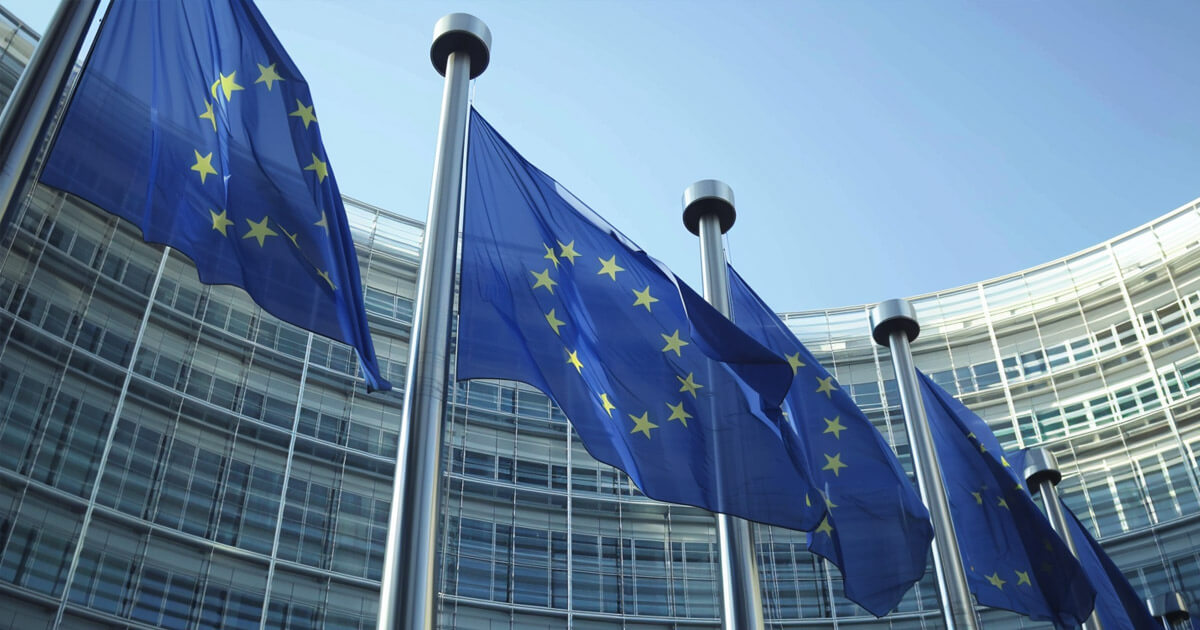
The European Union’s Markets in Crypto-Assets (MiCA) regulation, since its inception in 2020, is fundamentally reshaping the continent’s cryptocurrency landscape, ushering in an era where Europe aims to lead, rather than follow, in blockchain innovation. This pioneering regulatory framework is poised to compel companies to elevate their product offerings, fostering a more secure, efficient, and stable digital asset ecosystem across the bloc. The immediate consequences of MiCA’s impending enforcement are already evident, with major exchanges like Coinbase announcing significant delistings to ensure compliance, signaling a critical juncture for the industry.
The path to regulatory compliance, however, is not without its challenges. In early May 2024, Coinbase, a leading global cryptocurrency exchange, declared its intention to delist stablecoins issued by unauthorized providers by the end of 2024. This move is a direct response to the stringent requirements of MiCA, designed to safeguard consumers and ensure market integrity within the EU. Among the affected assets is Tether (USDT), the world’s largest stablecoin by market capitalization, a decision that has prompted a swift reaction from its issuer. Tether’s spokesperson stated that the company is developing a "technology-based solution" to navigate the complexities of MiCA compliance, a response that, while seemingly general, underscores a crucial point: compliant and superior crypto solutions are achievable, even if they haven’t been prioritized until now. The impending implementation of MiCA is expected to be the catalyst for these advancements, marking the beginning of a significant transformation for the European crypto industry.
MiCA: A New Benchmark for Digital Assets, Echoing GDPR’s Impact
The relationship between emerging technologies and regulatory bodies has historically been complex, often characterized by a lag in legislative response to rapid technological evolution. Effective regulation necessitates a deep understanding of the industry, often requiring extensive consultation with stakeholders. In this regard, MiCA draws striking parallels to the General Data Protection Regulation (GDPR), which was introduced by the European Union in 2016.
GDPR emerged as a response to the evolving digital advertising landscape and internet practices, establishing a global benchmark for data privacy. Companies worldwide were compelled to adhere to Europe’s rigorous data protection standards or face substantial penalties. Despite initial skepticism and concerns about implementation complexities, GDPR has largely become the de facto global standard for data security. Analysts suggest that MiCA has the potential to achieve a similar status for crypto-assets, setting a precedent for regulatory frameworks globally.
The comprehensive nature of MiCA promises to be a transformative force within the EU’s crypto market. By establishing clear guidelines for compliant stablecoins, it aims to bridge the current fragmentation caused by disparate national licensing regimes. This harmonization is expected to enable compliant stablecoins to serve the entire EU market seamlessly, fostering greater interoperability and potentially boosting cryptocurrency adoption across various industries. The trend towards compliance is likely to cascade, influencing other crypto assets and encouraging broader participation in the digital asset economy.
Deconstructing MiCA: Enhancing Transparency and Consumer Protection
Regulation and licensing are foundational elements of the traditional financial world, underpinning the stability and trustworthiness of banking, payments, and asset servicing. The inherent borderless and decentralized nature of cryptocurrency, however, has historically shielded it from the same level of regulatory scrutiny. Yet, the absence of legal oversight has not diminished the importance of legal considerations for the industry’s long-term viability.
MiCA is recognized as one of the most comprehensive regulatory frameworks for digital assets enacted to date. Its primary objectives include addressing prevalent issues that have tarnished crypto’s public image, such as illicit activities, the presence of bad actors, and the spread of misinformation. Under MiCA, crypto asset service providers (CASPs) are mandated to provide clear and concise information to investors regarding risks, including scams and market volatility. Furthermore, the regulation encourages environmental sustainability by requiring companies to disclose the ecological footprint of their operations, aligning the crypto sector with broader global sustainability goals.
A more transparent and climate-conscious crypto sector presents numerous advantages, and MiCA’s provisions for stablecoins are a prime example of this progressive approach. The regulation mandates that stablecoin issuers maintain full transparency regarding their reserves, a crucial step in protecting consumers and investors. This directly addresses long-standing concerns about transparency and solvency that have often overshadowed the potential benefits of stablecoins. By subjecting stablecoin providers to regulatory oversight, MiCA forces a resolution to these critical questions.
The Evolution of Stablecoins: Driven by Regulatory Imperative
Tether’s commitment to developing a "technology-driven approach" to MiCA compliance serves as a tangible illustration of MiCA-induced evolution within the stablecoin market. This focus suggests an endeavor to deliver a product that is not only compliant but also demonstrably safer, more sustainable, and more secure than existing offerings in the European market. This impetus for innovation is not born from a sudden wave of altruism but from the absolute necessity to meet MiCA’s stringent requirements. Stablecoin issuers have long possessed the capacity for innovation, but it is the regulatory pressure exerted by MiCA that has catalyzed this drive towards improvement.
Circle, the issuer of the second-largest stablecoin by market capitalization, USD Coin (USDC), has already proactively embraced the new regulatory environment. In July 2024, Circle became the first stablecoin issuer to secure regulatory approval under MiCA, obtaining a French e-money license. The company boasts a strong track record of compliance, with its USDC reserves consistently backed by highly liquid assets such as cash and short-term U.S. Treasury bonds. Furthermore, Circle’s Know Your Customer (KYC) and Anti-Money Laundering (AML) standards are widely regarded as industry best practices. With MiCA now in effect, the competitive landscape is shifting, and regulatory adherence is no longer merely a matter of market preference but a "do-or-die" imperative that promises to elevate standards across the entire industry.
The prospect of a more stable and regulated crypto industry holds significant implications for traditional businesses. It is anticipated that this enhanced regulatory clarity will encourage greater participation from traditional sectors in crypto-related services. This, in turn, can foster increased competitiveness by attracting substantial investment, top-tier talent, and innovative companies to the crypto space. For the European Union, this development represents a monumental opportunity for economic growth and technological advancement.
MiCA’s Global Reach: A Blueprint for International Regulation
MiCA is strategically positioned to serve as a foundational model for more effective crypto-asset regulation worldwide. As other regions grapple with the complexities of digital assets, they are likely to look to MiCA as a blueprint for their own regulatory frameworks, mirroring the global influence of GDPR. The impact of this EU legislation extends beyond its depth; its clarity is equally significant. It offers a stark contrast to the fragmented and often ambiguous regulatory approaches seen in jurisdictions like the United States, establishing a clear precedent for crypto companies to operate with confidence.
Should MiCA prove successful in its implementation and objectives, it will undoubtedly pave the way for the development of standardized global regulatory frameworks. The principles and structures embedded within MiCA are readily replicable in other jurisdictions, offering a proven pathway towards responsible innovation in the digital asset space.
As MiCA continues its progression towards its full implementation date in 2026, the crypto industry can anticipate the emergence of safer, more reliable, and more consumer-friendly products. This regulatory evolution is not merely about compliance; it is about fostering a more secure and sustainable crypto ecosystem, not only within Europe but extending its positive influence across the globe. The era of unchecked growth is giving way to one of structured development, promising a more mature and robust future for digital assets.