 Lina Irawan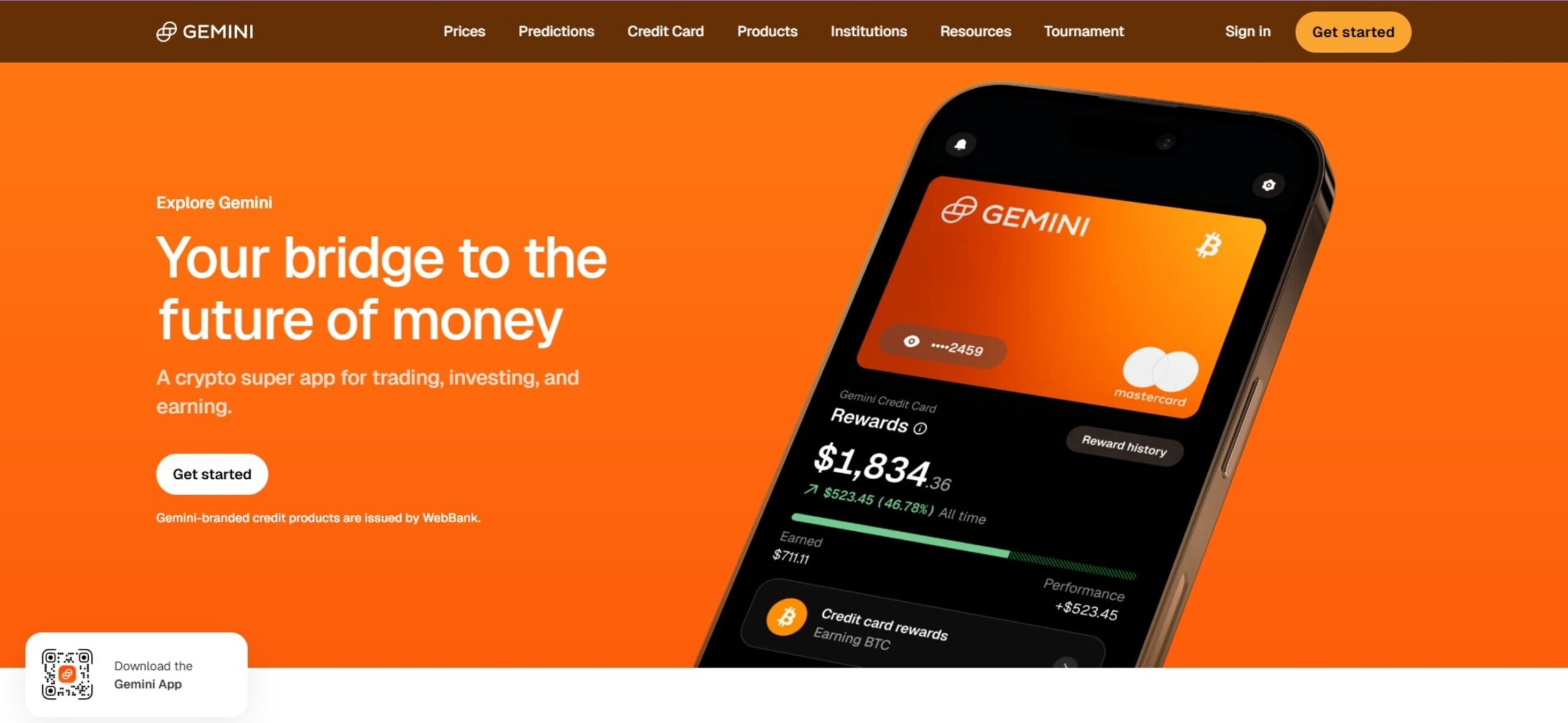
The cryptocurrency market, once a niche domain, has rapidly evolved into a significant financial sector, attracting both novice enthusiasts and seasoned investors. For individuals in the United States looking to participate in this dynamic market, selecting the right cryptocurrency exchange is paramount. This decision is often complicated by the sheer volume of platforms available, many of which face regulatory hurdles that limit their accessibility to U.S. traders. Beyond regulatory compliance, exchanges differ significantly in their fee structures, the range of supported cryptocurrencies, state-specific availability, and the robustness of their security measures. This comprehensive guide delves into the key features, fee models, and comparative advantages and disadvantages of leading cryptocurrency trading platforms operating within the United States, aiming to equip investors with the knowledge needed to make informed choices for their digital asset journey.
A Snapshot of Premier US Crypto Exchanges
To provide a clear overview, here is a comparative table of some of the top cryptocurrency exchanges available to U.S. residents:
| Exchange | Supported Cryptocurrencies | Trading Fee Structure | U.S. Regulatory License | Ideal For |
|---|---|---|---|---|
| Coinbase | 200+ | 0.00% – 0.05% (maker), 0.01% – 0.60% (taker) | Yes | Beginners, Secure Trading |
| Kraken | 120+ | 0.16% – 0.26% (Pro), 1% (instant) | Yes | Advanced Traders, Margin Trading |
| Gemini | 100+ | 0.50% (basic fee) | Yes | Regulatory Compliance |
| Binance.US | 130+ | 0% (maker), 0.01% (taker) | Yes | Low-Fee Trading, High Liquidity |
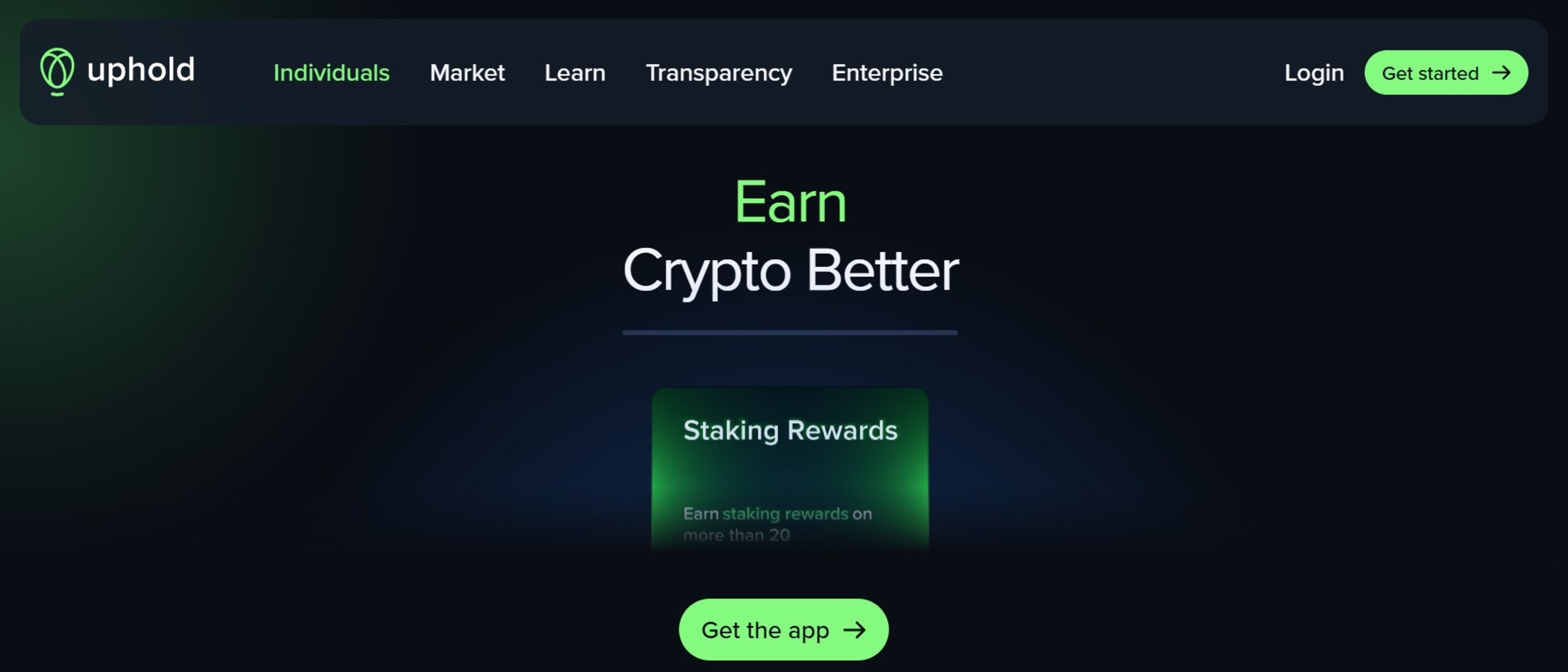
| Uphold | 300+ | 0.8% – 1.2% (major crypto) | Yes | Multi-Asset Trading, Cross-Asset Transfers |
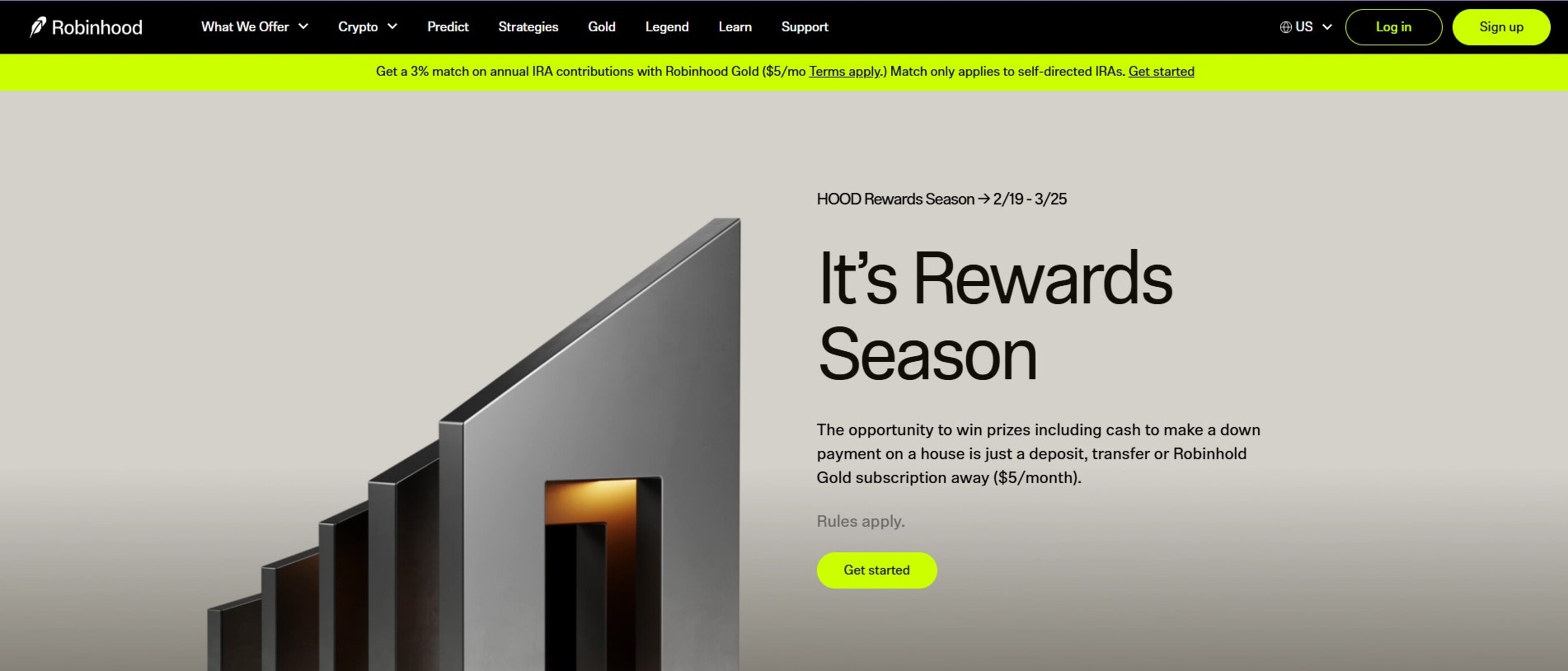
| Robinhood | 20+ | 0% commission (spread-based) | Yes | Stock and Crypto Investors |
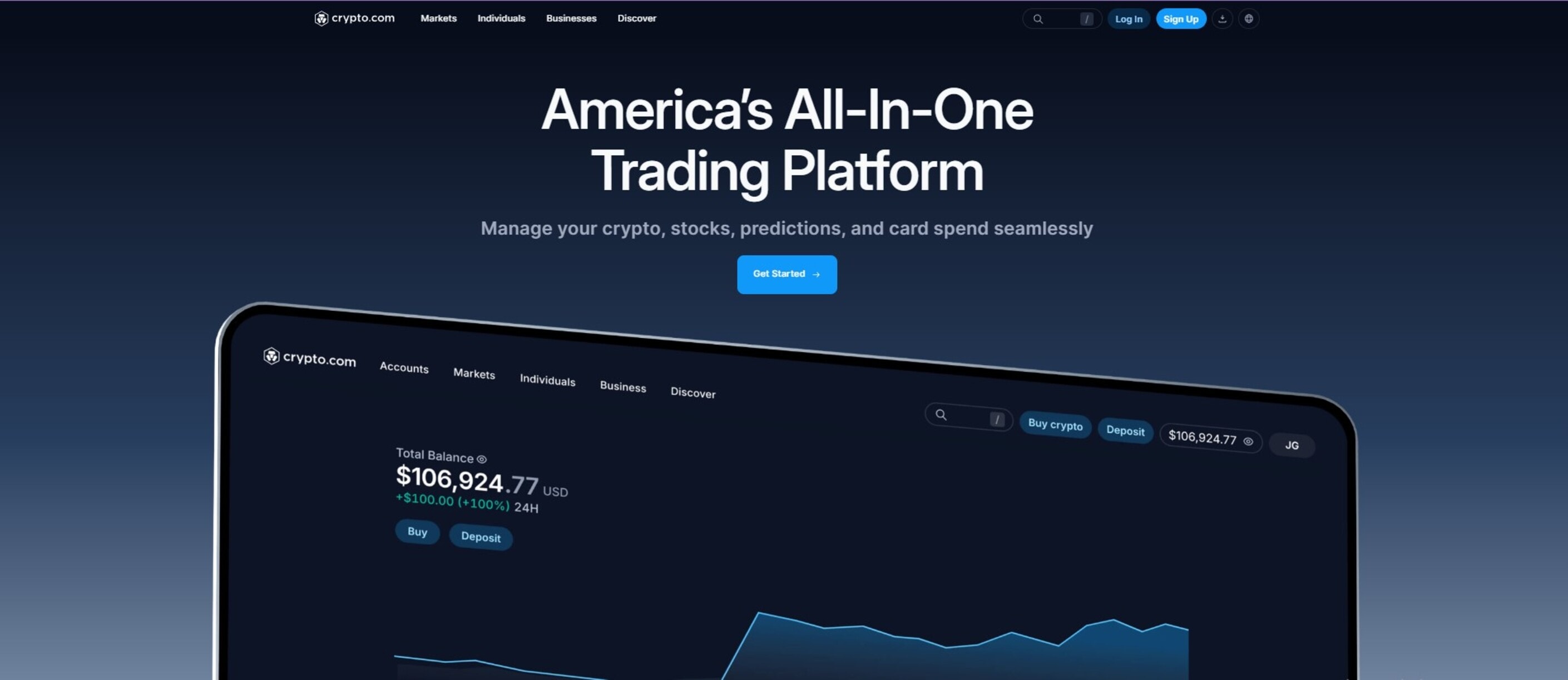
| Crypto.com | 400+ | 0.075% (maker/taker) | Yes | Staking Rewards, Mobile-First Users |
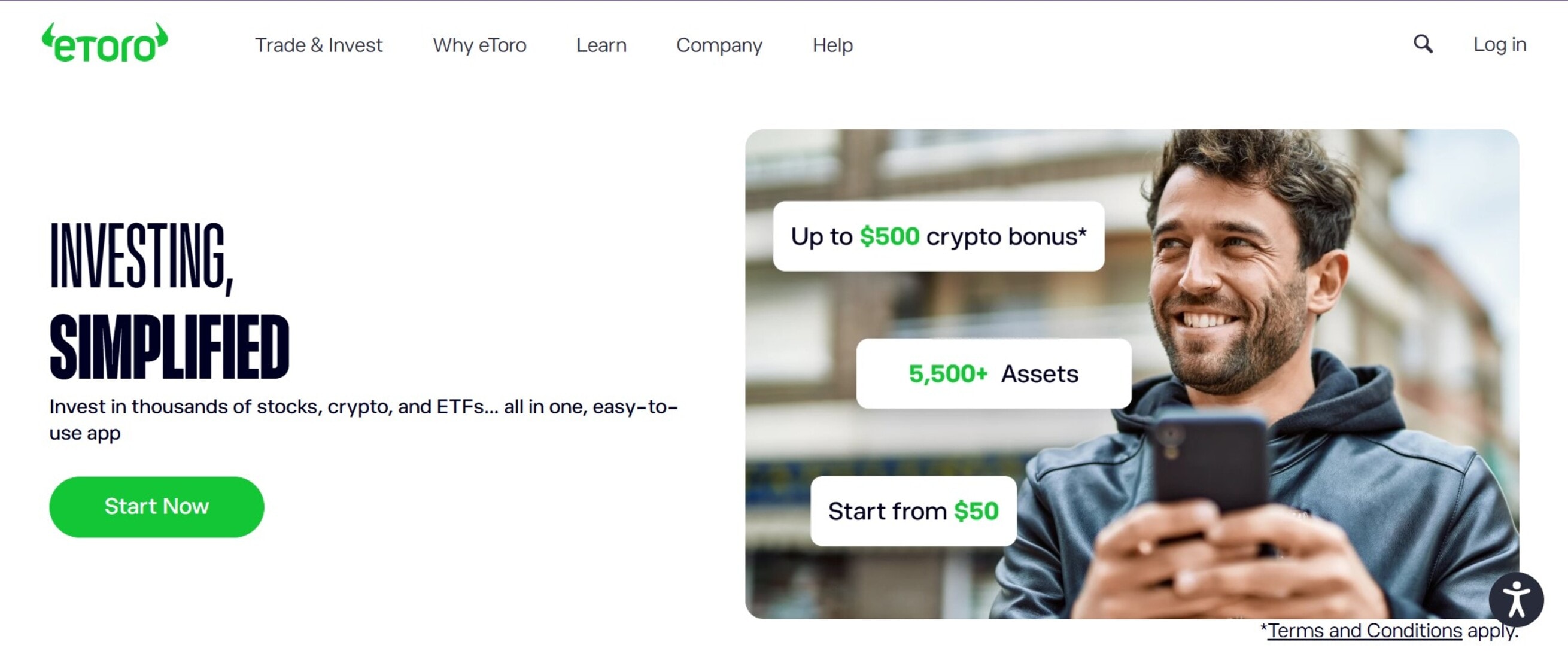
| eToro | 100+ | 1% (crypto), 0% commission (stocks/ETFs) | Yes | Social and Copy Trading |
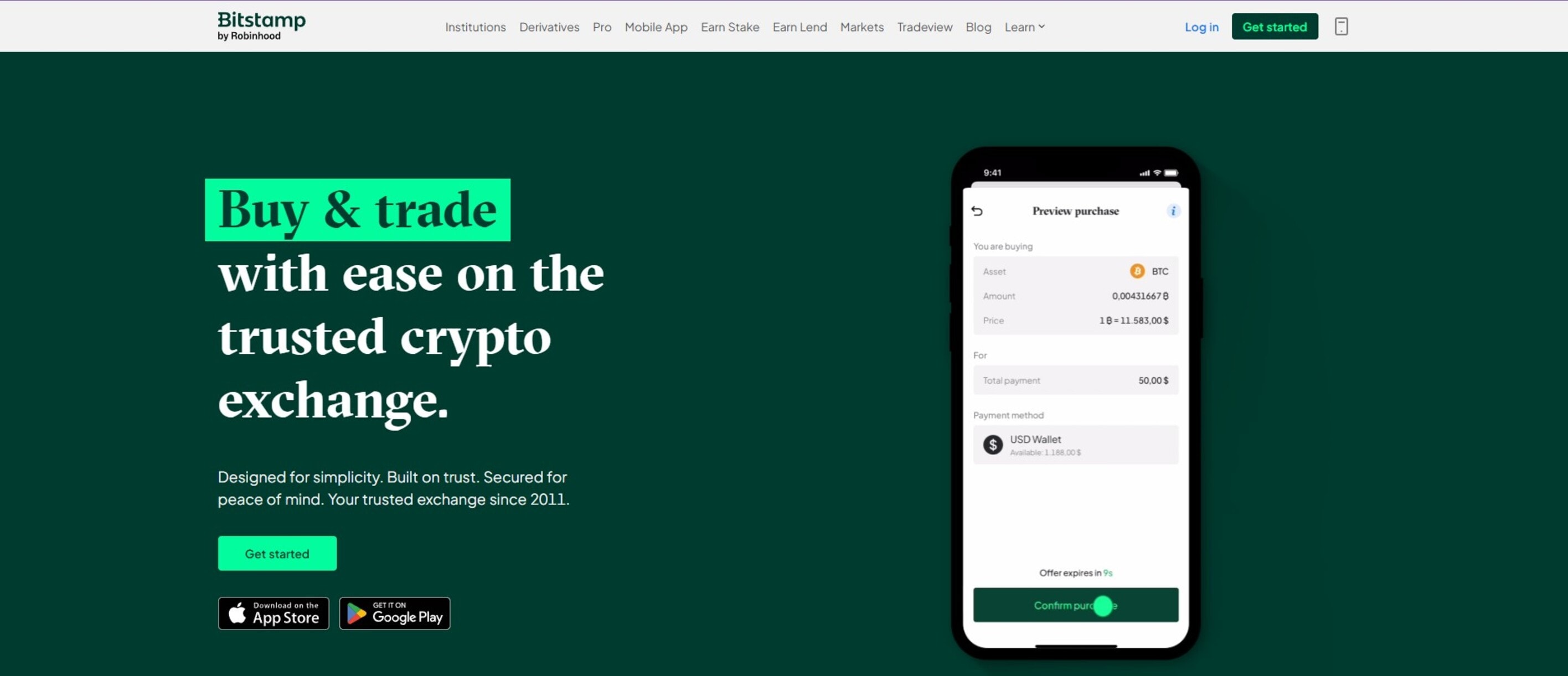
| Bitstamp | 70+ | 0.30% (maker), 0.40% (taker) | Yes | Simple and Reliable Trading |
| OKX | 350+ | 0.08% – 0.10% | Yes | Advanced Crypto Trading and Derivatives |
In-Depth Reviews of Leading US Crypto Platforms

1. Coinbase: The Gateway for Beginners and Security-Conscious Investors
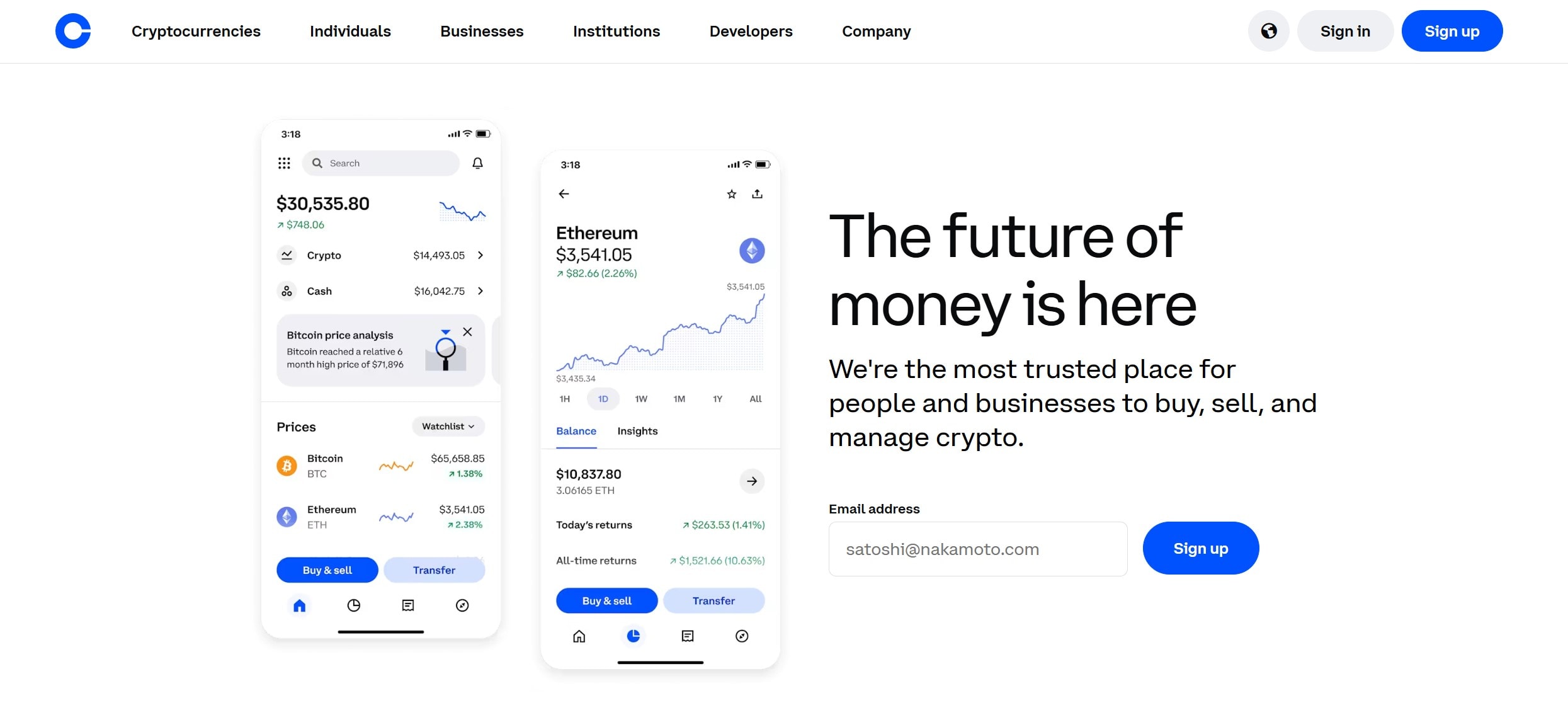
Coinbase has established itself as one of the most recognized and widely utilized cryptocurrency trading platforms in the United States, particularly for individuals new to digital assets. Its user-friendly interface simplifies the process of signing up and initiating trades, making it an attractive option for beginners. A core tenet of Coinbase’s appeal is its unwavering focus on regulatory compliance and robust security measures, which resonates strongly with investors who prioritize the safety of their assets. Since its inception in 2012, Coinbase has consistently worked to meet stringent financial regulations, earning it a reputation for reliability.
-
Key Features: Coinbase offers a broad selection of over 200 cryptocurrencies, catering to diverse investment interests. Its platform includes educational resources designed to help new users understand the complexities of the crypto market. The exchange also provides advanced trading tools through Coinbase Pro (now integrated into the main platform as Advanced Trade), offering more sophisticated charting and order types for experienced traders. Staking services are also available for select cryptocurrencies, allowing users to earn passive income.
-
Fee Structure: Coinbase employs a dual-fee structure. Its "Simple Trade" feature, designed for ease of use, typically involves a spread plus a flat or percentage-based fee. For instance, basic buy/sell orders can incur fees ranging from 1.49% for bank transfers to a higher 3.99% for debit or credit card transactions. For more active traders, the "Advanced Trade" option utilizes a volume-based maker-taker model. Maker fees range from 0.00% to 0.05%, while taker fees fall between 0.01% and 0.60%, with rates decreasing as trading volume increases.
-
Pros and Cons:
- Pros: High liquidity for major assets, a strong reputation for security and compliance, and enhanced tools for experienced users.
- Cons: The interface can initially appear complex for absolute beginners, the selection of smaller-cap cryptocurrencies is more limited compared to some competitors, and customer support response times can be slow during periods of high market volatility.
2. Kraken: A Haven for Advanced Traders and Margin Trading Enthusiasts
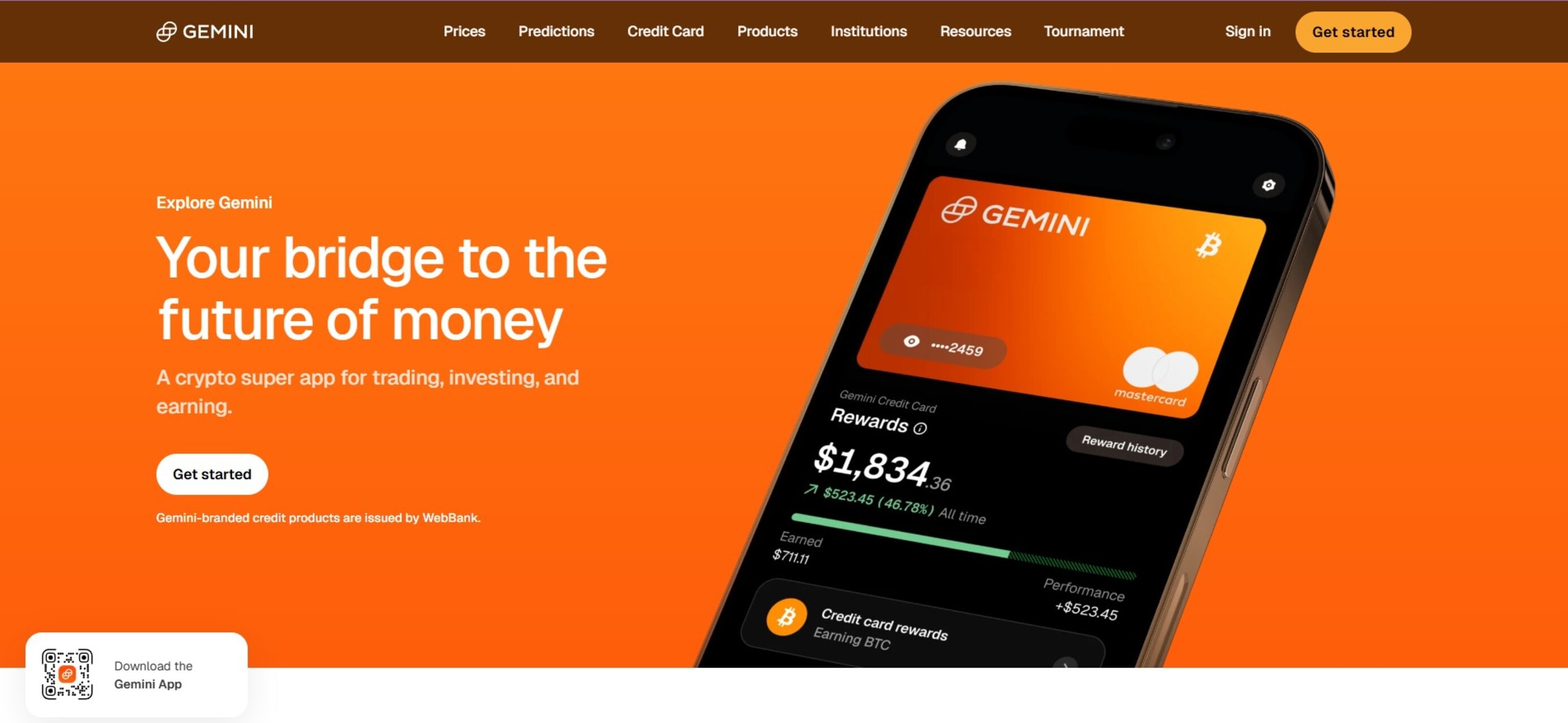
Kraken is a veteran in the cryptocurrency exchange space, renowned for its comprehensive suite of trading tools and its suitability for advanced traders. Supporting over 120 crypto assets, including popular cryptocurrencies and a growing selection of meme coins, Kraken also facilitates trading in seven fiat currencies: USD, EUR, GBP, CAD, JPY, CHF, and AUD. The platform’s offerings extend beyond simple spot trading to include sophisticated options like margin trading, futures contracts, indices, staking services, and over-the-counter (OTC) trading desks, catering to both retail and institutional clientele. Founded in 2011, Kraken has consistently emphasized security and regulatory adherence.
-
Key Features: Kraken’s platform is built to accommodate a wide range of trading strategies. Its margin trading capabilities allow users to leverage their positions, potentially amplifying gains but also increasing risks. The availability of futures and indices provides avenues for more complex derivative trading. Furthermore, Kraken’s staking program allows users to earn rewards on various cryptocurrencies, offering a passive income stream.
-
Fee Structure: Kraken offers distinct fee structures for different trading methods. Its "Instant Buy" feature has a flat fee of 0.9% for stablecoins and 1.5% for other crypto assets, in addition to payment method costs. The more advanced "Kraken Pro" platform employs a maker-taker fee model, with maker fees ranging from 0.00% to 0.16% and taker fees from 0.10% to 0.26%. These fees decrease as a user’s 30-day trading volume increases.
-
Pros and Cons:

- Pros: Competitive fees for high-volume traders through its maker-taker model, deep liquidity for major cryptocurrency pairs, extensive trading options including spot, margin, futures, staking, and OTC services, and a strong track record in regulatory compliance and security.
- Cons: The platform’s interface can present a learning curve for novice traders, certain U.S. states and specific products may have restricted access, and customer support, while generally effective, can experience delays during periods of intense market activity.
3. Gemini: Prioritizing Regulatory Compliance and Trust
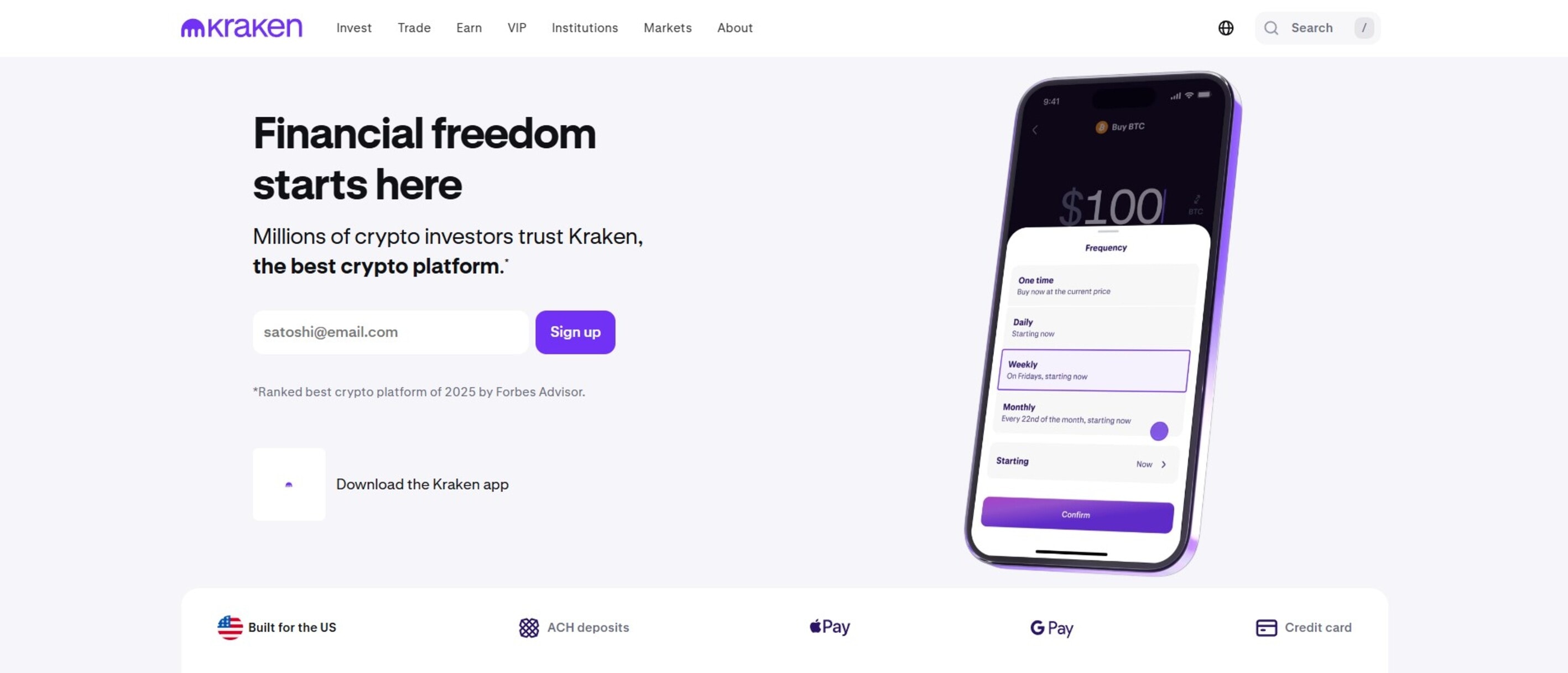
Founded in 2014 by the Winklevoss twins, Gemini has carved out a niche by prioritizing regulatory compliance and robust security protocols. The platform supports over 100 cryptocurrencies, including major digital assets like Bitcoin (BTC), Ethereum (ETH), Bitcoin Cash (BCH), and Litecoin (LTC). Gemini aims to provide a secure and trustworthy environment for trading digital assets, making it a preferred choice for investors who value institutional-grade security and adherence to financial regulations.
-
Key Features: Gemini offers both simple spot trading and advanced cryptocurrency trading tools through its ActiveTrader platform. The exchange also provides staking services, enabling users to earn passive income on their holdings. Gemini’s commitment to compliance is reflected in its rigorous Know Your Customer (KYC) and Anti-Money Laundering (AML) procedures.
-
Fee Structure: Gemini’s fee structure is divided between its basic trading interface and its ActiveTrader platform. For basic trades executed via the website or mobile app, a 0.50% "convenience fee" is applied, along with a transaction fee that ranges from $0.99 for orders under $10 to 1.49% for trades exceeding $200. The ActiveTrader platform offers a more competitive maker-taker fee model. Maker fees range from 0.20% down to 0.00%, and taker fees range from 0.40% down to 0.10%. Stablecoin pairs often feature particularly low fees, such as 0.00% maker and 0.01% taker.
-
Pros and Cons:
- Pros: Exceptional regulatory compliance and a strong security reputation, support for spot trading, advanced trading, and staking services, and free ACH deposits for easier funding.
- Cons: Fees for casual or small trades can be relatively high compared to some competitors, the ActiveTrader platform’s complexity might be a barrier for beginners, and the range of available derivatives is more limited than what is offered by some rival exchanges.
4. Binance.US: Low-Fee Trading and High Liquidity for the US Market
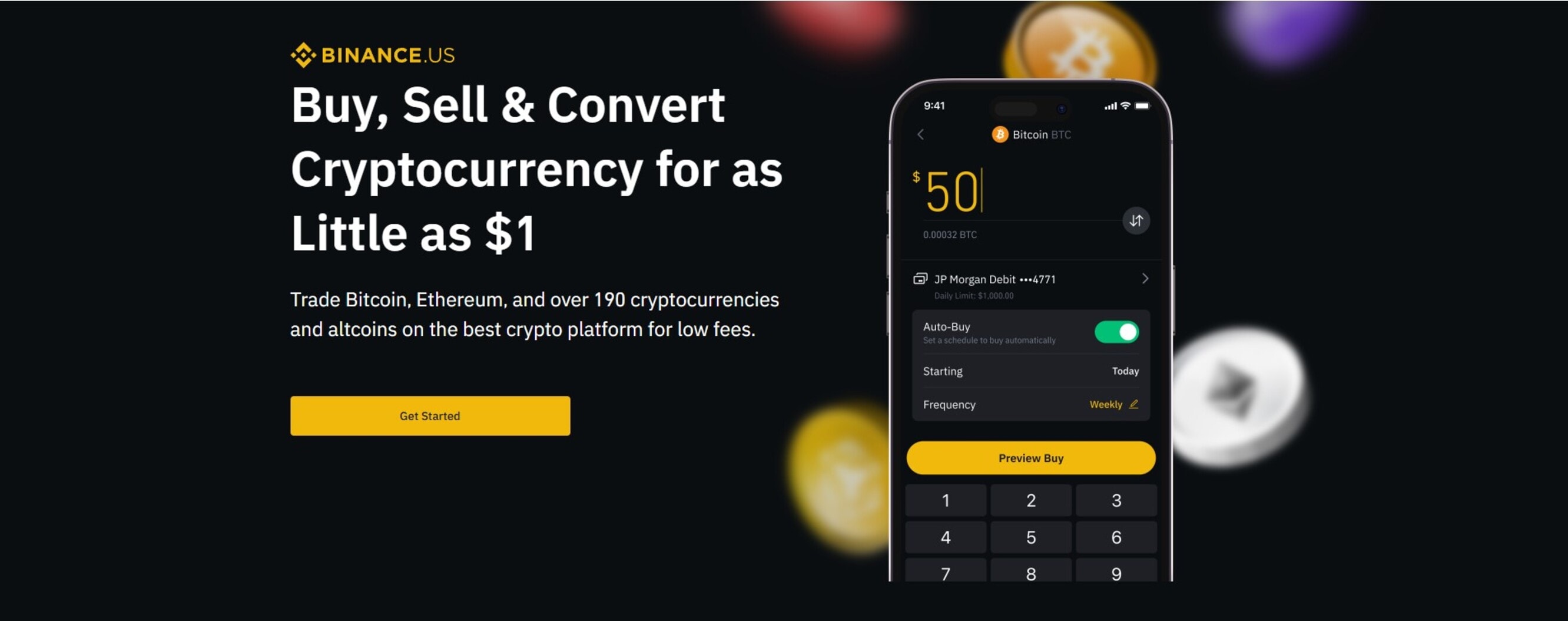
Binance.US is the American subsidiary of Binance, the world’s largest cryptocurrency exchange by trading volume. While it operates under stringent U.S. regulations, distinguishing it from its global counterpart, Binance.US provides access to a substantial number of digital assets and competitive trading fees. The platform emphasizes security and offers both web-based and mobile interfaces, making it accessible to traders of all experience levels.
-
Key Features: Binance.US supports over 130 cryptocurrencies, offering a wide array of trading pairs. It provides advanced trading tools, charting capabilities, and Application Programming Interfaces (APIs) for algorithmic trading. The platform also offers staking and rewards programs, allowing users to generate passive income.
-
Fee Structure: Binance.US employs a tiered, volume-based fee model. Most spot trading pairs feature a maker fee of 0% and a taker fee of 0.01%. Additional discounts are available for high-volume traders or for those who pay fees using Binance Coin (BNB). Simple buy/sell transactions incorporate a spread, which is the difference between the market price and the executed price. ACH deposits are typically free, while cryptocurrency withdrawal fees vary depending on the specific network.
-
Pros and Cons:

- Pros: Very low fees for advanced trading, particularly when utilizing BNB, access to sophisticated trading tools, charting, and APIs, and options for spot trading, staking, and rewards programs.
- Cons: U.S. regulatory restrictions mean users do not have access to all features available on the global Binance platform, staking fees can be relatively high (up to around 40% in some cases), and the platform’s complexity may pose a challenge for beginners.
5. Uphold: A Versatile Platform for Multi-Asset Trading
Uphold is a U.S.-based trading platform that distinguishes itself by enabling users to trade a diverse range of assets, including cryptocurrencies, fiat currencies, and precious metals, all within a single interface. The platform supports major digital assets and stablecoins, as well as allowing users to hold and transfer funds in USD, EUR, GBP, and gold-backed assets. This multi-asset approach makes Uphold a compelling option for investors seeking a consolidated portfolio management solution.
-
Key Features: Uphold’s primary advantage is its ability to facilitate seamless trading and transfers between various asset classes. This cross-asset functionality simplifies portfolio diversification and management. The platform supports a broad spectrum of cryptocurrencies, catering to a wide range of investment preferences.
-
Fee Structure: Uphold utilizes a spread-based fee model. For major cryptocurrencies, spreads typically range from 0.8% to 1.2%, while altcoins can have spreads from 1.4% to 2.95%, and stablecoins are generally around 0.25%. For smaller trades under $500, a flat fee of $0.99 applies. Deposits via card or mobile payment systems like Apple/Google Pay incur a fee of 3.99%, and instant withdrawals are charged at 1.75%. ACH and SEPA bank transfers are generally free of charge.
-
Pros and Cons:
- Pros: Ability to trade multiple asset classes on one platform, support for cryptocurrencies, fiat currencies, and precious metals, easy transfers between different assets, and accessible web and mobile interfaces for portfolio management.
- Cons: Spreads for casual cryptocurrency trades can be higher than those found on dedicated crypto exchanges, advanced trading tools are more limited compared to platforms like Kraken or Binance.US, and fees for debit/credit card purchases can be substantial.
6. Robinhood: Seamless Stock and Crypto Integration
Robinhood has become synonymous with commission-free trading, extending this philosophy to its cryptocurrency offerings. This U.S.-based platform allows users to trade cryptocurrencies, stocks, and Exchange Traded Funds (ETFs) without incurring traditional brokerage commissions. It supports major cryptocurrencies such as Bitcoin (BTC), Ethereum (ETH), Litecoin (LTC), and several stablecoins, appealing to investors who prefer a consolidated view of their traditional and digital asset portfolios.
-
Key Features: Robinhood’s primary draw is its commission-free trading model, which significantly lowers the barrier to entry for new investors. The platform’s interface is designed for simplicity and ease of use, making it highly accessible for beginners. The integration of stock and crypto portfolios allows for a unified investment experience.
-
Fee Structure: Robinhood charges no direct commission for cryptocurrency trades. Instead, its revenue is generated through the bid-ask spread, which is typically narrow but can widen during periods of high market volatility. Deposits via ACH are free. Instant deposits and debit card funding may incur small fees. Cryptocurrency withdrawals are subject to network fees, which vary depending on the specific asset.
-
Pros and Cons:
- Pros: Commission-free trading for both crypto and stocks, a beginner-friendly and intuitive interface, and integrated crypto and stock portfolios for streamlined management.
- Cons: A more limited selection of advanced trading tools compared to specialized crypto exchanges, fewer supported cryptocurrencies than major platforms, and restricted support for features like staking and derivatives trading.
7. Crypto.com: Rewarding Staking and Mobile-Centric Trading
Crypto.com has emerged as a significant player in the digital asset space, offering a broad range of services beyond just trading. Available in 49 U.S. states, it supports over 400 cryptocurrencies for spot trading via its exchange, alongside a separate exchange platform and a self-custodial DeFi wallet. Users can easily buy and sell crypto using bank transfers or cards, managing their digital assets through user-friendly mobile and web applications.
-
Key Features: With support for over 400 cryptocurrencies, Crypto.com offers one of the most extensive selections available. Its Visa card provides substantial rewards, often up to 5% back, making it attractive for users who integrate crypto into their daily spending. The platform also offers robust staking rewards, allowing users to earn passive income on their holdings.
-
Fee Structure: The Crypto.com Exchange employs a maker-taker fee model. Base fees are set at 0.075% for both makers and takers, with these rates decreasing for users with higher 30-day trading volumes or those who stake CRO tokens. For lower-volume users, fees can range up to 0.25% maker and 0.50% taker, while high-volume stakers can achieve rates as low as 0% maker and 0.04% taker. USD deposits via ACH are generally free, and crypto withdrawal fees are network-dependent.
-
Pros and Cons:

- Pros: Extensive support for over 400 cryptocurrencies and numerous trading pairs, a rewarding Visa card program, flexible funding options via bank transfer and cards, and strong liquidity for major assets like Bitcoin and Ethereum.
- Cons: App-based spreads can be higher than exchange trading fees, the fee structure is split between the app and the web exchange, which can cause confusion, and U.S. users have limited access to derivative products.
8. eToro: Pioneering Social and Copy Trading
eToro is a globally recognized trading platform accessible to U.S. users, offering access to over 100 cryptocurrencies alongside commission-free trading of stocks and ETFs. Its standout feature is its social trading network, which allows users to observe and replicate the trades of experienced investors through its mobile app and desktop interface. This "copy trading" functionality democratizes access to sophisticated trading strategies.
-
Key Features: eToro’s social trading features are its defining characteristic, enabling users to learn from and emulate successful traders. The platform’s integration of stocks, ETFs, and cryptocurrencies provides a diversified investment avenue. Funding options are convenient, including bank transfers and card payments.
-
Fee Structure: While eToro offers commission-free trading on stocks and ETFs, it charges a 1% fee on all cryptocurrency purchases and sales. Withdrawals incur a flat $5 fee. Transferring crypto to the external eToro Money wallet carries a 2% fee. An inactivity fee of $10 per month applies after 12 months of no login activity. Additionally, small regulatory fees may be levied on stock sell orders.
-
Pros and Cons:
- Pros: Access to over 100 cryptocurrencies and commission-free stocks/ETFs, innovative social and copy trading features for learning and strategy replication, and convenient funding methods via bank transfer and card.
- Cons: Spread-based fees on crypto trades can be higher than those on dedicated exchanges, inactivity fees apply after a period of dormancy, and access to crypto derivatives for U.S. users is limited.
9. Bitstamp: Reliability and Simplicity in Trading
Bitstamp boasts a long-standing reputation in the cryptocurrency exchange market and operates in compliance with U.S. regulations. The platform supports major crypto assets like BTC, ETH, and Bitcoin Cash (BCH), along with over 70 other cryptocurrencies. Bitstamp offers both a web-based and a mobile interface, making it accessible and easy to use for both beginners and experienced traders seeking a straightforward and dependable trading experience.
-
Key Features: Bitstamp is known for its stable and reliable platform, coupled with strong security measures. It supports fiat funding through bank transfers and card payments, facilitating easy deposits and withdrawals. The platform’s tiered fee structure rewards higher trading volumes.
-
Fee Structure: Bitstamp USA employs a tiered maker-taker fee model. Fees begin at 0.30% for makers and 0.40% for takers on monthly trading volumes under $10,000. These fees progressively decrease with higher trading volumes, reaching as low as 0.00% maker and 0.06% taker for volumes exceeding $100 million. Instant Buy/Sell transactions using credit/debit cards or payment services like PayPal incur a 4% service fee. USD deposits via ACH are typically free, while international wire deposits and withdrawals have nominal fees.
-
Pros and Cons:
- Pros: A simple, reliable platform with robust security, support for fiat funding via bank transfers and cards, and a tiered fee structure that benefits high-volume traders.
- Cons: A more limited number of cryptocurrencies compared to major exchanges, higher fees for low-volume traders, and a more restricted set of advanced trading features.
10. OKX: A Powerhouse for Derivative Trading in the US
OKX is a global cryptocurrency platform that offers U.S. users (with some state-specific limitations) a wide array of digital assets and advanced derivative trading options. The platform supports spot trading, futures, options, and margin trading, making it a comprehensive solution for professional and experienced traders seeking sophisticated market access.
-
Key Features: OKX provides access to a vast selection of cryptocurrencies and complex financial instruments like futures and options. Its advanced trading interface is designed for high-frequency and professional traders. The platform also offers staking and other yield-generating products.
-
Fee Structure: OKX US utilizes a tiered maker-taker fee model that is influenced by 30-day trading volume and the user’s holdings of OKB (OKX’s native token). Spot trading fees start at 0.08% for makers and 0.10% for takers, decreasing as trading volume or OKB holdings increase. Certain trading pairs, particularly stablecoin pairs, may be eligible for zero fees, positioning OKX among platforms offering competitive pricing. Deposits are generally free, while withdrawal fees are dependent on the blockchain network.
-
Pros and Cons:
- Pros: Extensive support for a wide range of cryptocurrencies and derivatives, tiered fees that reward high-volume traders, and strong security measures including cold storage and 2FA.
- Cons: The advanced trading interface can be overwhelming for beginners, not all U.S. states have full access to all features, and derivatives trading carries inherent risks for inexperienced users.
Key Factors for Selecting a US Crypto Exchange
When navigating the landscape of U.S. cryptocurrency exchanges, several critical factors should guide your decision-making process:
-
Regulatory Compliance: Adherence to federal and state regulations, including those set forth by the SEC, CFTC, and FinCEN, is paramount. Compliant exchanges typically implement robust Anti-Money Laundering (AML) and Know Your Customer (KYC) procedures, ensuring a safer trading environment and reducing the risk of operational disruptions that could affect your funds.
-
Fee Structures: Trading fees, deposit and withdrawal costs, and the spread are significant considerations. Exchanges utilize various models, such as maker-taker, fixed spreads, or percentage-based fees. Lower fees are crucial for frequent traders, while casual users might prioritize ease of use. A thorough comparison of fee structures is essential to ensure your trading costs align with your investment strategy.
-
Available Cryptocurrencies: The variety and selection of supported cryptocurrencies are key. Leading platforms offer major digital assets, a wide range of altcoins, stablecoins, and sometimes even crypto ETFs. Verify that the exchange lists the trading pairs you are interested in before committing.

-
ID Requirements (KYC/AML): Most U.S. exchanges require identity verification to comply with regulations. This typically involves submitting government-issued identification and proof of residence. While some exchanges operate with fewer verification steps, they may impose account or withdrawal limitations. Understanding these requirements upfront can prevent delays.
-
Security and Reputation: In the volatile crypto space, platform security and reputation are vital. Look for features like two-factor authentication (2FA), cold storage for assets, withdrawal whitelisting, and potential insurance coverage. Exchanges with a longer operational history and positive user reviews generally indicate greater trustworthiness.
-
Payment Methods: The ease and cost of depositing and withdrawing funds depend on the available payment methods. Common options include bank transfers (ACH or wire), debit/credit cards, and third-party payment systems. Fees and processing times vary, so selecting an exchange with convenient and cost-effective options is important.
-
Customer Support: Reliable customer support can be invaluable for resolving technical issues or account-related problems, potentially saving you time and preventing financial losses. Evaluate the availability and responsiveness of support channels, such as live chat, email, or phone assistance, especially during peak market hours.
Embarking on Your Crypto Journey: A Step-by-Step Guide
Starting with a U.S. cryptocurrency exchange involves a straightforward process:
-
Choose a Regulated Exchange: Begin by selecting a U.S.-based exchange that demonstrates strong compliance with federal and state regulations. This ensures the protection of your funds and minimizes legal risks.
-
Create a New Account: Sign up on your chosen exchange using your email address or phone number. Establish a strong, unique password to prevent unauthorized access.
-
Complete Identity Verification (KYC): Most U.S. exchanges require KYC verification to comply with regulations. This involves submitting a government-issued ID and other requested documents. Verification times can vary from a few hours to several days.
-
Secure Your Account: Enhance your account security by enabling two-factor authentication (2FA). Consider implementing withdrawal whitelists and using distinct passwords for each online account. Some platforms also offer hardware wallet integration for superior asset protection.

-
Link Your Payment Method: Connect your preferred funding source, such as a bank account (ACH or wire transfer) or a debit/credit card. Review the associated fees and processing times for each method to optimize your transactions.
-
Start Trading: Once your account is verified and funded, you can commence buying, selling, and trading cryptocurrencies. Decide whether to engage in spot trading, advanced trading, or staking, based on your experience and investment objectives. Continuously monitor trading fees, liquidity, and market trends to make informed decisions.
Understanding the Regulatory Framework in the United States
The cryptocurrency market in the United States is subject to oversight from multiple federal agencies, including the Securities and Exchange Commission (SEC), the Commodity Futures Trading Commission (CFTC), and the Financial Crimes Enforcement Network (FinCEN). Exchanges operating within the U.S. must adhere to federal and state laws, including stringent AML and KYC requirements. This regulatory oversight is designed to ensure secure trading practices, protect investors, and mitigate risks associated with illicit financial activities.
Americans’ Crypto Tax Obligations and Potential Benefits
In the United States, cryptocurrency transactions are considered taxable events. Any capital gains realized from buying, selling, trading, or using crypto for purchases must be reported on federal tax returns. The tax liability depends on the holding period of the asset. Some exchanges provide detailed transaction histories that can simplify tax reporting. While broad exemptions are rare, certain crypto activities, such as staking rewards or interest earned on stablecoins, may qualify for specific tax treatments. Consulting with a tax professional is advisable to navigate these complexities.
Conclusion
Selecting the optimal cryptocurrency exchange in the USA hinges on a careful evaluation of individual trading goals, experience level, and specific priorities. Crucial factors to consider include regulatory compliance, fee structures, security protocols, the breadth of available cryptocurrencies, and the convenience of payment methods. By thoroughly comparing the offerings of various exchanges against these criteria and your personal trading needs, you can make an informed decision that aligns with your objectives in the rapidly evolving digital asset market.