Layla Zulfa
The United States Treasury Department and the Trump administration are currently engaged in a high-stakes confrontation with major digital asset stakeholders over the future of the nation’s crypto market structure legislation. While Treasury Secretary Scott Bessent has adopted an increasingly aggressive rhetorical stance against industry leaders who have withdrawn their support for the bill, a notable internal divergence has emerged. World Liberty Financial, the decentralized finance (DeFi) venture co-founded by the Trump family, has publicly aligned itself with Coinbase, the very industry giant that the Treasury Department is currently castigating. This internal friction highlights the complex intersection of federal policy, traditional banking interests, and the burgeoning "parallel economy" of digital finance.
The Legislative Standoff and the Coinbase Departure
The current legislative impasse centers on a comprehensive market structure bill designed to provide regulatory clarity for the digital asset industry. For months, the bill was viewed as a bipartisan priority, aimed at establishing clear jurisdictions between the Securities and Exchange Commission (SEC) and the Commodity Futures Trading Commission (CFTC). However, the momentum came to a grinding halt last month when Coinbase, the largest cryptocurrency exchange in the United States, officially rescinded its support.
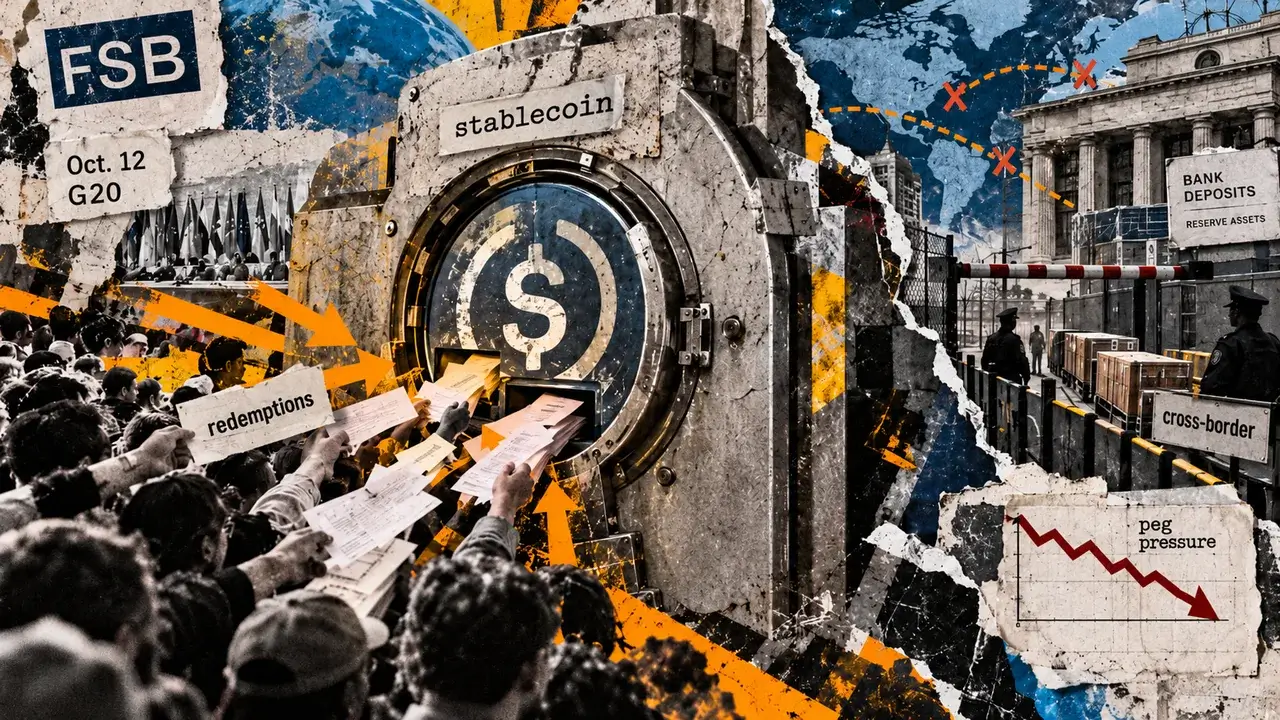
The primary point of contention involves evolving language regarding stablecoin rewards. Stablecoins, which are digital tokens pegged to the value of a fiat currency—typically the U.S. dollar—are the backbone of the crypto trading ecosystem. Coinbase currently offers its users a yield of approximately 4% on holdings of USDC, a stablecoin it co-created with Circle. This yield-bearing model has drawn the ire of the traditional banking sector. Lobbyists for major financial institutions have argued that allowing stablecoins to offer interest-like rewards creates an unfair competitive advantage, potentially draining deposits from traditional savings accounts that offer significantly lower interest rates.
When Coinbase CEO Brian Armstrong announced the company’s withdrawal from the bill process, the move sent shockwaves through Washington. According to sources familiar with the matter, the Trump administration was caught entirely off-guard by the announcement, which led Republican leadership to indefinitely postpone a critical Senate markup of the bill. The delay has cast significant doubt on whether the legislation can pass before the upcoming midterm election cycle effectively freezes the legislative calendar.
The Treasury’s Aggressive Rhetoric: "Nihilists" and "Recalcitrant Actors"
In the wake of Coinbase’s exit, Treasury Secretary Scott Bessent has emerged as the administration’s most vocal critic of industry "holdouts." In a series of public statements and interviews, Bessent has characterized the refusal to support the current version of the bill as a betrayal of the industry’s long-term interests. He has specifically targeted executives like Brian Armstrong, labeling them "crypto nihilists" and "recalcitrant actors" who are prioritizing short-term corporate profits over the establishment of a national regulatory framework.
Bessent’s rhetoric reached a fever pitch in recent weeks when he suggested that executives who find the American regulatory environment or the proposed legislation "non-ideal" should consider relocating their operations to jurisdictions like El Salvador, which has adopted Bitcoin as legal tender. This hardline stance reflects the Treasury’s desperation to secure a legislative victory by the spring, a goal that the administration has designated as a top-tier domestic policy priority.
Despite this public hostility, the Treasury remains in a difficult position. Coinbase’s market share and influence are so substantial that federal officials have been forced to include the company’s executives in ongoing "mediation" meetings. These sessions, which also include representatives from the banking industry, are an attempt to find a middle ground on the issue of stablecoin yield. However, the gap between the banking sector’s desire to outlaw these rewards and the crypto industry’s insistence on their legality remains wide.
World Liberty Financial: A Divergent Strategy at Mar-a-Lago
While the Treasury Department has been sharpening its knives, a different scene unfolded last week at the World Liberty Forum, a high-profile crypto conference held at Mar-a-Lago. During an on-stage interview, Zach Witkoff, CEO of World Liberty Financial, offered a starkly different perspective on Coinbase’s recent political maneuvering.
"We applaud you," Witkoff told Brian Armstrong, explicitly praising the CEO’s decision to walk away from a bill that Coinbase deemed insufficient or harmful. Witkoff further emphasized that World Liberty Financial is "super aligned" with Coinbase’s vision for the industry. This public endorsement from a company so closely associated with the President’s family and business partners creates a striking contrast with the official position of the U.S. Treasury.
World Liberty’s support for Coinbase is not merely ideological; it is deeply rooted in the company’s business model. World Liberty Financial recently launched its own stablecoin, USD1, which serves as the centerpiece of its DeFi ecosystem. Through its "WLFI Markets" application, the company allows users to earn rewards on their USD1 holdings while simultaneously using those funds as collateral for lending and borrowing.
Furthermore, World Liberty is betting heavily on the future of autonomous finance. The firm recently debuted a platform designed for AI agents—autonomous software programs that can navigate the internet, make investments, and execute tasks using USD1. The company is also developing a consumer-facing application, described as a "Venmo-like" service, which would allow users to swap stablecoins for fiat currency and facilitate international remittances. The success of this entire ecosystem depends on the ability of users to earn yield on their digital assets—the exact feature that the Treasury’s market structure bill, under pressure from banks, seeks to restrict.
The Economic Context: Banking Lobby vs. DeFi Yield
The battle over stablecoin rewards is a fundamental conflict over the future of the American monetary system. Traditional banks operate on a model of maturity transformation, where they take in low-interest deposits and lend them out at higher rates. If stablecoin providers like Coinbase or World Liberty Financial can offer 4% or higher on "digital dollars" with instant liquidity, the incentive for consumers to hold money in traditional bank accounts diminishes.
Data from the Federal Reserve suggests that while interest rates have risen, many retail banking institutions have been slow to pass those gains on to depositors. This "deposit beta" lag has created a vacuum that stablecoins are eager to fill. However, the banking lobby argues that stablecoin providers do not face the same regulatory burdens, such as Federal Deposit Insurance Corporation (FDIC) assessments and capital requirements, making their yield-bearing products a systemic risk to financial stability.
The crypto industry counters that stablecoins are often backed 1:1 by highly liquid assets like U.S. Treasury bills, making them safer in some respects than fractional-reserve banks. For companies like World Liberty, the ability to offer yield is not just a feature; it is the primary engine of adoption for their new financial tools.
Chronology of the Market Structure Dispute
- Late 2024: President Trump and his partners launch World Liberty Financial, signaling a major shift toward pro-crypto business interests within the administration’s inner circle.
- Early 2024: The GENIUS Act is signed into law, providing a temporary legal framework that integrates certain crypto functions into the economy and, according to some interpretations, protects the legality of stablecoin rewards.
- Last Month: Coinbase abruptly pulls support for the new market structure bill, citing concerns over "anti-yield" language pushed by banking lobbyists.
- Immediate Aftermath: Republican Senators postpone a key vote on the bill, effectively stalling the legislative process.
- Recent Weeks: Secretary Scott Bessent begins a public campaign against "crypto nihilists," specifically targeting Coinbase for its "recalcitrant" behavior.
- Last Week: The World Liberty Forum at Mar-a-Lago sees the Trump family’s business partners publicly align with Coinbase, creating a visible rift between the administration’s political arm and its business interests.
Implications for Future Legislation and Market Stability
The split between the Treasury and World Liberty Financial places the White House in a precarious position. On one hand, the administration wants to deliver a legislative win that brings the crypto industry under a clear regulatory umbrella. On the other hand, the President’s own business interests are fundamentally aligned with the industry’s resistance to the restrictive terms of that very legislation.
If the market structure bill fails to pass by the spring deadline, the industry will likely continue to operate under the provisions of the GENIUS Act passed last year. For Coinbase and World Liberty, this "status quo" is preferable to a new bill that would outlaw their core revenue-generating features. However, for the Treasury, the failure of the bill would represent a significant policy defeat and a missed opportunity to establish federal oversight of a rapidly growing sector.
The situation is further complicated by international scrutiny. Senators have raised concerns about World Liberty’s business deals, including potential conflicts of interest and the company’s ties to international markets. World Liberty co-founder Zak Folkman has pushed back against these claims, insisting that the company is "on the outside" of the Washington policy-making machine.
"The reality is that we are as beholden to what happens in Washington as anybody else," Folkman told reporters. "We’re watching this whole thing unfold the same way everybody else is."
As the deadline for the spring legislative session approaches, the tension between the Treasury’s regulatory goals and the crypto industry’s commercial ambitions shows no signs of abating. The outcome of this struggle will not only determine the fate of stablecoin yields but will also signal whether the United States can create a unified regulatory framework for the digital age or if the industry will remain a fractured battleground for years to come.