James Watt
In a significant development for the Ethereum staking ecosystem, Obol, a leading innovator in Distributed Validator Technology (DVT), has officially launched the Ethereum Client Team Vault on Lido V3. This strategic initiative, unveiled on January 26, 2026, introduces a meticulously curated, multi-operator, DVT-powered stVault designed to enhance network security, promote client diversity, and offer a robust staking option for ETH-aligned participants, decentralized autonomous organizations (DAOs), and institutional capital allocators. The vault is operated by four of Ethereum’s most integral infrastructure organizations: Sigma Prime, ChainSafe, Develp, and Nethermind, each renowned for their contributions to building and maintaining crucial client software that underpins the network’s stability and resilience.
The Ethereum Client Team Vault is positioned as a response to evolving demands within the pooled staking landscape, specifically addressing limitations in existing architectures that have historically lacked mechanisms for users to express preferences for client diversity or multi-operator security models. Until now, creating a bespoke, operator-specific vault where rewards and responsibilities are intrinsically tied to a defined, high-caliber set of operators remained a challenge. Obol’s solution directly confronts this gap, offering a credibly decentralized and highly secure staking avenue built upon principles of transparency, redundancy, and expertise.
Deep Dive: The Ethereum Client Team Vault’s Core Offering
At its core, the Ethereum Client Team Vault represents a paradigm shift in how stakers can contribute to and benefit from Ethereum’s security. It is not merely another staking pool; rather, it is a specialized product tailored for those who prioritize the fundamental health and decentralization of the Ethereum network above aggressive yield maximization. The vault’s design philosophy is rooted in strengthening the network’s core infrastructure by channeling staked ETH towards operators who are not only technically proficient but also deeply aligned with Ethereum’s long-term vision.
The value proposition for stakers is multi-faceted. By participating in this vault, users are directly signaling support for the organizations that dedicate significant resources to developing and maintaining Ethereum’s diverse client software. This direct support translates into tangible benefits, as stakers leverage the deep operational expertise, battle-tested infrastructure, and unwavering commitment of these client teams. For DAOs and capital allocators, this offers a unique opportunity to deploy capital in a manner that aligns with their ethical and security-conscious mandates, providing a robust, low-risk exposure to Ethereum staking while actively contributing to its decentralization goals. The focus remains squarely on infrastructure quality and network integrity, setting a new benchmark for trust within the Lido V3 ecosystem.
The Imperative of Client Diversity and Decentralization
Client diversity is a cornerstone of Ethereum’s resilience. The network relies on multiple independent client software implementations (e.g., Geth, Erigon, Nethermind for execution layer; Prysm, Lighthouse, Teku, Nimbus for consensus layer). If a single client implementation were to dominate the network (a "client monoculture"), a critical bug or vulnerability within that client could lead to a catastrophic network-wide failure, potentially causing significant downtime, economic losses, and a severe blow to confidence in the Ethereum blockchain.
The Ethereum Client Team Vault directly combats the risks of client monoculture by actively promoting the use of diverse infrastructure stacks among its operators. Each of the four client teams operating validators within the vault is committed to running a distinct combination of execution and consensus layer clients. This architectural choice inherently minimizes correlated failures and enhances the network’s fault tolerance. By directing staking capital to these diverse operators, stakers are not just earning rewards; they are actively investing in the robustness and long-term viability of Ethereum itself. This initiative serves as a practical demonstration of how pooled staking can be structured to actively reinforce, rather than potentially undermine, the network’s decentralization objectives. According to recent analyses, while client diversity has improved since The Merge, continuous efforts are needed to ensure no single client exceeds a safe threshold, often cited around 33-50% of the network. This vault directly contributes to shifting these statistics towards a healthier distribution.
Distributed Validator Technology (DVT): A Pillar of Enhanced Security
Distributed Validator Technology (DVT) is the architectural innovation that underpins the enhanced security and decentralization of the Ethereum Client Team Vault. DVT addresses one of the primary vulnerabilities in traditional staking: the single point of failure associated with a validator’s private key. In a DVT setup, the validator key is not held by a single entity. Instead, it is created using a Distributed Key Generation (DKG) ceremony, and the resulting key shares are distributed across multiple independent node operators. For a validator to perform its duties (e.g., proposing blocks, attesting), a predefined threshold of these key shares must be online and cooperating.
This multi-operator, threshold signature scheme means that no single operator can act unilaterally with the validator keys. If one operator goes offline or attempts malicious behavior, the validator can still function as long as the threshold of honest operators is met. This significantly enhances fault tolerance, reduces the risk of slashing due to operator error or malicious intent, and provides a layer of censorship resistance. Obol has been at the forefront of DVT development, and its integration into the Lido V3 framework via this vault showcases the technology’s maturity and its potential to revolutionize staking security. By distributing operational risk across Sigma Prime, ChainSafe, Develp, and Nethermind, the vault achieves a level of resilience that far surpasses what a single-operator setup could offer, making it an exceptionally secure option for discerning stakers.
Lido V3 and stVaults: The Foundational Layer
Lido has established itself as the preeminent liquid staking protocol on Ethereum, commanding a significant share of the staked ETH market. Its reputation for robust, battle-tested on-chain infrastructure makes it a natural partner for an initiative focused on security and decentralization. The launch of Lido V3 introduced the concept of "stVaults," a flexible and permissionless framework designed to empower developers and operators to create customized staking products atop Lido’s proven smart contract architecture.
For Obol, building the Ethereum Client Team Vault on Lido V3 stVaults provides access to a trusted brand and a mature technological stack. This strategic partnership eliminates the need for Obol to develop complex deposit flows, deploy new smart contracts from scratch, or build standalone frontends. Instead, Obol can leverage Lido’s existing infrastructure for token issuance (stETH), reward distribution, and overall protocol management. This allows Obol and the participating client teams to focus their resources on their core competencies: delivering best-in-class uptime, optimizing validator performance, and running highly decentralized, client-diverse DVT clusters. The collaboration exemplifies how specialized protocols can synergize to enhance the overall health and functionality of the Ethereum ecosystem, with Lido providing the robust platform and Obol bringing the innovative DVT and operator curation.
The Architects of Stability: Sigma Prime, ChainSafe, Develp, and Nethermind
The credibility and robustness of the Ethereum Client Team Vault are profoundly amplified by the caliber of its operating teams. Sigma Prime, ChainSafe, Develp, and Nethermind are not merely node operators; they are foundational pillars of the Ethereum ecosystem, each contributing significantly to the development and maintenance of essential client software.
- Sigma Prime is known for its work on Lighthouse, a leading consensus layer client, demonstrating deep expertise in protocol-level development and network security.
- ChainSafe is a multi-chain R&D firm that contributes to numerous blockchain projects, including Ethereum, with a strong focus on client development (e.g., Lodestar, Web3.js) and infrastructure.
- Develp, while perhaps less widely known to the retail public than the others, is recognized within the developer community for its specialized contributions to Ethereum infrastructure and tooling, often working quietly but effectively on core components.
- Nethermind develops a widely used execution layer client, also named Nethermind, and is a key contributor to various Ethereum research and development initiatives.
These organizations represent the intellectual and operational backbone of Ethereum. Their direct involvement ensures that the validators within the vault are run with unparalleled operational expertise, an intimate understanding of client software intricacies, and a steadfast commitment to the network’s integrity. Staking with this vault means aligning with entities whose primary mission is the long-term success and decentralization of Ethereum, rather than purely commercial gain. This alignment fosters a level of trust and confidence that is difficult to replicate in broader, less curated staking pools.
A Conservative Approach: Prioritizing Integrity Over Yield
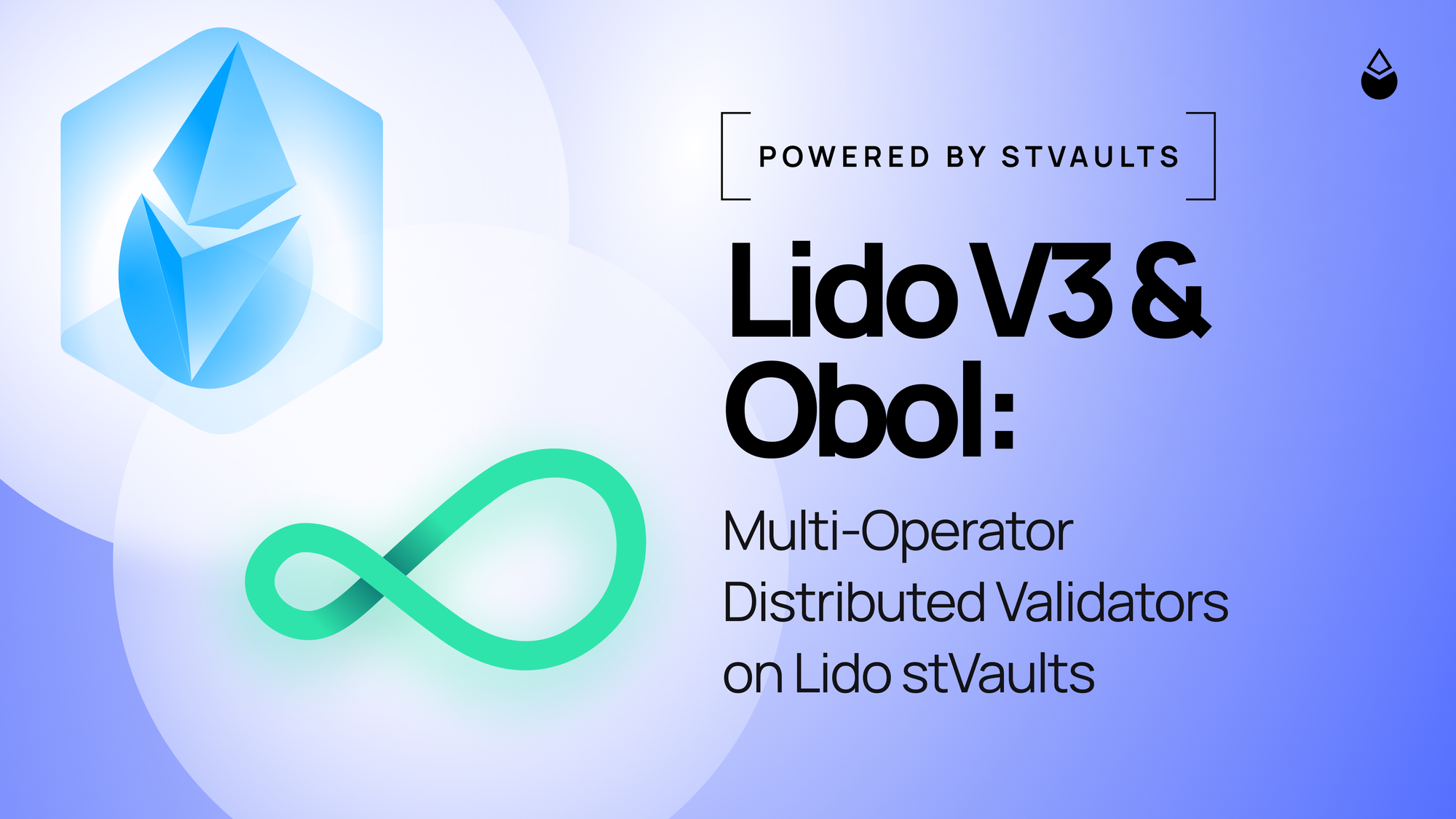
A defining characteristic of the Ethereum Client Team Vault is its deliberately conservative configuration. The design explicitly avoids any form of leverage, looping, or complex DeFi strategies often seen in other yield-generating protocols. This "vanilla" approach is a conscious decision to prioritize brand integrity, risk management, and the fundamental security of staked assets over the pursuit of the highest possible APR.
In an ecosystem frequently characterized by rapid innovation and sometimes speculative yield opportunities, the vault stands as a testament to stability. Its focus is unequivocally on validator performance and operator quality. By minimizing strategic complexity, the vault significantly reduces exposure to smart contract risks, liquidation risks, and other potential pitfalls associated with intricate DeFi integrations. This makes it an ideal option for institutional stakers, DAO treasuries, and high-net-worth individuals who demand a high degree of security and predictability from their staking endeavors, even if it means foregoing potentially higher, but riskier, returns. The message is clear: infrastructure quality and unwavering security are paramount, establishing a new standard for trust within the Lido V3 landscape.
Addressing Limitations in Traditional Pooled Staking
The genesis of the Ethereum Client Team Vault can be traced to identified limitations within traditional pooled staking models. While pooled staking has democratized access to Ethereum staking, allowing participants with less than 32 ETH to contribute, these models often lack granularity. Users typically cannot choose their preferred node operators, nor can they explicitly signal a preference for client diversity or a multi-operator security setup. This can lead to concerns about centralization if a large pool routes all its stake through a limited number of operators or a single client type.
Obol’s product directly addresses these shortcomings by offering a curated, multi-operator DVT stVault that is "credibility decentralized by design." It provides stakers with a transparent mechanism to select a specific, high-quality set of operators known for their contributions to Ethereum’s core infrastructure. This empowers stakers to actively participate in strengthening the network’s decentralization and resilience, moving beyond passive participation to an informed and impactful choice. The vault creates a direct link between staker preference and operational excellence, ensuring that capital flows towards those who are most committed to and capable of securing the network.
Timeline and Context: The Evolution of Staking and DVT
The launch of the Ethereum Client Team Vault on Lido V3 in early 2026 is a culmination of several years of significant developments within the Ethereum ecosystem. Following the highly anticipated Merge in September 2022, which transitioned Ethereum to Proof-of-Stake, staking became a central component of network security. Initial staking solutions, including early iterations of liquid staking protocols like Lido, quickly gained traction. However, as the amount of staked ETH grew, so did discussions around centralization risks, particularly concerning the dominance of a few large entities and the potential for client monoculture.
This spurred intense research and development into solutions like Distributed Validator Technology. Obol, along with other DVT projects, emerged as a promising answer to these concerns, offering a technical framework to distribute validator responsibilities and enhance fault tolerance. Lido’s own evolution to V3, with its emphasis on permissionless stVaults, represented a strategic move to accommodate such innovations, providing a modular platform for diverse staking products. The collaboration between Obol and Lido, alongside the critical involvement of the core client teams, therefore, marks a natural progression in Ethereum’s journey towards greater decentralization, security, and resilience, leveraging mature technologies to address long-standing challenges. The January 2026 launch is not an isolated event but a significant milestone in this ongoing evolutionary timeline.
Statements and Industry Reactions
"The Ethereum Client Team Vault represents a pivotal moment for Obol and the broader staking ecosystem," stated a spokesperson for Obol. "We believe that by combining DVT with Lido V3’s robust infrastructure and the unparalleled expertise of Ethereum’s core client teams, we are setting a new standard for secure, decentralized, and credibly neutral staking. This isn’t just about earning yield; it’s about actively contributing to the health and longevity of Ethereum."
A representative from Lido echoed this sentiment, remarking, "Lido V3 was designed to foster innovation and expand the utility of liquid staking while upholding our commitment to decentralization. The partnership with Obol and the integration of the Client Team Vault exemplify the power of stVaults to enable specialized, high-integrity staking solutions. It allows our ecosystem to offer more choice to stakers who prioritize network health and security above all else."
From the perspective of the operating teams, a spokesperson for one of the participating client teams added, "Our mission has always been to build and secure Ethereum’s core infrastructure. By directly participating in this DVT vault, we can offer stakers a direct avenue to support client diversity and robust operations. It’s a powerful way for the community to align with the builders, ensuring the network remains resilient and decentralized for years to come."
Broader Implications for the Ethereum Ecosystem
The launch of the Ethereum Client Team Vault is expected to have several far-reaching implications for the Ethereum ecosystem. Firstly, it provides a tangible, accessible mechanism for improving client diversity. As more stakers choose this vault, a greater portion of staked ETH will be routed through operators committed to diverse client stacks, thereby reducing the systemic risk associated with client monoculture. This could lead to a measurable improvement in network resilience metrics.
Secondly, it sets a powerful precedent for the adoption and integration of Distributed Validator Technology. The successful deployment and operation of such a high-profile DVT-powered vault on Lido V3 could accelerate the mainstream acceptance and implementation of DVT across other staking pools and protocols, further decentralizing validator operations across the network.
Thirdly, the vault’s conservative, security-first approach is likely to attract a new class of stakers, particularly institutions, corporate treasuries, and DAOs, who have stringent risk management requirements. By demonstrating that high-integrity, low-risk staking is viable and accessible, the vault could unlock significant capital that has thus far been hesitant to enter the more volatile or complex segments of the DeFi staking market.
Finally, this initiative reinforces the collaborative spirit within the Ethereum community, showcasing how different protocols and core development teams can work together to address critical network-level challenges. It exemplifies a proactive approach to maintaining Ethereum’s core values of decentralization, censorship resistance, and security in the face of rapid growth and increasing complexity.
Looking Ahead: The Future of Decentralized Staking
The Ethereum Client Team Vault is more than just a new product; it is a vision for the future of decentralized staking. By combining the strengths of DVT, the flexibility of Lido V3 stVaults, and the unparalleled expertise of Ethereum’s core client teams, Obol has created a powerful tool for stakers who wish to align their financial interests with the fundamental health of the network. As Ethereum continues to mature and scale, the principles of client diversity, multi-operator security, and credible decentralization will become increasingly vital. This vault serves as a leading example of how these principles can be practically implemented, paving the way for a more robust, resilient, and truly decentralized Ethereum for years to come. The ongoing evolution of DVT and its deeper integration into the staking infrastructure will likely continue to shape how participants interact with and secure the world’s leading smart contract platform.