Lina Irawan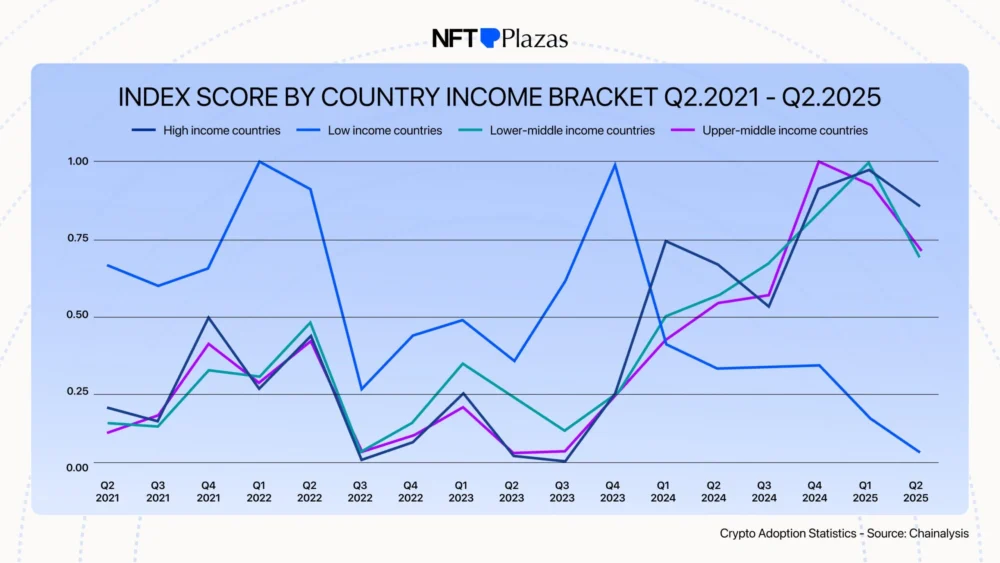
The global cryptocurrency landscape is undergoing a profound transformation in 2026, marked by accelerating adoption rates across diverse demographics and an increasing integration into both retail and institutional financial frameworks. As digital assets mature from niche technologies to mainstream financial instruments, a comprehensive analysis of recent statistics reveals a dynamic picture of widespread acceptance, innovative use cases, and the evolving role of cryptocurrencies in the global economy. This report, drawing on the latest available data and expert analyses, provides an in-depth examination of the key trends, country-specific adoption patterns, demographic shifts, and the burgeoning acceptance by merchants and institutions that are collectively defining the future of digital finance.
Key Trends Shaping Cryptocurrency Adoption in 2026

The year 2026 stands as a pivotal moment in the journey of cryptocurrency adoption. Several overarching trends are driving this accelerated growth:
- Maturation of Blockchain Technology: Advances in blockchain scalability solutions, enhanced security protocols, and the development of user-friendly interfaces have significantly reduced barriers to entry for both individuals and businesses. This technological evolution is making cryptocurrencies more accessible, reliable, and practical for everyday use.
- Regulatory Clarity and Frameworks: While challenges persist, a growing number of jurisdictions are establishing clearer regulatory frameworks for digital assets. This provides a more stable and predictable environment, encouraging both individual investment and institutional participation. The perceived reduction in regulatory uncertainty is a significant catalyst for broader adoption.
- Growing Institutional Interest: 2026 has seen a substantial increase in institutional adoption, with hedge funds, asset managers, and even traditional financial institutions exploring and investing in cryptocurrencies and related technologies. The launch of Bitcoin ETFs and other crypto-linked financial products has further legitimized the asset class.
- Emergence of Central Bank Digital Currencies (CBDCs): While distinct from decentralized cryptocurrencies, the ongoing development and pilot programs for CBDCs by various central banks globally are indirectly fostering a greater understanding and acceptance of digital forms of money. This can create a more receptive environment for private digital currencies.
- Expansion of Use Cases Beyond Speculation: While investment remains a primary driver, the utility of cryptocurrencies is expanding. Payments, decentralized finance (DeFi) applications, non-fungible tokens (NFTs) for digital ownership, and blockchain-based gaming are increasingly demonstrating practical value, attracting a wider user base.
- Increased Mobile Integration: The proliferation of crypto wallets and exchanges accessible via mobile devices has made it easier than ever for individuals to engage with digital assets. This mobile-first approach is particularly impactful in emerging markets where smartphone penetration is high.
Global Adoption: A Snapshot by Country
The geographic distribution of cryptocurrency adoption in 2026 presents a multifaceted picture, with significant variations in ownership, usage, and regulatory approaches. Emerging economies, particularly in Asia and Africa, continue to exhibit remarkably high adoption rates, often driven by a desire for financial inclusion, inflation hedging, and more efficient remittance services.

While specific percentages fluctuate based on reporting methodologies, consistent patterns emerge:
- Leading Nations: Countries such as Vietnam, India, and the Philippines have frequently appeared at the forefront of global cryptocurrency ownership surveys. These nations often exhibit high rates of peer-to-peer crypto trading and a strong reliance on mobile-based financial solutions. The perceived instability of local fiat currencies in some regions can also incentivize the adoption of alternative digital assets.
- Developed Markets: In North America and Europe, adoption continues to grow, albeit at a potentially more measured pace compared to some emerging markets. The presence of established financial institutions, regulatory bodies, and a higher degree of financial literacy contribute to a more nuanced adoption curve. However, the approval of spot Bitcoin ETFs in major markets like the United States has significantly boosted institutional and retail investor interest.
- Latin America: Countries like Brazil and Argentina have witnessed substantial growth in crypto adoption, often fueled by high inflation rates and a search for stable stores of value. The ease of cross-border transactions facilitated by cryptocurrencies is also a significant draw.
- Africa: Several African nations are emerging as hotspots for crypto adoption, driven by the unbanked population, the high cost of traditional remittances, and a growing digital economy. Nigeria, Kenya, and South Africa are frequently cited for their vibrant crypto communities and increasing transaction volumes.
Adoption Growth Year-Over-Year: A Trajectory of Expansion
The year-over-year growth in cryptocurrency adoption in 2026 reflects a sustained and accelerating trend. While exact figures vary between research firms, the general consensus points to a significant increase in the number of individuals and entities engaging with digital assets compared to previous years.

- User Base Expansion: Global cryptocurrency user numbers have continued to climb, with projections indicating a substantial percentage increase from 2025. This growth is not solely driven by new entrants but also by existing users increasing their holdings and engagement with a broader range of digital assets and applications.
- Transaction Volume Surge: Alongside user growth, the total volume of cryptocurrency transactions, both on-chain and off-chain, has also seen a marked increase. This suggests a growing utility and acceptance of crypto for various purposes, from everyday purchases to significant investments.
- Market Capitalization Growth: While volatile, the overall market capitalization of cryptocurrencies has demonstrated resilience and growth over the medium to long term, indicating a strengthening investor confidence and a growing pool of capital flowing into the digital asset space. This sustained market value underscores the increasing economic significance of cryptocurrencies.
Demographic Shifts: Age and Gender Distribution in Crypto Ownership
The demographic profile of cryptocurrency adopters in 2026 is evolving, reflecting a broadening appeal beyond the early tech-savvy adopters.
- Age Demographics: While younger generations, particularly Millennials and Gen Z, continue to be prominent in crypto adoption due to their digital nativity and comfort with new technologies, there is a noticeable increase in adoption among older demographics. Baby Boomers and Gen X are increasingly exploring cryptocurrencies, often driven by investment opportunities and a desire to diversify their portfolios beyond traditional assets. This broader age appeal suggests a maturation of the market and increasing trust in digital assets.
- Gender Distribution: Historically, the cryptocurrency space has seen a male-dominated user base. However, 2026 data indicates a narrowing gender gap. Efforts to improve accessibility, user education, and the development of more inclusive platforms are contributing to a growing number of women engaging with cryptocurrencies. While parity may still be some way off, the trend is demonstrably positive, suggesting a more equitable future for digital finance.
Income and Economic Factors Influencing Adoption

Income levels play a significant role in shaping cryptocurrency adoption patterns, with distinct trends observed across different income brackets:
- Higher Income Brackets: Individuals with higher disposable incomes often have greater capacity to invest in volatile assets like cryptocurrencies. They are also more likely to have access to advanced financial tools and educational resources, facilitating their engagement with the crypto market. Institutional investors, by their nature, represent a significant force in this segment.
- Middle-Income Brackets: The middle-income demographic is increasingly engaging with cryptocurrencies, often driven by a desire for wealth creation and portfolio diversification. The accessibility of fractional ownership and lower entry barriers for some cryptocurrencies and tokens make them appealing to this segment.
- Lower Income Brackets: In emerging markets, cryptocurrencies are gaining traction among lower-income individuals as a means of financial inclusion, a hedge against inflation, and a more cost-effective way to send and receive remittances. For those underserved by traditional banking systems, crypto offers an accessible pathway to financial services.
Merchant Acceptance and Payment Integration
The integration of cryptocurrencies into everyday commerce is a critical indicator of widespread adoption, and 2026 has witnessed significant advancements in this area.

- Growing Merchant Adoption: An increasing number of businesses, from small online retailers to larger corporations, are beginning to accept cryptocurrencies as a form of payment. This is facilitated by the development of user-friendly payment gateways and crypto processing services that convert crypto payments into fiat currency for merchants, mitigating volatility risks.
- Payment Innovations: Beyond direct payment acceptance, innovations like stablecoin-backed debit cards and integrated crypto payment solutions within existing e-commerce platforms are making it more seamless for consumers to use digital assets for purchases.
- Remittances and Cross-Border Transactions: Cryptocurrencies continue to play a crucial role in facilitating cheaper and faster cross-border remittances, particularly in regions with high transaction fees for traditional services. This use case is a significant driver of adoption in many developing economies.
Institutional and Corporate Adoption: A Paradigm Shift
The most profound shift in cryptocurrency adoption in 2026 lies in the increasing embrace by institutional investors and corporations. This trend signals a growing recognition of digital assets as legitimate investments and potential technological building blocks.
- Asset Management and Investment: Major asset management firms, hedge funds, and investment banks are increasingly allocating capital to cryptocurrencies, either directly or through investment vehicles like ETFs and futures contracts. This institutional capital infusion provides significant liquidity and stability to the market.
- Corporate Treasury Holdings: A growing number of publicly traded companies are adding Bitcoin and other cryptocurrencies to their corporate treasuries. This strategy is often driven by a belief in the long-term appreciation of these assets and a desire to diversify their balance sheets away from traditional fiat currencies.
- Blockchain Technology Integration: Beyond financial investments, corporations are actively exploring and implementing blockchain technology for various business applications, including supply chain management, digital identity verification, and the tokenization of assets. This adoption of the underlying technology is a strong indicator of the long-term viability and impact of the crypto ecosystem.
- Regulatory Engagement: Institutions are actively engaging with regulators to shape the future of crypto regulation. This proactive approach indicates a commitment to operating within established frameworks and a belief in the sustainable growth of the industry.
Implications and Future Outlook

The statistics from 2026 paint a picture of a rapidly evolving digital asset ecosystem. The increasing adoption rates, broadening demographic appeal, and growing institutional involvement suggest that cryptocurrencies are moving beyond their speculative origins to become an integral part of the global financial infrastructure.
- Financial Inclusion: The continued adoption in emerging markets holds the promise of greater financial inclusion for unbanked and underbanked populations, offering access to digital payments, savings, and investment opportunities.
- Economic Diversification: For nations facing economic volatility or seeking to innovate, cryptocurrencies and blockchain technology offer avenues for economic diversification and the development of new digital economies.
- Innovation in Financial Services: The rise of DeFi and tokenized assets is poised to disrupt traditional financial services, offering more efficient, transparent, and accessible alternatives for lending, borrowing, and asset management.
- Challenges Remain: Despite the progress, significant challenges persist. Volatility, regulatory uncertainty in some jurisdictions, security concerns, and the environmental impact of certain consensus mechanisms (like Proof-of-Work) remain areas of focus and ongoing debate. However, the industry is actively working on solutions, including the widespread adoption of more energy-efficient Proof-of-Stake mechanisms.
As 2026 unfolds, the trajectory of cryptocurrency adoption appears set for continued expansion. The interplay between technological innovation, evolving regulatory landscapes, and increasing mainstream acceptance will undoubtedly shape the future of finance, making digital assets an increasingly indispensable component of the global economic narrative.