Lina Irawan
The pursuit of robust investment strategies often leads investors toward traditional safe-haven assets, with gold consistently holding a prominent position. As the global financial markets continue to evolve, so too do the avenues for trading this precious metal. For traders seeking to capitalize on gold’s price fluctuations, selecting the right broker is paramount. This article delves into the leading gold trading brokers for 2026, providing an in-depth analysis of their offerings, costs, and suitability for various investor profiles.
The sheer volume of brokers offering gold-based instruments can be overwhelming, making a discerning choice a critical step. This comprehensive review aims to simplify that decision-making process by examining the core features, trading costs, advantages, and potential drawbacks of the top platforms available worldwide. From seasoned institutional investors to retail traders taking their first steps into the gold market, understanding these nuances is key to a successful trading journey.
The Top Tier: 10 Leading Gold Trading Brokers for 2026
The following table outlines the leading gold trading brokers, highlighting their specialized strengths, the gold products they offer, their fee structures, and their standing on the Trustpilot platform, a widely recognized independent review site.

| Gold Broker | Best For | Gold Products | Fees | Trustpilot Rating |
|---|---|---|---|---|
| Plus500 | Intuitive gold trading app | CFDs and derivatives | N/A (proprietary fee structure) | 4.2/5 |
| Forex.com | Forex trading | Spot gold and CFDs | Gold spreads between 86 – 202 pips | 4.6/5 |
| Pepperstone | Superior customer support | CFDs | Raw spreads from 0.0 and commissions from $3.50/lot | 4.3/5 |
| Capital.com | CFD trading | Gold spot and futures CFDs | Dynamic gold spreads between 0.5 – 0.75 | 4.6/5 |
| CMC Markets | Spread betting | CFDs | Minimum spread of 0.39 | 4.3/5 |
| Exness | Swap-free trades | CFDs | Spreads vary, starting from zero | 4.8/5 |
| Interactive Brokers | Unallocated gold trading | Spot gold, CFDs, futures, ETFs, mining stocks | Variable commissions based on trade volume | 3.6/5 |
| IG | CFD trading | Spot gold, CFDs, thematic baskets | Minimum gold spread of 0.3 | 3.9/5 |
| NinjaTrader | Futures contracts | Gold futures | Nominal commissions starting from $0.09 | 3.6/5 |
| AvaTrade | Multi-asset trading | Gold CFDs | Average spread of 0.34 | 4.8/5 |
In-Depth Review of Leading Gold Trading Brokers
To provide a more granular understanding, let’s examine some of the top contenders in detail.
1. Plus500: User-Friendly Interface for Gold Trading
Launched in 2008, Plus500 has established itself as a significant player in the fintech landscape. This proprietary technology-driven firm, registered in the US and serving over 33 million users globally, caters to both novice and experienced traders. Their platform offers a diverse array of financial instruments, including Contracts for Difference (CFDs), share dealings, futures, and options, with a particular emphasis on an intuitive trading app. Plus500’s commitment to accessibility is further underscored by its authorization to offer futures trading through its CFTC-registered subsidiary, Plus500US. The company’s premium listing on the London Stock Exchange’s Main Market and its inclusion in the FTSE 250 index lend it considerable credibility.
- Key Features: A user-friendly trading platform, a robust mobile app, a wide selection of CFDs, and strong regulatory oversight.
- Gold Trading Costs: Plus500 operates on a spread-based model, with no explicit data, platform, or routing fees. Deposits and withdrawals are also generally free. While specific contract charges and liquidation fees apply, the primary cost is embedded within the bid-ask spread for gold trading. An inactivity fee of $10 per month is applied if an account remains dormant.
- Pros: Intuitive platform, excellent for beginners, diverse product offering, strong regulatory standing.
- Cons: Primarily focused on CFDs, which may not suit all trading styles; limited research tools compared to some competitors.
2. Forex.com: A Forex Giant with Strong Gold Offerings

Forex.com, founded in 2001 and a subsidiary of the NASDAQ-listed StoneX Group, is a globally recognized forex broker known for its competitive pricing, rapid trade execution, and comprehensive market research. For gold traders, Forex.com offers both spot gold and gold CFDs, providing flexibility in how investors can access the market. The platform is accessible through MetaTrader 5 (MT5) for advanced traders and TradingView for those who prefer a more integrated charting experience. The availability of a "raw spreads" account further appeals to traders seeking the tightest possible spreads, a crucial factor in cost-sensitive trading.
- Key Features: Award-winning platform, robust forex trading capabilities, multiple trading platforms (MT5, TradingView), integrated market research.
- Gold Trading Costs: Forex.com’s gold trading costs are primarily determined by spreads, which can range from 86 to 202 pips for XAU/USD, XAU/CHF, XAU/EUR, XAU/AUD, and XAU/JPY pairs. These spreads are competitive for a broker with such extensive forex expertise.
- Pros: Strong reputation, excellent for forex and gold trading, advanced trading platforms, competitive spreads on certain accounts.
- Cons: Spreads can be wider on standard accounts compared to specialized CFD brokers; a significant portion of their offering is geared towards forex.
3. Pepperstone: Excellence in Customer Support and Trading Execution
Since its inception in 2010, Pepperstone, an Australian-based broker, has garnered a substantial global following, serving over 830,000 clients across more than 150 countries. The broker processes in excess of AU$1 trillion in trades monthly, a testament to its scale and operational efficiency. Pepperstone’s commitment to security is further evidenced by its ISO 27001, SOC2 Type 1, and CSA STAR certifications. Client funds are held in segregated accounts, and the broker is regulated by prominent financial authorities including DFSA, CMA, ASIC, CySEC, and FCA. Pepperstone offers CFDs on gold, with a choice between the sophisticated MetaTrader 5 platform and the user-friendly TradingView.
- Key Features: Superior customer support, high-quality execution, ISO certifications, strong regulatory compliance, choice of trading platforms (MT5, TradingView).
- Gold Trading Costs: Pepperstone offers "raw spreads" starting from 0.0 pips, with fixed commissions of $3.50 per lot per side. This transparent and competitive fee structure is a significant draw for active traders.
- Pros: Excellent customer service, low trading costs for active traders, strong regulatory framework, diverse trading tools.
- Cons: Primarily offers CFDs, which may not be suitable for all investors; MT5 can have a steeper learning curve for absolute beginners.
4. Capital.com: A Leader in CFD Trading with Robust Security
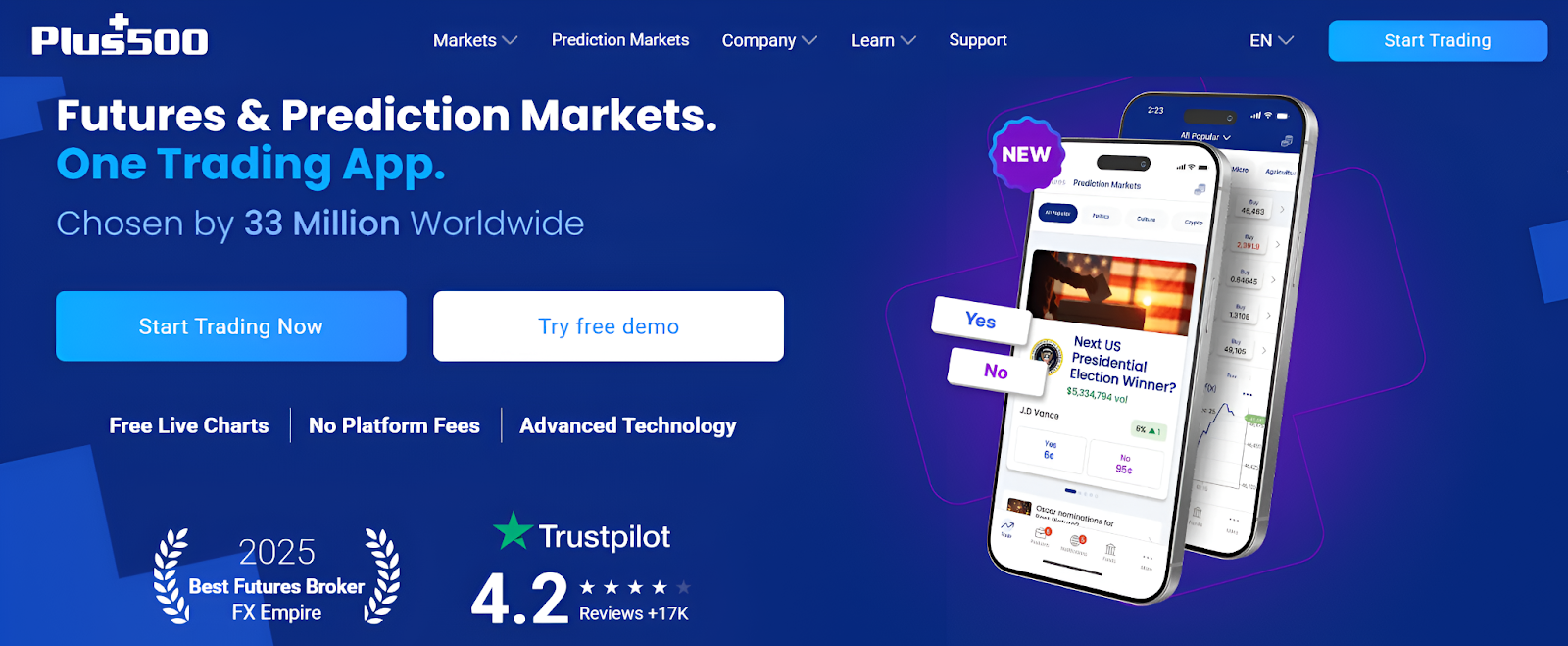
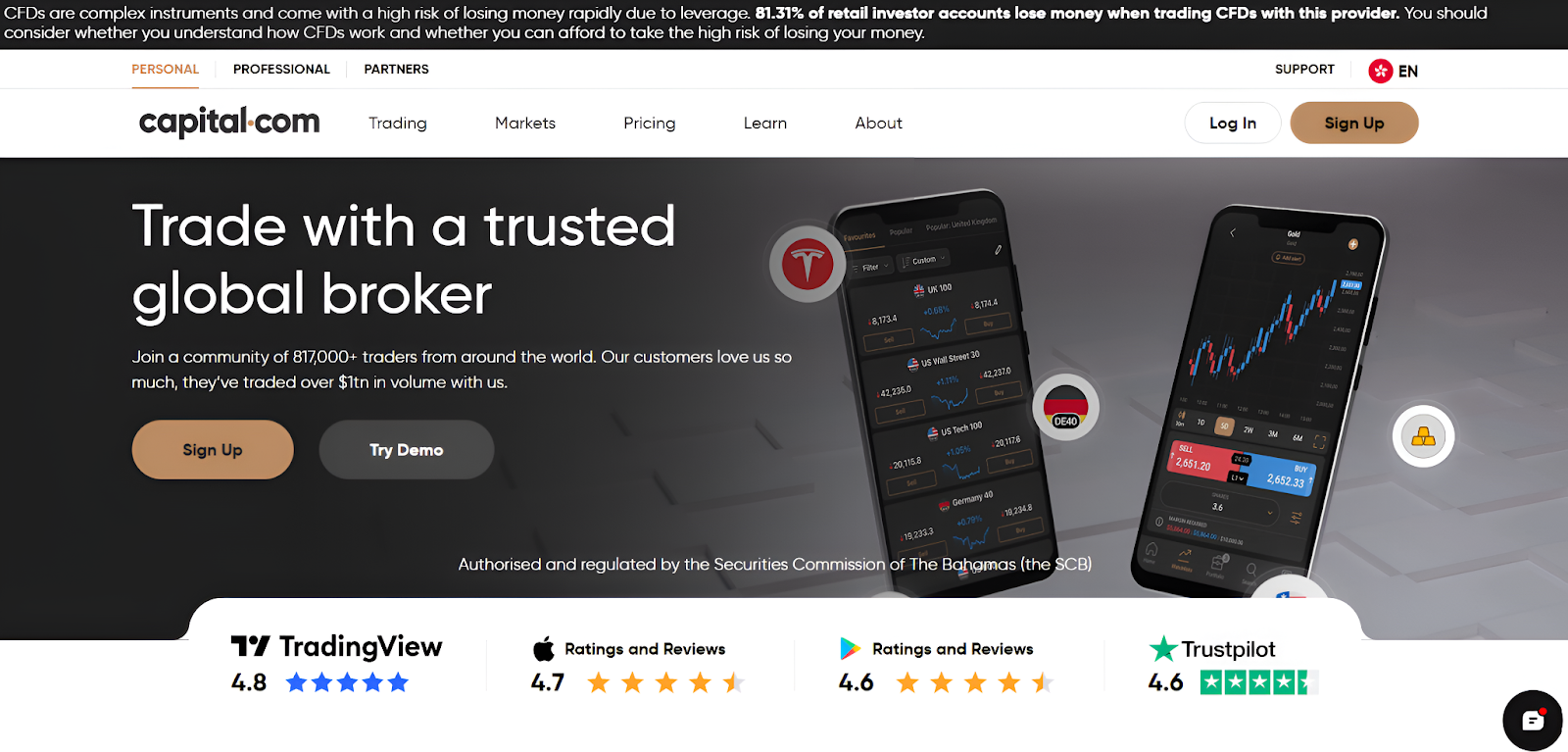
Capital.com, established in 2016 in Cyprus, has rapidly ascended to become a highly reputable platform, recognized for its user-friendly interface and competitive fee structure. It has been lauded as the "Best CFD broker" by BrokerChooser and received accolades from Good Money Guide and ForexBrokers for its trading accounts and ease of use. Serving over 817,000 traders globally, Capital.com has expanded its presence with offices in numerous countries, including the UAE, Australia, and several European nations. The platform places a strong emphasis on security, implementing segregated accounts, negative balance protection, and guaranteed stop-loss orders. Regulation by the Securities Commission of the Bahamas (SCB) further bolsters its trustworthiness.
- Key Features: Award-winning CFD broker, intuitive interface, strong security features (segregated accounts, negative balance protection), multi-asset trading.
- Gold Trading Costs: Capital.com offers dynamic gold spreads that typically range between 0.5 and 0.75 pips. This competitive spread structure makes it an attractive option for CFD traders.
- Pros: Excellent for CFD trading, user-friendly platform, strong security measures, competitive spreads.
- Cons: Primarily focused on CFDs, which carry higher risk; regulatory oversight might be perceived differently depending on the jurisdiction of operation.
5. CMC Markets: A Legacy of Trust and Innovation
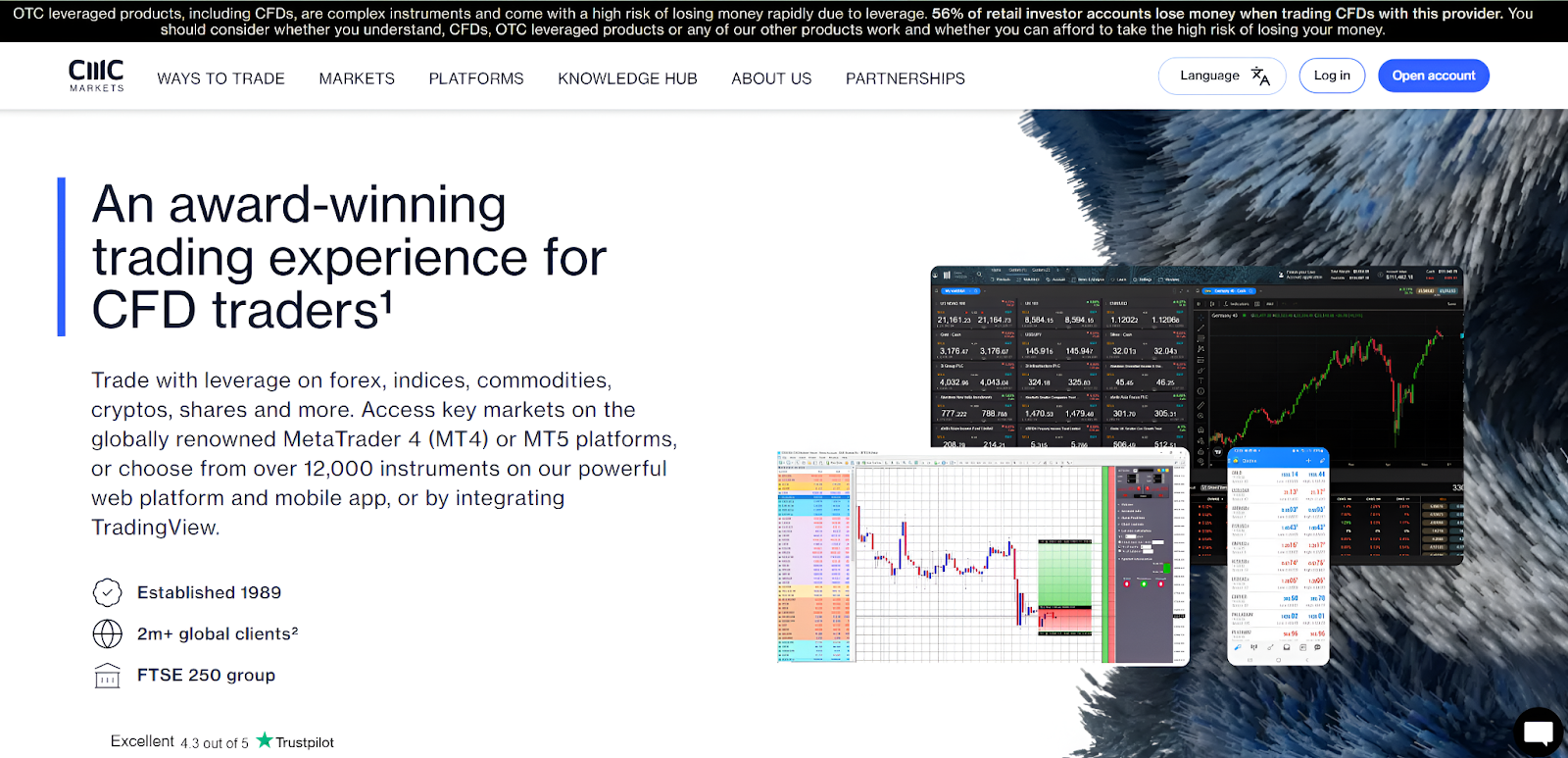
With over 35 years of experience, CMC Markets, founded in 1989, stands as one of the most established gold brokers. Boasting 12 global offices and a user base exceeding 2 million traders, the company is renowned for its customer-centric approach, high-quality services, and competitive spreads. As a member of the FTSE 250 group and regulated by esteemed bodies like the Monetary Authority of Singapore (MAS) and BaFIN, CMC Markets offers a secure and reliable trading environment. They provide CFDs on gold, enabling traders to speculate on price movements without holding the physical asset.
- Key Features: Long-standing reputation, extensive market access, high-quality trading platform (Next Generation), strong regulatory backing.
- Gold Trading Costs: CMC Markets offers a minimum gold spread of 0.39 pips. This competitive spread, coupled with a transparent fee structure, makes it an appealing choice for active traders.
- Pros: Extensive trading experience, robust platform, strong regulatory compliance, competitive spreads.
- Cons: Primarily focused on CFDs and spread betting, which may not be suitable for all investment objectives.
6. Exness: A Leading Multi-Asset Broker with Swap-Free Options
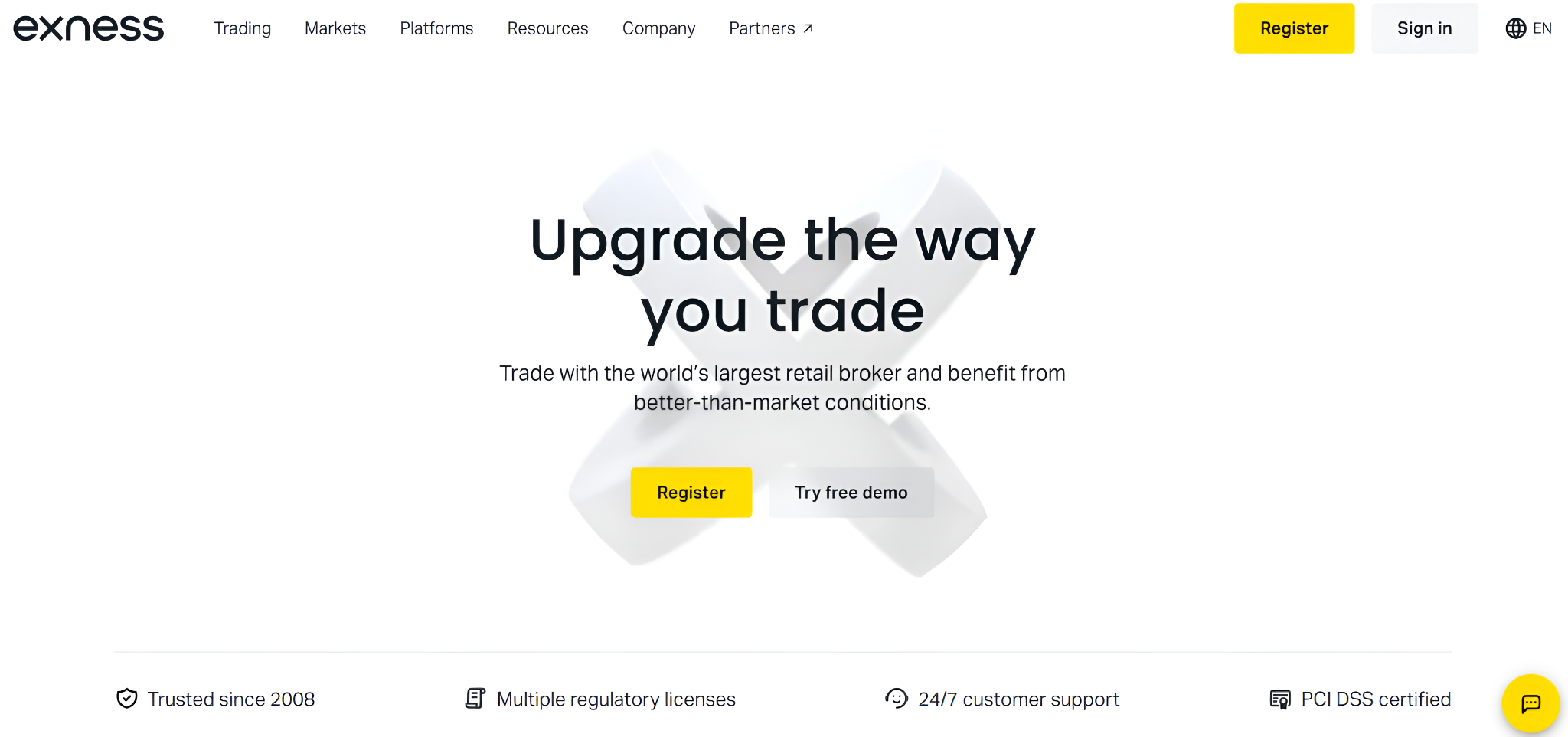
Exness, established in 2008, has emerged as a significant force in the multi-asset CFD market. With 13 global offices and regulatory licenses from authorities like the FCA, CBCS, FSC, and CySEC, Exness prioritizes security and data protection, holding PCI: DSS certification. A key differentiator for Exness is its offering of swap-free trades, a feature particularly beneficial for traders who hold positions overnight and wish to avoid overnight financing charges. The broker provides 24/7 multilingual support across various channels, ensuring client queries are addressed promptly.
- Key Features: Swap-free trading options, strong regulatory compliance, wide range of assets, 24/7 multilingual customer support.
- Gold Trading Costs: Exness offers competitive spreads that vary across account types, with some accounts starting from zero spreads. This flexibility allows traders to choose an account that best aligns with their trading strategy and cost sensitivities.
- Pros: Attractive for traders seeking swap-free options, competitive spreads, strong security measures, extensive customer support.
- Cons: The variety of account types and their associated fee structures can be complex for new users; primarily offers CFDs.
7. Interactive Brokers: A Comprehensive Trading Ecosystem
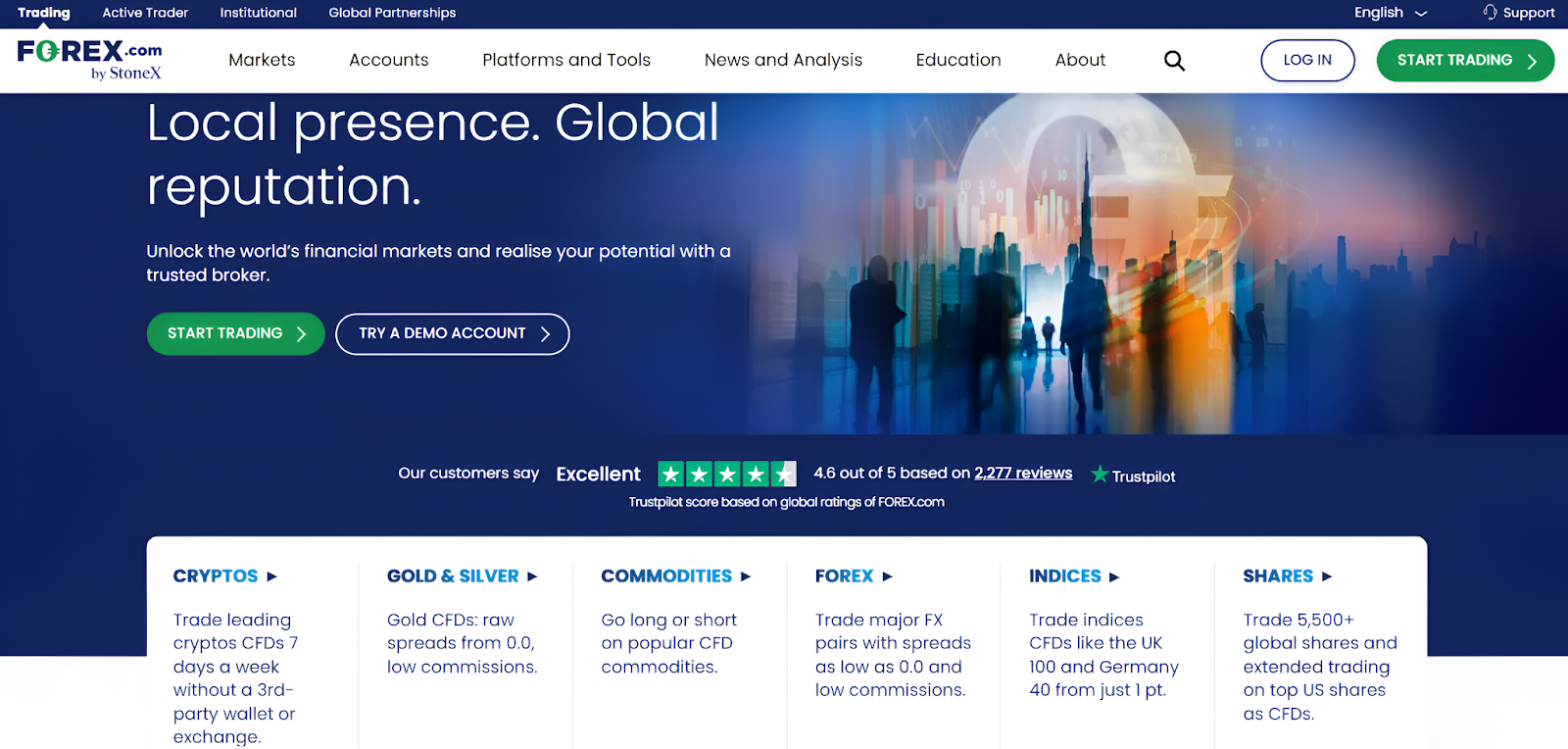
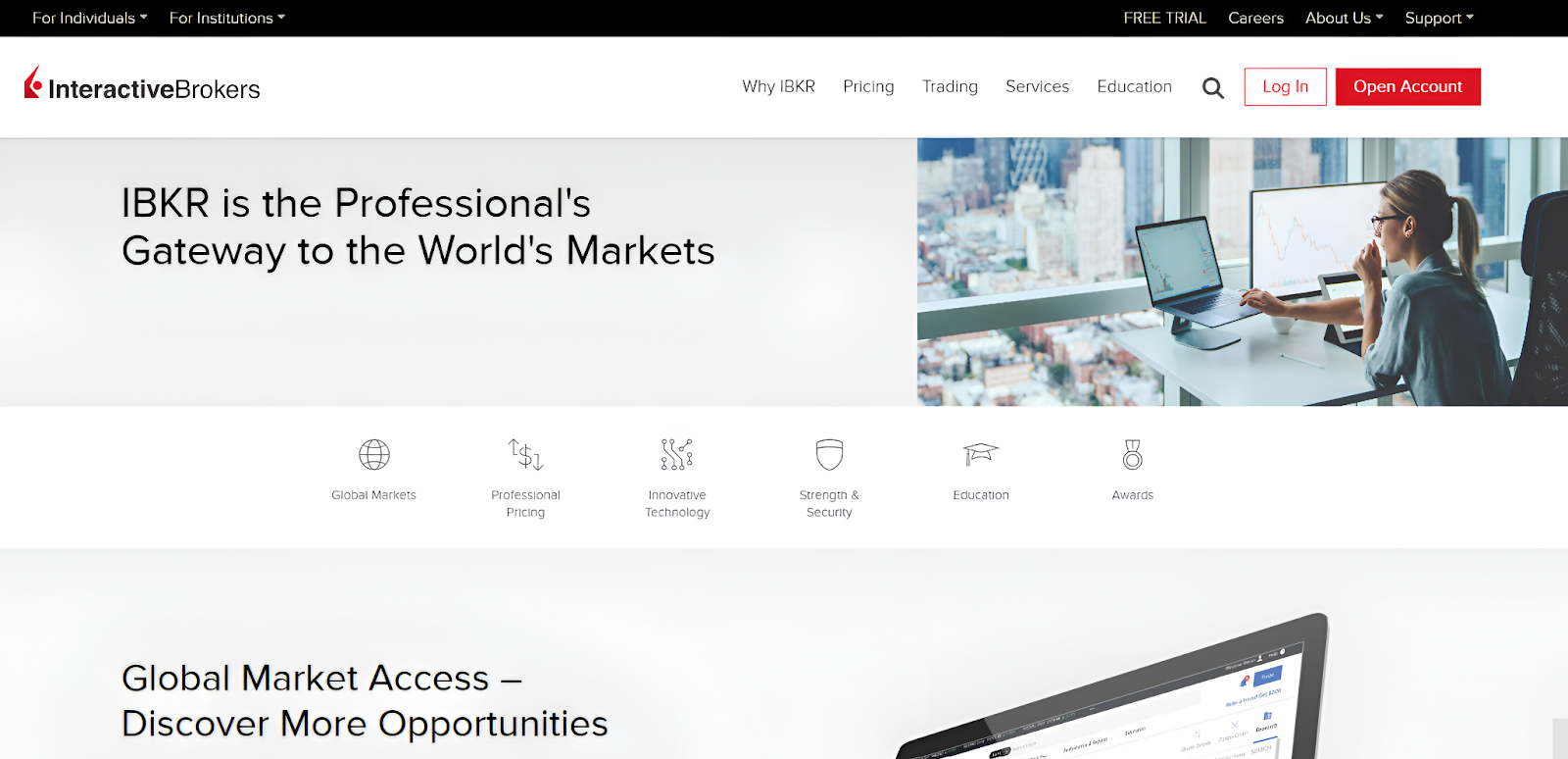
Founded in 1978, Interactive Brokers (IBKR) is a titan in the financial services industry, recognized for its diverse product offerings, robust financial strength, and ultra-fast trade execution. Headquartered in Greenwich, USA, IBKR serves a vast global clientele across over 170 countries. The platform’s regulatory standing is impeccable, with oversight from FINRA, SEC, NYSE, and FCA. For gold traders, IBKR offers an unparalleled breadth of instruments, including spot gold, gold CFDs, futures, ETFs, and even exposure to gold mining stocks. This makes it a one-stop shop for investors looking for diverse ways to gain exposure to the gold market.
- Key Features: Extensive range of trading products, strong regulatory compliance, sophisticated trading platforms (Trader Workstation, IBKR Mobile), global reach.
- Gold Trading Costs: IBKR employs a tiered commission structure for its gold trading services, based on the order amount. For instance, trades up to $500,000 incur commissions of 1.5 basis points of the total trade value, with progressively lower rates for larger volumes. Borrow fees are also tiered based on balance position size.
- Pros: Unmatched product diversity, competitive commissions for high-volume traders, institutional-grade trading platforms, strong regulatory framework.
- Cons: Can be overwhelming for absolute beginners due to the sheer number of options and advanced features; the commission structure might not be the most cost-effective for very small trades.
8. IG: A Premier Choice for CFD Trading and Market Access
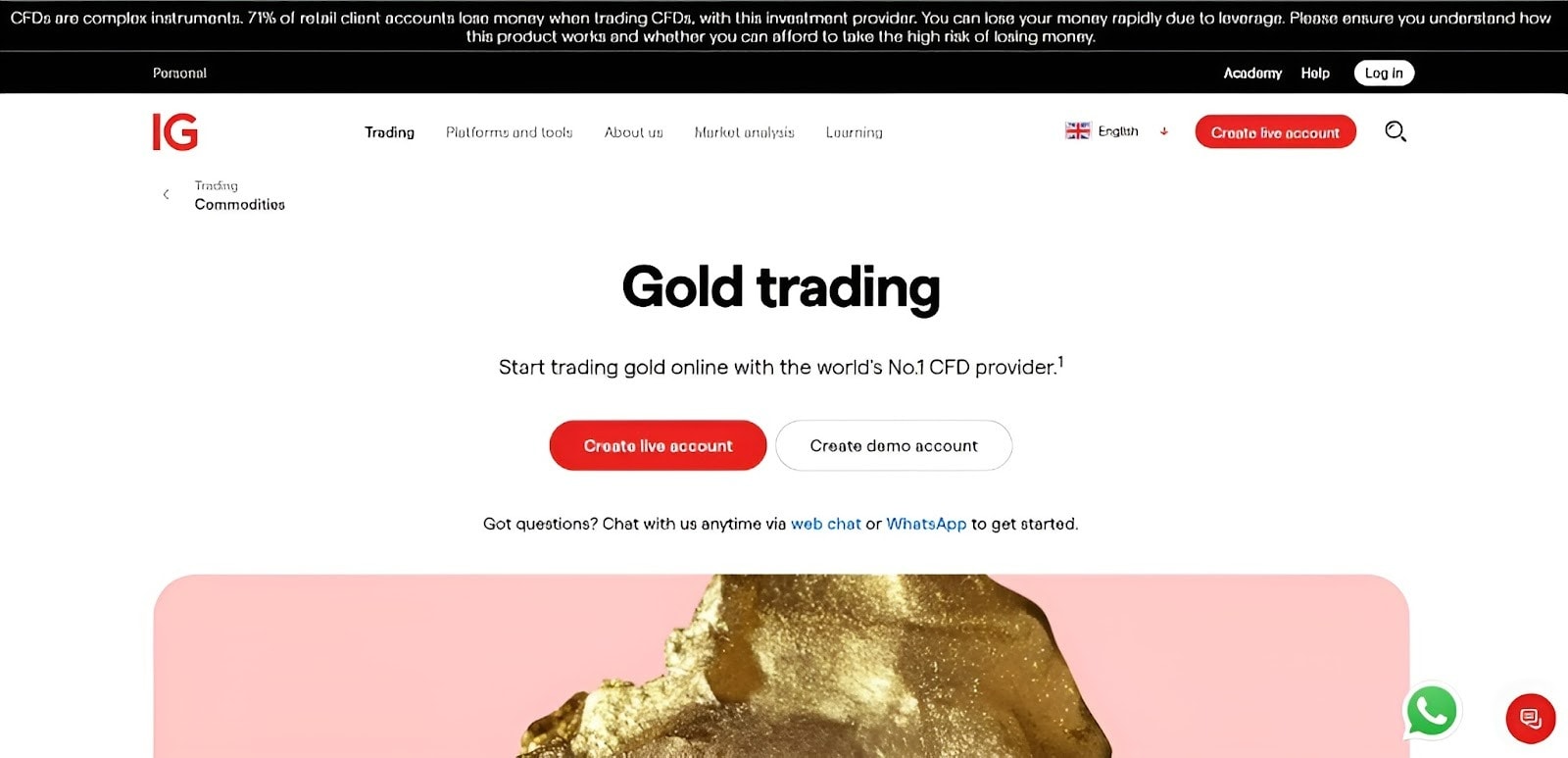
IG is widely regarded as a leading broker for CFD trading, providing access to over 17,000 markets 24/7 through a unified platform. Established in 1974, IG is licensed to conduct digital asset and investment businesses by the Bermuda Monetary Authority. The company places a high priority on client fund security, safeguarding capital in segregated accounts, ring-fencing it from creditors. IG’s offering for gold traders includes spot gold and gold CFDs, allowing for speculation on price movements.
- Key Features: Extensive market access, strong regulatory compliance, user-friendly platform, robust risk management tools.
- Gold Trading Costs: IG offers a minimum gold spread of 0.3 pips, which is highly competitive and attractive for active traders.
- Pros: Broad market access, strong reputation, competitive spreads, excellent for CFD traders.
- Cons: Primarily focused on CFDs and spread betting; some advanced features may require a steeper learning curve.
9. NinjaTrader: Specializing in Futures Contracts
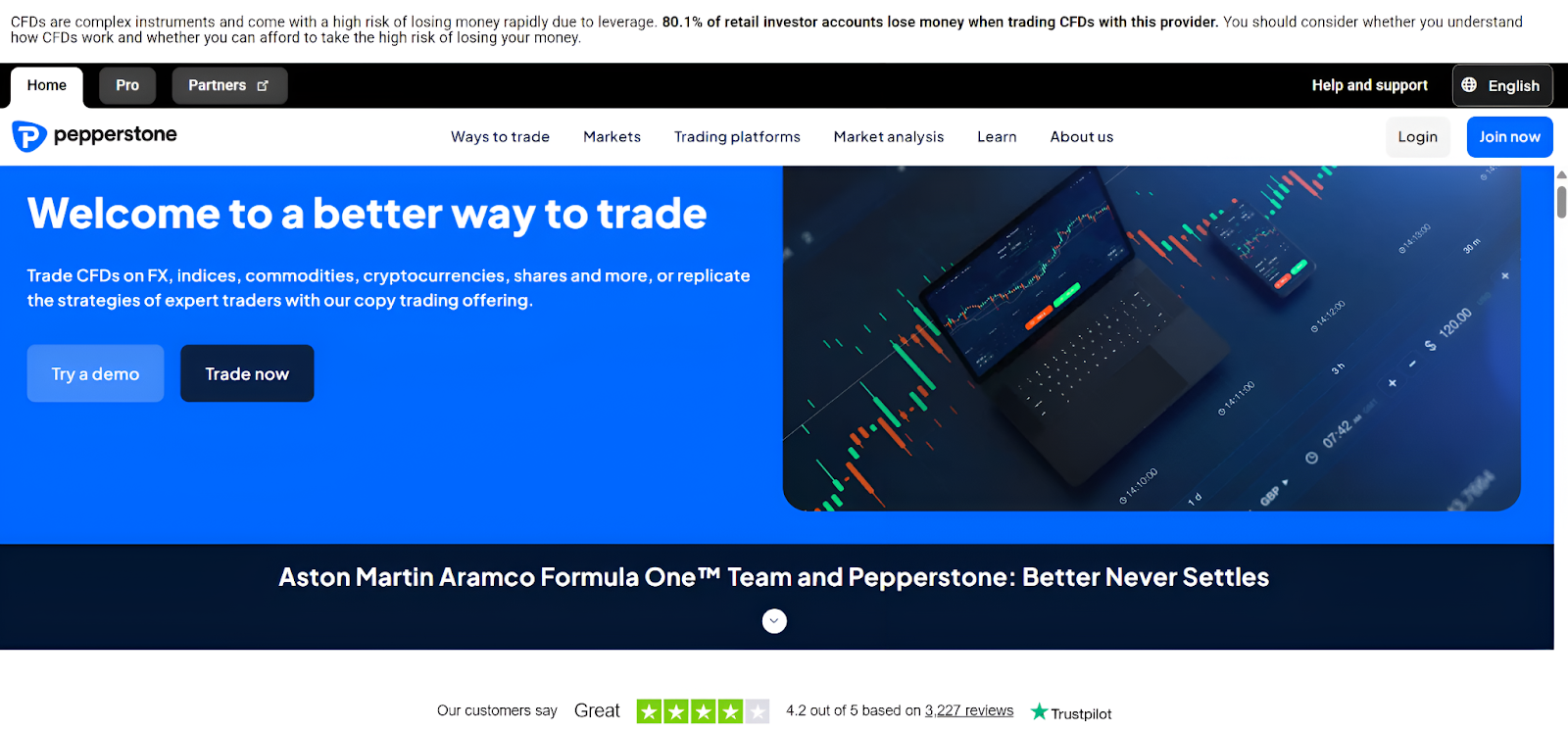
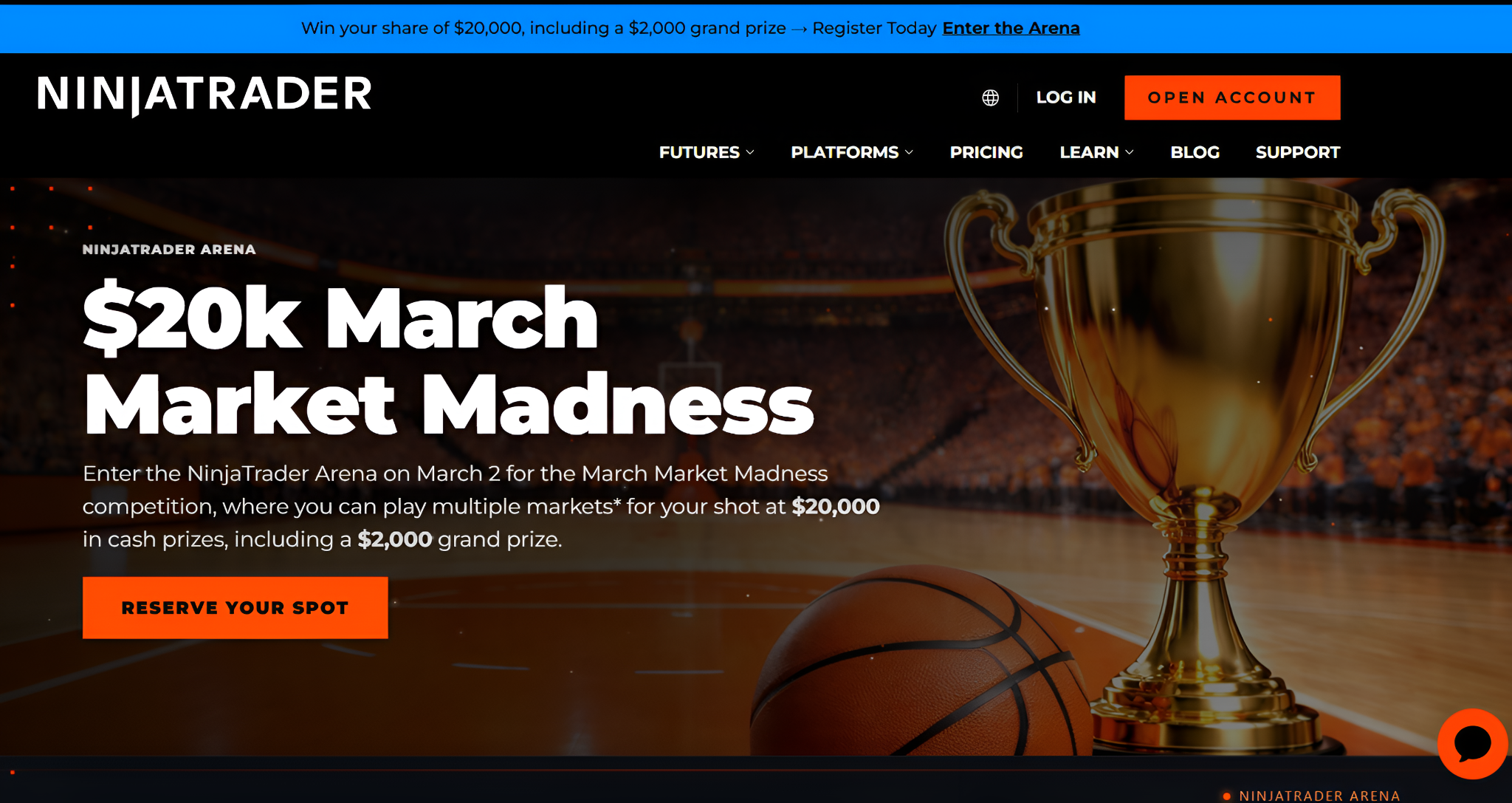
NinjaTrader, a US-based gold broker founded in 2003, distinguishes itself by providing advanced trading software and brokerage services, particularly tailored for active futures traders. Its recent expansion into Europe in January 2026 signifies its commitment to supporting the growing demand for retail futures trading globally. NinjaTrader is registered as a Futures Commission Merchant with the CFTC and is an NFA member, ensuring a high level of regulatory compliance. For traders focused on gold futures, NinjaTrader offers a specialized and efficient platform.
- Key Features: Advanced trading software, specialized for futures trading, strong regulatory compliance, European expansion.
- Gold Trading Costs: NinjaTrader offers nominal commissions starting from $0.09 per contract, making it a cost-effective option for high-frequency futures traders.
- Pros: Excellent for futures traders, competitive commissions, advanced charting and analysis tools.
- Cons: Primarily focused on futures, which can be complex for beginners; limited offering beyond futures contracts.
10. AvaTrade: A Comprehensive Multi-Asset Trading Solution
AvaTrade, an Ireland-based online trading broker with regional offices across the globe, serves over 400,000 customers worldwide. The company is recognized for its broad asset selection and stringent security features, including the holding of client funds in segregated accounts and the provision of AvaProtect, an advanced risk management tool. AvaTrade offers gold CFDs, providing traders with access to the precious metal market alongside a diverse range of other financial instruments.
- Key Features: Wide asset selection, robust security features including AvaProtect, multi-regional presence, strong regulatory compliance.
- Gold Trading Costs: AvaTrade typically charges an average spread of 0.34 pips for gold trading, in addition to potential overnight holding fees and other applicable charges.
- Pros: Diverse asset range, strong risk management tools, global presence, secure trading environment.
- Cons: Primarily offers CFDs, which come with inherent risks; the fee structure can be varied across different instruments.
Methodology: How the Best Gold Trading Brokers Were Ranked
The ranking of these gold trading brokers was a meticulous process involving several stages. It began with engaging with trader communities on social media platforms such as Reddit, X (formerly Twitter), and Telegram to gather collective feedback and identify popular choices. This qualitative data was then supplemented by a thorough review of customer feedback on Trustpilot, a leading independent review platform.
Following this initial screening, accounts were created on a shortlist of promising platforms to gain hands-on experience with their features, product offerings, and user interfaces. This practical assessment allowed for an unbiased evaluation of each broker’s strengths and weaknesses.
The final ranking was determined by assessing a comprehensive set of criteria, including: core platform features, pricing transparency and competitiveness, the range of gold-related products available, regulatory compliance and security measures, and the quality of customer support. Each criterion was assigned a score, and these scores were aggregated to arrive at a final rating. The brokers were then arranged in descending order based on their total scores, with the highest-scoring platform achieving the top rank. This evaluation process is ongoing, with continuous monitoring of new brokers and periodic reassessment of existing ones to ensure the rankings remain current and relevant.
Choosing the Right XAU/USD Broker and Trading Platform: A Strategic Approach
Selecting the ideal broker and trading platform for gold (XAU/USD) trading involves a careful consideration of several key factors:
1. Gold Trading Regulation: The Foundation of Security
Before committing any capital, it is imperative to verify a broker’s regulatory status. Leading brokers are typically licensed by reputable financial authorities such as the SEC, FINMA, CySec, CFTC, and FCA. Crucially, ensure the broker is authorized to offer its services in your specific jurisdiction to guarantee legal recourse and adherence to consumer protection standards.
2. Gold Trading Platforms and Technology: The Trader’s Interface
The trading platform is the primary tool through which traders interact with the market. A user-friendly interface, coupled with robust underlying technology, is essential for a seamless trading experience. Many brokers develop proprietary platforms, while others integrate with popular third-party terminals like MetaTrader and TradingView, either through server licenses or API connections. The ideal platform should offer advanced charting tools, customization options, and reliable execution capabilities.
3. Trading Tools and Features: Enhancing Decision-Making
Effective gold trading relies on access to a comprehensive suite of analytical tools. This includes technical indicators like candlestick charts, RSI, MACD, and moving averages, as well as Fibonacci extensions. For algorithmic traders, support for scripting languages like Pine Script for custom indicators and platforms that facilitate trading automation are invaluable. Risk management features, such as profit & loss calculators, stop-loss/take-profit orders, and trailing stops, are also critical for managing risk exposure. Furthermore, real-time news feeds, economic calendars, and sentiment analysis tools can provide crucial market insights.
4. Account Types: Catering to Diverse Needs
The most reputable brokers offer a range of account types to accommodate different trading styles and experience levels. These typically include:
- Micro Accounts: Ideal for beginners or those with smaller capital, often requiring deposits below $1,000.
- Standard Accounts: Offer access to more features and margin trading capabilities, with higher minimum deposit requirements, typically around $10,000.
- VIP/Platinum Accounts: Designed for high-volume traders and institutional investors, with substantial minimum deposit requirements (often above $25,000) and exclusive perks. These accounts may also feature lower leverage and higher margin requirements to mitigate risk for the broker.
5. Deposit and Withdrawal Methods: Convenience and Accessibility
A broker should offer a variety of convenient and secure deposit and withdrawal methods. This includes traditional options like bank transfers and credit/debit cards, as well as modern e-wallets and cryptocurrencies, catering to a global clientele.
6. Customer Support: Timely Assistance is Key
Responsive and accessible customer support is vital. Brokers should provide multiple contact channels, including email, live chat, and telephone. Prompt response times are crucial for resolving any issues that may arise during trading.
Understanding Gold Trading and Its Mechanics
Gold trading involves speculating on the future price movements of gold without the need to own the physical metal. Instead, traders engage with financial instruments whose value is directly correlated with gold’s market price. The price of gold is influenced by a complex interplay of macroeconomic factors, including inflation rates, monetary policies, geopolitical stability, and overall market sentiment. Technical analysis, utilizing various indicators and chart patterns, also plays a significant role in identifying potential trading opportunities.
While independent gold trading is possible, utilizing a broker offers significant advantages. Brokers provide access to a wide array of gold-based instruments, advanced trading tools, and often leverage, which allows traders to control larger positions with a smaller capital outlay.
Ways to Trade Gold:
- Gold Futures Contracts: Standardized agreements to buy or sell gold at a predetermined price on a specific future date.
- Gold Spot Contracts: Agreements to buy or sell gold for immediate delivery at the current market price.
- Gold Exchange-Traded Funds (ETFs): Funds that track the price of gold, allowing investors to gain exposure without directly holding the commodity.
- Gold Mining Stocks: Shares of companies involved in the exploration, extraction, and processing of gold.
- Gold Contracts for Difference (CFDs): Derivatives that allow traders to speculate on the price difference of gold without owning the underlying asset.
Setting Up a Gold Trading Account: A Step-by-Step Guide
- Choose Your Broker: Select a broker that aligns with your trading goals, experience level, risk tolerance, and budget. Thoroughly research their regulatory status and security measures.
- Complete the Registration: Visit the broker’s official website and navigate to the registration or sign-up section. Provide your personal and contact details, create a username and password, and select the appropriate account type.
- Verify Your Identity (KYC): Complete the Know Your Customer (KYC) process by submitting government-issued identification and proof of address. Some brokers may also require income verification. Facial recognition may be used for enhanced security.
- Fund Your Account: Once verified, deposit funds into your account using the supported payment methods. This can include fiat currencies or cryptocurrencies, depending on the broker’s offerings.
- Start Trading Gold: With your account funded and verified, you are ready to begin trading gold and other available assets on the platform.
Essential Gold Trading Strategies for New Traders
New traders are advised to start with fundamental strategies, focusing on understanding market dynamics and risk management. This includes:
- Trend Following: Identifying and trading in the direction of established market trends.
- Support and Resistance Trading: Identifying key price levels where buying or selling pressure is expected to emerge.
- News Trading: Capitalizing on price volatility triggered by significant economic or geopolitical news events.
- Risk Management: Implementing strict stop-loss orders and managing position sizes to limit potential losses.
Common Types of Gold Trading Orders
Familiarity with different order types is crucial for executing trades effectively:
- Market Order: Executes immediately at the best available current price.
- Limit Order: Allows traders to set a specific price at which they wish to buy or sell.
- Stop Order (Stop-Loss): Used to limit potential losses by triggering a market order when a predetermined price level is reached.
- Fill or Kill Order: An aggressive order that must be executed immediately and in its entirety, or it is cancelled.
- Good Till Canceled (GTC) Order: Remains active until manually cancelled by the trader or executed at the specified price.
- Good Till Date (GTD) Order: Remains active until a specified date, after which it is automatically cancelled if not filled.
Pitfalls to Avoid When Selecting a Gold Broker
- Unregulated Brokers: Operating without oversight from reputable financial authorities poses significant risks of fraud and unfair practices, with no legal recourse in case of disputes.
- Excessive Fees: High spreads, hidden fees, or exorbitant commissions can significantly erode trading profits.
- Poor Customer Reviews: Brokers consistently receiving negative feedback on platforms like Reddit or Trustpilot are often unreliable and offer subpar services.
- Limited Platform Functionality: Platforms lacking advanced trading tools and features can hinder effective strategy implementation, especially for experienced traders.
Conclusion
The gold market presents a compelling avenue for investors seeking to diversify their portfolios and potentially hedge against economic uncertainties. The brokers highlighted in this review represent the vanguard of the industry, offering robust platforms, competitive pricing, and strong regulatory compliance. While the allure of gold trading is undeniable, it is crucial for traders, especially those new to derivatives like CFDs, to exercise caution, understand their risk appetite, and implement sound trading strategies. The potential for profit is significant, but it is inextricably linked to diligent research, disciplined execution, and a thorough understanding of market dynamics.
Frequently Asked Questions
- Which broker is best for gold trading? Based on our analysis, Capital.com, CMC Markets, AvaTrade, Exness, and Forex.com stand out as top-tier choices for gold trading.
- Is trading gold profitable? Gold is historically a safe-haven asset. Profitability hinges on individual trading skills, strategies, risk management, and market volatility.
- What is the minimum deposit required to trade gold? Minimum deposit requirements vary widely among brokers and account types, with some brokers waiving minimums or allowing very small initial positions.
- Which gold broker offers the lowest spreads on XAUUSD? Exness and Pepperstone are frequently cited for offering highly competitive, often zero, spreads on XAU/USD.
- Can I trade gold with leverage in the US? Yes, but US regulations typically cap retail leverage for gold trading at 1:10.
- Can I trade gold without a broker? While direct trading is possible, brokers provide essential access to various instruments, leverage, and advanced trading tools.
- What fees should I consider when choosing a gold trading broker? Key fees include spreads, commissions, overnight holding fees (swaps), inactivity charges, and deposit/withdrawal fees.