Nila Kartika Wati
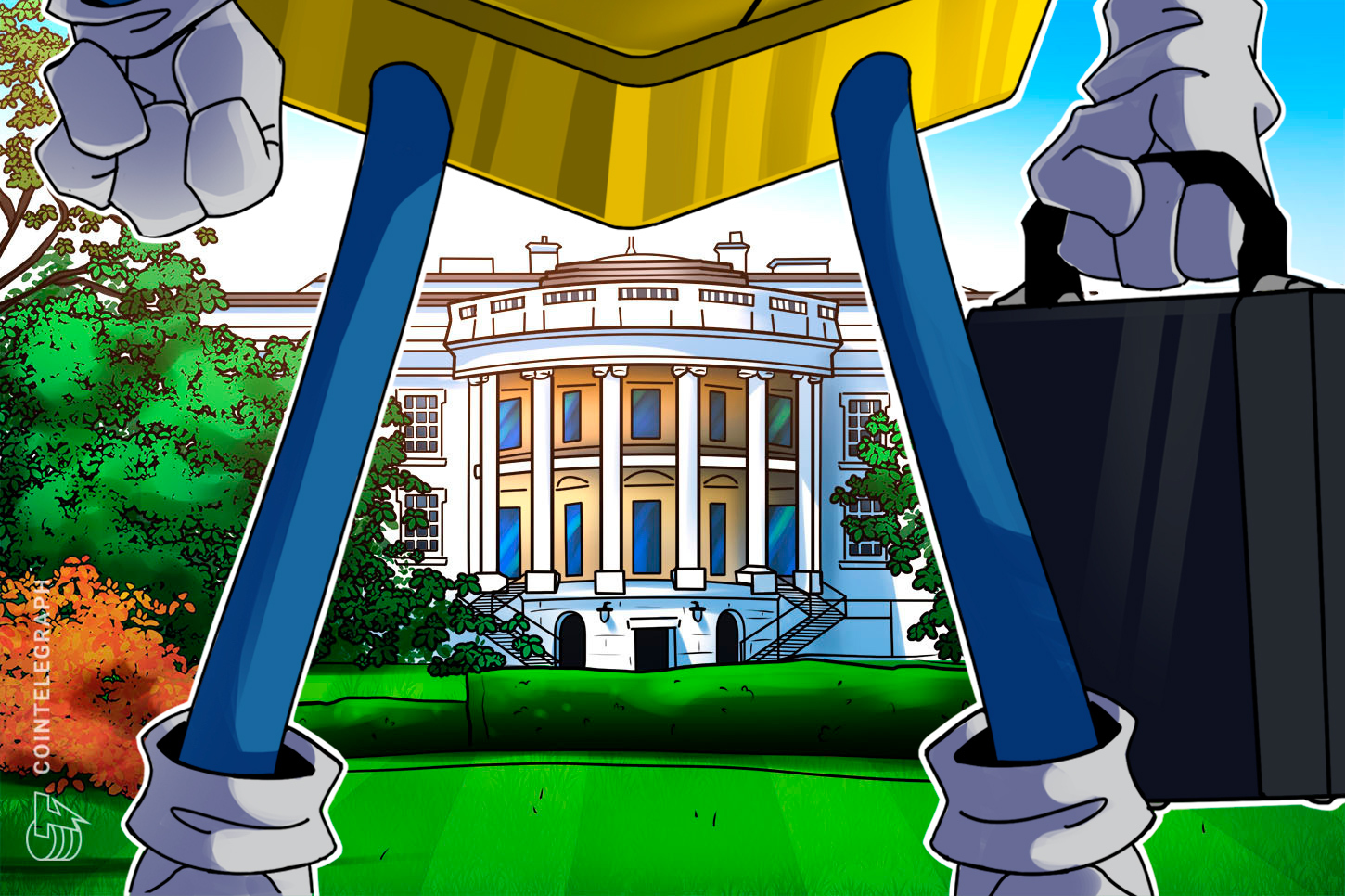
In a significant development for the trajectory of digital asset regulation in the United States, Patrick Witt, the White House’s lead crypto adviser, has announced a deferral of his mandatory military training with the Georgia Army National Guard. This decision allows him to remain at his post as Executive Director of the President’s Council of Advisors for Digital Assets, crucially ensuring his presence for the final push to advance the CLARITY Act through the Senate. The news arrives at a pivotal moment, not only for the landmark legislation but also for the White House’s digital asset strategy, especially as Harry Jung, the Deputy Director of the Council, simultaneously confirmed his impending departure from government service.
Witt’s continuity in his role is widely regarded as indispensable for the CLARITY Act, a legislative initiative designed to establish the first comprehensive regulatory framework for the burgeoning cryptocurrency market in the U.S. The Act faces a critical deadline, requiring passage by the Senate before its August 8 recess, making Witt’s expertise and negotiation skills vital. His extended tenure provides much-needed stability and leadership at the helm of the administration’s crypto policy efforts, particularly as the bill navigates the intricate political landscape of Capitol Hill.
The CLARITY Act: A Pivotal Legislative Effort
The CLARITY Act, or "Certainty for Lawful Activity in Respect of Digital Assets Yields Regulated Transparency" Act, represents a monumental endeavor to bring much-needed order to the fragmented and often contentious U.S. cryptocurrency regulatory environment. Its primary objective is to define clearer jurisdictional boundaries for various digital assets, establishing whether they fall under the purview of the Securities and Exchange Commission (SEC), the Commodity Futures Trading Commission (CFTC), or other regulatory bodies. This clarity is seen as essential for fostering innovation, protecting consumers, and enhancing market integrity within the digital asset space.
Currently, the absence of a unified federal framework has led to what many describe as a "regulation by enforcement" approach, creating uncertainty for businesses and investors alike. Companies operating in the crypto sector often face conflicting guidance from different state and federal agencies, hindering growth and pushing some innovators overseas. The CLARITY Act aims to rectify this by providing a predictable legal and operational environment, which proponents argue is crucial for the U.S. to maintain its competitive edge in the global digital economy.
Key provisions anticipated within the CLARITY Act include robust consumer protection rules, which were reportedly enhanced with input from Democratic lawmakers and industry stakeholders like Coinbase. These protections are vital given past instances of market volatility, exchange failures, and fraudulent activities that have plagued the nascent crypto industry, leading to significant investor losses. By establishing clear guidelines for disclosure, market conduct, and asset custody, the Act seeks to build greater trust and confidence among mainstream investors and institutions considering engagement with digital assets.
The August 8 recess deadline intensifies the urgency surrounding the Act’s passage. Congressional recesses often serve as natural breakpoints for legislative action, and failing to pass the bill before this date could significantly delay its progress, potentially pushing it into an uncertain future amidst upcoming election cycles and shifting political priorities. Witt, as the White House’s lead negotiator, plays a central role in bridging divides, hammering out compromises, and garnering bipartisan support necessary to shepherd such complex legislation through Congress. His deep understanding of both policy intricacies and political dynamics makes his presence indispensable during these final, critical weeks.
Patrick Witt’s Crucial Continuity
Patrick Witt’s decision to defer his military training underscores his profound commitment to public service, encompassing both his duty to the nation’s defense and his critical role in shaping its economic future. As the Executive Director of the President’s Council of Advisors for Digital Assets, Witt has been instrumental in advising the White House on all matters related to cryptocurrency and blockchain technology since his appointment in August of last year. His position places him at the nexus of policy formulation, interagency coordination, and external stakeholder engagement, making him the administration’s primary conduit for all things crypto.
The military training in question is for the Judge Advocate General (JAG) Corps with the Georgia Army National Guard, an endeavor that would qualify him to serve as a legal officer. Witt was originally slated to report for this mandatory training on July 27. However, recognizing the critical juncture at which the CLARITY Act stands, Witt successfully requested and received a deferral. This is not the first time Witt has made such a sacrifice; according to a report from Crypto In America, he had previously deferred his military training in April to focus on the protracted negotiations surrounding the CLARITY Act, which had stretched on longer than initially anticipated. This marks the second instance of Witt prioritizing his White House duties over his military obligations at a crucial moment for crypto policy.
In a public statement made via an X post on Monday, Witt articulated his decision, acknowledging the previous reports of his impending departure. "Last week, it was reported that I was set to leave for mandatory training as part of my service in the Georgia Army National Guard, right before Clarity hits the Senate floor," Witt wrote. He continued, expressing his gratitude for the deferral: "While I remain committed to fulfilling my service obligation, I am grateful to report that my training has been deferred, and that I will be able to see this effort through to the end." His statement not only confirms his continued presence but also highlights the White House’s recognition of the CLARITY Act’s importance and Witt’s indispensable role in its advancement. The deferral is a testament to the high stakes involved in securing a comprehensive regulatory framework for digital assets in the U.S.
The White House’s Stance on Digital Assets
The Biden administration has approached digital assets with a cautious yet acknowledging stance, seeking to balance the potential for innovation with the inherent risks associated with a rapidly evolving and largely unregulated market. This approach was notably formalized through an Executive Order issued in March of the previous year, which outlined a "whole-of-government" strategy to address the responsible development of digital assets. The Executive Order called for various federal agencies to research and report on the implications of digital assets across six key areas: consumer and investor protection, financial stability, illicit finance, U.S. leadership in the global financial system and economic competitiveness, financial inclusion, and responsible innovation.
The establishment of the President’s Council of Advisors for Digital Assets, with Witt at its helm, was a direct outcome of this Executive Order. The Council serves as a central coordinating body, ensuring that the administration’s digital asset strategy is coherent, comprehensive, and forward-looking. Witt’s role has been pivotal in translating the broad directives of the Executive Order into actionable policy initiatives, with the CLARITY Act being the most significant legislative outcome to date. His continued presence signifies the administration’s unwavering commitment to seeing through its stated goals of responsible innovation and robust consumer protection in the digital asset space.
Having a dedicated, high-level crypto adviser within the White House signals to both the domestic and international crypto communities that the U.S. government is taking digital assets seriously. It provides a direct line of communication between the industry and the executive branch, fostering dialogue and potentially easing the path for future regulatory developments. Witt’s expertise, cultivated through years in the legal and policy sectors, offers the White House a nuanced understanding of the technological, economic, and legal complexities of cryptocurrencies, allowing for more informed decision-making.
Leadership Transition: Harry Jung’s Departure
Coinciding with Witt’s announced deferral is the news of Harry Jung’s departure from his role as Deputy Director of the President’s Council of Advisors for Digital Assets. Jung, who has played a significant supporting role in the Council’s operations, announced his exit via an X post on Monday, stating, "In two weeks, I will leave government service with immense gratitude. These past two years transformed America’s position on crypto. I’m proud of all we accomplished."
Jung’s departure, while separate from Witt’s situation, adds another layer of change to the White House’s crypto policy team. Notably, prior reports from Crypto In America indicated that Jung was originally slated to assume Witt’s responsibilities within the crypto council during Witt’s planned military leave. With Witt now staying, the immediate operational void that Jung’s departure creates is mitigated by Witt’s continuity. However, Jung’s exit still represents a loss of institutional knowledge and expertise within the Council, requiring the administration to identify a successor to fill the Deputy Director role.
Jung’s statement reflects a sense of accomplishment regarding the progress made in shaping America’s stance on crypto over the past two years. His contributions, though often behind the scenes, have been vital in supporting the Council’s mission and advancing the administration’s digital asset agenda. The simultaneous announcements highlight a moment of transition and recalibration within the White House’s crypto policy apparatus, even as the primary legislative focus remains squarely on the CLARITY Act.
The Broader Regulatory Imperative
The drive for comprehensive cryptocurrency regulation in the U.S., exemplified by the CLARITY Act, is underpinned by several compelling factors. The digital asset market has experienced exponential growth over the past decade, with global market capitalization often exceeding a trillion dollars. Millions of Americans have invested in cryptocurrencies, with adoption rates steadily climbing. A recent Pew Research Center study, for example, indicated that over 16% of U.S. adults have invested in, traded, or used cryptocurrency. This widespread engagement necessitates a robust regulatory framework to safeguard these participants.
Beyond consumer protection, regulatory clarity is crucial for national security and economic competitiveness. The use of cryptocurrencies in illicit finance, though a small percentage of overall transactions, remains a concern for law enforcement and national security agencies. Clear regulatory guidelines can help combat money laundering, terrorist financing, and sanctions evasion. Furthermore, establishing a transparent and predictable regulatory environment can encourage legitimate innovation and investment within the U.S., preventing a "brain drain" of talent and capital to more crypto-friendly jurisdictions. Without such clarity, the U.S. risks falling behind other nations that are actively developing their own comprehensive digital asset frameworks.
The legislative process for crypto regulation has been fraught with challenges. The novelty and complexity of the technology, coupled with the varied interests of different industry sectors and political ideologies, have made consensus building difficult. Agencies like the SEC and CFTC have historically engaged in "turf wars" over jurisdiction, further complicating legislative efforts. The CLARITY Act aims to cut through this complexity, providing a unified approach that defines asset classes, outlines registration requirements, and establishes clear enforcement mechanisms. Witt’s role as lead negotiator involves navigating these entrenched interests and forging the necessary compromises to secure bipartisan support.
Implications for the CLARITY Act’s Passage
Patrick Witt’s decision to remain at the White House significantly bolsters the prospects for the CLARITY Act’s passage before the August 8 recess. His continuity ensures that the administration maintains a consistent and experienced voice at the negotiating table, crucial for resolving any outstanding issues and marshaling votes. Without his leadership, the legislative effort could have lost critical momentum, potentially leading to further delays or even the bill’s demise.
However, Witt’s presence alone does not guarantee passage. Significant political hurdles remain. The Act, like any major piece of financial legislation, faces scrutiny from various stakeholders, including traditional financial institutions, consumer advocacy groups, and different segments of the crypto industry itself. Reaching a consensus that satisfies a broad range of these interests while maintaining the core objectives of the bill requires delicate negotiation and a willingness from all parties to compromise. The current political climate, often characterized by partisan gridlock, further complicates the legislative path.
Should the CLARITY Act successfully pass, its implications would be far-reaching. It would signal a new era of regulatory maturity for the U.S. crypto market, potentially unlocking significant institutional investment and fostering a wave of innovation. Market participants would benefit from reduced uncertainty, enabling long-term planning and investment strategies. It could also solidify the U.S.’s position as a leader in digital asset innovation, attracting global talent and capital. Conversely, failure to pass the Act would perpetuate the current state of regulatory ambiguity, potentially stifling innovation, increasing risks for consumers, and diminishing the U.S.’s standing in the rapidly evolving global digital economy.
Looking Ahead: The Future of US Crypto Policy
The developments surrounding Patrick Witt and Harry Jung underscore a dynamic period for U.S. crypto policy. Witt’s commitment to seeing the CLARITY Act through to the end highlights the White House’s strategic focus on establishing a foundational regulatory framework. His continued leadership is vital not just for this specific bill, but for the broader evolution of the administration’s approach to digital assets.
The departure of Harry Jung, while perhaps less immediately impactful due to Witt’s continued presence, signals the ongoing ebb and flow of talent within government service in the crypto space. Attracting and retaining top talent with expertise in this niche and complex field will remain a challenge for the White House and other federal agencies. The administration will need to ensure that the President’s Council of Advisors for Digital Assets remains adequately staffed with skilled individuals capable of navigating the technical, legal, and economic intricacies of cryptocurrencies.
Beyond the CLARITY Act, the White House’s role in shaping future crypto policy will continue to be multifaceted. This includes potentially addressing issues such as the development of a central bank digital currency (CBDC), the regulation of stablecoins, and the broader integration of blockchain technology into existing financial infrastructure. The success or failure of the CLARITY Act will undoubtedly influence the appetite for further legislative action and the approach taken by regulatory agencies.
In conclusion, Patrick Witt’s deferral of military training represents a critical juncture for the U.S. digital asset landscape. His continued presence at the White House provides essential leadership and expertise at a make-or-break moment for the CLARITY Act. While Harry Jung’s departure marks a change in the White House’s crypto policy team, Witt’s continuity ensures stability during this pivotal period. The outcome of the CLARITY Act, influenced significantly by these developments, will have profound and lasting implications for innovation, consumer protection, and the global competitiveness of the United States in the digital asset economy.