Nila Kartika Wati
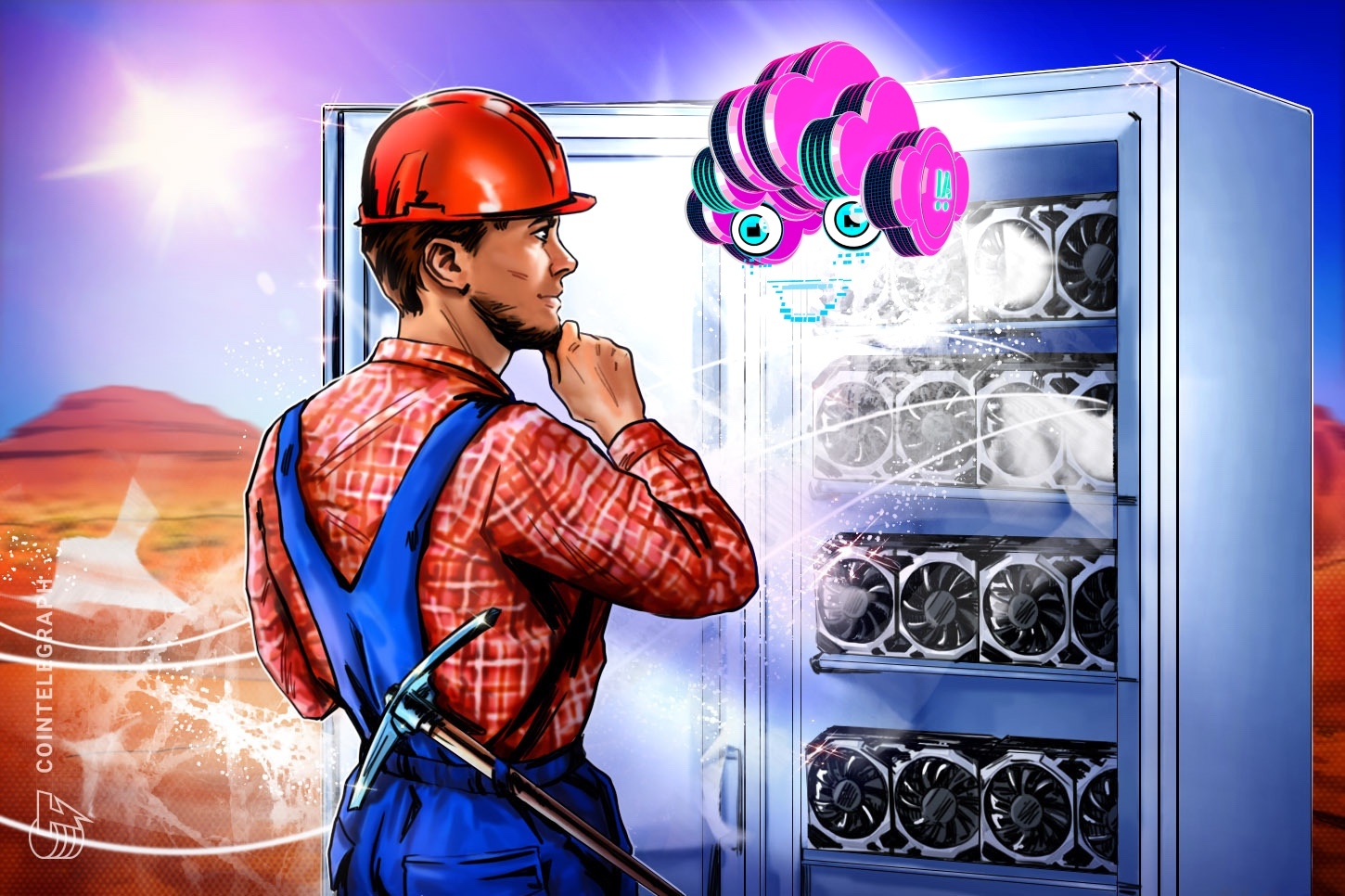
Shares of several prominent Bitcoin mining companies experienced a dramatic surge on Monday, propelled by significant announcements from Hut 8 and IREN regarding major artificial intelligence (AI) infrastructure deals. This market reaction strongly reinforced investor optimism surrounding the strategic pivot of these companies from pure cryptocurrency mining into the burgeoning sectors of artificial intelligence and high-performance computing (HPC). The day’s trading saw IREN, Cipher Digital, CleanSpark, Hut 8, and MARA Holdings each register gains of at least 11% in early hours, signaling a robust endorsement of their evolving business models.
Major Deals Ignite Investor Confidence
The catalyst for Monday’s rally was a pair of pivotal disclosures that underscored the aggressive expansion of these firms into the AI landscape. Hut 8, a company with a long-standing presence in the Bitcoin mining space, announced a monumental 15-year lease agreement valued at $9.8 billion for its AI data center campus. This long-term commitment signals a profound shift in its operational focus and revenue generation strategy, moving beyond the inherent volatility of cryptocurrency mining.
Concurrently, IREN, another entity that originated in Bitcoin mining, revealed a substantial portfolio of cloud services contracts with AI developers, totaling an impressive $2.8 billion. This disclosure was followed by an ambitious projection: IREN now anticipates its AI cloud business will generate more than $4 billion in annual recurring revenue (ARR) by the close of 2026. These figures not only highlight the scale of their current engagements but also paint a picture of significant future growth potential within the AI infrastructure domain. Both Hut 8 and IREN represent compelling case studies of Bitcoin miners accelerating their pivot toward AI infrastructure and cloud computing, a strategic reorientation largely driven by weakening economics within the traditional cryptocurrency mining sector.
Market Indices Reflect Sector-Wide Transformation
The robust performance of these individual stocks was mirrored across broader market indicators tracking the emergent AI infrastructure sector. The Energy Mag’s TEM AI Infrastructure Growth Index, a specialized benchmark that monitors 20 companies spanning Bitcoin mining, neocloud services, and AI infrastructure, recorded a 1.4% increase on Monday. This daily gain contributed to an impressive weekly rise of over 12%, illustrating a sustained upward trend as investors increasingly recognize the potential of this convergent industry.
Beyond the specialized indices, the rally in Bitcoin mining stocks coincided with a broader resurgence in technology shares. The Nasdaq Composite Index, a bellwether for the tech sector, added 0.9% by midday, indicating a general positive sentiment across innovation-driven companies. Furthermore, the Philadelphia Semiconductor Index, a critical gauge of the chipmakers that form the bedrock of the AI boom, climbed 2%. This rebound was particularly noteworthy as the index had recently entered a technical bear market, defined as a decline of 20% or more from its recent high, underscoring renewed confidence in the underlying components powering AI advancements.
The Strategic Imperative: Why Bitcoin Miners Are Pivoting to AI
The shift from Bitcoin mining to AI infrastructure is not merely an opportunistic move but a strategic imperative born out of evolving market dynamics and the inherent synergies between the two domains. For years, Bitcoin miners have invested heavily in specialized data centers, high-density power infrastructure, and advanced cooling systems to support their energy-intensive operations. These very assets, coupled with access to often abundant and sometimes renewable energy sources, are precisely what is required to power the demanding workloads of artificial intelligence and high-performance computing.
Weakening Mining Economics: The economics of Bitcoin mining have become increasingly challenging. Factors contributing to this pressure include:
- Bitcoin Halving Events: These quadrennial events slash the block reward for miners by half, directly impacting revenue streams unless Bitcoin’s price significantly appreciates to compensate. The most recent halving in April 2024 further intensified the need for miners to find alternative revenue streams.
- Rising Network Difficulty: As more miners join the network, the computational difficulty to mine a block increases, requiring more powerful and energy-efficient hardware to remain competitive.
- Volatile Bitcoin Prices: The inherent volatility of Bitcoin’s price makes revenue forecasting and operational planning difficult, introducing significant financial risk.
- Increasing Energy Costs and Scrutiny: Energy consumption for Bitcoin mining has drawn considerable public and regulatory scrutiny, leading to increased operational costs and pressure to find cheaper, more sustainable power sources.
Natural Synergies with AI/HPC: The infrastructure developed for Bitcoin mining presents a compelling foundation for AI workloads:
- High-Density Computing: Bitcoin mining rigs, while different from AI accelerators (GPUs), are designed for high-density computational operations, requiring robust power delivery and cooling. This infrastructure can be adapted or repurposed for AI servers.
- Access to Power: Miners often strategically locate their facilities near large-scale power generation sites, including renewable energy projects that might otherwise have "stranded" or underutilized capacity. This access to stable, low-cost electricity is a critical component for power-hungry AI data centers.
- Data Center Expertise: Operating large-scale mining farms has equipped these companies with significant expertise in data center management, including thermal management, network architecture, and security protocols – all directly transferable to AI infrastructure.
This strategic alignment allows miners to leverage existing investments and operational expertise, transforming what was once a single-purpose, volatile business into a diversified, high-growth digital infrastructure provider.
A Brief Chronology of the Pivot
The journey of Bitcoin miners into AI infrastructure has been an evolutionary one, accelerating significantly in recent years:
- Early Years (2010s): Companies primarily focused on acquiring and operating specialized hardware (ASICs) for Bitcoin mining, with revenue solely dependent on BTC rewards and price.
- Diversification Efforts (Early 2020s): Some miners began exploring hosting services for other miners, or even vertically integrating by manufacturing their own hardware, to stabilize revenue streams.
- Emergence of AI Opportunity (2022-Present): As the AI boom gained momentum, particularly with generative AI, and Bitcoin mining economics tightened post-halving events and market downturns, companies began to recognize the immense demand for GPU-accelerated computing power. Early discussions and pilot projects exploring AI workloads started to surface.
- Accelerated Investment and Public Announcements (Late 2023-Present): Major players like Hut 8 and IREN made definitive strategic shifts, announcing substantial investments, partnerships, and revenue projections directly tied to AI infrastructure, signaling a full-fledged pivot rather than mere diversification. This period marks the industry’s clear intention to become significant players in the AI computing landscape.
Challenges and Substantial Capital Requirements
While the AI pivot offers immense promise, it is not without significant challenges, primarily the substantial capital investment required. Blocksbridge Consulting, an industry research firm, estimates that the Bitcoin mining industry will collectively require an additional $50 billion to fully realize its AI ambitions. This staggering figure underscores the scale of the transformation and the capital intensity of building out advanced AI infrastructure.
The capital is needed for:
- Specialized Hardware (GPUs): High-end AI accelerators like NVIDIA’s H100s or newer generations are extremely expensive, often costing tens of thousands of dollars per chip. Building large clusters requires hundreds or thousands of these.
- Advanced Networking: AI workloads demand ultra-low latency, high-bandwidth networking infrastructure to connect GPUs efficiently.
- Enhanced Cooling Systems: AI servers generate significantly more heat than traditional servers, necessitating sophisticated liquid cooling or advanced HVAC systems.
- Software and Talent: Investing in AI-specific software platforms and attracting skilled AI engineers, data scientists, and cloud architects are crucial.
IREN, despite its impressive contract wins, faces the largest individual funding gap, estimated by Blocksbridge at roughly $21.1 billion. This highlights the delicate balance between securing contracts and possessing the financial wherewithal to deliver on them. Companies will likely pursue a mix of debt financing, equity raises, and strategic partnerships to bridge these gaps.
Furthermore, these companies are entering a highly competitive market dominated by established cloud giants like Amazon Web Services (AWS), Microsoft Azure, and Google Cloud, all of whom are aggressively expanding their AI offerings. The success of these former Bitcoin miners will hinge on their ability to differentiate through cost-efficiency, specialized services, and leveraging their unique access to power and existing infrastructure.
Investor Scrutiny and Insider Sales
The rapid re-rating of Bitcoin mining stocks due to the AI pivot has also attracted increased investor scrutiny, particularly concerning insider stock sales. According to Blocksbridge Consulting’s recent "Miner Weekly" newsletter, insider transactions at companies such as TeraWulf, Riot Platforms, Core Scientific, and Cipher Mining have drawn considerable attention.
While many of these transactions were executed under prearranged trading plans – often set up months in advance to comply with SEC regulations and mitigate accusations of insider trading – they have nevertheless fueled questions. Critics and some investors are pondering whether the surge in share prices, driven by AI-related enthusiasm, created an opportune window for executives to cash out. This dynamic creates a perception challenge, as companies celebrating strategic successes must also manage transparency and ensure that executive compensation and trading activities do not undermine investor confidence in the long-term vision. It underscores the need for clear communication and governance as these companies navigate their transformation.
Broader Impact and Future Implications
The pivot by Bitcoin mining companies into AI infrastructure represents a significant evolution for the digital asset sector and beyond.
- Diversification and Resilience: For the companies themselves, this move offers crucial diversification, reducing their singular reliance on the volatile price of Bitcoin and the fluctuating economics of mining. This can lead to more stable and predictable revenue streams.
- New Digital Infrastructure Providers: The industry is transforming from niche crypto operators to mainstream digital infrastructure providers, competing in a broader and rapidly expanding technology market. This redefines their identity and investor appeal.
- Leveraging Underutilized Assets: It highlights a powerful model for leveraging existing, often underutilized, energy infrastructure for high-value computing, potentially contributing to more efficient energy grids.
- Sustainability Narrative: If these companies continue to emphasize their use of renewable or low-cost energy for AI workloads, it could enhance their environmental, social, and governance (ESG) profile, attracting a wider base of institutional investors.
- Risk Factors: Despite the opportunities, risks remain. These include intense competition from established cloud providers, the rapid pace of technological change in AI hardware, and potential regulatory hurdles as they expand into new sectors. The ability to continually innovate, manage massive capital expenditures, and attract top-tier AI talent will be critical for sustained success.
In conclusion, the recent market surge driven by Hut 8 and IREN’s AI deals signals a profound transformation within the Bitcoin mining sector. What began as a strategic adaptation to challenging mining economics has rapidly evolved into a full-fledged pivot, positioning these companies at the forefront of the global demand for AI and HPC infrastructure. While the path ahead requires immense capital, strategic acumen, and careful navigation of investor scrutiny, the early successes suggest a potentially lucrative future for these digital pioneers in the age of artificial intelligence.
Cointelegraph is committed to independent, transparent journalism. This news article is produced in accordance with Cointelegraph’s Editorial Policy and aims to provide accurate and timely information. Readers are encouraged to verify information independently.