James Watt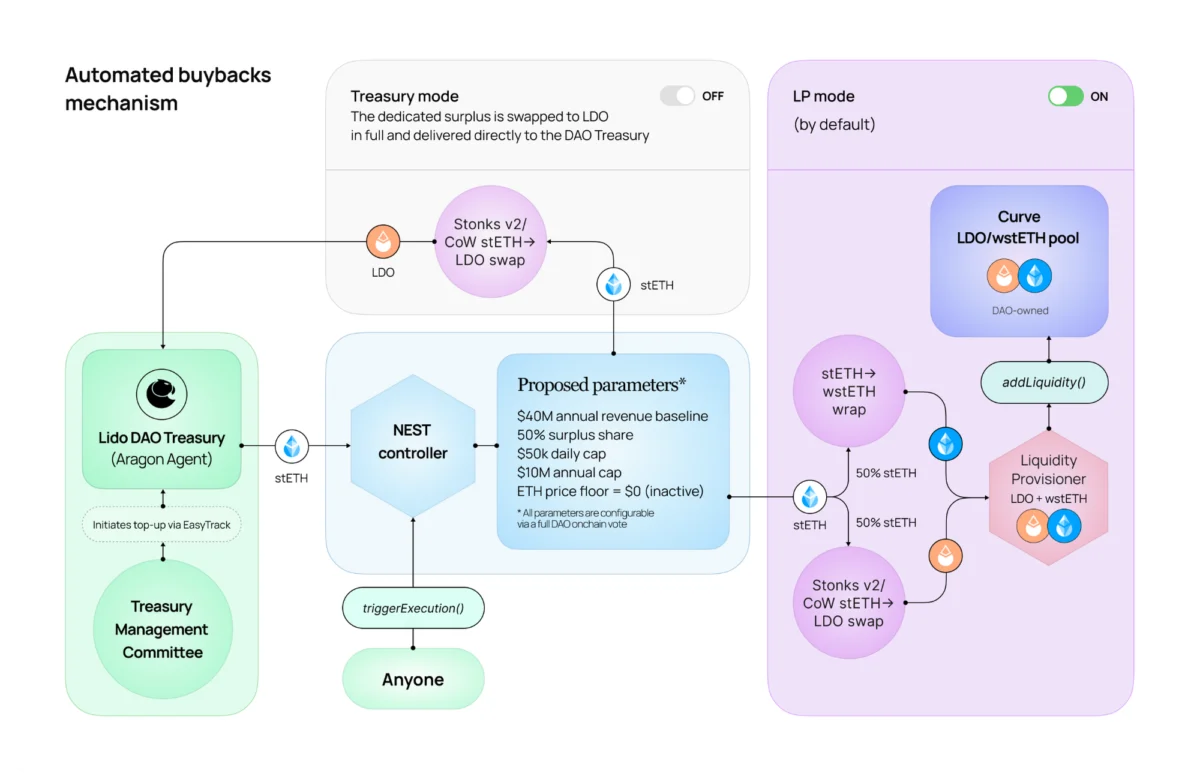
The May 2026 Lido Poolside Tokenholder Update, a critical quarterly briefing for the decentralized autonomous organization, provided a comprehensive overview of Lido Protocol’s performance, strategic adjustments, and future direction amidst a dynamic and challenging cryptocurrency market. Key discussions included a detailed analysis of the Ethereum staking landscape, a transparent look at Lido Protocol’s Q1 financials, the significant repercussions of the April Kelp DAO rsETH incident, a reassessment of 2026 operational targets, an in-depth exploration of the protocol’s robust security features, and a glimpse into the next strategic steps for the Lido DAO. The update underscored Lido’s commitment to resilience, security, and innovation in the evolving decentralized finance (DeFi) ecosystem.
Understanding Lido Protocol: Fundamentals and Governance
At its core, Lido stands as the preeminent liquid staking protocol on Ethereum, enabling users to stake their ETH while retaining liquidity through the receipt of stETH (staked ETH). This innovative approach allows stakers to participate in network security and earn rewards without locking their assets, facilitating their use across the broader DeFi landscape. Beyond its flagship liquid staking offering, the Lido ecosystem is expanding its modular infrastructure to support custom staking configurations via stVaults and provides DeFi-native yield strategies through its EarnETH and EarnUSD products.
The governance of the Lido Protocol rests with the Lido DAO, a decentralized autonomous organization empowered by its LDO tokenholders. Through a meticulously structured governance process, LDO tokenholders exercise collective control, setting crucial protocol parameters, approving upgrades, managing the Lido DAO Treasury’s strategic allocations, defining overarching goals, and authorizing grants. Notably, these grants support the operations of the Lido Labs, Lido Ecosystem, and Lido Alliance Foundations – collectively known as the "Lido Foundations." These foundations operate under strict DAO oversight and adhere to tokenholder-approved directives. Lido Labs is tasked with developing and maintaining the protocol’s codebase, implementing upgrades, and integrating new features. The Lido Ecosystem Foundation drives ecosystem growth, fosters strategic partnerships, and spearheads business development initiatives to accelerate staking adoption. Meanwhile, the Lido Alliance Foundation focuses on Lido’s horizontal expansion and supports growth initiatives that fall outside the specific mandates of Labs and Ecosystem, ensuring comprehensive development across all fronts.
Q1 2026 Financial Performance and Treasury Management
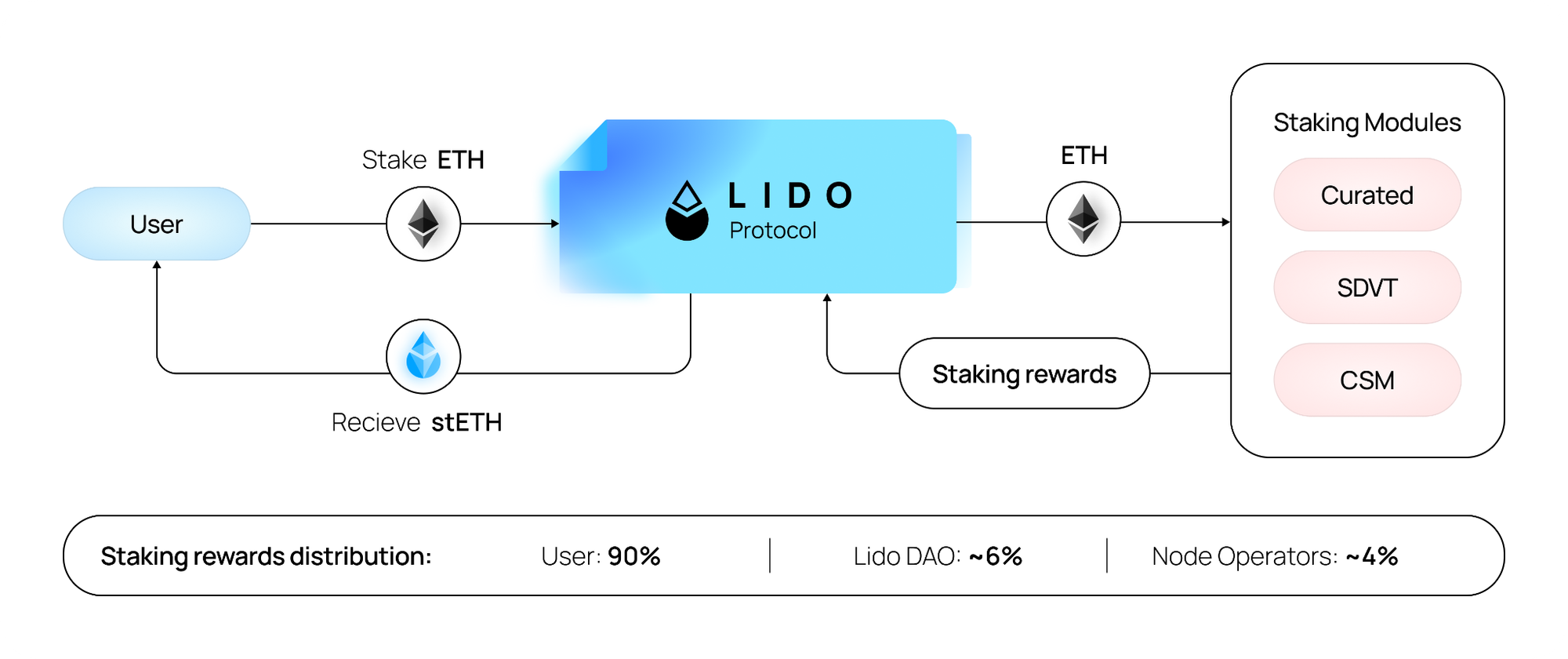
The Lido Protocol’s operational model remained steadfast throughout the first quarter of 2026. The process involves users depositing ETH into the protocol to receive stETH, which then becomes a liquid asset usable across various DeFi applications. The deposited ETH is strategically allocated through the Staking Router into diverse Staking Modules. Ethereum staking rewards generated from these modules are then distributed, with 90% flowing back to stakers, approximately 4% (varying by Staking Module) allocated to Node Operators for their crucial services, and the remaining portion directed to the Lido DAO Treasury.
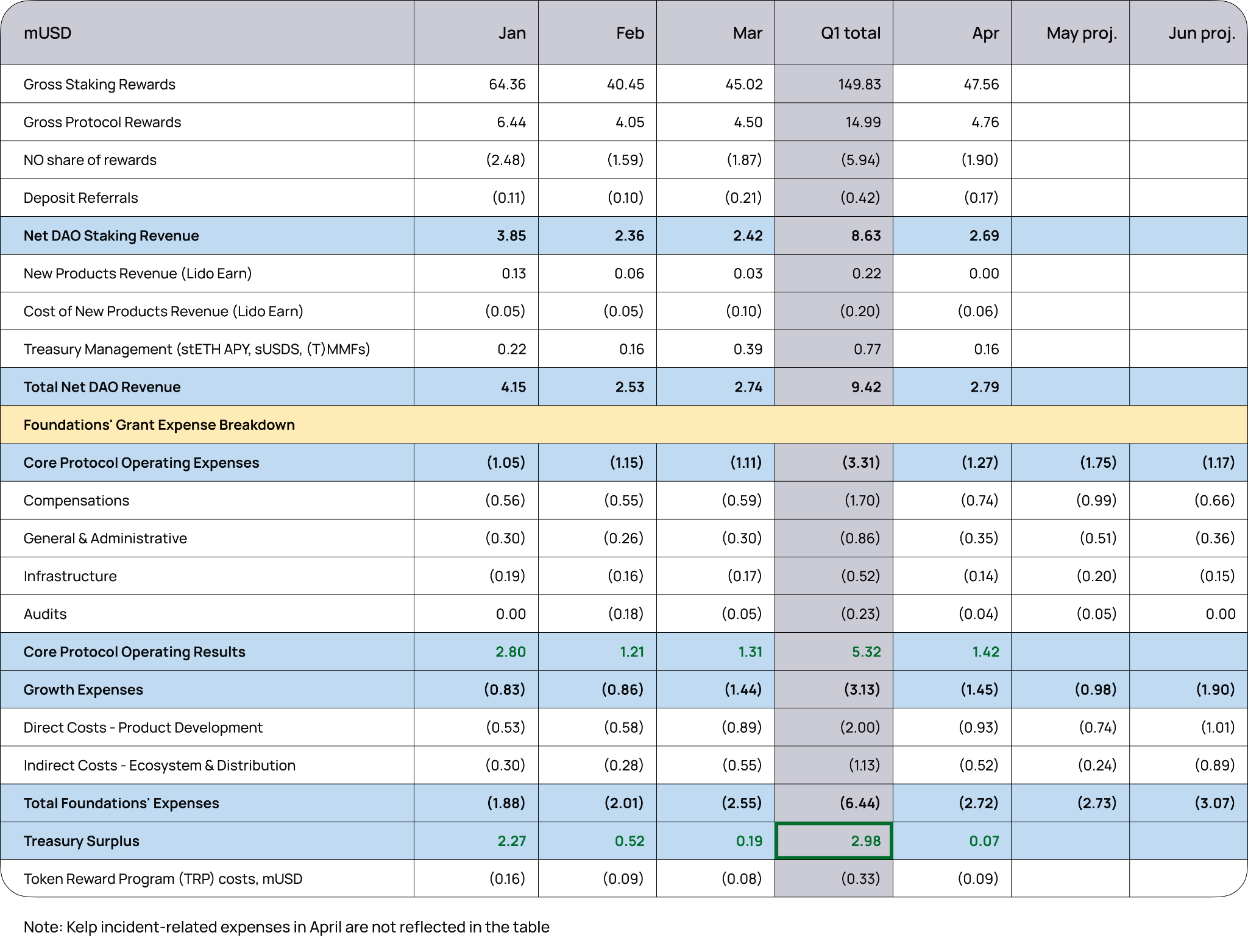
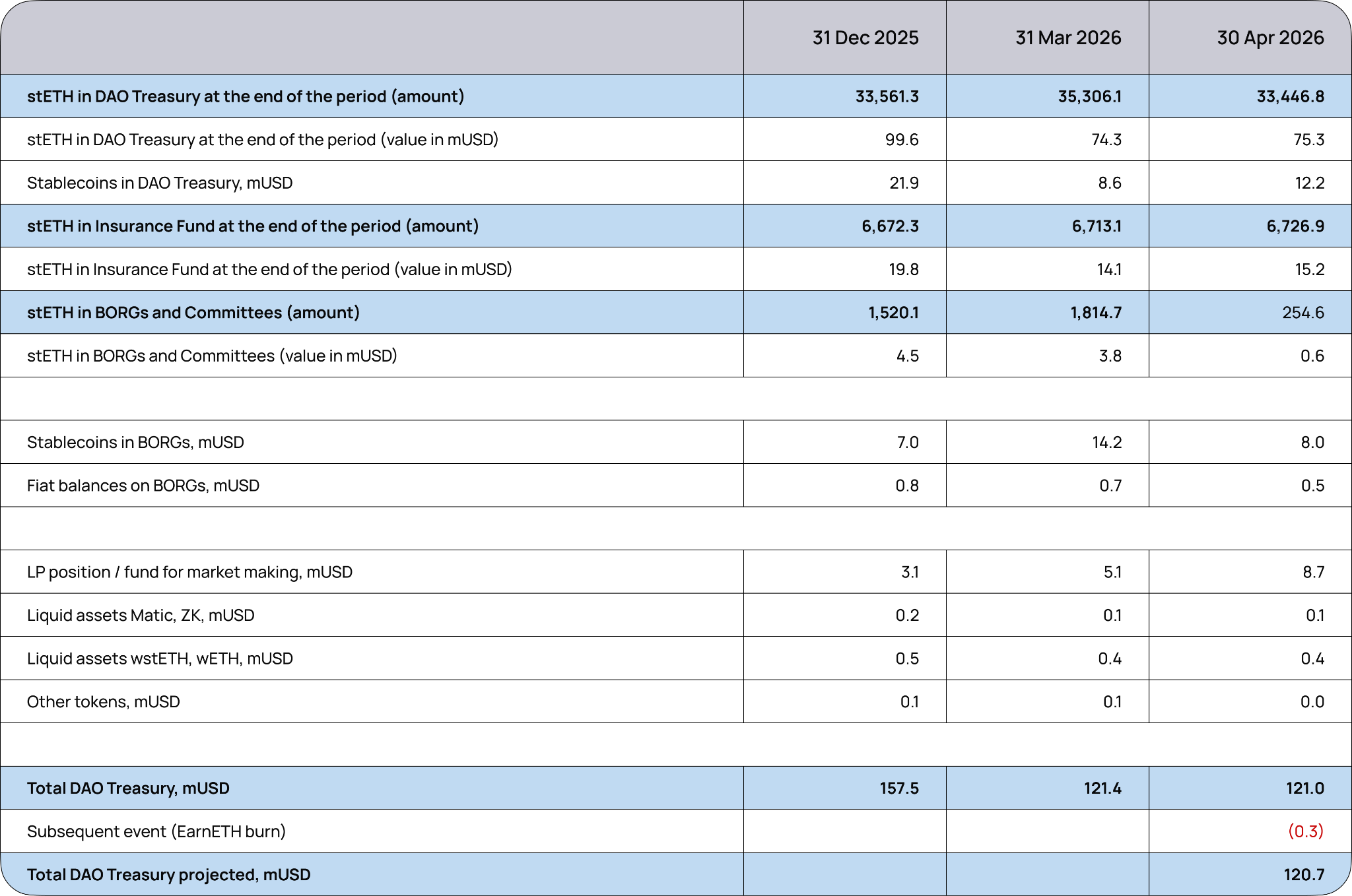
Despite challenging market conditions characterized by volatility and broader market contractions, the DAO reported positive operating results across all three months of Q1 2026. This resilience highlights the robustness of Lido’s underlying revenue model and its ability to generate sustainable returns even in adverse environments. However, the DAO Treasury experienced a notable decline, standing at approximately $121 million as of April 30, 2026, down from around $157 million at the beginning of the year. This decrease of approximately $36.5 million was primarily attributed to two factors: a significant $31.6 million impact resulting from the ETH price depreciation on the DAO’s substantial stETH holdings, and a $5.7 million contribution made to the DeFi United initiative, a collective effort to mitigate the fallout from the Kelp DAO incident. This transparent accounting provides tokenholders with a clear picture of the DAO’s financial health and the factors influencing its treasury movements.
The April Kelp DAO Incident: A Test of Resilience
April 2026 witnessed a significant incident that reverberated across the DeFi landscape: a LayerZero bridge exploit that left Kelp DAO’s rsETH underbacked by more than 100,000 ETH. At the time, the rsETH/ETH looping strategy represented one of the largest restaking positions on Aave, a prominent decentralized lending protocol. This exploit placed a substantial portion of DeFi borrowers, lenders, and numerous downstream protocols at considerable risk. Lido Protocol, through its EarnETH vault, had direct exposure to rsETH, amounting to approximately $20 million.
In response to this systemic threat, Lido DAO promptly joined a broader, coordinated industry effort known as the "DeFi United initiative." This collaborative endeavor successfully raised approximately 132,000 ETH from major players including Aave, Ethena, Mantle, Ether.fi, and others. Lido DAO’s contribution to this relief effort amounted to 2,500 stETH, valued at approximately $5.7 million at the time of transfer. In addition to this direct contribution, the DAO approved the burning of EarnETH shares equivalent to 144 ETH through EarnETH’s first-loss protection mechanism. These decisive actions collectively ensured that EarnETH depositors suffered no losses, effectively shielding them from the incident’s impact. Furthermore, the broader DeFi United initiative played a crucial role in stabilizing the affected markets, preventing a wider contagion.
The EarnETH vault was subsequently frozen for 27 days, a deliberate decision by its curator. This extended freeze was necessary because the full extent of the vault’s damage could not be accurately assessed until the DeFi United effort reached a resolution. The final outcome, a 0% loss for depositors, validated this cautious approach. Had withdrawals been permitted at no haircut before certainty was achieved, it could have potentially harmed those who remained in the vault if the rescue effort had failed. Conversely, setting an arbitrary haircut in advance would have unfairly penalized early withdrawers. The curator’s decision to await a clear assessment of the damage proved prudent, and upon resolution, withdrawals were unfrozen and resumed normal operations. It is important to note that EarnUSD withdrawals were unaffected and remained fully operational throughout this period. A detailed postmortem analysis of the Kelp incident, including EarnETH exposure, response mechanisms, and proposed risk framework changes, was subsequently published to ensure transparency and continuous improvement.
Updated Risk Policy for Lido Earn
In the wake of the Kelp DAO incident, Lido DAO swiftly implemented three significant changes to its risk policy for Lido Earn, which are now in effect and must be rigorously followed by the curator. These changes are designed to enhance security and prevent similar occurrences. One immediate consequence is the unwinding of the rsETH position in EarnETH, as it is unlikely to meet the newly updated, more stringent risk requirements. Future allocation decisions for EarnETH will now be subject to a revised systemic risk process, emphasizing more conservative and thoroughly vetted strategies.
LDO Tokenholder Alignment and Accumulation Programs
Lido Protocol’s structural alignment with LDO tokenholders remains a cornerstone of its decentralized governance model. Several key properties underscore this alignment: LDO tokenholders directly control the protocol’s upgradeability, a critical aspect of security and evolution; they hold the ultimate authority over all DAO Treasury funds, ensuring accountability and strategic deployment; and their direct control extends to protocol fees and reward distribution. These foundational elements collectively earned Lido a perfect 12/12 score on the Aragon Token Ownership Index, a testament to its robust decentralized governance framework.
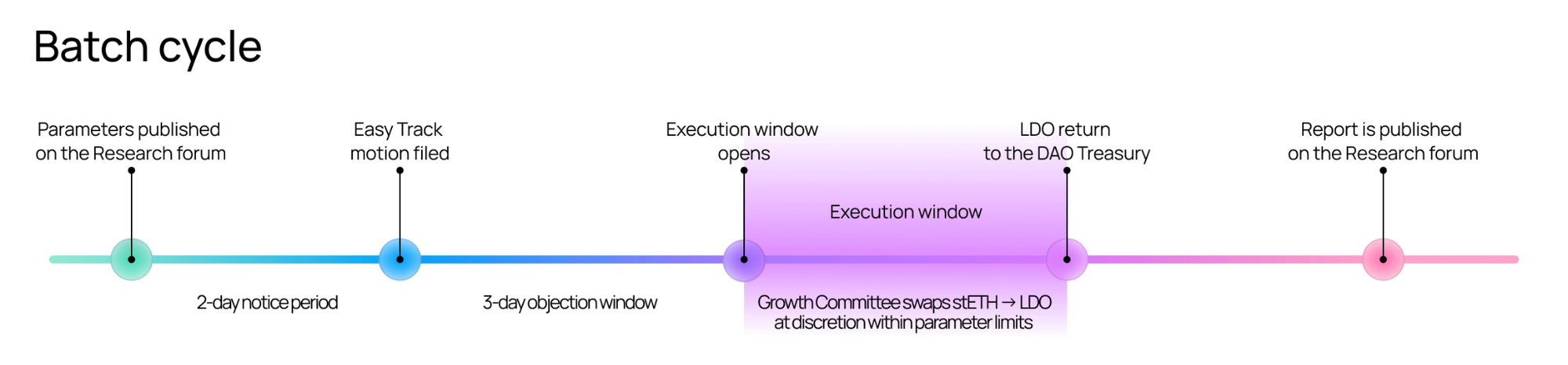
To further strengthen this alignment and support the LDO token, the DAO has initiated the LDO Accumulation Program. Under Batch #1 of this discretionary trade program, approved by Lido DAO via Snapshot, 1,000 stETH was requested from the Treasury. As of the May update call, 471 stETH had been strategically deployed into LDO at an average price of $0.3745. Batch #1 was slated to conclude on May 29, with full results and a detailed post-execution report to be published on the research forum within a week of that date. Following this, contributors will evaluate the program’s effectiveness and propose the path forward, including potential refinements to its parameters.
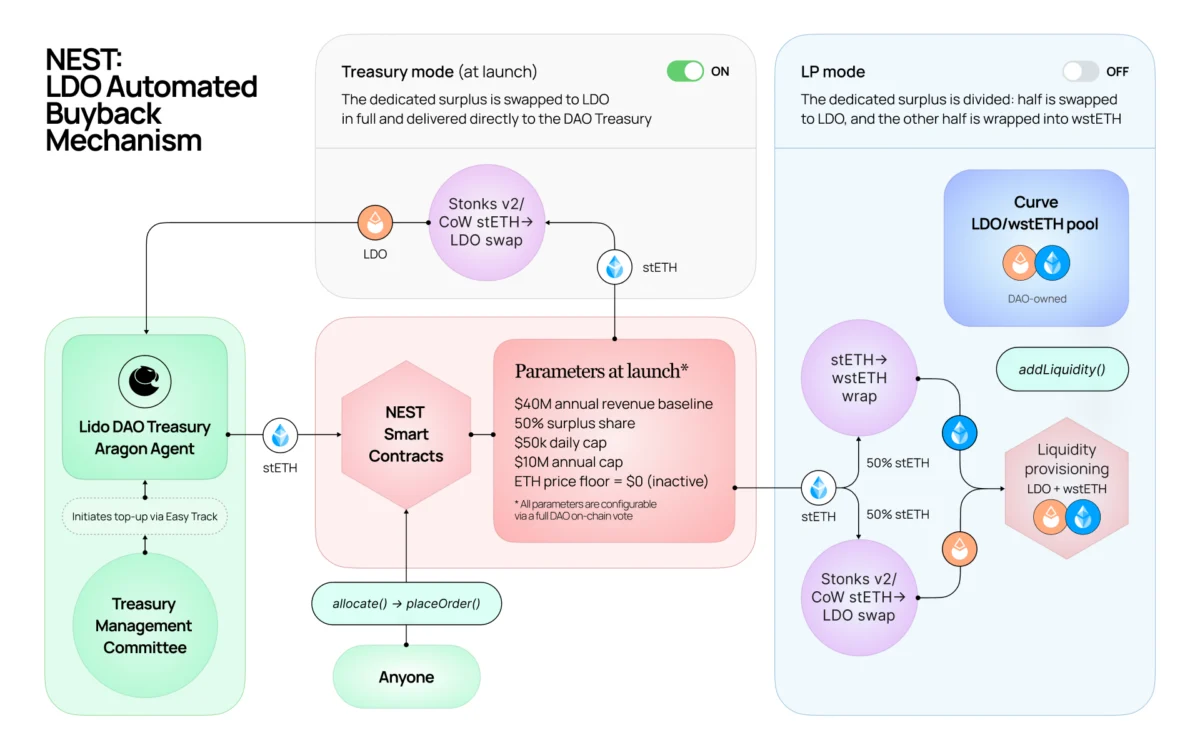
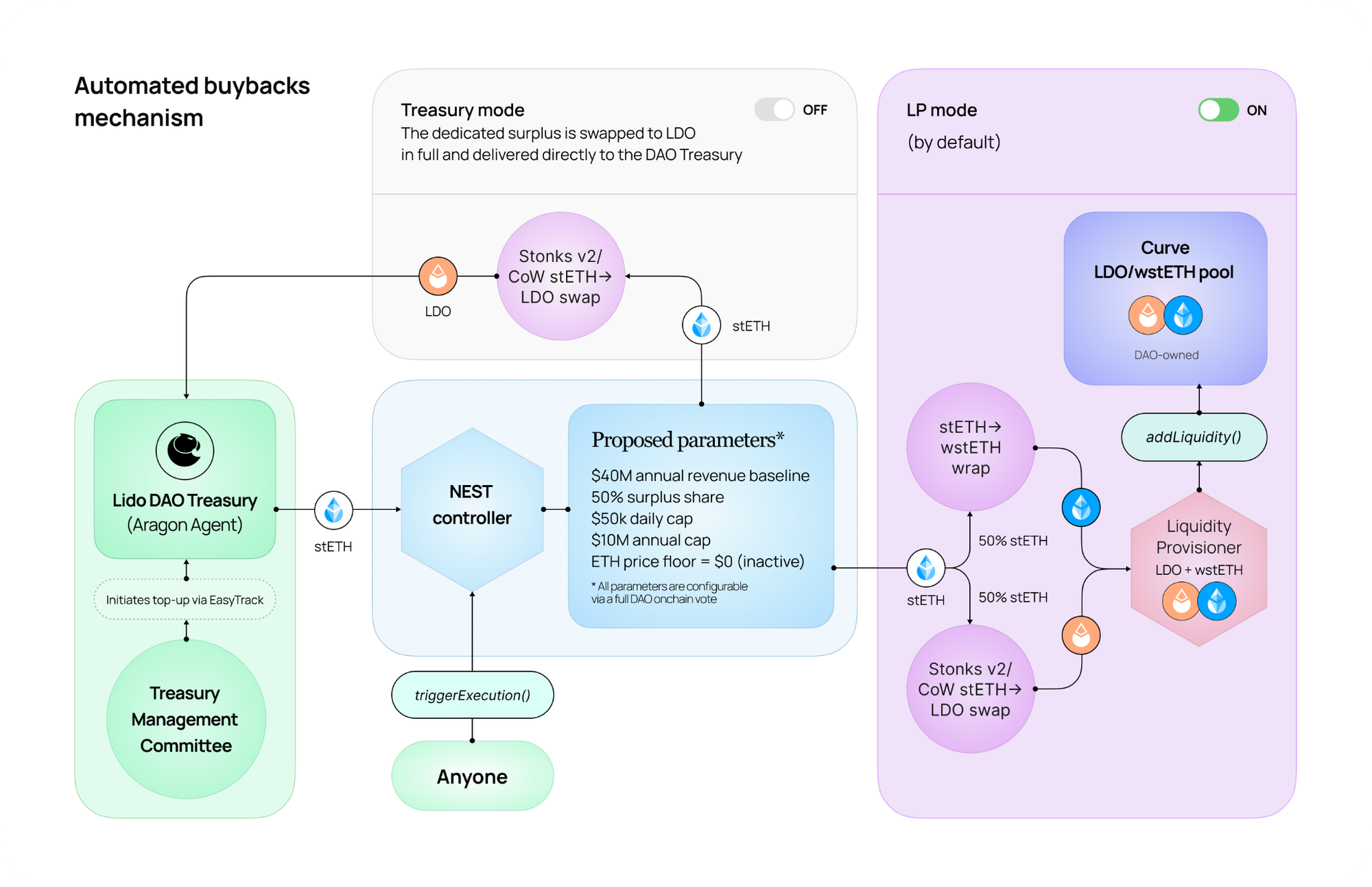
In parallel, the Network Economic Support Tokenomics (NEST) Automated Buyback Architecture is being developed. NEST is a sophisticated, rule-based onchain mechanism designed to automatically acquire LDO when Lido protocol’s revenue streams and prevailing market conditions are favorable. This mechanism establishes a direct, algorithmic link between the protocol’s financial performance and LDO tokenomics: when the DAO generates a surplus, a predetermined portion is automatically deployed into LDO buybacks and allocated to DAO-owned LDO/wstETH liquidity. The design and parameters of NEST were comprehensively approved by the DAO via a Snapshot vote. NEST features two operational modes: LP mode, the proposed launch configuration, where LDO is paired with wstETH and deployed as DAO-owned liquidity in a Curve v2 NG pool; and Treasury mode, where acquired LDO is directed straight to the DAO treasury. Switching between these modes requires an onchain vote, ensuring community oversight. With the NEST design now approved, the next crucial step is its onchain deployment, which is tentatively expected to occur via a DAO Aragon vote in July. The LDO Accumulation Program will continue to operate concurrently unless its Easy Track motions are paused by the DAO.
Evolving Ethereum Staking Market Dynamics
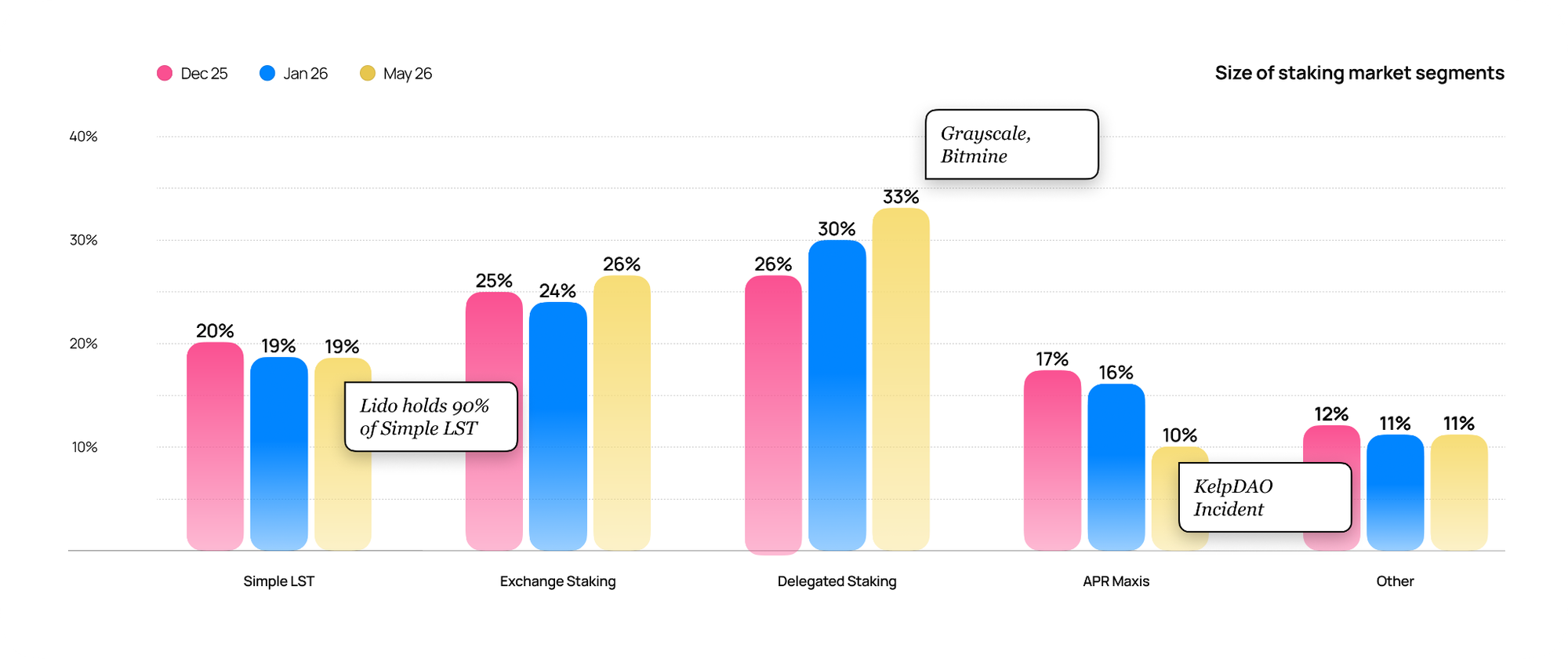
The Ethereum staking landscape has undergone significant shifts since the beginning of the year, with May witnessing the most pronounced changes. The market can broadly be segmented into five primary categories: Simple Liquid Staking Tokens (LSTs), Exchange Staking, Delegated Staking, APR Maxis (leveraged yield strategies), and Other.
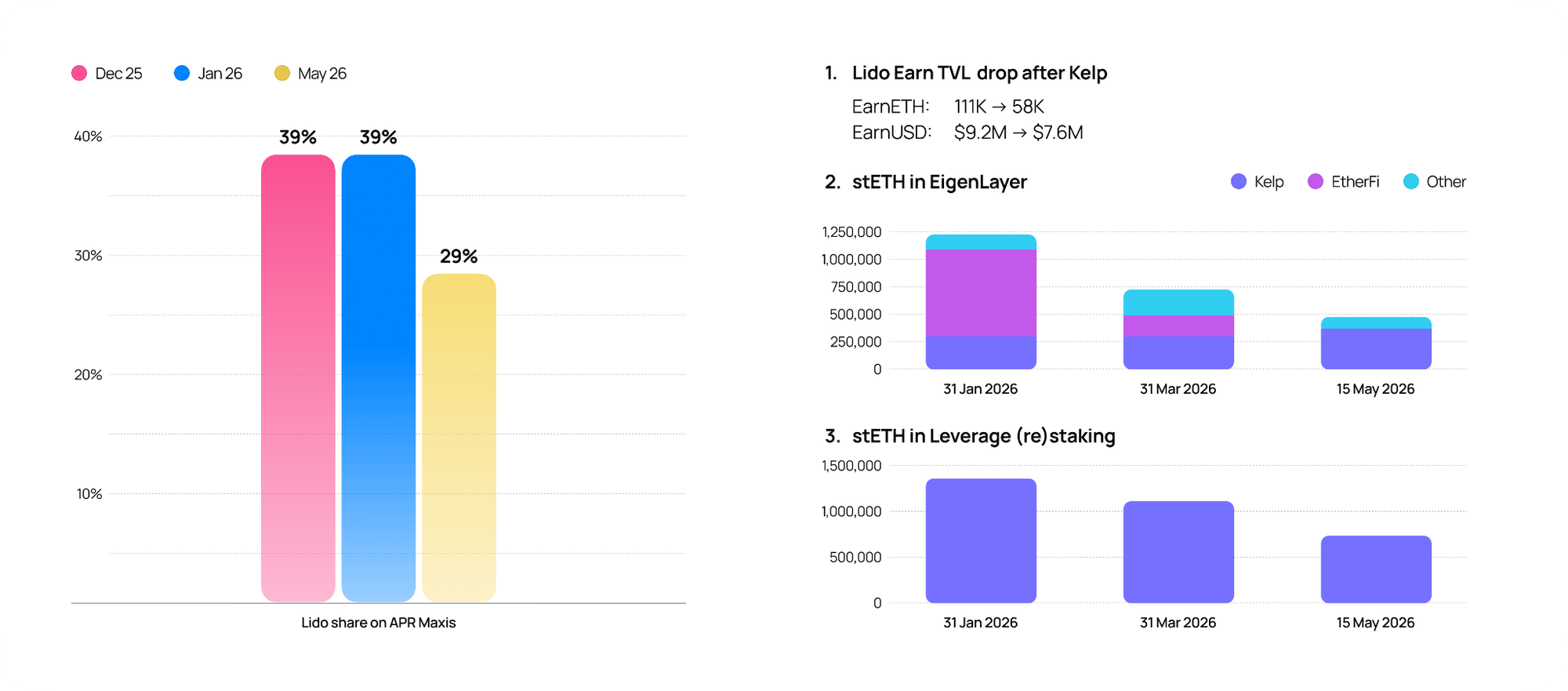
The most substantial growth was observed in the Delegated Staking segment, which experienced a sharp increase primarily driven by institutional inflows from major players such as Grayscale and BitMine. These entities contributed significant amounts of ETH, staked through a concentrated number of node operators, signaling a growing institutional appetite for direct staking. Conversely, the APR Maxis segment contracted sharply, influenced by two compounding pressures: EigenLayer’s reduction of restaking incentives, which diminished the attractiveness of complex yield strategies, and the April Kelp DAO incident, which triggered a widespread unwinding of leveraged staking loops across the DeFi ecosystem due to heightened risk perception. Lido Protocol also felt the effects of this contraction, though to a lesser extent than its peers; its total TVL (Total Value Locked) decreased by only about 5%, with much of this attributed to the unwinding of leveraged positions rather than a broad outflow of core users. The Simple LST, Exchange Staking, and Other categories remained largely stable throughout this period. Notably, Lido Protocol continues to maintain a dominant position, holding approximately 90% of the Simple LST segment, underscoring its foundational strength in this core market.
Within the APR Maxis segment, Lido Protocol’s share decreased from 39% in December to 29% in May. This decline was primarily driven by the aforementioned reduction in EigenLayer incentives, which impacted strategies that previously leveraged restaking for higher yields, and the contagion effects of the Kelp incident, which prompted a general de-risking among users involved in complex yield-farming.
In the Delegated Staking segment, Lido Protocol’s share saw a slight improvement, moving from 1.0% in December to 1.3% in May, though this remains below the ambitious plan. The stVaults TVL stood at approximately 5,500 ETH, significantly short of its annual target of 1.05 million ETH. While WisdomTree’s stETH ETP holdings grew by approximately 23.4% year-to-date (from roughly 17,000 to 21,000 ETH), indicating positive directional interest, the broader institutional adoption of stVaults has been slower than anticipated. This slower uptake is attributed to two main factors: the current preference of institutional players for the simplest available path of native staking, and the extended Ethereum entry queue, which can exceed 50 days, acting as a deterrent for new entrants. Meaningful stVaults adoption is now projected to materialize from Q4 2026 onward, as institutional comfort with more sophisticated liquid staking solutions grows and infrastructure matures.
2026 Targets Reassessment and Strategic Path Forward
Given the significant shifts in market dynamics and unforeseen external events, the annual targets initially set in December 2025 for Lido Protocol are no longer deemed achievable. While the DAO take rate achieved an all-time high of 6.10% in May (a 23% increase from 4.96% in December) following the Curated Module fee adjustment proposal, other critical deviations from the original plan were largely influenced by external market and ecosystem conditions. These included a general decline in ETH price, network-wide APR compression affecting staking yields, the prolonged Ethereum entry queue exceeding 50 days, and the far-reaching contagion effects of the Kelp incident on both Lido Earn and Lido Core TVL.
In light of these revised realities, two key priorities will guide Lido DAO’s near-term strategy: firstly, maintaining the sustainability of staking operations while concurrently tightening costs to ensure operational efficiency; and secondly, diligently exploring and developing new products that leverage Lido Protocol’s established brand in security to cultivate fresh revenue sources for the DAO. This dual approach emphasizes both prudent management of existing operations and strategic expansion into innovative areas.
Reinforcing Lido Protocol’s Security Stance
Security has become a paramount concern across the DeFi industry, leading to a re-evaluation of risk, particularly in segments exposed to complex protocol interactions. This heightened focus on security inherently validates Lido Protocol’s strategic positioning in simpler, more robust staking solutions. Third-party platforms are increasingly signaling their preference for secure assets; for instance, SparkLend now exclusively accepts wstETH as collateral for high-leverage ETH borrowing in e-mode, a clear endorsement of wstETH’s perceived stability and security.
Risk mitigation is fundamentally embedded in Lido Protocol’s design and development philosophy. As a testament to this unwavering commitment, no staking user funds have been lost since the protocol’s launch in 2020. Furthermore, Lido consistently holds top-tier ratings (Grade A or A+) across major third-party security and risk assessments, affirming its robust security posture.
Lido’s comprehensive security architecture operates across seven sequential layers:
- Spec and Research: Rigorous theoretical analysis and threat modeling.
- Development: Implementation following best security practices.
- Audits: Multiple independent security audits by leading firms.
- Release: Phased deployment with stringent checks.
- Voting: DAO governance approval for all major changes.
- Post-release: Continuous monitoring and bug bounty programs.
- Incident Response: Prepared protocols for rapid and effective reaction to any security events.
A critical insight from industry experience is that most failures across the blockchain industry trace back to the human layer, rather than solely to code vulnerabilities. To address this, Lido contributors employ an approach that severely limits the actions any single individual can take and relies heavily on automated circuit breakers to contain potential damage from a compromised person. This ensures that no single point of failure can lead to catastrophic loss. Multisig signing thresholds are carefully scaled to the value and access levels of each wallet, and the DAO retains ultimate control. Even multisigs holding protocol roles are restricted to defensive actions, such as pausing or turning contracts off, and cannot unilaterally resume or alter contracts. All pauses are time-limited, and any substantive protocol change necessitates a full onchain DAO vote, guaranteeing decentralized oversight and preventing unauthorized modifications.
The Kelp incident served as a stark reminder of how composability – the ability of different DeFi protocols to interact and build upon each other – can expose even a well-secured protocol to the mistakes or vulnerabilities of others. Lido’s approach to potentially "owning more of the stack" (i.e., integrating more components internally) is decided on a case-by-case basis, guided by three stringent criteria:
- Complexity: Evaluating the inherent complexity and potential attack surface of the component.
- Security: Assessing the security track record and robustness of the external component.
- Revenue Generation: Considering the potential for new revenue streams or significant cost savings by internalizing the component. This measured approach ensures that while innovation is pursued, security remains paramount.
Lido DAO’s New Strategic Ventures: Beyond Staking
Beyond its core mission of sustaining liquid staking and optimizing costs, Lido DAO is strategically exploring new product frontiers that leverage its established brand reputation for security. The goal is to create novel revenue sources for the DAO and expand its influence within the broader decentralized technology landscape. Several concepts are currently in various stages of prototype and ideation, with more detailed information to be shared as these initiatives undergo robust customer validation.
One such pioneering product that has reached public preview is Wisp: Confidential AI. Wisp is an innovative AI harness that utilizes confidential Large Language Models (LLMs) to run prompts within an attested hardware-sealed Trusted Execution Environment (TEE). This advanced architecture ensures that identity, all files, and stored memory remain securely on the user’s machine, addressing critical privacy and data handling concerns prevalent with existing AI tools. Wisp emerged from contributors’ internal operational needs, as existing AI solutions raised concerns regarding sensitive information. The project is now being explored for broader external use cases, showcasing Lido’s ability to translate internal solutions into market-ready products. A public waitlist for Wisp is currently open at usewisp.io.
Future Outlook and Engagement
Looking ahead, additional DeFi products are being prototyped, all designed to capitalize on Lido Protocol’s impressive security track record and generate new, diversified revenue streams for the DAO. These earlier-stage concepts are being kept under wraps until they undergo sufficient validation to ensure their viability and strategic fit.
Lido Poolside community calls are held monthly, providing regular updates and fostering community engagement. More in-depth Tokenholder Update sessions, like the May 2026 briefing, are conducted quarterly. Interested participants are encouraged to subscribe via Luma for timely updates on all upcoming events and to remain informed about Lido DAO’s continuous evolution. This ongoing commitment to transparency and community interaction remains a cornerstone of Lido’s decentralized governance model.