admin
admin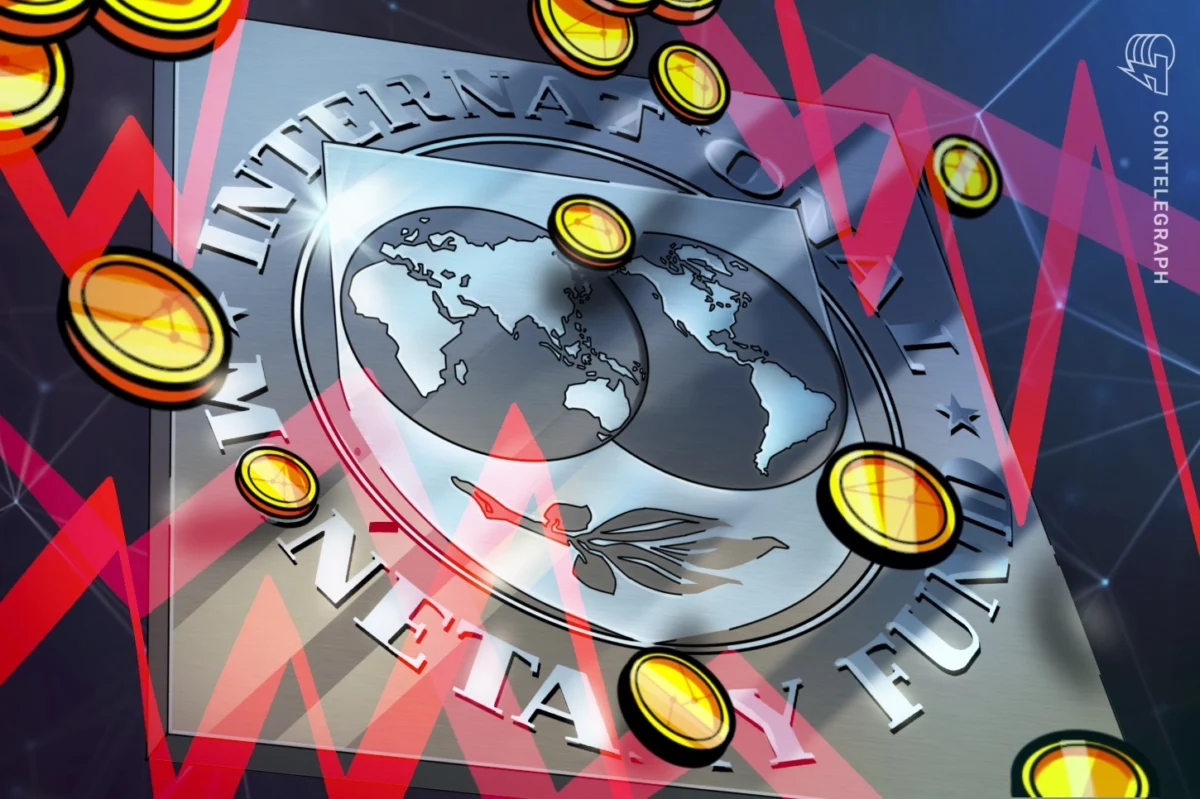
The Rapid Ascent of Stablecoins in the Brazilian Economy
Since 2017, Brazil has emerged as one of the world’s most significant markets for digital assets. While the initial wave of crypto adoption was characterized by speculative trading in volatile assets like Bitcoin, the market has matured into a sophisticated ecosystem dominated by stablecoins. According to the IMF, these digital assets, which are typically pegged 1:1 to the US dollar, have become a staple for both retail and institutional participants in Brazil.
The IMF report emphasizes that stablecoin activity in Brazil is not merely a localized phenomenon but a major component of the country’s international financial interactions. The data suggests that cross-border crypto flows have been "steadily increasing," often bypassing the traditional banking rails that the central bank uses to monitor and regulate the flow of capital. This "crypto-dollarization" reflects a broader trend in emerging markets where citizens seek to hedge against local currency depreciation and high inflation by holding digital versions of the US dollar.
One of the most striking findings in the IMF assessment is the comparative sensitivity of these flows. The report notes that stablecoin purchases in Brazil are two to three times more sensitive to global financial shocks than traditional portfolio investments or FDI. This heightened sensitivity implies that in periods of global market stress, capital can exit or enter the Brazilian economy via crypto channels much faster than through regulated brokerage or banking channels, potentially complicating the central bank’s efforts to maintain exchange rate stability.
A Chronology of Brazil’s Regulatory Journey
Brazil’s path toward crypto integration has been marked by proactive but cautious regulatory steps. To understand the current landscape, it is essential to look at the timeline of events that led to the IMF’s recent warnings:
- 2017–2019: Early adoption phase. The Brazilian crypto market begins to see significant volume, prompted by global bull markets. The Receita Federal (Brazil’s tax authority) introduces Normative Instruction 1.888, requiring platforms to report all crypto transactions to combat tax evasion.
- 2021: The Banco Central do Brasil begins formal discussions on a Central Bank Digital Currency (CBDC), later named the Drex, recognizing the need for a regulated digital alternative to private stablecoins.
- December 2022: Brazil enacts Law No. 14.478, often referred to as the "Crypto Framework Law." This legislation establishes the legal definitions for virtual assets and service providers, designating the BCB as the primary regulator for the sector.
- 2023: The BCB launches public consultations to refine the rules for Virtual Asset Service Providers (VASPs). During this time, the use of Tether (USDT) surges, accounting for a vast majority of the stablecoin volume in the country.
- April 2024: The BCB publishes Resolution No. 561. This regulation updates the rules for electronic foreign exchange (eFX) providers, explicitly prohibiting the use of digital assets for certain international payment and transfer services. This was a direct attempt to ring-fence the traditional foreign exchange market from the "unregulated" crypto-asset space.
- July 2024: The IMF releases its FSSA report, acknowledging the BCB’s progress but warning that the speed of market growth is outpacing the implementation of comprehensive oversight.
Supporting Data: The Magnitude of Crypto Flows
The scale of Brazil’s crypto market is underscored by data from the Brazilian Tax Authority. In recent years, monthly trade volumes for crypto assets have frequently exceeded billions of dollars. Tether (USDT) has become the dominant force, often representing over 80% of the total stablecoin volume in the country.
The IMF’s analysis points to a "tightening interconnection" between the crypto market and the traditional financial system. Brazilian banks and fintech firms have been among the most aggressive globally in offering crypto-related products. Several major traditional banks now allow customers to buy, sell, and hold crypto directly within their banking apps. While this increases accessibility, the IMF warns it also creates contagion channels. If a major crypto service provider were to fail, the impact could transmit more directly to the regulated banking sector than in previous years.
Furthermore, the IMF highlighted that the volume of "off-chain" transactions—those occurring within the internal ledgers of exchanges rather than on the public blockchain—makes it difficult for authorities to get a full picture of the systemic risk. The growth of the "Pix" system, Brazil’s highly successful instant payment network, has also facilitated this growth by providing a seamless on-ramp for fiat-to-crypto conversions.
Identifying Regulatory Gaps and Official Responses
Despite the BCB’s reputation as a forward-thinking regulator, the IMF identified several critical gaps that require urgent attention. The report specifically mentions:
- Customer Asset Protection: There is a need for clearer rules regarding the segregation of client assets from the operational funds of exchanges. This is a lesson learned from the global collapse of FTX, which highlighted the risks of commingling funds.
- Stablecoin Issuance Rules: While Brazil regulates the intermediaries, the IMF suggests more robust frameworks are needed for the issuance of stablecoins themselves, particularly those that claim to be backed by Brazilian Reais or other liquid assets.
- AML/CFT Compliance: Anti-money laundering and counter-terrorist financing protocols remain inconsistent across the diverse range of VASPs operating in the country.
- Operational Resilience: As crypto becomes more integrated with traditional finance, the operational risks (cyberattacks, system failures) associated with crypto platforms pose a threat to broader financial stability.
In response to these challenges, the Banco Central do Brasil has maintained that its phased approach is the most effective way to foster innovation while mitigating risk. Central Bank Governor Roberto Campos Neto has frequently spoken about the "tokenization of the economy," suggesting that the ultimate goal is to migrate these activities into a regulated environment through the Drex (CBDC) project. However, the BCB’s Resolution 561 demonstrates that until the Drex is fully operational, the regulator is willing to use restrictive measures to prevent crypto from undermining capital controls.
Analysis of Implications: The Challenge to Monetary Sovereignty
The IMF’s warning carries significant weight because it touches on the fundamental concept of monetary sovereignty. In many emerging markets, capital controls are a vital tool for managing the economy. These controls allow the central bank to influence interest rates and exchange rates without being entirely at the mercy of global capital flight.
Stablecoins represent a "leakage" in this system. Because digital assets can be transferred globally across decentralized networks, they are inherently more difficult to "stop" at the border than a wire transfer through a SWIFT-connected bank. The IMF’s finding that stablecoin flows are more sensitive to global shocks suggests that Brazil is becoming more exposed to international volatility. If US interest rates rise, for instance, the incentive for Brazilians to move wealth into USD-pegged stablecoins increases instantly, putting downward pressure on the Brazilian Real.
This creates a policy dilemma. If the government cracks down too hard on crypto, it may drive the activity further underground or into offshore exchanges where it has zero visibility. If it is too lenient, it risks a hollowing out of the local currency’s utility for savings and large-scale transfers.
Broader Impact and Global Context
Brazil is often seen as a bellwether for other emerging markets. The trends observed by the IMF in Brazil are being mirrored in nations like Argentina, Nigeria, and Turkey. The Bank for International Settlements (BIS) has echoed the IMF’s concerns, recently warning that stablecoins could weaken capital controls across the developing world.
The shift toward stablecoins also impacts the "remittance" economy. Traditionally, cross-border transfers were slow and expensive. Stablecoins offer a near-instant, low-cost alternative. While this is a net positive for financial inclusion and economic efficiency, it bypasses the "gatekeeper" role of traditional banks, which are the primary enforcers of AML and tax regulations.
As Brazil prepares for the next phase of its regulatory rollout, the eyes of the international financial community remain on the BCB. The success or failure of Brazil’s attempt to integrate crypto into a regulated framework—while maintaining the integrity of its traditional capital flows—will likely provide a blueprint for other G20 nations.
For now, the IMF’s message is clear: the growth of the digital asset market in Brazil is no longer a fringe phenomenon. It is a systemic development that requires a regulatory framework as fast-moving and sophisticated as the technology it seeks to govern. The "fast-growing and increasingly interconnected" nature of the market means that the window for closing regulatory gaps is narrowing, as stablecoins continue to redefine the boundaries of the Brazilian financial system.