James Watt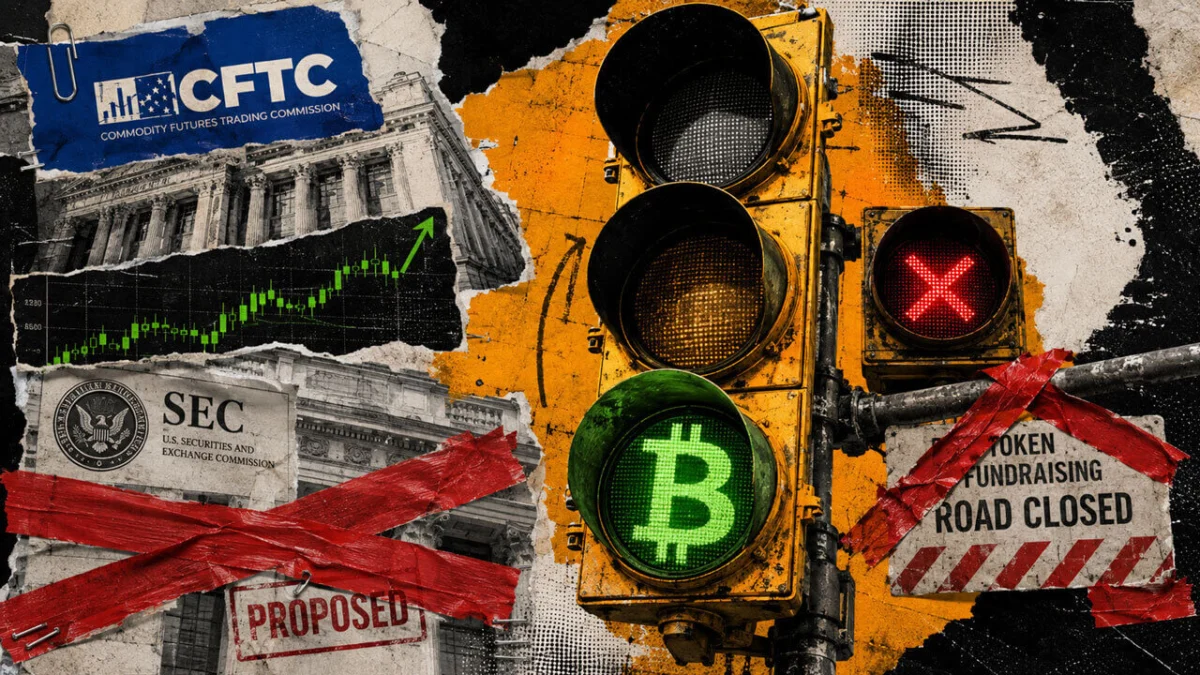
The United States regulatory landscape for digital assets is currently undergoing a structural transformation characterized by a notable divergence in the speed of implementation between trading infrastructure and capital formation rules. While the Commodity Futures Trading Commission (CFTC) has successfully integrated complex crypto-native derivatives into the domestic regulated market, the Securities and Exchange Commission (SEC) remains in the preliminary stages of establishing a formal pathway for token-based fundraising. This disparity has created a market environment where institutional investors can hedge and trade established assets like Bitcoin with high leverage through "true perpetual" contracts, while entrepreneurs and founders still lack a clear, codified route to finance new blockchain projects under specific federal crypto regulations.
The chronological milestones of this regulatory shift highlight the rapid pace of the CFTC compared to the deliberate, multi-stage process of the SEC. On May 29, the CFTC approved a Bitcoin perpetual contract for Kalshi, a regulated US exchange, marking the first time a true perpetual—a product previously relegated to offshore, unregulated platforms—was permitted on a designated contract market (DCM). Conversely, it was not until August 18 that the SEC introduced a proposal for "Regulation Crypto Assets," a framework designed to allow crypto projects to raise capital from the public. As of late August, this proposal remains a draft subject to public commentary, while the CFTC’s approved products are already live and facilitating billions of dollars in volume.
Market Dynamics and the Impact of Derivatives Integration
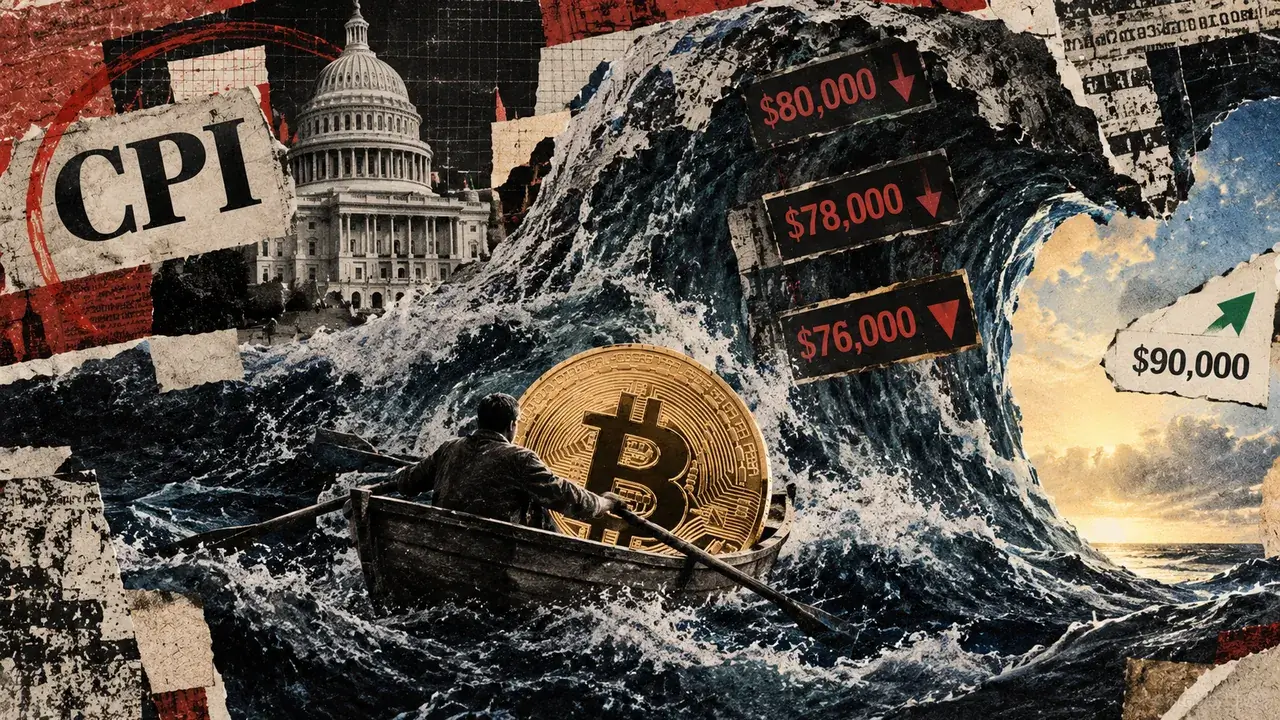
The significance of these regulatory developments is underscored by recent market activity. On August 21, Bitcoin was trading at approximately $77,000, representing a 22% increase over a seven-day period. This price action was accompanied by massive liquidity flows through the derivatives sector. According to data from CoinGlass, 24-hour Bitcoin futures volume reached roughly $154.6 billion, with open interest standing at $56.2 billion.
The volatility inherent in this rally was evidenced by the liquidation of bearish positions. As Bitcoin breached the $72,000 resistance level, the market witnessed $3.1 billion in short liquidations. A subsequent rolling window captured an additional $840 million in liquidations. These figures illustrate the sheer scale of the global derivatives market and the pressure on US regulators to bring this activity onshore. By providing a regulated venue for these products, the CFTC aims to migrate volume from offshore entities—which often lack robust consumer protections and anti-money laundering (AML) controls—to domestic exchanges like Kalshi and Bitnomial.
The Technical Shift: From Dated Futures to True Perpetuals
For years, the US crypto derivatives market was limited to standard futures contracts. These instruments have fixed expiration dates, requiring traders to "roll" their positions into new contracts to maintain exposure, a process that incurs transaction costs and potential price slippage. In contrast, the perpetual contract (or "perp") has no expiry. It utilizes a "funding rate" mechanism—a series of periodic payments between long and short traders—to ensure the contract price tracks the underlying spot price of the asset.
The CFTC resolved the legal ambiguity surrounding these products by utilizing Regulation 40.3. This existing framework allows the commission to review the terms of a new contract to ensure it complies with the "Core Principles" of a designated contract market. Kalshi’s approval for its BTCPERP product established that a US platform could offer up to six times leverage on Bitcoin without an expiration date.
To provide broader industry clarity, the CFTC published a policy statement alongside the Kalshi approval. This document explained how existing principles regarding margin, surveillance, and clearing apply to the perpetual model. While this does not grant blanket permission for all exchanges to list any perpetual, it provides a standardized "rulebook" that Bitnomial and others have already begun to follow. Bitnomial has since launched its own US-regulated perpetual futures, further cementing the CFTC’s lead in market construction.
The SEC’s Proposed Regulation Crypto Assets: A Slower Path to Capital
While the trading layer of the market is expanding, the issuance layer remains in a state of regulatory flux. The SEC’s "Regulation Crypto Assets" proposal represents the first major attempt to create a bespoke registration exemption for digital tokens. Under the current proposal, the SEC envisions a tiered system for fundraising:
- A startup exemption for raises up to $5 million.
- Public tiers allowing for raises of $20 million and up to $75 million.
- A "Safe Harbor" provision that would allow a token to eventually be treated as a non-security once the issuing project achieves a certain level of decentralization or maturity.
However, because this proposal involves fundamental questions of investor protection, disclosure requirements, and the definition of an investment contract, it faces a much longer road to implementation. The proposal entered the Federal Register on August 21, triggering a public comment period that lasts until October 20. Only after the SEC reviews these comments and holds a final vote can the rules be codified. Until then, founders must continue to rely on private placements (Regulation D) or offshore structures, leaving the domestic public market for new tokens effectively closed.
Comparative Regulatory Status of Major Market Participants
The following table summarizes the current status of key regulatory initiatives and institutional offerings as of late August:
| Initiative | Lead Regulator | Status | Function/Impact |
|---|---|---|---|
| Kalshi BTCPERP | CFTC | Approved and Live | First regulated true Bitcoin perpetual in the US. |
| Bitnomial Perpetuals | CFTC | Live | Offers regulated perpetual futures for Bitcoin. |
| Coinbase Futures | CFTC-Regulated | Five-year expiries | Currently utilizes long-dated futures rather than true perps. |
| June No-Action Relief | CFTC | Expired June 30 | A temporary window for contract conversion that has ended. |
| Reg Crypto Assets | SEC | Proposed | A pending framework for token sales up to $75 million. |
| CLARITY Act | US Congress | Pending Senate Vote | Proposed legislation to define SEC/CFTC boundaries. |
This table illustrates the "first-mover" advantage of the CFTC. By placing crypto products within the established infrastructure of designated contract markets, the CFTC avoided the need to create an entirely new legal category, whereas the SEC must navigate the complexities of the Howey Test and the Securities Act of 1933.
Legislative Oversight and the CLARITY Act
The divergence between the two agencies has prompted legislative intervention from the US Senate. The CLARITY Act, which advanced through the Senate Banking Committee in May, seeks to provide a statutory division of authority between the SEC and the CFTC. Senate Banking Chair Tim Scott has indicated that a vote could occur as early as September, following a cloture motion scheduled for September 15.
The act is designed to prevent "regulation by enforcement" by clearly defining which digital assets are commodities and which are securities. If passed, it would make the current regulatory allocations harder for future administrations to unilaterally change, providing the long-term stability that institutional capital requires.
Broader Implications: From Crypto to Energy Markets
The success of the perpetual contract model in the crypto space is now influencing traditional financial markets. On July 23, the CFTC opened an inquiry into the use of 24/7 trading and perpetual designs for US energy derivatives, such as oil, natural gas, and electricity.
The appeal of the perpetual model for energy markets lies in capital efficiency. Traditional energy hedgers must manage the "roll" of futures contracts across monthly or quarterly cycles. A perpetual energy contract would allow a utility company or an oil producer to maintain a hedge indefinitely, provided they manage their collateral. However, the CFTC has noted that energy markets present unique challenges, such as physical delivery schedules and seasonal production cycles, which do not exist for Bitcoin. The current comment period for this inquiry, closing August 26, suggests that the "crypto-native" design of perpetuals may soon become a standard tool in Wall Street’s broader commodity arsenal.
Conclusion: A Market Prepared to Trade, But Not to Create
The current state of the American crypto market is one of lopsided maturity. The infrastructure for sophisticated trading—comprising high-leverage perpetuals, regulated clearinghouses, and robust surveillance—is largely in place and operational. This benefits institutional trading firms and hedge funds that can now access Bitcoin exposure with the same regulatory protections found in the S&P 500 futures market.
However, the "creative" side of the industry—the founders and developers building new token networks—remains sidelined by the lack of a finalized SEC framework. The United States has effectively built a world-class stadium for trading digital assets but has yet to finalize the permits for the factories that produce them. Whether the SEC can bridge this gap through Regulation Crypto Assets will determine if the US remains a global hub for blockchain innovation or merely a venue for the secondary trading of assets originated elsewhere.