admin
admin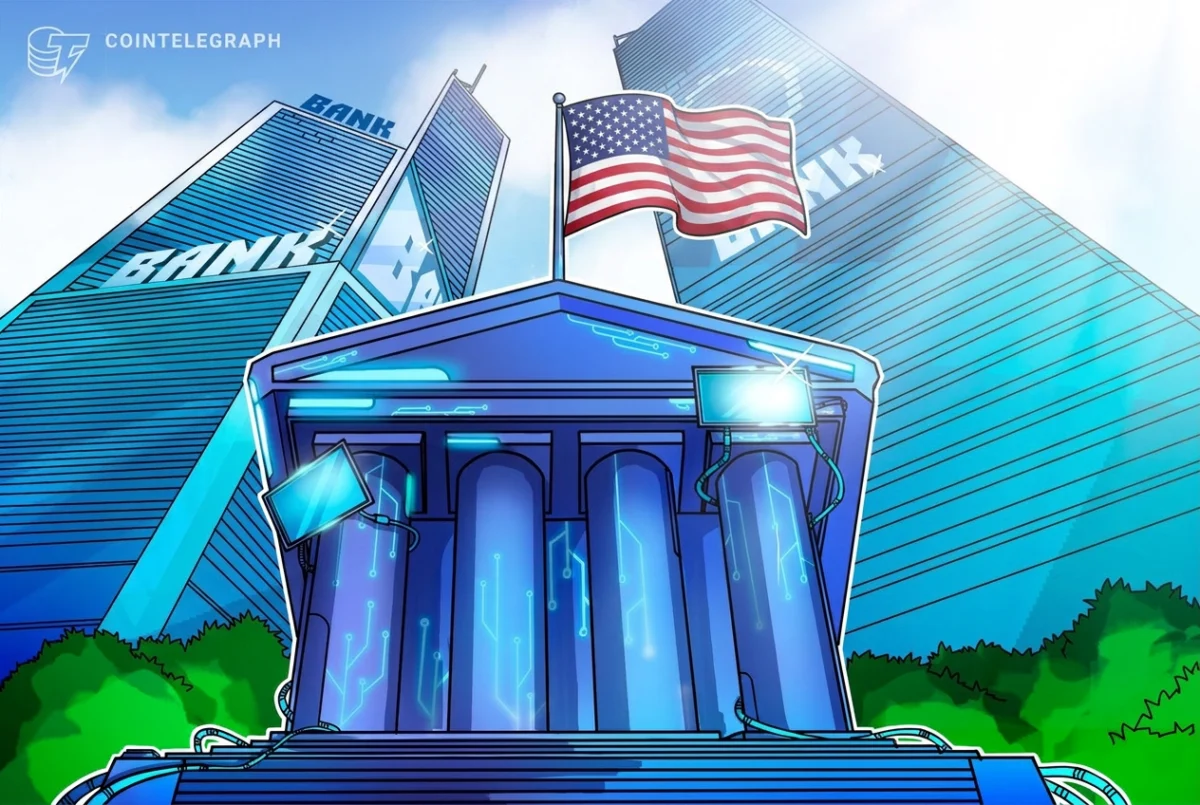
The landscape of the American financial system is poised for a significant technological transformation as 39 state banking associations have officially announced the formation of the BankChain Alliance. This collaborative entity is tasked with developing and deploying a nationwide, industry-owned blockchain network specifically designed to serve the needs of regulated financial institutions. With a targeted launch window set for 2027, the initiative represents one of the most ambitious efforts to date to modernize the underlying infrastructure of the United States banking sector. The alliance intends to provide a unified platform for smart payment tools, tokenized deposits, stablecoins, and automated settlement systems, effectively bridging the gap between traditional finance and the burgeoning digital asset economy.
According to the formal announcement released on Tuesday, the BankChain Alliance is currently in the process of selecting a technology partner to build the foundational architecture. A primary objective of the network is interoperability, ensuring that the BankChain ecosystem can communicate and transact seamlessly with other emerging blockchain networks. While the participating associations represent thousands of community and regional banks across the country, the alliance has extended an open invitation for banks nationwide to take direct ownership stakes in the project. This "by the banks, for the banks" model is intended to ensure that the infrastructure remains a public-like utility for the industry rather than a proprietary tool controlled by a single dominant institution or a third-party technology firm.
The Strategic Shift Toward On-Chain Financial Infrastructure
The formation of the BankChain Alliance does not occur in a vacuum; it is the latest and perhaps most geographically diverse entry in a rapidly accelerating trend of on-chain banking initiatives. Since late 2025, the U.S. banking sector has seen a flurry of activity as lenders of all sizes seek to reclaim the initiative from fintech startups and decentralized finance (DeFi) protocols. The move toward blockchain-based systems is driven by the need for greater operational efficiency, reduced settlement times, and the ability to offer programmable financial products that meet the demands of a 24/7 global economy.
For decades, the U.S. banking system has relied on legacy rails such as the Automated Clearing House (ACH) and Fedwire. While reliable, these systems often suffer from latency, high costs for cross-border transactions, and restricted operating hours. By moving deposits and payments "on-chain," banks can achieve "atomic settlement," where the transfer of an asset and the payment for that asset happen simultaneously and irrevocably. This eliminates counterparty risk and frees up capital that would otherwise be trapped in transit.
Technical Foundations: Tokenized Deposits vs. Stablecoins
Central to the BankChain Alliance’s mission is the implementation of tokenized deposits. Unlike independently issued stablecoins, which are often backed by reserves held in a separate entity and may carry different risk profiles, tokenized deposits are digital representations of traditional commercial bank money. When a bank tokenizes a deposit, the liability remains on its balance sheet, and the customer’s funds continue to benefit from existing regulatory protections, including Federal Deposit Insurance Corporation (FDIC) insurance up to applicable limits.
The distinction is critical for the regulated banking industry. Tokenized deposits allow for the programmability of money—enabling features like "if-then" smart contracts for automated payments—while maintaining the stability and trust associated with the commercial banking system. The BankChain network is expected to support these assets alongside bank-issued stablecoins, which may be used for broader liquidity purposes or as a bridge to other blockchain ecosystems. By providing a standardized framework for these digital representations of value, the alliance aims to prevent the fragmentation of the U.S. monetary system into "walled gardens" of incompatible bank-specific tokens.
A Chronology of U.S. Bank-Led Blockchain Initiatives
The timeline of blockchain adoption within the U.S. banking sector has moved from theoretical pilots to large-scale infrastructure projects in a relatively short period. To understand the significance of the BankChain Alliance, it is necessary to examine the concurrent developments that have shaped the current environment:
- Late 2025 – Early 2026: Major global systemically important banks (G-SIBs) began consolidating their efforts. The Clearing House, an organization owned by the world’s largest banks including JPMorgan Chase, Bank of America, Citi, and Wells Fargo, announced a major on-chain money initiative. This project focused on clearing and settling tokenized deposits between large institutions, leveraging their massive existing liquidity pools.
- March 2026: Regional lenders, sensing the need to remain competitive with their larger counterparts, launched "Cari." Developed by a consortium including Huntington, First Horizon, M&T Bank, KeyBank, and Old National, Cari aimed to create a shared ledger for regional banks. The project successfully launched a minimum viable product (MVP) in the first quarter of the year.
- June 2026: The Independent Bankers Association of Texas (IBAT) spearheaded the DTX Consortium. This initiative focused specifically on community banks, ensuring that smaller institutions would not be left behind as the industry shifted toward digital assets. By mid-year, the DTX Consortium reported that its membership had exceeded 50 banks.
- Late 2026: The broader fintech market responded with the "Open Standard" initiative, which gathered over 140 companies to support Open USD, a dollar-backed stablecoin. This effort highlighted the growing competition between bank-led regulated networks and private-sector stablecoin issuers.
- Early 2027: The BankChain Alliance announcement marks the broadest effort to date, uniting 39 state-level associations to create a comprehensive, nationwide network that spans the entire hierarchy of the banking system, from small community lenders to large regional players.
Governance, Funding, and the Challenges Ahead
While the vision for BankChain is clear, several operational questions remain unanswered. The alliance has yet to disclose the specific governance structure of the network or the details of its funding model. In traditional banking consortia, governance is often a point of contention, as the interests of a $500 billion regional bank may differ significantly from those of a $500 million community bank. Establishing a voting and decision-making framework that satisfies 39 different state associations and thousands of individual member banks will be a monumental task.
Furthermore, the choice of a technology partner will be a defining moment for the alliance. The network must be robust enough to handle the transaction volumes of the U.S. banking system while remaining flexible enough to integrate with diverse legacy core-banking systems. Interoperability with other networks, such as the major bank-led Clearing House initiative or even public blockchains like Ethereum or the Canton Network, will be essential for the network’s long-term utility.
Regulatory compliance is another hurdle. While the participating banks are already highly regulated, the use of blockchain technology introduces new questions regarding Know Your Customer (KYC) and Anti-Money Laundering (AML) procedures in a decentralized environment. The BankChain Alliance will likely need to work closely with the Office of the Comptroller of the Currency (OCC), the Federal Reserve, and state regulators to ensure that the network meets all safety and soundness requirements.
Implications for the U.S. Financial Ecosystem
The successful launch of the BankChain network in 2027 could have profound implications for the U.S. economy. By automating settlement and reducing the friction of moving money, the network could significantly lower the cost of financial services for both businesses and consumers. For businesses, the ability to use smart contracts for supply chain payments or automated payroll could lead to massive efficiency gains.
For the banking industry itself, the BankChain Alliance represents a defensive and offensive strategic move. Defensively, it protects banks from losing market share to non-bank stablecoin issuers and "shadow banking" entities that currently dominate the digital asset space. Offensively, it allows banks to offer a new suite of digital products that were previously impossible, such as real-time cross-border settlements that do not rely on the traditional correspondent banking model.
Moreover, the collective nature of the alliance ensures that the benefits of blockchain technology are distributed across the entire banking landscape. By providing a shared infrastructure, the 39 state associations are ensuring that even the smallest community banks can offer cutting-edge digital services to their local customers, preserving the diversity of the American banking system.
Conclusion and Future Outlook
The formation of the BankChain Alliance is a landmark event in the digitalization of finance. It signals that the "wait and see" period for blockchain in banking is officially over, replaced by a period of intensive infrastructure building. As the alliance moves toward its 2027 launch date, the industry will be watching closely to see which technology partners are chosen and how many individual banks step forward to take ownership stakes.
The coming years will likely be defined by the "battle of the networks," as various bank-led and private-sector blockchain initiatives vie for dominance. However, the BankChain Alliance’s focus on state-level representation and broad industry ownership gives it a unique position in the market. If successful, it could serve as the primary rail for the next generation of the American financial system, turning the concept of a "tokenized economy" into a daily reality for thousands of institutions and millions of customers across the United States.