admin
admin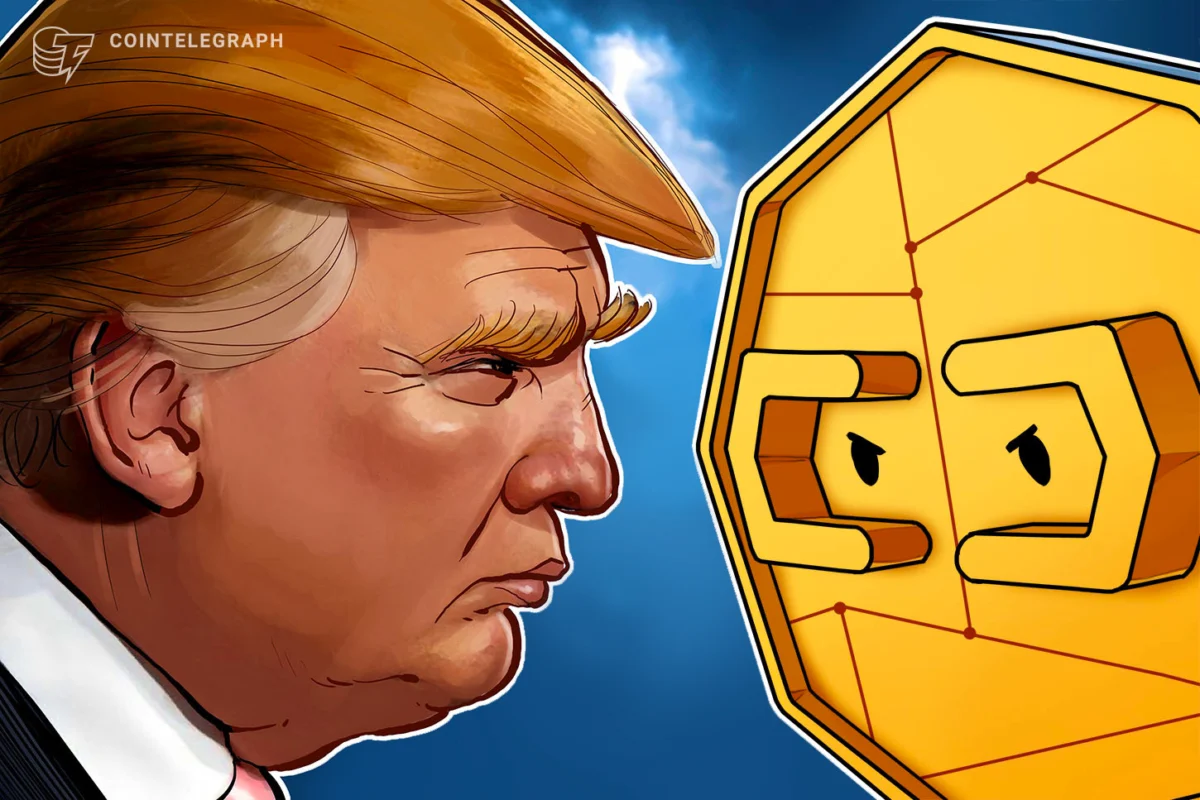
The cryptocurrency market witnessed a volatile and controversial event on Saturday as a Solana-based digital asset, marketed under the "Trump Digital GOLD" brand, experienced a meteoric rise followed by a catastrophic 99% collapse within a matter of hours. The token, promoted by the Real Trump Coins social media accounts—a brand previously endorsed by U.S. President Donald Trump—triggered immediate alarms among blockchain security analysts who flagged highly suspicious trading activity and an extreme concentration of token supply. The incident has reignited intense debate over the security of celebrity-linked crypto ventures and the potential for bad actors to exploit political branding to orchestrate "rug pull" exit scams.
The timeline of the collapse began early Saturday morning when the Real Trump Coins account on X (formerly Twitter), which is notably followed by Donald Trump’s official personal account, announced the launch of the GOLD token. The post directed followers to the official RealTrumpCoins.com website to participate in the launch. According to archived versions of the site, the organizers pledged an unusual economic model: a 4% trading fee would be applied to all transactions, with 99% of those fees purportedly earmarked for token buybacks. The stated goal was to propel GOLD into the ranks of the top 10 cryptocurrency assets by market capitalization. However, the promotional posts were abruptly deleted later that day as the token’s value evaporated, leaving investors with massive losses and no clear path for recourse.
On-Chain Forensics and Supply Manipulation
Blockchain analytics firm Lookonchain was among the first to sound the alarm regarding the token’s internal structure. Their real-time monitoring of the Solana blockchain revealed that the GOLD token’s launch was characterized by extreme insider control. At the moment of inception, the developer account held 600 million GOLD tokens. Simultaneously, a cluster of 15 newly created digital wallets—funded almost exclusively for this purpose—spent a combined total of $18,657 to acquire an additional 224.5 million tokens.
This coordinated activity meant that the project team and its affiliates controlled approximately 82.45% of the total circulating supply from the outset. In the decentralized finance (DeFi) sector, such a high concentration of supply in the hands of a few anonymous wallets is considered a "red flag" for a potential rug pull, as it allows the controllers to collapse the market price at will by dumping their holdings onto retail buyers.
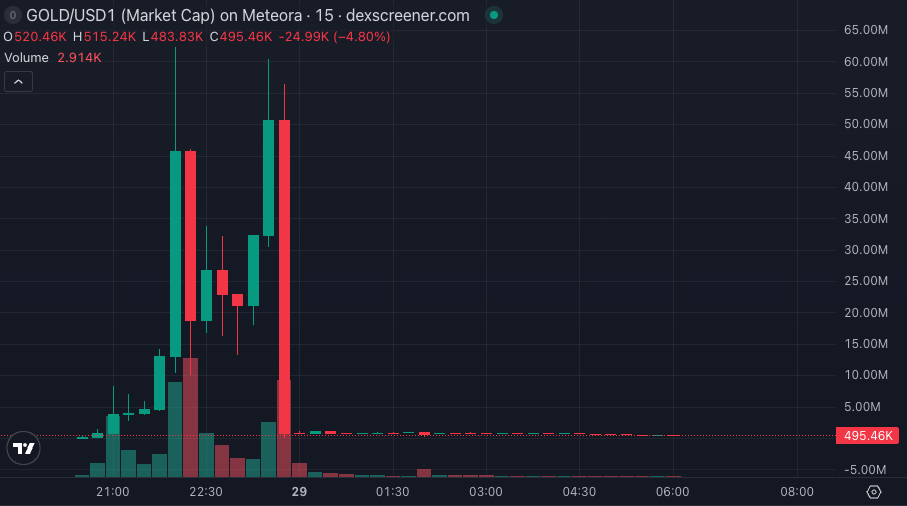
The suspicion was confirmed shortly after the token’s market capitalization peaked near $50 million. Lookonchain reported that the 15 identified wallets, which were linked through transaction patterns to the core team, liquidated their entire 224.5 million GOLD holdings. The sell-off was executed for 3,178 Solana (SOL), valued at approximately $330,000 at the time of the trade. This maneuver resulted in a net profit of roughly $312,000 for the wallet owners, representing a staggering 17-fold return on their initial investment in just a few hours.
Following this massive liquidation, the liquidity pools supporting the token were drained, and the market capitalization plummeted from $50 million to less than $500,000. Data from DEX Screener, a platform that tracks decentralized exchanges, showed the token’s price chart resembling a "cliff," a classic visual indicator of an orchestrated exit scam where insiders exit their positions before the broader public can react.
The Identity and History of Real Trump Coins
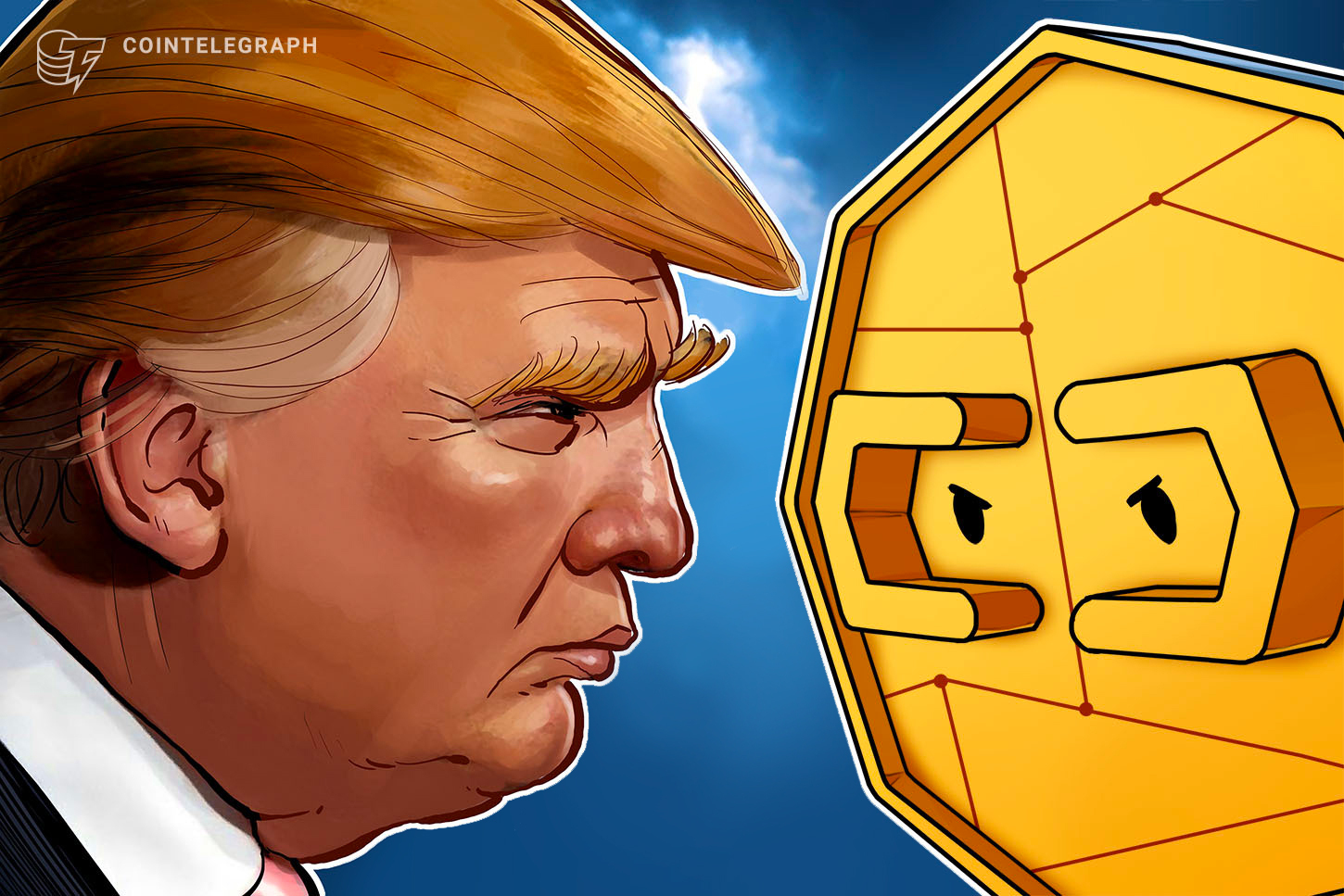
The legitimacy of the GOLD token was initially bolstered by the brand’s prior association with the U.S. President. In September 2024, Donald Trump publicly promoted RealTrumpCoins.com on his Truth Social platform, describing it as the "only" official source for purchasing his branded silver medallions. At that time, the President’s endorsement provided the website with a significant veneer of authenticity, despite fine-print disclaimers stating that the products were not manufactured or sold directly by The Trump Organization.
The sudden shift from physical silver medallions to a highly speculative Solana-based memecoin caught many observers off guard. While the website continued to host promotional material for the GOLD token even after the X posts were deleted, the disconnect between the President’s previous promotion of physical goods and the chaotic launch of a digital asset led to immediate speculation regarding the security of the Real Trump Coins infrastructure.
Conflicting Narratives: Malfeasance or Cyberattack?
In the aftermath of the crash, the crypto community has split into two primary camps regarding the culpability of the brand owners. One theory, shared by several on-chain analysts including EmberCN, characterizes the GOLD token as a premeditated scam designed to exploit the "Trump" brand for a quick financial gain. These analysts point to the sophisticated manner in which the 15 wallets were funded and the precision of the sell-off as evidence of an "inside job."
Conversely, some members of the Solana developer community have suggested that the Real Trump Coins social media accounts and website may have been compromised by external hackers. Fabiano.sol, a prominent figure in the Solana ecosystem, claimed that the account had been hijacked. Furthermore, reports circulated by X users such as TITAN suggested that Iranian state-linked hackers might have been behind the "fake" launch, seeking to sow discord or generate illicit funds.
As of Sunday, neither the Trump campaign nor the operators of Real Trump Coins have issued an official statement clarifying whether the GOLD token was an authorized project or the result of a security breach. The silence has only added to the frustration of investors who purchased the token under the impression that it was a legitimate extension of the President’s existing merchandise line.
Regulatory and Political Implications
The GOLD token incident occurs at a sensitive time for the Trump administration’s relationship with the digital asset industry. President Trump has positioned himself as a "crypto-friendly" leader, frequently advocating for the United States to become the "crypto capital of the world." On August 19, he urged Congress to expedite the passage of a "fair version" of the CLARITY Act. This proposed legislation aims to establish a comprehensive regulatory framework for stablecoins and provide much-needed legal definitions to distinguish between digital securities and commodities.
However, the proliferation of "Trump-themed" tokens—many of which have no official connection to the President—presents a significant regulatory challenge. Critics argue that the lack of clear oversight allows bad actors to hide behind political movements to fleece retail investors. A recent report by the advocacy group Public Citizen suggested that investors have lost billions of dollars to various crypto-related "schemes" that utilize the President’s name or likeness, though the report’s findings have been contested by supporters of the industry.
The Trump family’s direct involvement in the sector, including the launch of World Liberty Financial, a decentralized finance platform, has also drawn scrutiny. While the White House has maintained that these ventures are transparent and adhere to existing laws, the GOLD token collapse highlights the reputational risks inherent in the intersection of high-level politics and the permissionless nature of blockchain technology.
The Broader Impact on the Solana Ecosystem
The incident also shines a light on the Solana blockchain’s role as a hub for memecoin activity. Due to its low transaction fees and high speed, Solana has become the preferred network for launching thousands of new tokens daily. While this has driven record-breaking on-chain activity, it has also made the network a playground for "pump and dump" schemes.
Security experts note that the GOLD token utilized many of the same tactics seen in other recent rug pulls:
- Artificial Scarcity: Claiming a "limited" or "exclusive" launch to drive FOMO (fear of missing out).
- Influencer/Brand Leveraging: Using an established name to bypass the typical skepticism of the crypto community.
- Liquidity Manipulation: Ensuring that the majority of the supply is held by "team" wallets that are not publicly disclosed as such.
For the broader cryptocurrency market, the collapse of GOLD serves as a stark reminder of the "buyer beware" environment of DeFi. Even when a project appears to have links to high-profile figures, the underlying smart contracts and wallet distributions often tell a different story.
Conclusion and Future Outlook
The collapse of the GOLD token is likely to be cited in upcoming congressional hearings regarding the need for stricter consumer protections in the crypto space. As the CLARITY Act and other legislative efforts move through the House and Senate, the distinction between legitimate financial innovation and opportunistic fraud will remain a central point of contention.
For now, the holders of GOLD tokens are left with assets that have lost virtually all liquidity. The incident underscores the urgent need for investors to conduct thorough on-chain due diligence—such as checking supply concentration and contract permissions—before committing capital to newly launched tokens, regardless of the branding attached to them. Whether the result of a sophisticated hack or a calculated exit scam, the GOLD episode stands as one of the most high-profile failures in the political-crypto niche to date, casting a long shadow over the future of "PolitiFi" assets.