admin
admin
The cryptocurrency industry is currently navigating a pivotal era characterized by significant technical milestones, shifting economic policies, and complex political entanglements. While the long-term viability of blockchain technology remains a subject of intense debate among skeptics, the recent developments in quantum resistance, network disinflation, and institutional adoption suggest a maturing ecosystem preparing for both future threats and mainstream integration. This week, the spotlight fell on Bitcoin’s defensive posture against the hypothetical "quantum apocalypse," Solana’s aggressive move toward a lower inflation environment, and a series of market movements that suggest the onset of a new bullish cycle.
Fortifying the Foundation: Bitcoin’s Quantum Defense Mechanisms
The threat posed by quantum computing to traditional cryptographic systems has long been a theoretical concern for the Bitcoin community. Current Bitcoin addresses rely heavily on Elliptic Curve Cryptography (ECC), which could potentially be compromised by a sufficiently powerful quantum computer utilizing Shor’s algorithm. This week, two significant breakthroughs highlighted the community’s proactive approach to this looming challenge.
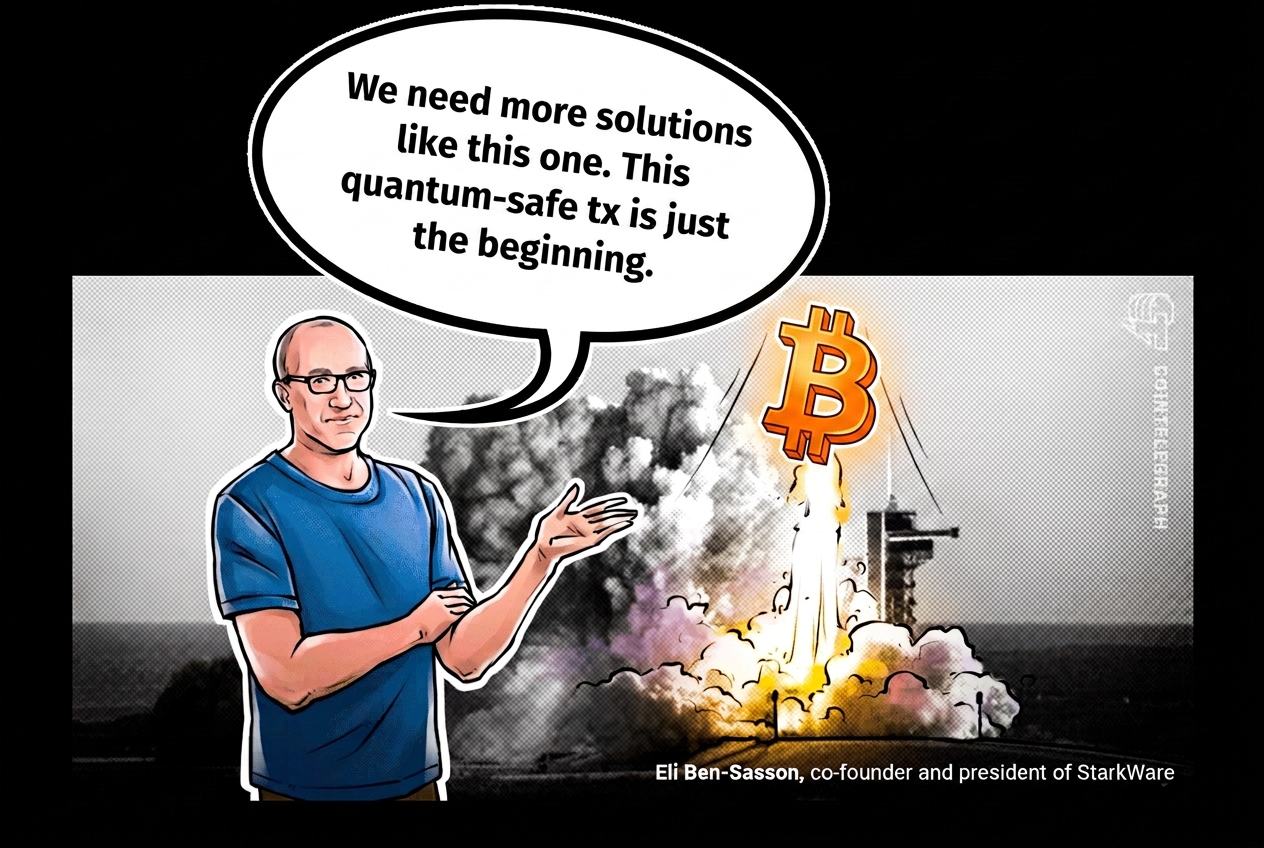
Avihu Levy, a researcher at StarkWare, successfully executed an experimental quantum-resistant transaction on the Bitcoin mainnet. This trial utilized a protocol known as Quantum Safe Bitcoin (QSB), which is specifically designed to protect transactions during their most vulnerable state: the period they spend in the mempool. In standard Bitcoin transactions, the public key is revealed once a transaction is broadcast. A quantum attacker could theoretically intercept this key and forge a signature before the transaction is mined into a block. Levy’s QSB scheme mitigates this by combining hash-based one-time signatures with intensive computational searches that bind an authorization to a specific transaction.

While the test was successful—securing a 10,000-satoshi output—it revealed significant practical hurdles. The transaction required several hours to process and incurred costs between $150 and $200. Consequently, the QSB scheme is currently viewed as a "last resort" fail-safe rather than a scalable solution for daily use.
Parallel to this, Blockstream researchers published a landmark Bitcoin Improvement Proposal (BIP) introducing the SHRINCS signature scheme. SHRINCS represents the first concrete proposal for a post-quantum signature designed specifically for the Bitcoin protocol. The researchers achieved a major feat by reducing the size of traditional hash-based signatures by a factor of 13.23. Despite this optimization, SHRINCS signatures remain approximately nine times larger than the current Schnorr or ECDSA signatures used by Bitcoin. Jonas Nick of Blockstream Research noted that while the proposal is "not optimal along every axis," it represents the most viable trade-off currently available to the network.
Solana Validators Pivot Toward a Deflationary Future
While Bitcoin focuses on technical hardening, the Solana network is undergoing a significant shift in its economic model. Solana validators recently approved a proposal, designated as SGP-0002 or "Double Disinflation," which aims to drastically accelerate the reduction of the network’s annual issuance.
The proposal received 67% support from eligible stakes, with 60.7% participation. The core of the measure involves increasing Solana’s annual disinflation rate from 15% to 30%. This adjustment is projected to reduce the total issuance of SOL by approximately 18.9 million tokens over the next six years. Under the previous schedule, Solana was expected to reach its terminal inflation rate of 1.5% in roughly 5.7 years; the new policy will bring the network to that milestone in just 2.8 years.
This move toward a "harder" currency model comes amid a period of record-breaking activity for the Solana blockchain. Data from July indicates that the network processed 4.2 billion transactions, a 13.5% increase from June and a 91% surge since December. This growth in utility, coupled with a tightening supply schedule, suggests that Solana is positioning itself as a high-performance, economically sustainable competitor to Ethereum.
Political Turbulence and the "Trump Effect" on Crypto Ventures
The intersection of digital assets and American politics has become increasingly volatile. A recent report by the nonprofit consumer advocacy group Public Citizen has sparked controversy by claiming that ventures associated with former President Donald Trump and his family have resulted in significant losses for investors.
According to the report, investors are estimated to be $4.7 billion "underwater" across several digital asset projects linked to the Trump brand since 2022. The breakdown includes:
- $3.2 billion in losses associated with the Official Trump (TRUMP) memecoin.
- $1 billion linked to the World Liberty Financial governance token.
- $450 million related to Trump Media’s digital asset treasury.
- $9.3 million stemming from the president’s NFT trading cards.
The report highlights a stark contrast in performance, noting that holders of the USD1 stablecoin maintained their value while more speculative "Trump-themed" assets plummeted. These findings have added fuel to the debate over the CLARITY Act in Washington. Democratic lawmakers are reportedly using these figures to advocate for stricter protections to prevent elected officials or candidates from issuing private cryptocurrencies, fearing that such ventures could lead to widespread retail investor harm and conflicts of interest.

In a related development, the "Real Trump Coins" project recently had to issue a formal denial regarding the launch of a "GOLD" token. The token, which appeared on the project’s X account and official website, collapsed shortly after its promotion. The organization blamed "third-party bad actors" for the incident and has since engaged authorities to investigate what they describe as a security breach.
Market Analysis: The Onset of a New Four-Year Cycle
Despite the political noise, the underlying market data for Bitcoin remains overwhelmingly bullish. Bitcoin recently staged a 23% rally, significantly outperforming AI-linked infrastructure stocks that have dominated recent market narratives. Mining companies, which often serve as a levered play on Bitcoin’s price, saw even more dramatic gains. Canaan, American Bitcoin, and Cango recorded surges between 41% and 67%, dwarfing the performance of AI giants like CoreWeave and Nebius.
Institutional interest also remains robust. Bitcoin Exchange-Traded Funds (ETFs) recorded inflows exceeding $3.3 billion in August, marking the strongest month for the products since the all-time highs of late 2025. Although a nine-day inflow streak was snapped on a recent Friday, analysts at Bernstein suggest that this is merely the beginning of a broader upward trend.
Bernstein’s latest forecast posits that Bitcoin is entering a new four-year cycle. Their "base case" scenario predicts Bitcoin will reclaim $125,000 by the end of the year and potentially reach $300,000 by 2029. Under a more aggressive "bull case" scenario, the firm suggests Bitcoin could top $500,000 within the same timeframe. This optimism is echoed by Ki Young Ju, CEO of CryptoQuant, who recently declared that the "Bitcoin bear cycle is over." His assessment is based on the Bull/Bear Market Cycle Indicator, which has turned positive for the first time since October, signaling a transition from "extreme bear" conditions back into a bullish phase.

Institutional Expansion: Revolut’s Euro Stablecoin Rollout
In the European sector, fintech giant Revolut is making a significant move into the stablecoin market. The company has begun the phased rollout of EURR, a euro-pegged stablecoin, to approximately 2 million customers across Denmark, Poland, and Portugal.
Issued by Bridge Building S.A.—a subsidiary of the Stripe-owned infrastructure firm Bridge—EURR is built on the Ethereum network. Revolut intends to expand the availability of the token across the European Economic Area (EEA) later this year. This move is seen as a strategic response to the European Union’s Markets in Crypto-Assets (MiCA) regulation, which provides a clearer legal framework for stablecoin issuers. By integrating EURR into its retail app and supporting transfers to external wallets, Revolut is positioning itself to bridge the gap between traditional banking and the decentralized finance (DeFi) ecosystem.
Security and Sentiment: Polygon’s Stealth Fixes and Retirement Concerns
The technical integrity of major networks remains a top priority. Polygon Labs recently disclosed that it had privately patched several critical security vulnerabilities through two recent hard forks, dubbed "Austin" and "Kyoto." These flaws, which affected the Bor and Heimdall clients, could have allowed for denial-of-service attacks or validator resource exhaustion. By deploying the fixes privately before making a public disclosure, Polygon managed to secure the network without alerting potential exploiters to the vulnerabilities.
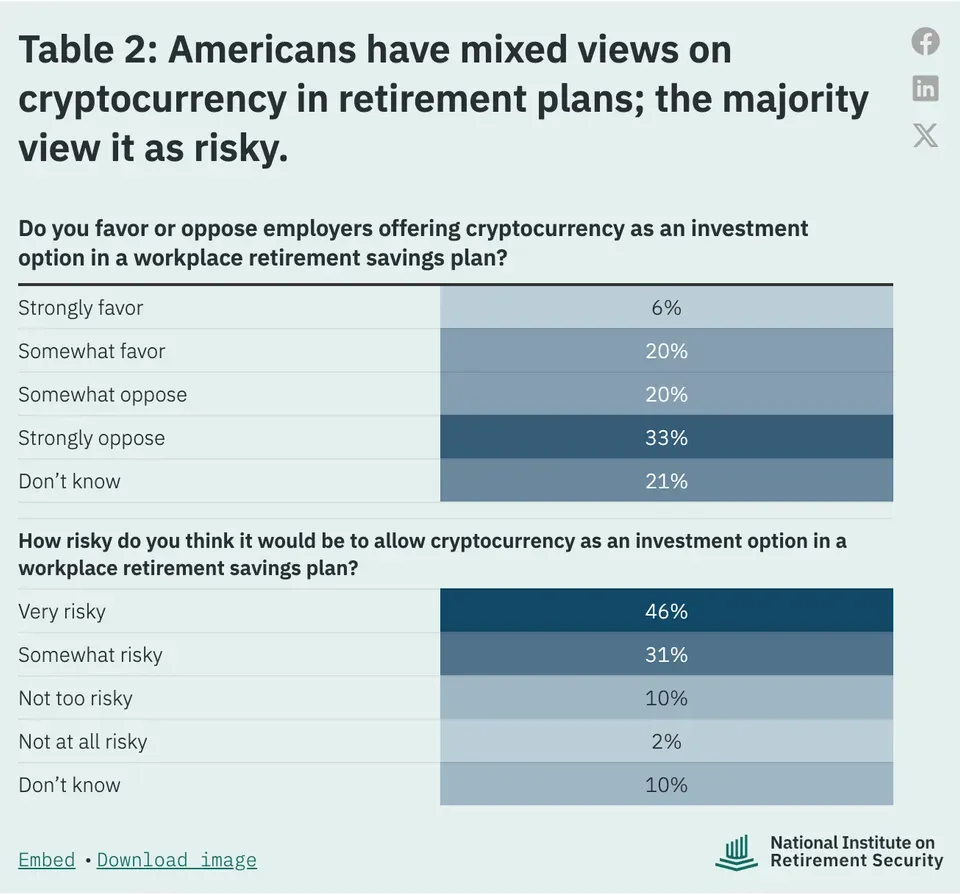
However, while technical security is improving, public sentiment remains cautious. A survey by the National Institute on Retirement Security found that 77% of Americans view the inclusion of cryptocurrency in workplace retirement plans as a significant risk. Nearly half of the respondents characterized the asset class as "very risky," and a majority expressed opposition to employers offering crypto as an investment option. This data suggests that despite the institutional success of Bitcoin ETFs, a large segment of the general public still views digital assets with skepticism when it comes to long-term financial security.
Summary of Weekly Market Performance
The week concluded with a mixed but generally positive performance across the top digital assets.
- Bitcoin (BTC): Up 1.1% to $78,420.
- Ethereum (ETH): Up 0.6% to $2,469.
- XRP (XRP): Down 8.7% to $1.38.
- Total Market Cap: $2.64 trillion.
Top Gainers:
- VeChain (VET): +18.5%
- SPX6900 (SPX): +17.3%
- Uniswap (UNI): +15.2%
Top Losers:
- Aptos (APT): -16.4%
- Stable (STABLE): -14.7%
- Morpho (MORPHO): -13.6%
As the industry moves forward, the focus will likely remain on balancing the drive for technical innovation with the need for regulatory clarity and public trust. The progress in quantum resistance and the refinement of network economics demonstrate a sector that is increasingly focused on long-term resilience over short-term speculation.