Layla Zulfa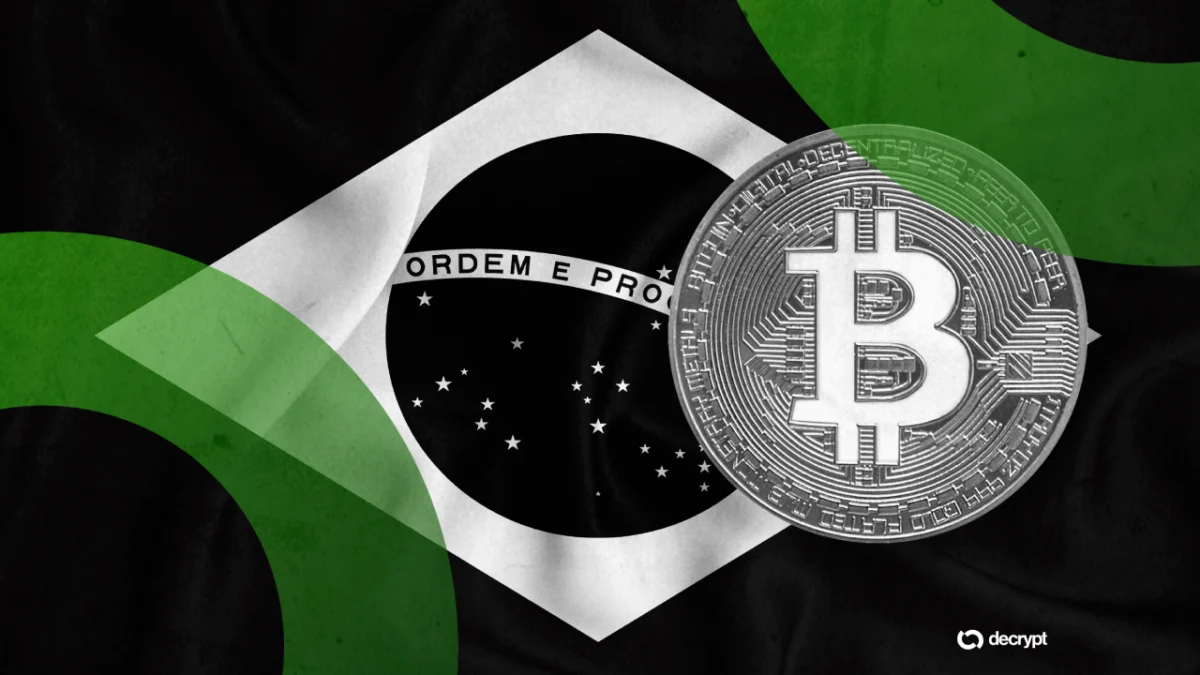
The landscape of the Brazilian financial sector is undergoing a profound transformation as the nation’s largest traditional banks and fintech pioneers aggressively expand their digital asset offerings. Driven by a newfound regulatory clarity and surging institutional demand, institutions such as Itaú Unibanco, Nubank, and Banco do Brasil have moved from cautious observation to active participation in the cryptocurrency market. This shift marks a pivotal moment for Latin America’s largest economy, positioning it as a global leader in the regulated adoption of blockchain-based financial services.
Itaú Unibanco, Brazil’s largest private bank by assets under management, has significantly broadened the scope of its investment platform. The bank now provides its extensive client base with access to 15 different cryptocurrency assets through its dedicated investment application, Ion. This lineup includes market leaders such as Bitcoin and Ethereum, alongside the dollar-pegged stablecoin USDC. The inclusion of stablecoins is particularly noteworthy, as it reflects a growing appetite among Brazilian investors for digital assets that offer the stability of the U.S. dollar combined with the efficiency of blockchain technology.
Not to be outdone, Nubank, the largest fintech in Brazil and a major disruptor in the regional banking space, has expanded its crypto "shelf" to include 28 distinct assets. Nubank’s aggressive expansion underscores the competitive pressure within the Brazilian market, where digital-native firms and traditional incumbents are racing to capture the burgeoning demand for diversified digital portfolios. Meanwhile, Banco do Brasil, the nation’s most lucrative public bank, has reported significant early success since it began allowing customers to purchase Bitcoin and Ethereum directly in January 2026. According to data shared with Folha de S.Paulo, the service has already facilitated over R$11 million ($2.1 million) in transactions, a figure that signal’s a strong appetite for crypto even among the more conservative client bases of state-owned institutions.
A Decisive Shift in Regulatory Policy
The catalyst for this institutional surge is a comprehensive regulatory framework that has provided the legal certainty necessary for large-scale financial entities to operate. Brazil’s journey toward crypto regulation reached a milestone in 2022 with the passage of the Legal Framework for Virtual Assets (Law 14.478). This legislation designated the Central Bank of Brazil (BCB) as the primary overseer of the sector, granting it the authority to establish operational guidelines and licensing requirements.
In November 2025, the Central Bank bolstered this framework with three critical resolutions that gave the initial law its "teeth." These regulations mandate that any firm facilitating the trading, custody, or transfer of cryptocurrencies must obtain a formal license, maintain a specific capital cushion to absorb potential losses, and ensure the strict segregation of client accounts from the firm’s own operational funds. The industry is currently operating under a strict deadline; all entities must be in full compliance by October 30, 2026.
One of the most impactful components of this regulatory suite is Resolution 521. This rule specifically targets stablecoins by treating the purchase or exchange of any token pegged to a foreign currency as a foreign exchange (FX) operation. By applying the same reporting and compliance standards required for traditional international money transfers, the Central Bank has effectively integrated stablecoins into the national financial monitoring system. This move has mitigated many of the concerns regarding the use of "shadow" currencies for illicit activities, such as money laundering or unauthorized capital flight.
The Surge in Transaction Volumes and Corporate Dominance
The scale of crypto adoption in Brazil is reflected in the staggering transaction volumes recorded over the past several years. Data from Receita Federal, Brazil’s federal tax authority, reveals that Brazilians moved a total of R$505.5 billion (approximately $98.7 billion) through cryptocurrency channels in 2025. This represents a five-fold increase compared to the R$100 billion recorded in 2020, illustrating an exponential growth trajectory that has caught the attention of global analysts.
Perhaps the most revealing statistic from the Receita Federal data is the source of this volume. While retail interest remains high, it is the corporate sector that is driving the vast majority of the market. Corporate crypto transactions accounted for R$497 billion ($97 billion) in 2025, representing a staggering 98.3% of the total volume. This suggests that Brazilian businesses are increasingly utilizing digital assets for treasury management, cross-border payments, and as a hedge against local currency volatility.
The dominance of corporate players has changed the nature of the conversation surrounding crypto in Brazil. It is no longer viewed merely as a speculative vehicle for individual "day traders" but as a legitimate tool for institutional liquidity and international trade. This corporate engagement has, in turn, pressured traditional banks to provide the necessary infrastructure to keep these high-value clients within the domestic banking ecosystem.
Institutional Strategy: Custody Without Ownership
Despite the rapid expansion of crypto services, Brazilian banks are maintaining a clear line of demarcation between client services and their own balance sheets. Central Bank filings from March 2026 confirm that none of the major banks currently hold virtual assets as part of their proprietary portfolios. While they are increasingly active in the custody and processing of crypto on behalf of their clients, they have refrained from using their own capital to take direct positions in the market.
This distinction is crucial for maintaining the stability of the traditional banking system. By acting as intermediaries and custodians, banks earn fee income and retain client deposits without exposing themselves to the extreme price volatility inherent in the crypto markets. Carlos Akira Sato, co-founder of the consultancy Syscapital, noted that this conservative approach is typical of the Brazilian banking sector. He explained that banks are essentially "stocking the shelves" to meet demand, but they are not yet ready to absorb the credit, liquidity, and price risks associated with owning the assets themselves.
However, some institutions are finding creative ways to bridge the gap. Banco Safra, a private bank known for its focus on high-net-worth individuals, launched its own dollar-pegged stablecoin, "Safra Dólar," in September 2025. By keeping the custody of the underlying assets entirely in-house, Safra offers its clients exposure to the U.S. dollar through a digital rail without the need for an offshore bank account. This move exemplifies a broader trend where banks are building their own stablecoin infrastructures rather than relying on third-party, crypto-native providers.
Chronology of Adoption and Regulatory Milestones
The current state of the Brazilian crypto market is the result of a deliberate, multi-year progression:
- 2020: Retail interest begins to climb, with annual volumes hovering around R$100 billion. The Central Bank begins researching the potential for a digital Real (Drex).
- December 2022: The Legal Framework for Virtual Assets is signed into law, establishing the groundwork for institutional participation.
- September 2025: Banco Safra launches Safra Dólar, signaling a shift toward bank-issued digital assets.
- November 2025: The Central Bank issues Resolutions 521 and others, creating strict licensing and FX-equivalent reporting requirements for stablecoins.
- January 2026: Banco do Brasil enters the market, offering direct BTC and ETH trading to its massive public-sector client base.
- March 2026: Financial filings show record transaction volumes but zero proprietary crypto holdings on bank balance sheets, emphasizing a service-based model.
- October 30, 2026: The final deadline for all crypto-related firms in Brazil to achieve full regulatory compliance and licensing.
Implications for the Future of Brazilian Finance
The aggressive move by Brazilian banks into the crypto space has several long-term implications for the nation’s economy. First, it effectively "mainstreams" digital assets, removing the stigma often associated with unregulated exchanges. When a customer can buy Bitcoin through the same app they use to pay their mortgage or check their savings, the perceived risk profile of the asset changes.
Second, the integration of stablecoins into the foreign exchange framework provides a template for other nations struggling to regulate "private" digital dollars. By treating USDC and similar tokens as FX operations, Brazil has found a way to embrace the technology while maintaining control over capital flows and monetary policy.
Third, the heavy involvement of the corporate sector suggests that Brazil is preparing for a future defined by asset tokenization. The Central Bank’s ongoing development of "Drex," the Brazilian Central Bank Digital Currency (CBDC), is expected to further harmonize the relationship between traditional fiat and digital assets. As banks gain experience in handling crypto for their clients, they are simultaneously building the technical and compliance infrastructure necessary to operate in a fully tokenized economy.
The current trajectory indicates that while the "October 30 deadline" may lead to a consolidation of the market—potentially squeezing out smaller, unlicensed firms—the banks that have already cleared the compliance bar are positioned to dominate. With approximately 120 crypto firms currently operating in the country, the coming months will likely see a wave of partnerships or acquisitions as traditional banks look to further expand their digital "menus" and fintechs seek the security of institutional backing.
In conclusion, Brazil has moved beyond the "hype" phase of cryptocurrency. Through a combination of robust regulation, institutional pragmatism, and massive corporate volume, the country has constructed a digital asset ecosystem that is integrated, monitored, and rapidly growing. For the global financial community, Brazil serves as a high-stakes case study in how traditional banking and decentralized finance can coexist within a structured, state-sanctioned environment.