Nila Kartika Wati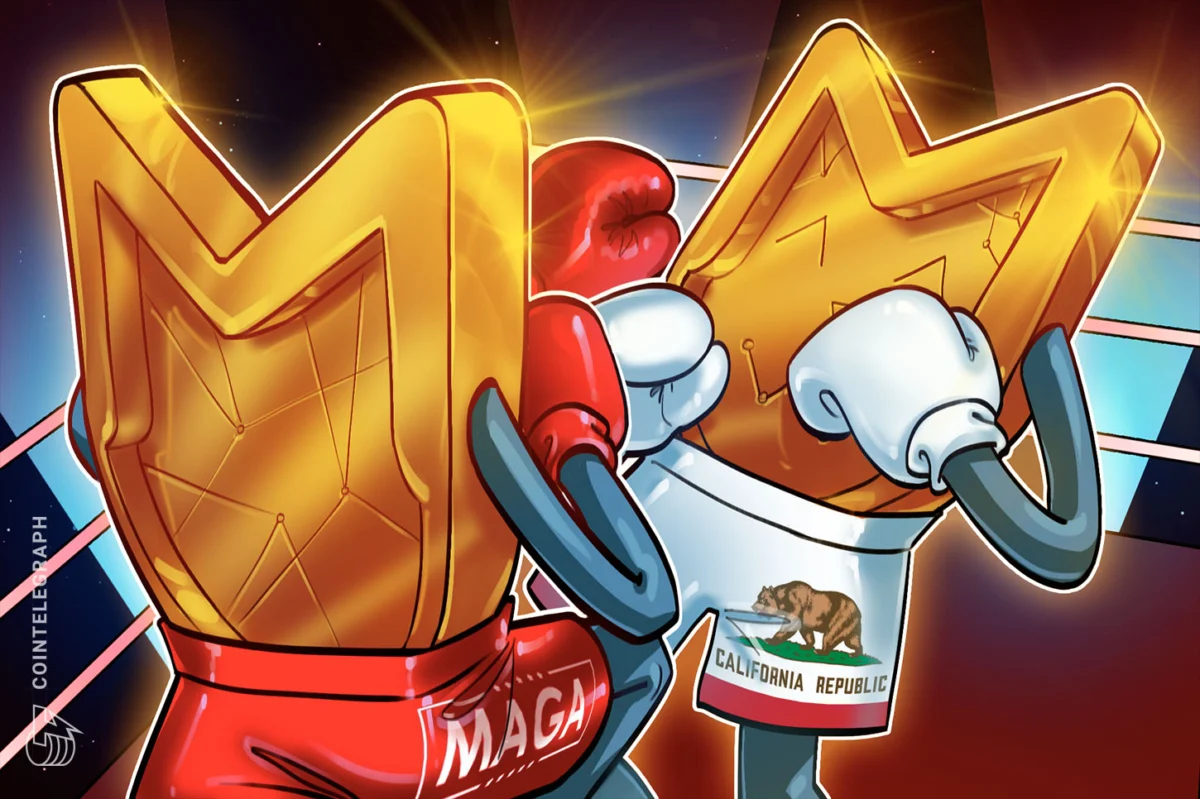
California lawmakers have successfully advanced a pioneering bill aimed at restricting the involvement of public officials in the volatile memecoin market, citing profound concerns regarding conflicts of interest and the potential for "pay-to-play arrangements." This legislative move signals a significant step towards addressing the burgeoning ethical challenges presented by the intersection of digital assets and public service, particularly in the wake of high-profile controversies involving politically linked cryptocurrencies.
The California Senate unanimously passed Assembly Bill 2409 (AB 2409) with a decisive 40-0 vote on Wednesday, marking a bipartisan consensus on the urgency of the issue. Following the Senate’s approval, the Assembly subsequently concurred with the Senate’s amendments in an equally emphatic 78-0 vote. The bill has now entered the enrolled stage, a crucial penultimate step, and awaits the signature of Governor Gavin Newsom to become law. This rapid, unanimous progression through both legislative chambers underscores the perceived necessity of such regulations in the evolving landscape of digital finance and political ethics.
Legislative Intent and Scope of AB 2409
At its core, AB 2409 is designed to establish clear boundaries for public officials regarding their engagement with memecoins. The bill specifically prohibits digital asset service providers from offering California residents memecoins that are issued on or after January 1, 2027, if these digital assets are offered by, or in partnership with, federal public officials or state or local public officers. This forward-looking effective date provides a grace period for the industry to adapt and for current holdings to potentially be divested without immediate punitive measures, while clearly signaling the future regulatory environment.
The legislation provides a critical definition for "memecoins," identifying them as digital assets "whose value is derived primarily from public interest, speculation or community engagement." This definition is crucial as it distinguishes memecoins from other forms of digital assets, such such as utility tokens, security tokens, or established cryptocurrencies like Bitcoin or Ethereum, which typically derive their value from underlying technology, network utility, or broader economic principles. By focusing on speculative and community-driven valuation, the bill targets the specific characteristics that make memecoins particularly susceptible to manipulation and pump-and-dump schemes, especially when associated with public figures. The explicit exclusion of established, non-speculative digital assets from this prohibition highlights the targeted nature of the regulation, aiming to address specific ethical vulnerabilities rather than broadly stifling digital asset innovation.
The Rise of Memecoins and Associated Risks
Memecoins have emerged as a peculiar and often unpredictable segment of the cryptocurrency market. Unlike traditional financial instruments or even many established cryptocurrencies, memecoins often lack a clear underlying technological utility or a robust development roadmap. Their value is frequently driven by viral social media trends, celebrity endorsements, community hype, and speculative trading. This inherent volatility and reliance on public sentiment make them particularly attractive targets for individuals seeking rapid, albeit often unsustainable, gains.
However, this very nature also makes memecoins highly susceptible to manipulation. Public officials, by virtue of their positions, wield significant influence and public trust. Their direct or indirect endorsement, promotion, or even mere association with a memecoin can artificially inflate its value, creating a perception of legitimacy that may not be warranted. This can lead to scenarios where ordinary investors, swayed by the involvement of a public figure, invest in a project that ultimately proves to be worthless, resulting in substantial financial losses. The "pay-to-play" concern highlighted by the lawmakers refers to the potential for public officials to leverage their office or public image to benefit financially from such schemes, either through direct compensation or by profiting from the increased value of tokens they hold. This blurs the lines between public service and personal enrichment, eroding public trust in governmental institutions.
The "Official Trump" Memecoin Controversy: A Catalyst for Regulation
The urgency for legislation like AB 2409 has been significantly amplified by recent controversies surrounding politically linked memecoins, most notably the "Official Trump" (TRUMP) memecoin. A report released by the nonprofit consumer advocacy organization Public Citizen on Thursday estimated that investors in the US president-linked TRUMP memecoin are an astounding $3.2 billion "underwater," with the majority of these losses currently unrealized. Being "underwater" signifies that the current market value of an investor’s holdings is less than the price at which they initially purchased the assets. While unrealized losses do not manifest as actual financial setbacks until the assets are sold, they represent a significant potential for widespread investor harm if market conditions do not improve.
The TRUMP token, despite its controversial nature, currently ranks as the fifth-largest memecoin by market capitalization, boasting a market cap of approximately $688 million. This considerable valuation underscores the significant public interest and speculative activity surrounding politically themed digital assets. Recent data from CoinMarketCap indicates that the token experienced a 53% surge in value over the past week, attempting to recoup some of the losses incurred from its dramatic 67% decline over the past year. This extreme volatility is characteristic of memecoins and highlights the precarious nature of investments in such assets, particularly when they are intertwined with political figures whose statements or actions can directly impact market sentiment.
Broader Implications for US Crypto Regulation: The CLARITY Act
The ethical quagmire surrounding the Trump family’s crypto ventures extends beyond specific memecoins and has reportedly posed significant obstacles to the passage of a crucial piece of US crypto market structure legislation known as the Digital Asset Market Clarity (CLARITY) Act. The CLARITY Act aims to provide much-needed regulatory clarity for the digital asset market, an issue that has long been a point of contention and uncertainty for innovators and investors alike.
However, the progress of this bipartisan bill has been complicated by a proposed ethics addendum, which, though not yet made public, is rumored to contain provisions that could significantly benefit former President Donald Trump. Specifically, reports suggest this addendum might allow Trump to defer capital gains taxes on any required divestitures of his crypto holdings, potentially leading to tax savings in the millions. This provision, if true, raises serious questions about the integrity of the legislative process and whether specific carve-outs are being crafted to benefit influential individuals, undermining the very principles of fair and transparent regulation.
The controversy surrounding this ethics addendum highlights a broader tension in US crypto policy: the struggle to balance the need for regulatory innovation and clarity with stringent ethical oversight for public officials. Consumer advocacy groups and ethics watchdogs have consistently argued that any legislation concerning digital assets must robustly address potential conflicts of interest, especially when public figures stand to gain financially. A recent poll further underscored this sentiment, revealing that a majority of Americans consider the Trump family’s crypto investments "inappropriate," reflecting widespread public discomfort with the blurring of lines between political influence and personal financial gain in the digital asset space.
Statements and Reactions
While specific statements regarding AB 2409 from all parties have not been publicly detailed beyond the legislative votes, logical inferences can be made based on the bill’s intent and the broader context.
- Bill Sponsors (e.g., Assemblymember Wendy Carrillo, primary author): Would likely emphasize the bill’s role in safeguarding public trust and ensuring ethical governance. A statement might read: "AB 2409 is a crucial step towards modernizing our ethics laws to meet the challenges of the digital age. Public officials hold a sacred trust, and this bill ensures that their involvement in highly speculative digital assets like memecoins does not create conflicts of interest or give rise to the appearance of impropriety. It protects Californians from potential exploitation and reinforces the integrity of our public institutions."
- Consumer Advocacy Groups (e.g., Public Citizen): Would applaud the bill as a vital protection for investors. "This legislation sends a clear message: public office is not a platform for personal enrichment through speculative digital schemes. The volatile nature of memecoins, coupled with the immense influence of public figures, creates a dangerous environment for everyday investors. AB 2409 is a necessary bulwark against ‘pay-to-play’ tactics in the crypto market and a victory for consumer protection."
- California Governor’s Office: Would likely issue a statement upon signing, emphasizing commitment to transparency and ethical governance. Prior to signing, a typical statement might be: "The Governor’s office is carefully reviewing AB 2409, along with all legislation passed by the California Legislature, to ensure it aligns with the administration’s commitment to protecting consumers, fostering ethical conduct in public service, and promoting responsible innovation."
- Crypto Industry Representatives (moderate stance): While acknowledging the need for ethical guidelines, some industry voices might express concerns about overly broad definitions or potential stifling of innovation. "We understand and support the need for clear ethical boundaries for public officials. However, it’s vital that legislation is carefully crafted to target specific abuses without inadvertently hindering legitimate innovation in the digital asset space. We hope that future regulations continue to differentiate between speculative assets and those with genuine utility and technological merit."
Broader Impact and Implications
The passage of AB 2409 in California carries significant implications, not just for the Golden State but potentially as a bellwether for national and even international regulatory trends.
- Precedent for Other States and Federal Government: California, often a leader in progressive legislation, could set a powerful precedent. Other states grappling with similar ethical dilemmas related to public officials and digital assets may look to AB 2409 as a model. Federally, the issues highlighted by this bill, particularly concerning the CLARITY Act and the Trump family’s crypto holdings, suggest that similar ethics provisions might be considered or become contentious points in future federal crypto legislation.
- Enhanced Public Trust in Government: By proactively addressing potential conflicts of interest in a nascent and often opaque market, California’s government can work to restore and maintain public trust. When citizens perceive that their elected officials are acting without personal financial motives, especially in highly speculative markets, it strengthens the integrity of democratic processes.
- Shaping the Digital Asset Landscape: The bill’s definition of "memecoin" and its prohibition could influence how digital asset service providers operate within California, potentially leading to more rigorous vetting of assets associated with public figures. This could also encourage a shift in the market towards more utility-driven or transparent digital assets, as purely speculative, politically-linked memecoins become less viable for endorsement.
- Challenges in Enforcement and Definition: While the intent is clear, enforcing such a bill could present challenges. The dynamic nature of the crypto market, the global reach of digital assets, and the ever-evolving methods of public figure involvement may require continuous adaptation of regulatory frameworks. The definition of "public official" and "in partnership with" will need careful interpretation to prevent loopholes.
- Impact on Political Fundraising and Engagement: The bill could necessitate a re-evaluation of how political figures engage with digital assets, not just for personal investment but also for fundraising or community engagement. While the bill specifically targets memecoins, the broader ethical scrutiny could extend to other forms of crypto involvement in the political sphere.
In conclusion, California’s AB 2409 represents a forward-thinking legislative effort to navigate the complex ethical terrain at the intersection of public service and the rapidly evolving digital asset market. By restricting public officials’ involvement with memecoins, the state aims to preempt conflicts of interest, mitigate "pay-to-play" arrangements, and ultimately bolster public confidence in the integrity of its governance. As the bill awaits the Governor’s signature, its enactment could usher in a new era of ethical oversight for digital assets, potentially influencing regulatory discourse far beyond California’s borders.