
 Nila Kartika Wati
High-speed data distribution network DoubleZero has significantly expanded its market data platform, Edge, by integrating real-time election and politics market data from Kalshi. This strategic move, announced on Wednesday, positions DoubleZero to meet the escalating demand for predictive insights as trading activity on political outcomes intensifies in the run-up to the pivotal US midterm elections scheduled for November. The addition of Kalshi’s election contracts to the Edge platform provides institutional clients with granular, real-time data feeds, enhancing their ability to incorporate evolving political expectations into sophisticated trading strategies and risk assessments.
This expansion marks a crucial step in bridging the gap between political forecasting and institutional finance. DoubleZero Edge, which already provides data streams from Kalshi’s sports contracts and various crypto perpetual futures markets, now offers a comprehensive suite of alternative data for market participants. The newly integrated feed encompasses critical market information, including top-of-book data, detailed trade data, and aggregated order book data directly from Kalshi’s dynamic election markets. This level of detail is paramount for institutional traders who rely on rapid information dissemination to inform high-frequency trading algorithms and make instantaneous decisions.
Andy Ross, Head of Institutional at Kalshi, emphasized the strategic intent behind this integration. He stated that the primary objective is to streamline the process for financial institutions to incorporate political market data into their existing workflows. As the political landscape continually shifts and election outcomes become increasingly impactful on economic policy, market sentiment, and sector-specific performance, the ability to access and analyze such data efficiently becomes a competitive imperative. The integration aims to demystify and industrialize the consumption of political prediction market data, making it as accessible and actionable as traditional financial market data.
The Evolving Landscape of Prediction Markets and Their Institutional Adoption
Prediction markets, once largely confined to academic research or niche online communities, have rapidly evolved into sophisticated platforms offering valuable insights into future events. These markets allow participants to trade contracts whose value is tied to the outcome of specific events, ranging from political elections and economic indicators to sports results and scientific breakthroughs. The aggregated opinions of diverse traders, reflected in the market prices, often serve as remarkably accurate predictors, sometimes surpassing traditional polling methods due to their inherent incentive structure: participants put real money behind their beliefs.
The concept of using market mechanisms to predict outcomes dates back decades, with notable examples like the Iowa Electronic Markets (IEM), established in 1988, demonstrating the efficacy of such systems. In recent years, technological advancements, particularly in distributed ledger technologies and high-speed trading infrastructure, have propelled prediction markets into the mainstream. Platforms like Kalshi have emerged, seeking to professionalize these markets and bring them under regulatory oversight, thereby making them more palatable for institutional engagement.
Kalshi, founded with the vision of becoming the premier regulated exchange for event contracts, has been instrumental in this institutionalization. It operates under the regulatory framework of the U.S. Commodity Futures Trading Commission (CFTC), a crucial distinction that provides a layer of credibility and compliance often required by institutional investors. This regulatory clarity allows firms to engage with prediction markets without navigating ambiguous legal landscapes, a significant barrier in the past. Kalshi’s markets cover a broad spectrum of real-world events, enabling participants to trade on everything from whether a specific economic report will exceed expectations to the likelihood of a political party winning an election.
DoubleZero’s Role in High-Speed Data Distribution
DoubleZero positions itself as a critical conduit for high-speed, low-latency market data, serving a demanding clientele that includes hedge funds, quantitative trading firms, and other sophisticated financial institutions. In the competitive world of algorithmic trading, microseconds can translate into millions of dollars, making the speed and reliability of data distribution paramount. DoubleZero’s Edge platform is designed to deliver real-time data feeds with minimal latency, ensuring that its clients have the most current information available to execute their strategies effectively.
The decision by DoubleZero to incorporate Kalshi’s election data aligns with a broader industry trend towards embracing alternative data sources. Traditional financial data, while essential, increasingly requires supplementation with non-traditional datasets to gain a comprehensive understanding of market dynamics. Political outcomes, for instance, can significantly impact regulatory environments, trade policies, and consumer confidence, all of which directly influence corporate earnings and asset valuations. By offering Kalshi’s political market data, DoubleZero empowers its clients to integrate these critical external factors directly into their quantitative models and risk management frameworks.
While DoubleZero has not released a formal statement beyond the announcement, the strategic rationale is clear: to maintain its competitive edge by providing the most comprehensive and relevant data offerings. For DoubleZero, partnering with a CFTC-regulated entity like Kalshi ensures the data’s integrity and compliance, key factors for its institutional user base. This collaboration underscores a mutual understanding of the growing demand for diverse, high-quality data streams in an increasingly interconnected global economy.
The Crucial Context of the US Midterm Elections
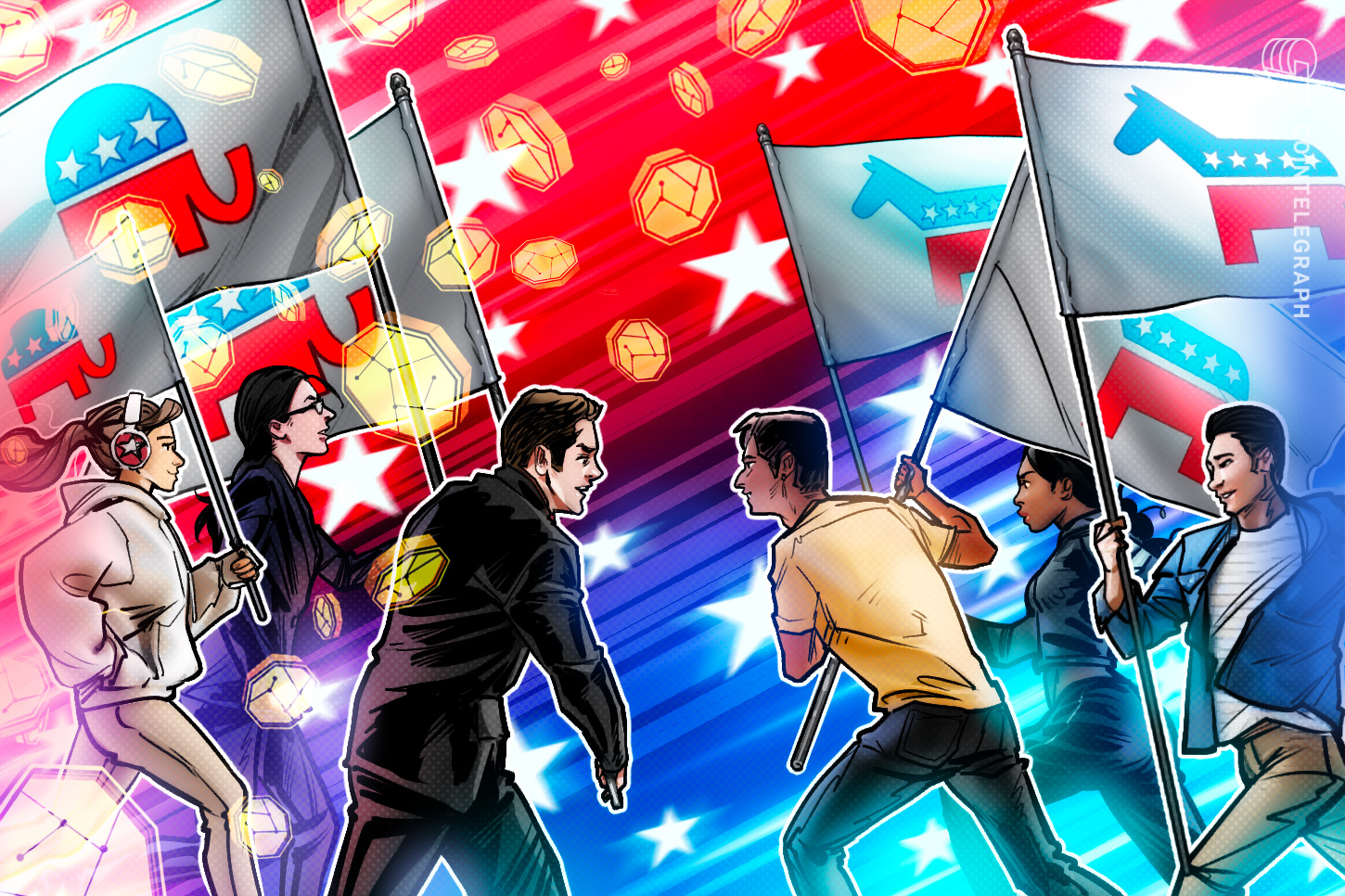
The integration of Kalshi’s election data comes at a particularly opportune moment, with the US midterm elections looming in November. These elections, which typically occur two years into a president’s term, are often seen as a referendum on the incumbent administration and can dramatically reshape the balance of power in Congress. Control of the House of Representatives and the Senate can dictate legislative priorities, influence judicial appointments, and impact the feasibility of a president’s policy agenda. For financial markets, the outcomes can have profound implications for various sectors, from energy and healthcare to technology and finance, depending on which party gains or loses control.
Historically, midterm elections have often resulted in the president’s party losing seats, creating a divided government. This dynamic introduces uncertainty for investors, who seek clarity on future policy directions. Prediction markets offer a unique lens through which to gauge public sentiment and anticipate potential outcomes in real-time, often providing a more dynamic and responsive forecast than traditional polls, which can suffer from sampling biases or slow updates.
The current political climate, characterized by significant economic challenges, social shifts, and geopolitical tensions, amplifies the importance of these midterms. Issues such as inflation, energy policy, and regulatory oversight are all on the ballot, making the results highly consequential for businesses and investors alike. The heightened stakes explain the surge in interest and trading volume observed in political prediction markets.
Surging Market Activity and Data Insights
Data from the Anti-Corruption Data Collective, an organization dedicated to tracking and analyzing information related to political finance and integrity, indicates a significant acceleration in betting on US political outcomes. As of August 10, wagers on the 2026 US midterms had reportedly reached $133 million, a figure that has already surpassed the $92.4 million wagered during the entirety of the 2024 congressional election cycle. While the reference to "2026 US midterms" might indicate a forward-looking perspective on growing market potential or perhaps a typographical error in the original source, the overarching trend unequivocally points to a substantial increase in financial engagement with political event contracts. This surge highlights the increasing recognition of these markets as a legitimate, albeit speculative, avenue for expressing and profiting from political foresight.
More immediately relevant to the upcoming November elections, Kalshi’s market asking which party will win the US House of Representatives had recorded more than $35 million in trading volume at the time of writing. This specific market showed Democratic victory odds at a robust 84%, reflecting a strong consensus among market participants regarding the likely outcome. Such a high probability, derived from active trading, offers a powerful, real-time indicator that can complement or challenge insights from traditional polling and expert analysis. The sheer volume of capital committed to these contracts underscores the confidence traders place in their collective predictive power.
The ability to access this kind of data—not just the final probability, but the underlying order book dynamics, trade sizes, and price movements—provides institutions with an unparalleled view into market sentiment. For example, a sudden shift in the odds or a large block trade could signal new information or a change in a major participant’s outlook, allowing institutional clients to react swiftly.
Implications and Broader Impact
The integration of Kalshi’s election data into DoubleZero Edge carries significant implications for various facets of the financial ecosystem and beyond.
Firstly, it further legitimizes prediction markets as a valuable source of actionable intelligence for institutional investors. By placing political market data alongside traditional financial data streams, DoubleZero effectively elevates its status, encouraging greater adoption and trust among sophisticated trading firms. This move could pave the way for other alternative data sources to gain similar acceptance.
Secondly, for financial institutions, this integration offers a sophisticated tool for risk management and portfolio optimization. Political outcomes can introduce systemic risks or create sector-specific opportunities. For example, if prediction markets strongly suggest a change in legislative control that favors renewable energy policies, institutions can adjust their portfolios by increasing exposure to green energy stocks or divesting from fossil fuel companies, anticipating future policy impacts. Conversely, potential adverse political shifts can be hedged against.
Thirdly, it enhances the overall efficiency of information dissemination in financial markets. Political events often create information asymmetries. Real-time prediction market data helps to democratize access to collective intelligence, potentially reducing these asymmetries and allowing for more informed decision-making across the board. This fosters a more transparent and responsive market environment.
Finally, this partnership highlights the ongoing convergence of technology, finance, and political science. As data analytics capabilities advance, and as political events increasingly drive economic outcomes, the demand for sophisticated tools that can bridge these domains will only grow. DoubleZero and Kalshi’s collaboration represents a forward-looking approach to meet this demand, signaling a future where real-time political insights are as integral to financial strategy as earnings reports or macroeconomic indicators. The move reinforces the growing trend towards leveraging "alternative data" to gain an edge in increasingly complex global markets, fundamentally altering how financial professionals assess risk, identify opportunities, and navigate the intricate interplay between politics and economics.









