
 Nila Kartika Wati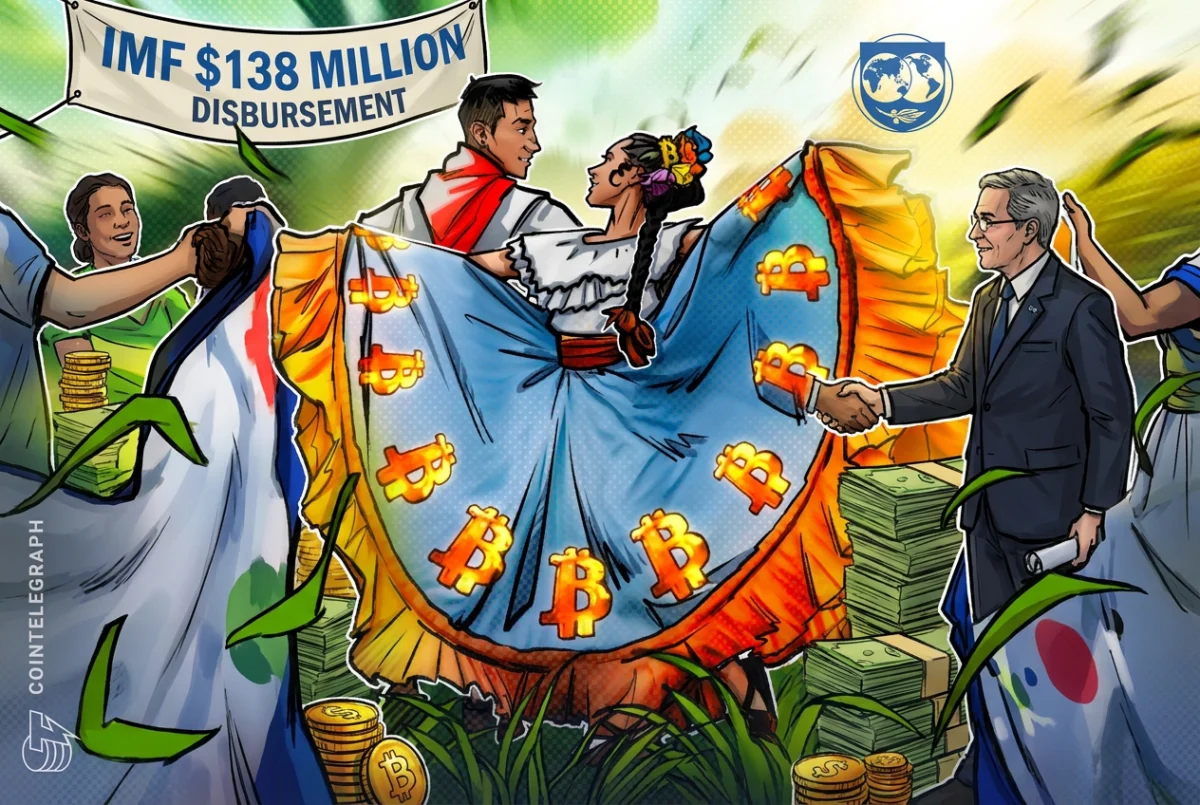
The International Monetary Fund (IMF) has greenlit the immediate release of approximately $138 million to El Salvador, a crucial step in the Central American nation’s ongoing $1.4 billion financing program. This disbursement comes despite El Salvador missing certain performance criteria, notably those related to the accumulation of Bitcoin. The decision, announced by the IMF’s Executive Board, underscores a complex balancing act between supporting a member state’s economic stability and upholding the Fund’s traditional financial governance standards, especially in the uncharted territory of sovereign cryptocurrency adoption.
Context of the Extended Fund Facility (EFF)
El Salvador’s journey with the IMF’s Extended Fund Facility (EFF) began in January 2022 when the program was formally approved. The EFF is designed to assist countries experiencing serious balance of payments problems because of structural impediments or slow growth and an inherently weak balance of payments position. It provides longer-term financing and encourages structural reforms to address underlying economic weaknesses. For El Salvador, the $1.4 billion, 40-month arrangement was intended to support a comprehensive reform agenda aimed at strengthening fiscal sustainability, enhancing financial stability, and promoting inclusive growth.
At the time of the EFF approval, El Salvador faced significant economic challenges, including a high public debt-to-GDP ratio, limited fiscal space, and vulnerability to external shocks. Remittances from abroad constitute a substantial portion of its GDP, a factor President Nayib Bukele cited as a key driver for adopting Bitcoin as legal tender in September 2021. The government argued that Bitcoin could reduce transaction costs for remittances, promote financial inclusion for the unbanked population, and attract foreign investment and tourism. However, the IMF expressed reservations from the outset, warning about the risks associated with Bitcoin’s volatility, its potential for money laundering and terrorist financing, and its implications for financial stability and consumer protection.
The Bitcoin Conundrum: A Chronology of Accumulation and Clarification
The core of the recent controversy revolved around El Salvador’s accumulation of Bitcoin. Since its adoption as legal tender, the Salvadoran government, under President Bukele’s directives, has actively purchased Bitcoin, often announcing these acquisitions on social media. By November 2024, for instance, the country had acquired an additional 1,090 BTC, pushing its total holdings to a significant level, then valued at approximately $100 million. This raised immediate questions from the international financial community and the IMF regarding the source of these funds and their compliance with the EFF program’s fiscal prudence requirements.
The IMF’s initial reviews of El Salvador’s performance under the EFF program typically scrutinize fiscal transparency, public spending, and debt management. The use of public funds for speculative asset purchases like Bitcoin, given its inherent volatility, was a significant point of contention. The Fund’s mandate is to ensure the stability of its member states’ economies, and large, unhedged positions in volatile assets could undermine that stability.
Following intense dialogue and the completion of the first review in June 2024, the IMF specifically addressed the Bitcoin accumulation. In a subsequent press release on October 3, 2024, the IMF clarified that documents provided by Salvadoran authorities verified that the increase in El Salvador’s Bitcoin holdings since the first review did not reflect additional Bitcoin purchases financed with government resources. Instead, these acquisitions reportedly stemmed from private donations. This distinction was crucial, as it allowed El Salvador to maintain its Bitcoin strategy without directly violating the fiscal discipline expected under the EFF. The clarification effectively separated the nation’s sovereign Bitcoin treasury from its public financial obligations under the IMF program.
IMF’s Waivers and El Salvador’s Renewed Commitments
The IMF Executive Board completed the second and third reviews under El Salvador’s EFF arrangement, paving the way for the recent disbursement. While acknowledging that "certain performance criteria were not met," including aspects of Bitcoin accumulation, the IMF granted waivers "based on strong corrective measures and renewed commitments" from the Salvadoran authorities.
These waivers are not granted lightly and signify a significant degree of policy engagement and agreement between the IMF and the member state. The "strong corrective measures" refer to the steps taken by El Salvador to address the IMF’s concerns. Chief among these is the explicit commitment from El Salvador that "no further Bitcoin accumulation is envisaged beyond the documented donations." This statement is a direct response to the IMF’s long-standing concerns about the fiscal risks associated with public funds being used for speculative cryptocurrency purchases.
Furthermore, the IMF highlighted other key commitments from El Salvador. These include continued efforts to "reduce the state’s involvement in Bitcoin-related activities," a move that aims to de-risk the public sector from direct exposure to crypto market volatility. The Fund also emphasized the need to "strengthen crypto-asset regulation and governance," ensuring a more robust legal and operational framework for digital assets within the country. Enhancing "transparency regarding public-sector crypto-asset holdings" is another vital commitment, designed to provide clarity and accountability on any digital assets held by the government, irrespective of their funding source. These commitments collectively aim to mitigate the financial risks that the IMF has consistently flagged concerning El Salvador’s Bitcoin strategy.
Progress Beyond Bitcoin: Broader Reforms
Beyond the contentious issue of Bitcoin, the IMF acknowledged substantial progress made by El Salvador in several critical areas of its reform agenda. These achievements were instrumental in securing the waivers and the disbursement of funds.
- Financial Sector Reforms: El Salvador has made strides in strengthening its financial regulatory framework. This includes measures aimed at enhancing oversight of traditional financial institutions and extending supervisory reach to new digital financial service providers. Such reforms are vital for maintaining stability and protecting consumers in an evolving financial landscape.
- Fiscal Transparency: Improving fiscal transparency has been a cornerstone of the EFF program. The government has reportedly implemented measures to enhance the clarity and accessibility of public financial data, making it easier to track government spending, revenues, and debt. Greater transparency is crucial for good governance and for building trust with international creditors and investors.
- Anti-Money Laundering/Combating the Financing of Terrorism (AML/CFT) Reforms: The adoption of Bitcoin as legal tender presented unique challenges for El Salvador’s AML/CFT framework. The IMF noted progress in strengthening these defenses, which are essential for preventing the illicit use of cryptocurrencies and maintaining the integrity of the financial system. These reforms likely involve implementing stricter ‘Know Your Customer’ (KYC) regulations for crypto service providers and enhancing cooperation with international bodies.
- Chivo Wallet Transfer: A significant development noted by the IMF was the transfer of majority ownership and operational control of the government-backed Chivo Bitcoin wallet to a private operator. While the government retains a minority stake and custodial responsibilities, this move significantly reduces direct state involvement in the day-to-day operations and financial exposure of the digital wallet. This privatization aligns with the IMF’s broader recommendation to limit direct state exposure to Bitcoin-related activities and shifts operational risks to the private sector, which is typically better equipped to manage them.
Implications for El Salvador’s Economy and Future Relations
The approval of this disbursement is a critical vote of confidence from the IMF in El Salvador’s commitment to its reform agenda, despite the ongoing unique aspects of its Bitcoin policy. For El Salvador, the $138 million provides much-needed liquidity, helping to stabilize its balance of payments and support its fiscal objectives. It also signals to other international lenders and investors that the country remains engaged with mainstream financial institutions, which can improve its access to capital markets and reduce borrowing costs.
The successful navigation of this review process, particularly the resolution of the Bitcoin accumulation issue, is a testament to the diplomatic engagement between the Salvadoran government and the IMF. It demonstrates a willingness from both sides to find common ground, allowing El Salvador to pursue its innovative economic policies while adhering to the fundamental principles of international financial stability. This delicate balance could serve as a blueprint for other nations considering similar ventures into sovereign cryptocurrency adoption, showcasing that engagement with traditional financial bodies is possible even when pursuing unconventional economic strategies.
However, challenges remain. El Salvador must continue to demonstrate tangible progress on its reform commitments, particularly in strengthening crypto-asset regulation and maintaining fiscal discipline. The volatility of Bitcoin itself continues to pose a risk, irrespective of whether public funds are used for accumulation. The country’s economic growth prospects will depend not only on these reforms but also on broader global economic conditions and its ability to attract sustainable foreign investment.
Broader Geopolitical and Crypto Implications
El Salvador’s experience with the IMF offers a fascinating case study in the evolving landscape of global finance and the intersection of sovereign policy with emerging technologies. This decision by the IMF suggests a pragmatic approach: while the Fund maintains its cautionary stance on the risks of cryptocurrency, it is also willing to engage constructively with member states that choose to innovate in this space, provided robust safeguards and transparency measures are in place.
The IMF’s decision not to halt the program over Bitcoin accumulation, particularly after El Salvador clarified the funding sources, sets a precedent. It indicates that the Fund is prepared to differentiate between public sector financial risk exposure and a nation’s broader policy choices regarding legal tender, as long as the former is managed responsibly and transparently. This could encourage other countries, especially those in emerging markets with similar financial inclusion or remittance challenges, to explore digital asset strategies, knowing that dialogue with international financial institutions is possible.
Conversely, the strict conditions imposed on El Salvador regarding future public Bitcoin accumulation and state involvement send a clear message: while innovation is tolerated, fiscal prudence and financial stability remain paramount. The IMF is not endorsing sovereign Bitcoin treasuries funded by public money; rather, it is managing the risks associated with a member’s independent policy decision within the framework of a broader financial assistance program.
In conclusion, the IMF’s latest disbursement to El Salvador marks a significant milestone in a complex and closely watched financial partnership. It reflects a nuanced approach to an unprecedented situation, balancing the need for economic support with the imperative of financial stability in an era of rapid technological change. El Salvador’s continued journey under the EFF will undoubtedly offer further insights into the long-term viability and implications of sovereign cryptocurrency adoption on the global stage.









