
 Nila Kartika Wati
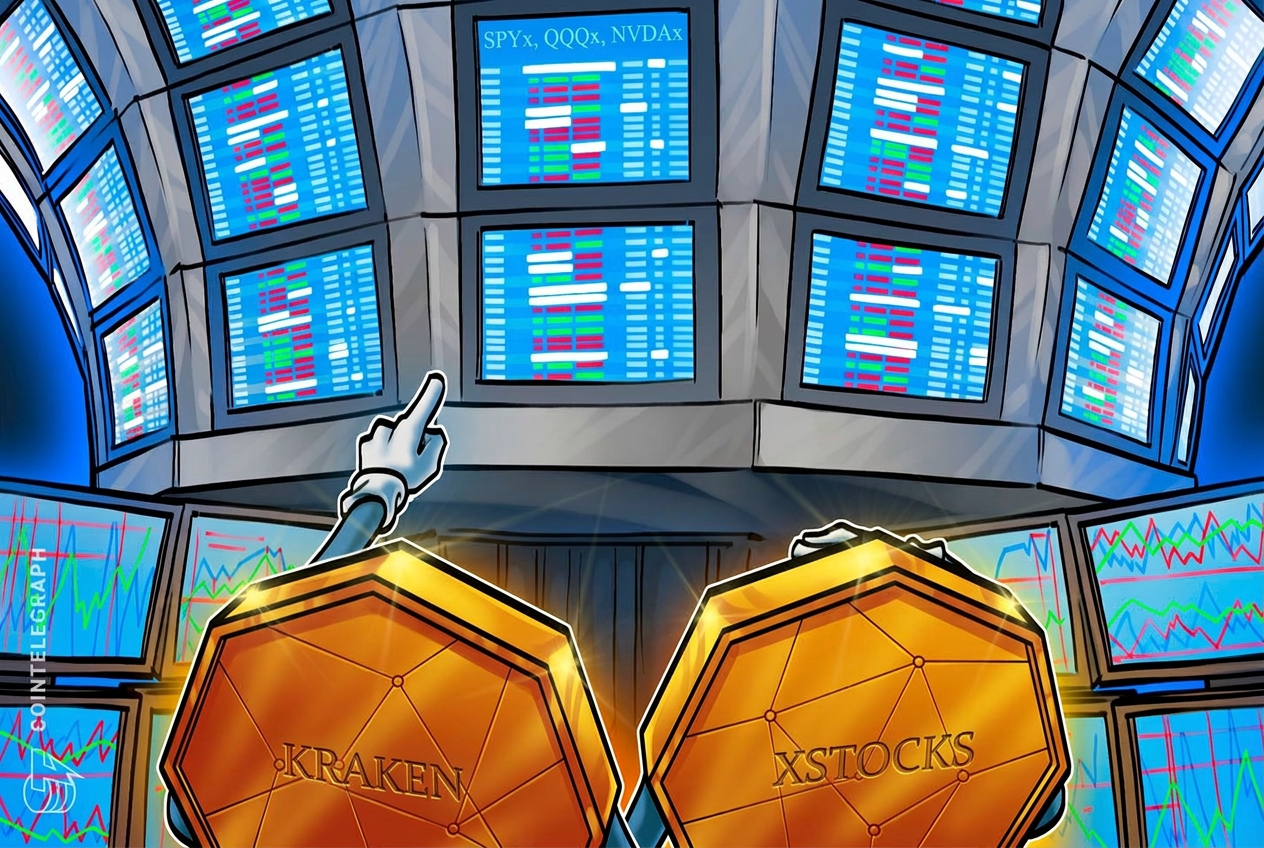
Crypto exchange Kraken has officially launched a pioneering initiative, introducing onchain yield vaults designed for select tokenized stocks and Exchange Traded Funds (ETFs). This development, announced Monday, allows eligible clients to generate returns by lending these digital assets through decentralized finance (DeFi) protocols, marking a significant step in the convergence of traditional finance (TradFi) and the burgeoning decentralized economy. The new xStocks vaults currently support tokenized versions of highly popular market instruments: the SPDR S&P 500 ETF (SPYx), the Invesco QQQ ETF (QQQx), and individual stock Nvidia (NVDAx). This move by Kraken not only expands its product offering but also underscores a growing industry trend towards leveraging blockchain technology to enhance liquidity and accessibility for traditional financial assets.
The Mechanics of Onchain Yield Generation
At its core, Kraken’s new offering functions by enabling clients to deposit their tokenized stocks and ETFs into specialized vaults. These vaults then strategically lend the underlying assets through various onchain decentralized finance markets. The yield generated from these lending activities is subsequently paid back to the clients in the same deposited xStocks, creating a compounding effect on their holdings. This mechanism taps into the established principles of DeFi lending, where users provide liquidity to borrowing pools and earn interest, a practice that has seen substantial growth within the cryptocurrency ecosystem. Withdrawal requests from these vaults are designed to be processed within a three-day window, a feature likely implemented to manage liquidity, rebalance strategies, and mitigate potential market volatility risks inherent in DeFi protocols. This grace period provides a buffer for the underlying lending strategies to unwind positions if necessary, ensuring an orderly redemption process for investors.
Building on Proven Foundations: Kraken DeFi Earn
The infrastructure underpinning these new xStocks vaults is not entirely novel for Kraken. The company has leveraged and adapted the same robust framework that powers its successful Kraken DeFi Earn platform. Launched in January of the current year, Kraken DeFi Earn has rapidly gained traction, attracting an impressive sum of over $800 million in deposits since its inception, according to company statements. The success of Kraken DeFi Earn provides a critical validation point for the security, reliability, and user demand for such onchain yield-generating products. By extending this proven infrastructure to tokenized traditional assets, Kraken aims to instill confidence in its new offering, leveraging its established track record in facilitating access to decentralized financial opportunities for a broad client base. The existing platform’s ability to manage significant capital inflows and outflows demonstrates Kraken’s operational capacity to handle the complexities associated with DeFi integrations.
Strategic Partnerships Powering Performance and Security
The effective functioning and yield generation of the xStocks vaults are meticulously orchestrated through strategic partnerships. Veda, a specialized technology provider, is responsible for powering the underlying vault infrastructure, ensuring its technical integrity and smooth operation. Complementing this, Sentora has been entrusted with the critical role of designing and actively managing the sophisticated lending strategies employed to generate yield. Sentora’s responsibilities extend beyond mere strategy formulation; they also involve the continuous monitoring of key risk parameters. This includes setting exposure limits to prevent overconcentration, diligently tracking collateralization levels to safeguard against potential defaults, assessing liquidity conditions across various DeFi markets, and monitoring oracle conditions to ensure accurate and tamper-proof price feeds, which are vital for the health of lending protocols. Assets are lent through reputable DeFi markets, such as Kamino on the Solana blockchain, showcasing Kraken’s selective approach to partnering with established and liquid decentralized platforms. This multi-layered approach to management and oversight underscores Kraken’s commitment to both optimizing yield and mitigating the inherent risks associated with DeFi activities.
The Rise of Tokenized Equities: A Market Snapshot
Kraken’s foray into tokenized equities comes at a time of explosive growth in this niche yet rapidly expanding sector of the digital asset market. According to data compiled by RWA.xyz, a leading analytics platform for real-world assets (RWAs), the distributed value of tokenized stocks and ETFs has witnessed a dramatic surge. Just a year ago, this figure stood at approximately $540 million. Today, it has climbed to an impressive $2.84 billion, representing an increase of over 429% within a single year. This exponential growth highlights a burgeoning investor appetite for digital representations of traditional financial instruments, driven by several compelling advantages. Tokenization offers enhanced liquidity, fractional ownership possibilities, 24/7 trading capabilities, and the potential for greater transparency and efficiency through blockchain technology. This trend is part of a broader narrative in the crypto space, where the tokenization of diverse real-world assets—ranging from real estate and commodities to government bonds and intellectual property—is gaining significant momentum, promising to bridge the vast gap between traditional and decentralized financial ecosystems. The ability to integrate these assets into DeFi protocols, as Kraken is now doing, adds a powerful layer of utility and appeal.
Bridging Traditional Finance and Decentralized Innovation
The launch of Kraken’s xStocks vaults represents a pivotal moment in the ongoing narrative of TradFi and DeFi convergence. For decades, traditional financial markets have operated within established, centralized frameworks, characterized by intermediaries, specific trading hours, and often complex settlement processes. Decentralized finance, conversely, offers a vision of open, permissionless, and transparent financial services built on blockchain technology. Tokenized equities act as a crucial bridge, allowing investors to access the benefits of traditional asset classes within the innovative and yield-generating environment of DeFi. This hybridization offers a unique proposition: the stability and familiarity of established market-leading assets like the S&P 500, QQQ, and Nvidia, combined with the dynamic yield opportunities and composability offered by decentralized protocols. The ability to earn yield on these assets through lending, rather than just holding them, could attract a new demographic of investors who are keen to explore passive income strategies without solely relying on volatile native cryptocurrencies. This innovation positions Kraken not just as a crypto exchange, but as a gateway to a more integrated and efficient global financial landscape.
Navigating the Global Regulatory Maze
While the introduction of xStocks vaults marks a significant technological advancement, its availability is currently circumscribed by the fragmented global regulatory landscape surrounding digital assets and tokenized securities. The vaults are accessible to eligible Kraken clients primarily within the European Economic Area (EEA) and other specified markets. However, notable exclusions include major financial hubs such as the United States, the United Kingdom, Canada, Australia, and the United Arab Emirates. These exclusions underscore the ongoing challenges posed by varying regulatory frameworks and the cautious approach many jurisdictions are taking toward novel financial products that blend elements of traditional securities with blockchain technology.
In jurisdictions like the United States, the classification of tokenized stocks remains a contentious issue, often falling under the purview of securities laws, which entail stringent registration and compliance requirements. Similarly, the UK’s Financial Conduct Authority (FCA) and other global regulators are grappling with how to appropriately supervise and regulate products that sit at the intersection of crypto and traditional capital markets. The absence of a harmonized international regulatory approach means that companies like Kraken must navigate a complex web of national laws, leading to a patchwork of product availability. This situation highlights a critical need for regulatory clarity and frameworks that can foster innovation while ensuring investor protection across borders. The geographical restrictions, therefore, are not merely operational choices but direct reflections of the prevailing regulatory uncertainties and the varying speeds at which different countries are adapting to the digital asset revolution.
Expert Commentary and Industry Outlook
Industry analysts view Kraken’s latest offering as a strategic and forward-thinking move that could set a precedent for other major exchanges. "Kraken’s initiative to integrate tokenized equities into a DeFi yield-generating framework is a strong signal of institutional confidence in the underlying technology and the growing demand for diversified digital asset strategies," stated a prominent blockchain analyst, who preferred to remain anonymous given the sensitivity of market movements. "It provides a clear pathway for investors to gain exposure to traditional assets while participating in the innovative yield opportunities of DeFi, all within the trusted environment of a regulated exchange."
Representatives from Kraken, though not providing direct quotes for this specific announcement, have previously emphasized their commitment to fostering innovation and providing secure, diversified financial products. It can be inferred that a Kraken spokesperson would likely articulate that "This initiative underscores our unwavering commitment to empowering our clients with cutting-edge financial tools and expanding the utility of digital assets. By seamlessly integrating tokenized traditional assets with the robust capabilities of decentralized finance, we are not just launching a new product; we are helping to shape the future of accessible and efficient global finance." Similarly, a representative from Sentora might comment on their role, stating, "Our partnership with Kraken is built on a shared vision of responsible innovation. We are dedicated to deploying sophisticated, risk-managed strategies to generate sustainable yield, ensuring the integrity and security of client assets within the dynamic DeFi landscape." These inferred statements reflect the likely strategic rationale and operational ethos behind such a significant product launch.
Implications for Kraken and the Broader Ecosystem
For Kraken, this launch solidifies its position as an innovator at the forefront of the crypto industry, particularly in the realm of bridging TradFi and DeFi. It could significantly expand its user base by attracting traditional investors who are curious about crypto yields but prefer the familiarity of established equity markets. This diversification of offerings also provides Kraken with new revenue streams and strengthens its competitive edge against other exchanges.
For the broader tokenized asset ecosystem, Kraken’s move lends substantial credibility and utility. By offering a practical application for tokenized stocks beyond mere trading, it enhances their appeal and provides a tangible incentive for adoption. It also validates the "real-world assets" (RWA) narrative, demonstrating that blockchain can unlock new value from conventional financial instruments. Furthermore, for the DeFi sector, this integration marks a maturation point, indicating a growing acceptance and reliance on decentralized protocols for managing and generating returns on assets originating from traditional markets. It could attract more institutional capital and sophisticated participants to DeFi, further increasing liquidity and fostering greater stability.
Understanding the Risks and Rewards
While the potential rewards of earning yield on tokenized equities are attractive, it is crucial for investors to understand the inherent risks involved. DeFi protocols, while innovative, are susceptible to smart contract vulnerabilities, oracle manipulation, and liquidity crises. Market volatility in the underlying traditional assets can also impact returns and principal. Furthermore, the three-day withdrawal processing period, while designed to manage liquidity, means funds are not instantly accessible, which could be a concern for some investors. Kraken’s reliance on partners like Sentora for risk management, including exposure limits and monitoring of collateral and liquidity, aims to mitigate these risks. However, participants must conduct their own due diligence and acknowledge that all investments carry a degree of risk. The evolving regulatory landscape also presents an ongoing uncertainty, with potential for new rules to impact the availability or structure of such products in the future. Despite these considerations, Kraken’s xStocks vaults represent a bold step towards a more interconnected and potentially lucrative financial future, offering a glimpse into how traditional and decentralized finance can harmoniously coexist and create novel opportunities for investors worldwide.









