Nila Kartika Wati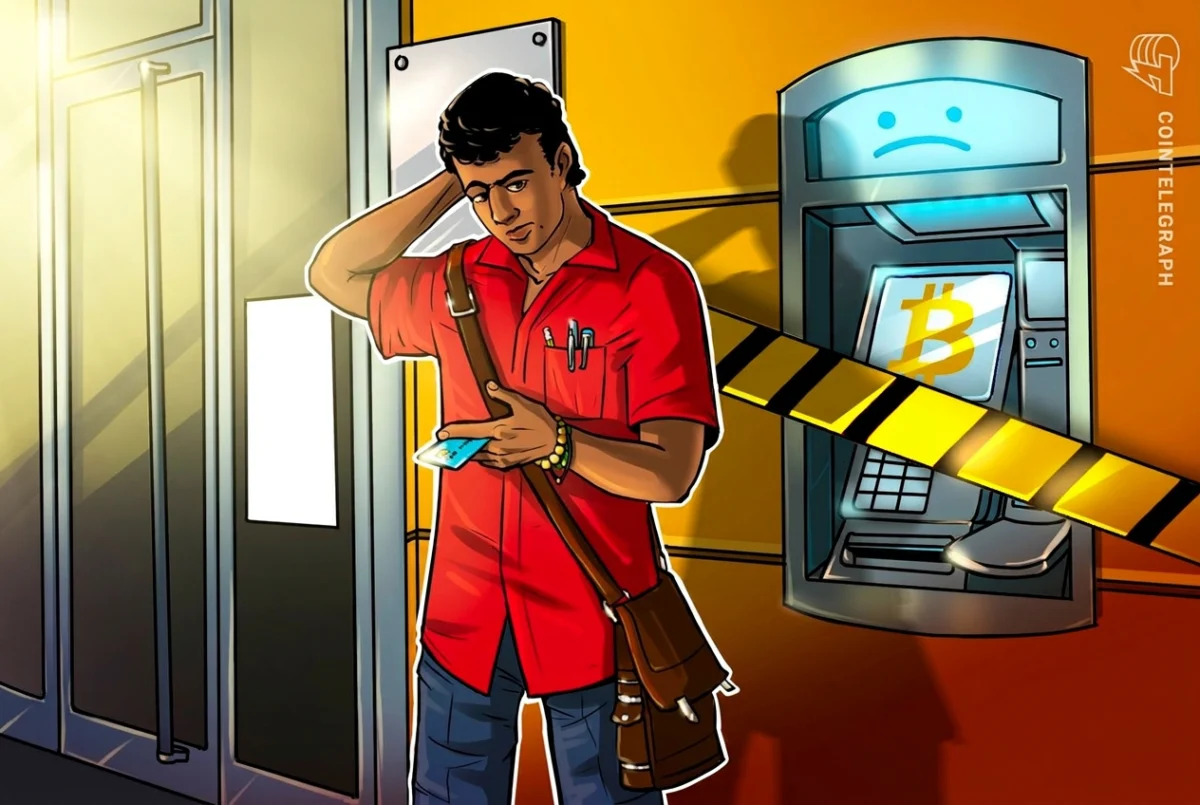
Minnesota has officially implemented a statewide prohibition on virtual currency kiosks, effective August 1, a decisive move by state officials to combat a surge in financial fraud that has reportedly cost residents, particularly senior citizens, millions of dollars. The legislative action, codified as SF 3868 and signed into law by Governor Tim Walz in May, mandates the immediate deactivation of all existing crypto ATM operations and requires their physical removal from public view by December 31. This landmark decision positions Minnesota at the forefront of states taking stringent measures against a technology increasingly exploited by scammers, joining a growing national trend to regulate or ban these machines.
The Rationale Behind the Ban: Protecting Vulnerable Citizens
The primary driver for Minnesota’s ban is the alarming proliferation of scams facilitated through crypto kiosks. State officials reported that Minnesota residents suffered approximately $1 million in losses from scams directly tied to crypto ATMs between 2023 and 2025. These figures are part of a larger, more troubling trend; the FBI’s Internet Crime Complaint Center (IC3) indicated that the state recorded over $151 million in losses linked to cryptocurrency or crypto wallets in 2025 alone. A critical aspect of these fraudulent schemes is their disproportionate targeting of senior citizens, who are often coerced into quickly sending money via these machines under duress, typically in response to fake emergencies or elaborate social engineering tactics.
The Minnesota Commerce Department has been vocal about the predatory nature of these scams, frequently issuing public warnings. Their investigations revealed that victims were often pressured by fraudsters impersonating government officials, law enforcement, or even romantic partners in online romance scams. The irreversible nature of cryptocurrency transactions, coupled with the anonymity offered by some crypto kiosks, makes them an attractive conduit for criminals, leaving victims with little to no recourse once funds are transferred. The ban, therefore, is framed as a critical consumer protection measure, safeguarding the most vulnerable populations from sophisticated financial exploitation.
A Deep Dive into the Scams: How Crypto Kiosks Facilitated Fraud
Crypto kiosks, often referred to as Bitcoin ATMs, offer a seemingly convenient way for individuals to convert cash into various cryptocurrencies like Bitcoin (BTC) or Ethereum (ETH) and vice versa. Their appeal lies in their accessibility, often found in retail stores, gas stations, and other public spaces, providing an on-ramp to the crypto market without requiring a traditional bank account or extensive verification processes in some instances. However, this very accessibility and perceived ease of use have made them a potent tool for fraudsters.
Scammers typically employ sophisticated social engineering tactics to manipulate victims. Common scenarios include:
- Government Impersonation Scams: Fraudsters pretend to be from the IRS, Social Security Administration, or local law enforcement, threatening arrest or legal action if "fines" or "taxes" are not immediately paid in cryptocurrency via a kiosk.
- Tech Support Scams: Victims are contacted by individuals claiming to be from reputable tech companies (e.g., Microsoft, Apple) reporting a virus or security breach. They convince the victim to pay for "fixes" or "software" using crypto kiosks.
- Romance Scams: Perpetrators cultivate online relationships with victims, often over months, eventually fabricating a crisis (e.g., medical emergency, business trouble) requiring urgent financial assistance, which must be sent via crypto.
- Utility Scams: Scammers impersonate utility companies, threatening to shut off power or water unless an immediate payment is made through a crypto ATM.
- Grandparent Scams: Fraudsters pose as a grandchild in distress, needing immediate funds for bail, medical expenses, or travel, and instructing the grandparent to send money through a crypto kiosk for speed and anonymity.
In these schemes, the scammer often stays on the phone with the victim, guiding them step-by-step through the process of using the crypto kiosk, ensuring the transaction is completed and funds are irretrievably sent to the scammer’s wallet. The speed, irreversibility, and the perceived legitimacy of a physical machine make these scams particularly effective and devastating.
Legislative Journey: A Timeline to Prohibition
The path to Minnesota’s crypto kiosk ban reflects a growing awareness and concern among policymakers regarding these fraudulent activities.
- 2023-Early 2024: Reports of crypto-related scams and losses, particularly impacting seniors, escalate across Minnesota. The Minnesota Commerce Department and law enforcement agencies begin to observe a clear pattern of crypto ATM involvement in these schemes.
- February 2024: Legislation (SF 3868) is introduced in the Minnesota Senate, spearheaded by lawmakers concerned about consumer protection and elder fraud. The bill aims to prohibit the operation of virtual currency kiosks within the state.
- March-April 2024: SF 3868 undergoes committee hearings in both the Senate and House. During these sessions, testimonies from law enforcement officials, consumer advocacy groups, and victims’ families highlight the devastating impact of crypto ATM-related scams. The Minnesota Commerce Department presents data on reported losses, underscoring the urgency of the matter.
- April 2024: The bill successfully passes through both legislative chambers, receiving bipartisan support.
- May 5, 2024: Governor Tim Walz signs SF 3868 into law, publicly stating his commitment to protecting Minnesotans from financial predators and acknowledging the particular vulnerability of seniors to these sophisticated scams.
- August 1, 2024: The law officially takes effect. As of this date, all crypto ATM operators in Minnesota are prohibited from "installing, operating, maintaining, or making available" virtual currency kiosks. Companies with machines already installed are required to deactivate them immediately.
- December 31, 2024: Operators are given until this date to physically remove all deactivated machines from locations "visible or accessible to the public," ensuring a complete cessation of their presence.
Before the ban took effect, data from CoinATMRadar indicated that there were 201 crypto ATMs and kiosks actively operating across Minnesota. These machines, once a common sight in convenience stores and shopping centers, are now slated for removal, marking a significant shift in the state’s digital asset landscape.
The Scale of Loss: Minnesota and National Context
The $1 million reported loss from crypto ATM scams in Minnesota between 2023 and 2025, while substantial, represents only a fraction of the broader financial impact of cryptocurrency-related fraud in the state. The FBI IC3’s reported $151 million in losses tied to crypto or crypto wallets in Minnesota for 2025 underscores the widespread nature of these schemes, which extend beyond just kiosk-facilitated transactions to include various online crypto investment scams, phishing, and direct wallet hacks.
Nationally, the problem is even more severe. According to the FBI’s Internet Crime Complaint Center, cryptocurrency-related fraud has consistently been a top concern. In its 2023 Internet Crime Report, IC3 revealed that crypto investment fraud alone cost Americans billions of dollars. Elder fraud, in particular, has seen a dramatic increase in involving cryptocurrency. The Federal Trade Commission (FTC) has also reported that consumers lost billions to scams in recent years, with cryptocurrency being the payment method in a significant portion of these losses, particularly for younger demographics but with devastating impacts on older adults who may lose their life savings. The irreversibility and speed of crypto transactions make it a preferred method for scammers globally. The numbers reported in Minnesota mirror a national trend where scammers leverage the complexity and novelty of digital assets to exploit unsuspecting individuals.
Statements and Reactions: Voices on the Ban
The Minnesota ban has elicited strong reactions from various stakeholders:
- Governor Tim Walz: Upon signing the bill, Governor Walz reiterated his administration’s commitment to consumer protection. "This legislation is a critical step in protecting Minnesotans, especially our vulnerable seniors, from sophisticated financial scams," Walz stated. "We cannot allow bad actors to exploit emerging technologies to defraud our citizens. This ban provides a necessary safeguard."
- Minnesota Commerce Department: Commissioner Grace Arnold, whose department provided key data to lawmakers, expressed strong support for the ban. "Our data clearly showed a disturbing pattern of exploitation linked to these machines," Arnold commented. "This ban will close a significant avenue for fraudsters and allow us to better focus on public education and other enforcement efforts against evolving scam tactics."
- Law Enforcement Agencies: Local police departments and the Minnesota Attorney General’s office have lauded the legislative action. A spokesperson for the Attorney General noted, "Investigating and recovering funds from crypto scams is incredibly challenging due to the borderless and irreversible nature of these transactions. Removing crypto ATMs eliminates a major tool for criminals and offers a clearer path to prevention."
- Consumer Advocacy Groups: Organizations like AARP Minnesota have been vocal proponents of the ban. "Seniors are disproportionately targeted by these scams, often losing their entire life savings," said a representative from AARP Minnesota. "This ban is a victory for consumer protection and a testament to the power of advocacy in safeguarding our elders from financial predators."
- Crypto Industry and Operators (Inferred): While specific public statements from Minnesota-based crypto ATM operators were not widely reported, such bans typically face opposition from parts of the cryptocurrency industry. Operators argue that legitimate users rely on these machines for convenient access to digital assets and that a blanket ban punishes all users for the actions of a few bad actors. They often advocate for stricter KYC (Know Your Customer) and AML (Anti-Money Laundering) regulations on the machines rather than outright prohibitions. However, the legislative consensus in Minnesota clearly prioritized consumer protection over the convenience offered by these kiosks.
The Broader Regulatory Landscape: A National Trend
Minnesota’s decision is not an isolated incident but rather part of a broader, accelerating trend across the United States to regulate or outright ban crypto ATMs. States are grappling with how to balance technological innovation with the imperative of consumer protection, particularly in the nascent and often volatile cryptocurrency space.
- Tennessee: Prior to Minnesota, Tennessee implemented its own total ban on crypto kiosks, which became effective on July 1. This move was similarly driven by concerns over fraudulent activities and the exploitation of vulnerable populations.
- Georgia: Also on July 1, Georgia enacted a law imposing significant restrictions on crypto ATM operations. While not a total ban, the new regulations mandate transaction limits, stricter identification requirements, and other measures designed to curb illicit use and enhance transparency.
- Delaware and New Jersey: Lawmakers in both Delaware and New Jersey have advanced bills proposing similar measures, indicating a growing legislative appetite to address the risks associated with crypto kiosks. These proposals often include provisions for licensing, transaction reporting, and consumer warnings.
- Federal Level: While no nationwide ban exists, federal agencies like the Financial Crimes Enforcement Network (FinCEN) and the Securities and Exchange Commission (SEC) have increased their scrutiny of cryptocurrency businesses, including ATM operators, demanding adherence to AML and KYC regulations. The concern at the federal level often revolves around money laundering and illicit financing, in addition to consumer fraud.
This patchwork of state-level regulations highlights the fragmented nature of cryptocurrency governance in the U.S. and suggests that more states are likely to consider similar actions as scam reports continue to mount.
Implications and the Road Ahead
The Minnesota ban on crypto kiosks carries several significant implications, both immediate and long-term:
- Impact on Scammers: While the ban will undoubtedly close a significant avenue for certain types of scams, it is unlikely to eradicate crypto fraud entirely. Scammers are adaptable and will likely shift their tactics, potentially moving to online exchanges, peer-to-peer transactions, or other less regulated platforms to facilitate their schemes. This necessitates continuous public education and evolving law enforcement strategies.
- Impact on Legitimate Crypto Users: For individuals who used crypto kiosks for legitimate purposes—such as quickly converting cash to crypto for remittances, making purchases, or investing—the ban introduces inconvenience. They will now need to rely on online exchanges, which typically require more extensive onboarding processes and can involve longer transaction times, or seek out other, potentially less accessible, methods.
- Precedent Setting: Minnesota’s decisive action, alongside Tennessee and Georgia, sets a powerful precedent. Other states facing similar challenges with crypto-related fraud may look to Minnesota’s legislative framework as a model for their own regulatory efforts, potentially leading to a broader national crackdown on these machines.
- Future of Crypto Regulation: The ban underscores the ongoing tension between fostering innovation in the digital asset space and ensuring robust consumer protection. It signals that states are willing to take strong regulatory action when perceived risks, particularly those affecting vulnerable populations, outweigh the perceived benefits of unrestricted operation. This could influence how other emerging financial technologies are regulated.
- Economic Impact: The ban will result in a loss of business for crypto ATM operators and the retail establishments that hosted these machines, which often earned a small commission. While the direct economic impact on the state is likely minor, it represents a contraction for a niche sector of the financial technology industry.
- Continued Need for Education: The $151 million in broader crypto losses in Minnesota indicates that scams extend far beyond kiosks. The ban, while important, does not negate the crucial need for ongoing public awareness campaigns about the risks of cryptocurrency, how to identify scams, and safe practices for digital asset engagement.
In conclusion, Minnesota’s ban on crypto kiosks is a bold and unequivocal statement prioritizing consumer protection, particularly for its senior citizens, over the unregulated operation of a technology proven to be a conduit for widespread fraud. As the state moves to physically remove these machines, the focus will undoubtedly shift to monitoring the effectiveness of the ban and adapting to the evolving landscape of digital asset scams, ensuring that vigilance and education remain paramount in the fight against financial exploitation.