
 Nila Kartika Wati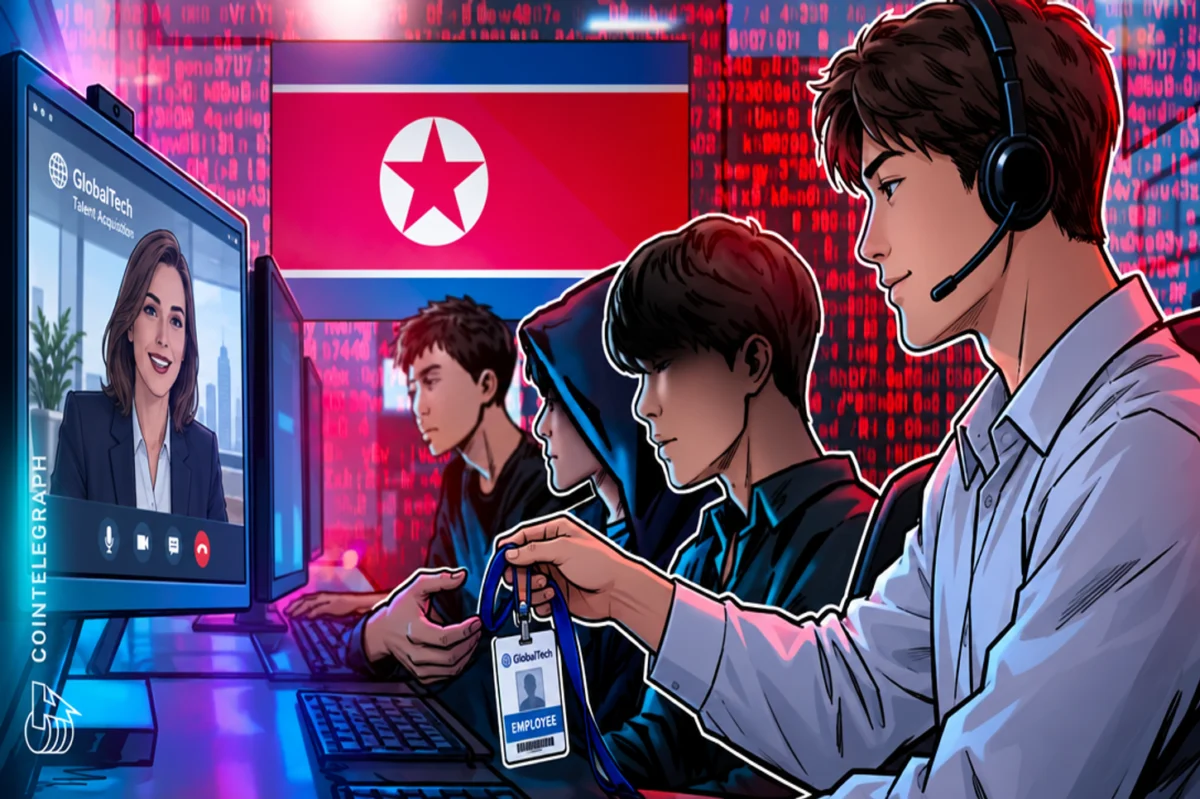
Pyongyang’s regime has escalated its sophisticated cyber operations, now extensively employing remote IT workers from third countries, including Iran and Lebanon, as a strategic facade to infiltrate US companies. This elaborate scheme aims to secure lucrative contracts, which are then typically usurped by North Korean operatives, serving as a critical pipeline for funding the DPRK’s illicit weapons development programs. The revelation, initially reported by NBC on Friday, September 12, 2026, highlights a significant evolution in North Korea’s persistent efforts to circumvent international sanctions and bolster its struggling economy through cybercrime.
The Evolving Threat Landscape: DPRK’s Cyber Operations
For years, North Korea has been recognized as a formidable force in the global cyber threat landscape, driven by an urgent need for hard currency to sustain its authoritarian regime and finance its ambitious ballistic missile and nuclear weapons programs. Crippling international sanctions, imposed in response to its continued provocations, have severely limited traditional avenues for revenue generation, pushing the DPRK to increasingly rely on illicit cyber activities. These activities range from large-scale cryptocurrency heists and ransomware attacks to intellectual property theft and financial fraud, all orchestrated by state-sponsored hacking groups such as the infamous Lazarus Group (also known as APT38 or Hidden Cobra) and Kimsuky.
Historically, North Korean IT workers have attempted to secure remote employment directly, often by falsifying their identities and nationalities. However, as global awareness of these tactics has grown and governments have intensified their counter-efforts, Pyongyang has adapted its methodology. The latest shift represents a more sophisticated layer of obfuscation, utilizing intermediaries from nations with less stringent oversight or those that may be less directly targeted by US intelligence. This strategy not only provides an additional layer of anonymity but also exploits existing global freelance markets and remote work platforms, making detection significantly more challenging. The shift indicates a high degree of adaptability and strategic planning within North Korea’s cyber command, constantly seeking new vulnerabilities and methods to bypass tightening security measures.
Sophisticated Recruitment and Infiltration Methods
The core of this evolving scheme involves the recruitment of legitimate, often unwitting, IT professionals from third countries. These individuals are scouted through popular professional networking sites like LinkedIn and various freelance platforms, where they are offered seemingly legitimate part-time roles as "interview associates." According to the NBC report, some of these foreign IT workers were offered approximately $500 monthly in cryptocurrency for their services. Their primary task is to leverage their genuine skills and credentials to successfully navigate the initial stages of job interviews for highly sought-after positions within US technology firms, financial institutions, and other strategic companies.
Once a work contract is successfully obtained through these proxies, the position is swiftly taken over by actual North Korean operatives. These operatives then exploit their access to corporate networks to achieve a variety of malicious objectives. The US government, in a multi-agency alert issued in July 2026, explicitly warned that North Korean IT workers "seek out contracts with the intent of remitting their salaries to their parent North Korean agencies. They also pose an insider threat to companies and are involved in data exfiltration, cryptocurrency theft, and theft of sensitive information." This highlights the dual threat posed: direct financial gain through salaries diverted to the regime, and the more insidious risk of espionage, intellectual property theft, and potential sabotage from within targeted organizations. The use of "interview associates" allows the North Koreans to circumvent the initial, often rigorous, vetting processes, leveraging the legitimate skills and backgrounds of third-country nationals before deploying their own trained operatives. This tactic makes it incredibly difficult for companies to detect the true identity of the individuals working remotely, as the initial credentials and performance are entirely legitimate.
US Government Alerts and International Response
The July 2026 alert, a collaborative effort by multiple US government agencies including the Federal Bureau of Investigation (FBI), the Cybersecurity and Infrastructure Security Agency (CISA), the Department of the Treasury, and the Department of State, underscored the severity and persistence of this threat. This comprehensive warning was also supported by several foreign agencies, indicating a coordinated international effort to address North Korea’s illicit cyber activities. The alert detailed the specific methods used by DPRK IT workers, emphasizing their sophisticated attempts to mask their identities, often using virtual private networks (VPNs) to obscure their true geographic location, utilizing multiple aliases, and employing various payment processing schemes to obscure the flow of funds back to North Korea.
This July 2026 advisory is not an isolated incident but rather part of a continuous series of warnings issued by the US government and its allies over recent years. Earlier alerts, such as those issued in 2022 and 2023, have consistently highlighted North Korea’s tactics of masquerading as legitimate IT professionals. These prior advisories detailed how North Korean IT workers often present themselves as South Koreans, Chinese, or Japanese nationals, using fake passports, fabricated educational credentials, and elaborate cover stories to secure employment. The latest alert, however, points to a significant escalation in the level of deception, incorporating an additional layer of proxy recruitment. These ongoing warnings are crucial for raising awareness among private sector companies, particularly those in critical infrastructure sectors, defense, technology, and finance, which are frequently targeted. The US government’s strategy involves not only intelligence sharing but also proactive measures to disrupt these networks, including sanctions against individuals and entities facilitating North Korea’s cyber operations, and working with international partners to enhance cybersecurity defenses globally.
The Financial Toll: Billions in Crypto Theft and Sanctions Evasion
The efficacy of North Korea’s increasingly sophisticated tactics appears to be yielding substantial financial returns, significantly undermining the international sanctions regime. A May 2026 report by the cybersecurity firm CrowdStrike revealed alarming figures, indicating that North Korean state-affiliated hackers and threat actors were responsible for more than $2 billion in cryptocurrency losses in 2025 alone. This staggering sum represents a 51% year-on-year increase, underscoring the escalating scale and success of Pyongyang’s crypto-theft operations. These stolen digital assets are meticulously laundered through complex networks of mixers, decentralized exchanges, and peer-to-peer transactions, ultimately converted into fiat currency or other assets that directly fund the DPRK’s weapons programs.
Further analysis by blockchain analytics firms like Chainalysis has consistently tracked the movement of these illicit funds, providing critical insights into North Korea’s money-laundering techniques. Their reports frequently highlight the sophisticated methods employed to obfuscate the origin and destination of stolen cryptocurrencies, making it incredibly challenging for law enforcement agencies to trace and recover the assets. The direct link between these cyber-enabled thefts and the advancement of North Korea’s military capabilities is a source of grave concern for international security. Each successful heist not only enriches the regime but also directly contributes to the development of more destructive weapons, posing a direct threat to regional and global stability. The scale of these operations illustrates that cybercrime has become an indispensable component of North Korea’s economic strategy, providing a vital lifeline that allows it to bypass traditional financial systems and evade the intended impact of sanctions.
Economic Resilience Amidst Sanctions: The DPRK’s Paradoxical Growth
Despite the global community’s concerted efforts to isolate North Korea through comprehensive sanctions, the nation’s economy has demonstrated a surprising degree of resilience, particularly in the face of these illicit revenue streams. The Bank of Korea, in its assessment, estimated that North Korea’s Gross Domestic Product (GDP) increased by 3.5% in 2025. This growth, while modest by global standards, is remarkable considering the extensive sanctions designed to stifle its economic activity. This paradoxical growth suggests that the substantial influx of funds from cybercrime, coupled with other illicit activities like arms trafficking and counterfeiting, is effectively mitigating the intended impact of sanctions.
The ability of North Korea to generate billions through cyber theft provides a crucial buffer against economic collapse, allowing the regime to continue investing in its military-industrial complex and maintaining internal stability. This situation poses a significant challenge to international policymakers, as the effectiveness of traditional economic pressure points is diluted by these alternative revenue streams. The continuous adaptation of North Korea’s cyber tactics, as evidenced by the new "interview associate" scheme, ensures a steady flow of funds, enabling the regime to defy global norms and persist in its pursuit of weapons of mass destruction. The 3.5% GDP growth, therefore, serves as a stark indicator that while sanctions aim to cut off financial lifelines, North Korea is finding increasingly innovative and illicit ways to create new ones, making the task of international enforcement agencies even more complex and urgent.
Broader Implications for Global Cybersecurity and National Security
The expansion of North Korea’s cyber infiltration tactics carries profound implications for global cybersecurity and national security. The primary risk is to the integrity and security of corporate networks, particularly those belonging to US companies in critical sectors. The successful infiltration of these networks by North Korean operatives poses a direct threat of data exfiltration, leading to the theft of sensitive corporate data, intellectual property, and even classified government information if the target is a defense contractor or government agency. This intellectual property theft can have long-term economic consequences, undermining innovation and competitive advantage.
Beyond financial and intellectual property theft, the presence of North Korean operatives within corporate systems creates an enduring insider threat. These individuals could potentially plant malware, disrupt operations, or even pave the way for more destructive cyberattacks. The blurring lines between state-sponsored cyber espionage and organized cybercrime further complicate the response, as the motives can be dual-pronged: financial gain for the regime and strategic intelligence gathering. For companies, the challenge lies in effectively vetting remote workers and ensuring robust supply chain security, especially in an increasingly globalized and remote-work-oriented environment. The reliance on third-country proxies also raises questions about international legal frameworks and the responsibility of nations whose citizens are unwittingly or wittingly involved in facilitating these illicit activities. This complex web of operations demands a coordinated and multi-faceted international response, transcending traditional law enforcement and intelligence boundaries.
Mitigation Strategies and the Path Forward
Addressing the evolving threat posed by North Korea’s cyber infiltration schemes requires a multi-pronged approach involving governments, private sector companies, and international organizations. For companies, especially those in high-risk sectors, enhanced vetting processes for all remote workers are paramount. This includes rigorous background checks, verification of identity documents, cross-referencing information with known threat indicators, and potentially utilizing advanced biometric verification tools. Continuous monitoring of employee network activity and access privileges can help detect unusual patterns that might indicate a compromise. Implementing robust cybersecurity frameworks, including multi-factor authentication, least privilege access, network segmentation, and regular security audits, is no longer optional but essential. Furthermore, educating employees about social engineering tactics and phishing attempts remains a crucial defense layer.
Governments, on their part, must intensify intelligence sharing and collaboration with international partners to identify and disrupt these North Korean networks. This includes sharing threat intelligence, coordinating sanctions enforcement against entities facilitating these schemes, and working with countries like Iran and Lebanon to raise awareness and bolster their domestic controls against such exploitation. Public-private partnerships are vital, enabling the rapid dissemination of threat information from government agencies to the private sector, allowing companies to proactively strengthen their defenses. Developing legal and diplomatic mechanisms to hold accountable nations that knowingly or unknowingly harbor facilitators of North Korean cybercrime will also be critical. The fight against North Korea’s cyber warfare is a long-term endeavor that demands continuous vigilance, adaptability, and unwavering international cooperation to safeguard global financial systems, national security, and the integrity of the digital economy.
The persistent and escalating nature of North Korea’s cyber activities, exemplified by its latest tactic of leveraging third-country IT workers, underscores the urgent need for a unified and robust international response. As Pyongyang continues to innovate its methods for illicit revenue generation, the global community must remain equally agile in its efforts to detect, disrupt, and deter these dangerous operations, thereby upholding the integrity of the international financial system and ensuring global security.









