Lina Irawan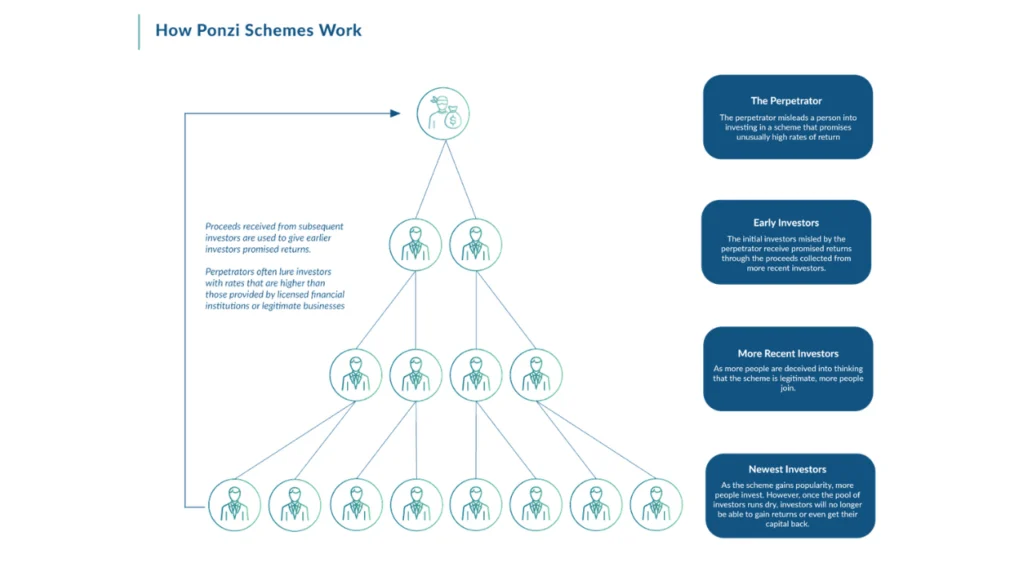
An Ohio investment manager who lured clients with promises of risk-free fortunes in Bitcoin derivatives, only to secretly funnel their money to earlier investors, was sentenced Monday to nine years in federal prison. Rathnakishore Giri, 31, of New Albany, Ohio, received a 108-month sentence along with three years of supervised release after pleading guilty to one count of wire fraud. The U.S. Department of Justice stated that Giri’s scheme defrauded investors of at least $10 million over several years, and alarmingly, he continued his fraudulent activities even after agreeing to plead guilty.
The Department of Justice articulated in a statement that Giri "falsely promised investors that he would generate lucrative returns with no risk to their principal investment amount, which he guaranteed to return." The agency further elaborated, "In reality, Giri often used money provided by new investors to repay old investors – a hallmark of a Ponzi scheme." This stark admission underscores the deceptive nature of Giri’s operations and the systematic exploitation of investor trust.
The Allure of Sophistication: A Polished Pitch Built on Lies
Giri masterfully cultivated an image of a seasoned cryptocurrency trader, specializing in the complex and niche world of Bitcoin derivatives. This particular area of the market, often perceived as highly technical and sophisticated, lent an air of credibility to his pitches. He assured potential investors that their principal investments were secure and that substantial returns were virtually guaranteed, a combination that proved irresistible to many.

However, beneath this veneer of expertise lay a long and undisclosed history of financial losses incurred by his clients. When investors began to express suspicion or sought to withdraw their funds, Giri did not offer transparency. Instead, he resorted to fabricating elaborate excuses for withdrawal delays, effectively stringing them along as his fraudulent enterprise teetered on the brink of collapse. The DOJ characterized this behavior as a deliberate and sustained effort to mislead, noting that Giri "had a record of investment failures, including a long history of losing investors’ principal investments, and misled investors about reasons for delays when they sought to cash out their investments or otherwise obtain the return of their ‘guaranteed’ principal."
The Federal Net Tightens: A Persistent Pattern of Deception
The legal reckoning for Giri began with regulatory authorities. In August 2022, the Commodity Futures Trading Commission (CFTC) initiated an enforcement action against Giri, his companies SR Private Equity, LLC, and NBD Eidetic Capital, LLC, as well as his parents. The CFTC accused him of operating an unlawful Bitcoin derivatives scheme that dated back to at least 2019. This civil action paved the way for federal prosecutors, who subsequently filed a federal indictment in November 2022, charging Giri with five counts of wire fraud.
Giri entered a guilty plea to one count of wire fraud in October 2024. Yet, the narrative took a particularly concerning turn in the lead-up to his sentencing. Federal prosecutors revealed that Giri had continued to solicit funds from new investors even after entering his guilty plea. This audacious continuation of his fraudulent activities prompted an amended plea agreement. The DOJ statement confirmed, "In advance of today’s sentencing, Giri admitted to this additional conduct pursuant to an amended plea agreement with the Department." The sheer brazenness of continuing to defraud individuals while awaiting sentencing for fraud undoubtedly influenced the judge’s decision, highlighting the deeply entrenched nature of Giri’s deceptive practices.
A Broader Crisis: The Mounting Toll of Crypto Fraud
The case of Rathnakishore Giri is not an isolated incident but rather a stark illustration of a broader and deeply troubling surge in cryptocurrency-related fraud across the United States. This trend has reached alarming proportions, with significant financial losses impacting countless individuals.

In April 2026, the FBI’s Internet Crime Complaint Center (IC3) reported a record-breaking $11.36 billion lost to cryptocurrency-related fraud in 2025. This figure represents a substantial 22% increase compared to the previous year. The IC3 received an overwhelming number of crypto-related complaints in 2025, exceeding 181,500. Authorities have observed a disturbing pattern where elderly Americans are disproportionately targeted by these schemes, often falling victim due to scammers exploiting trust and a lack of familiarity with digital assets.
Ponzi schemes, like the one orchestrated by Giri, operate on a well-established modus operandi: promising extraordinary returns, using funds from new investors to satisfy obligations to earlier ones, and employing delaying tactics and fabricated excuses to mask the inherent instability of the structure until its inevitable collapse. The advent of cryptocurrency has provided a fertile new ground for these age-old fraudulent schemes. The volatile, complex, and often poorly understood nature of digital assets makes them an attractive vehicle for fraudsters seeking to exploit the public’s growing interest and a perceived opportunity for rapid wealth accumulation.
Timeline of Deception and Legal Action
- At least 2019: Rathnakishore Giri allegedly begins operating an unlawful Bitcoin derivatives scheme through his companies, SR Private Equity, LLC, and NBD Eidetic Capital, LLC.
- August 2022: The Commodity Futures Trading Commission (CFTC) files an enforcement action against Giri, his companies, and his parents, accusing him of running an unregistered Bitcoin derivatives scheme.
- November 2022: The U.S. Department of Justice (DOJ) unseals a federal indictment, charging Giri with five counts of wire fraud.
- October 2024: Giri pleads guilty to one count of wire fraud.
- Prior to November 2024 Sentencing: Federal prosecutors reveal that Giri continued to solicit money from new investors even after entering his guilty plea, leading to an amended plea agreement.
- Monday (Date of Sentencing): Rathnakishore Giri is sentenced to nine years in federal prison (108 months) and three years of supervised release for his role in a $10 million cryptocurrency Ponzi scheme.
Official Reactions and Broader Implications
The sentencing of Rathnakishore Giri serves as a significant legal victory for federal authorities and a stern warning to those engaged in fraudulent activities within the burgeoning cryptocurrency market. U.S. Attorney General Merrick Garland has consistently emphasized the DOJ’s commitment to combating financial crimes, particularly those impacting vulnerable populations and eroding public trust in financial markets. While specific statements from the CFTC regarding this particular sentencing have not been widely disseminated, their initial enforcement action clearly signaled their intent to pursue those engaging in unregistered and fraudulent derivatives trading.
The implications of this case extend far beyond the courtroom. It underscores the critical need for increased investor vigilance and robust regulatory oversight in the cryptocurrency space. The ability of an individual to continue defrauding investors even after admitting guilt to a federal crime highlights potential gaps in enforcement or the sheer audacity of those involved in such schemes. The sheer scale of losses reported by the FBI emphasizes that this is not an isolated problem but a systemic challenge requiring a multi-faceted approach involving law enforcement, regulatory bodies, and public education.

Safeguarding Against Future Frauds: What Investors Must Know
In the wake of cases like Giri’s, experts and regulators are reiterating crucial advice for investors navigating the complex world of digital assets. The fundamental principle remains: verify credentials before entrusting any money. Investors should be deeply skeptical of any investment proposal that promises guaranteed returns with no associated risk. Such assurances are virtually nonexistent in legitimate financial markets, especially within the inherently volatile cryptocurrency sector.
Furthermore, it is imperative for investors to confirm whether a firm or individual is properly registered with relevant regulatory bodies, such as the Commodity Futures Trading Commission (CFTC), the Securities and Exchange Commission (SEC), or the Financial Industry Regulatory Authority (FINRA), before making any investment. Phrases like "guaranteed returns" and "no risk to principal" should serve as immediate red flags, signaling a potential scam. No legitimate investment strategy can consistently offer such guarantees, particularly in a market characterized by its rapid fluctuations and inherent unpredictability.
For the victims of Rathnakishore Giri’s scheme, the nine-year prison sentence offers a measure of justice and accountability. However, the recovery of the $10 million lost to his fraudulent activities presents a separate and often formidable challenge. The damage inflicted by such fraud rarely remains confined within the legal proceedings; it reverberates through the lives of victims, impacting their financial security and their trust in investment opportunities. The Giri case, therefore, stands as a potent cautionary tale, reinforcing the importance of due diligence, critical evaluation of investment promises, and a healthy skepticism in the pursuit of financial gains within the dynamic and often perilous landscape of cryptocurrency.