
 admin
admin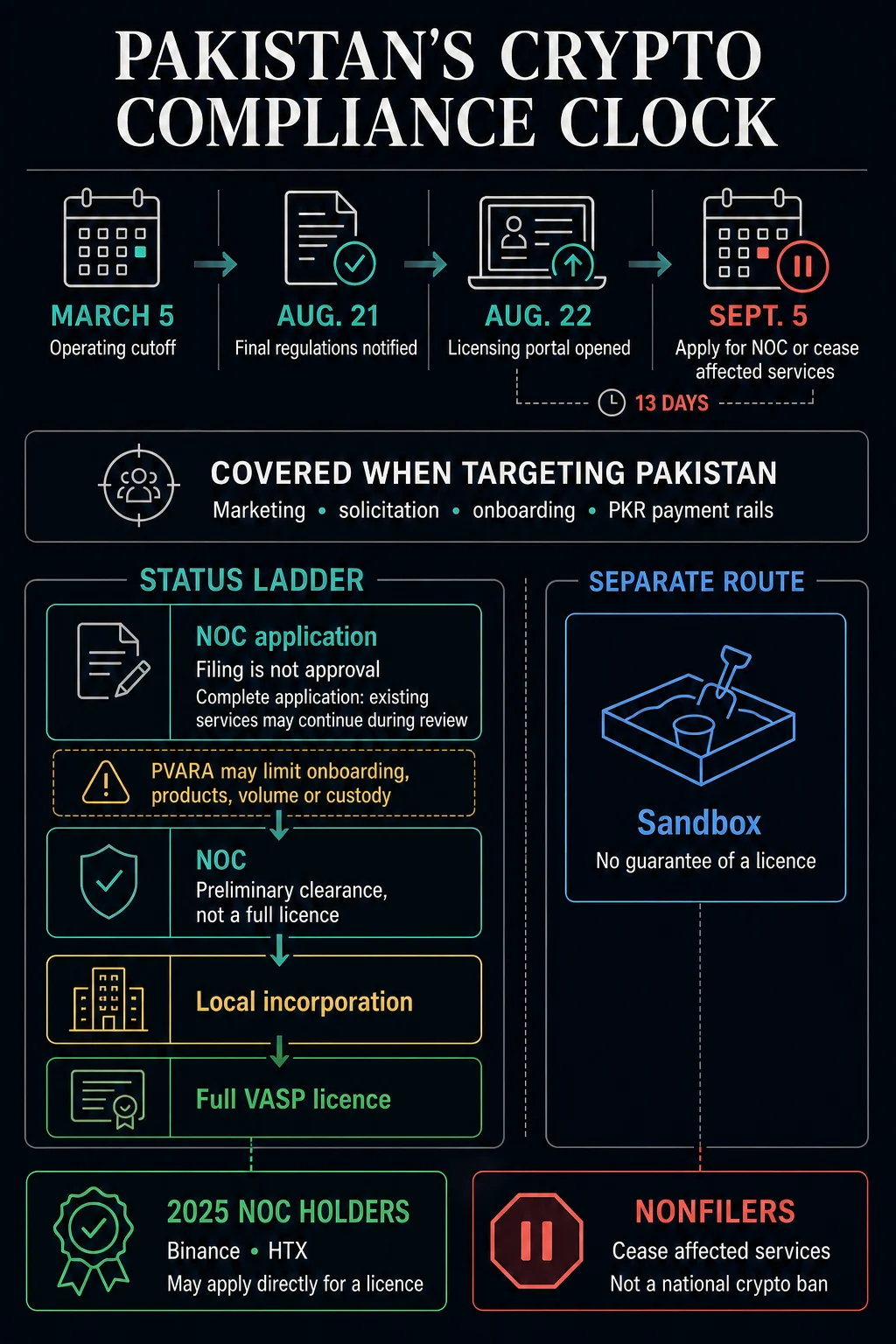
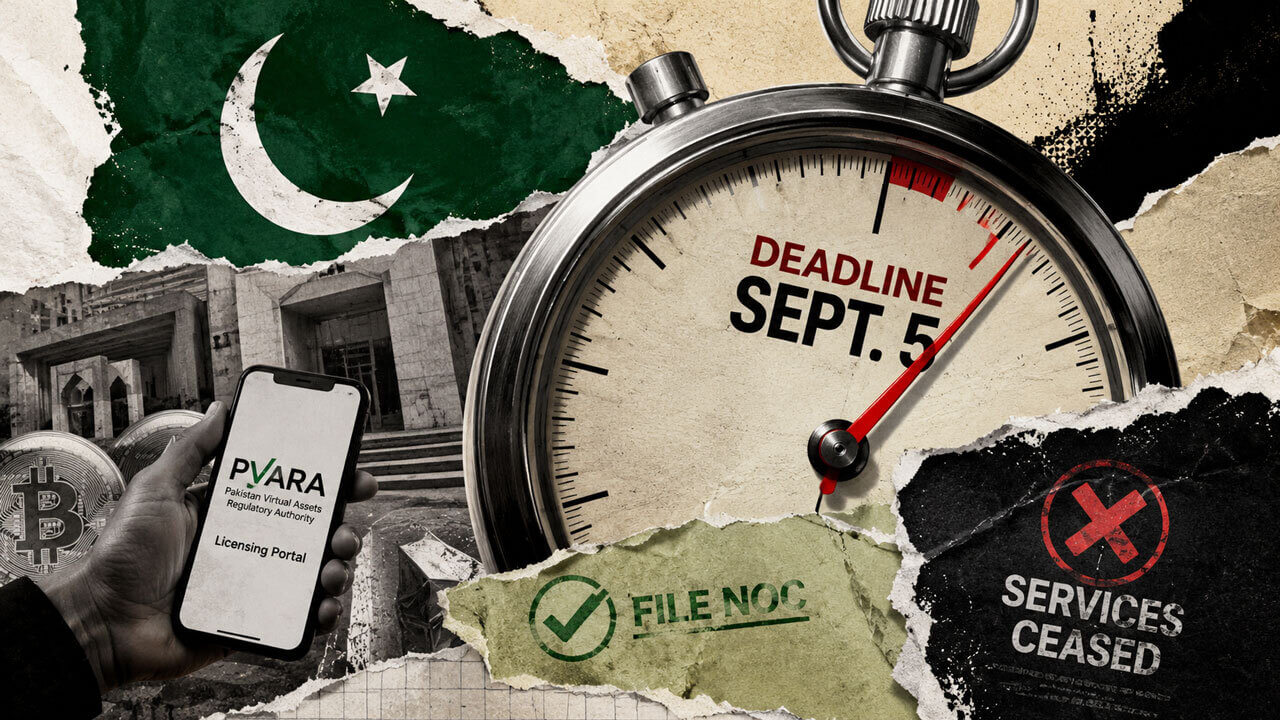
Pakistan has issued a definitive ultimatum to cryptocurrency platforms operating within its borders, setting a strict deadline of September 5 for them to either register under the newly established licensing regime or cease all services to Pakistani users. This decisive move by the Pakistan Virtual Assets Regulatory Authority (PVARA) signals a significant shift from a period of broad policy discussion to the implementation of formal regulatory oversight for the burgeoning virtual asset sector. The move is expected to bring clarity and structure to a market that has, until now, operated in a regulatory gray area, aiming to protect consumers and integrate digital assets into the formal economy.
Formalizing the Virtual Asset Landscape
PVARA officially opened its licensing portal on August 22, a day after finalizing and issuing the comprehensive virtual-asset service regulations. This action marks the culmination of efforts to bring the country’s approach to digital assets under a defined legal and operational framework. Bilal Bin Saqib, the Chairman of PVARA, articulated the significance of this development in a public statement, emphasizing the transition from an unregulated market to one governed by clear rules and a dedicated regulator.
"This market [previously] existed without a clear regulatory pathway. Today, that changes," Saqib stated. "We now have the rules, the regulator and the licensing framework to bring virtual assets into the formal economy, protect consumers and build the foundation for the next generation of financial infrastructure. Today we built the rules. Now we build the opportunity."
The September 5 deadline is specifically targeted at virtual asset service providers that were already active in Pakistan prior to the enactment of the Virtual Assets Act on March 5. These existing entities are now mandated to submit an application for a no-objection certificate (NOC). This NOC serves as an initial regulatory clearance, a prerequisite for progressing towards a full virtual asset service provider license.
The Compliance Pathway and Its Implications
For established platforms that submit a complete and timely NOC application, the privilege of continuing to offer their existing services to Pakistani users is granted while PVARA undertakes a thorough review of their submissions. However, this interim period is not without its caveats. The regulator retains the authority to impose specific interim restrictions, which could encompass limitations on onboarding new users, the types of products offered, transaction volumes, or the management of customer assets held in custody.
Conversely, any firm that fails to submit an application by the September 5 deadline will be compelled to immediately halt all services deemed within PVARA’s purview. The authority has explicitly stated that continuing operations without a filed application after the deadline will be considered a violation of the new regulations, carrying potential legal repercussions.
It is crucial to note that these new rules do not constitute a nationwide ban on cryptocurrency activities. Instead, they establish a clear "comply or exit" mandate for exchanges, custodians, and other virtual asset businesses that have been actively targeting or serving Pakistani customers.
PVARA’s definition of a provider "within scope" is comprehensive. It includes entities that actively market or solicit customers within Pakistan, onboard users from the country, or facilitate transactions involving the Pakistani Rupee. The regulations clarify that mere accessibility of a website or mobile application within Pakistan is insufficient grounds for regulatory action, provided the company demonstrates no active targeting of Pakistani customers and implements reasonable measures to prevent their onboarding.
A Phased Approach to Licensing
The issuance of an NOC is a critical first step, but it does not equate to obtaining a full virtual asset service provider license. The NOC merely permits a company to proceed with the subsequent compliance requirements, including local incorporation where necessary, before submitting a comprehensive application for full licensing.
Some major players in the global cryptocurrency space have already made significant progress in navigating Pakistan’s regulatory landscape. Binance and HTX, for instance, were granted NOCs in December 2025. Under the specific transition rules outlined in the new regulations, these entities are eligible to apply directly for full licenses, bypassing the need for fresh preliminary clearance. This indicates a structured approach to onboarding established players while setting a clear path for new entrants.
PVARA has also established a dedicated regulatory sandbox. This initiative is designed for companies wishing to test novel products and services within a controlled environment. Participation in the sandbox, however, does not guarantee an eventual full license, emphasizing that innovation must still align with regulatory standards and consumer protection objectives.
Impact on Consumers and Market Stability
For individual users and investors in Pakistan, the immediate consequences of these regulations will hinge on the compliance decisions of their preferred cryptocurrency platforms. The rules stipulate that platforms failing to comply must cease their affected services. However, the specific procedures for winding down trading, facilitating withdrawals, or managing custody accounts for non-compliant entities are not yet uniformly defined.
In contrast, platforms that successfully obtain licensing will be subject to stringent requirements. These include the mandatory segregation of customer assets, ensuring these assets remain readily available for timely withdrawal, and maintaining clear channels for customer claims and withdrawals throughout any orderly wind-down process. This is designed to safeguard user funds and prevent the kind of asset mismanagement that has plagued the industry in the past.
The September 5 deadline thus presents a critical juncture for the cryptocurrency industry operating in Pakistan. It compels virtual asset firms to make a strategic decision: either engage with the formal regulatory framework and continue operating under PVARA’s oversight, or withdraw from the Pakistani market. This regulatory push is likely to foster greater transparency, enhance investor confidence, and potentially pave the way for more sustainable growth within Pakistan’s digital asset ecosystem.

Background and Broader Context
The move by Pakistan to regulate virtual assets comes amidst a global trend of increased scrutiny and attempts at formalization by governments worldwide. Many nations have grappled with balancing the innovative potential of blockchain technology and cryptocurrencies with concerns about financial crime, consumer protection, and monetary stability. Pakistan’s approach, while firm in its deadline, appears to be leaning towards integration rather than outright prohibition, reflecting a pragmatic recognition of the evolving financial landscape.
The Virtual Assets Act itself, which came into effect on March 5, 2026, laid the foundational legal groundwork. Its subsequent operationalization through the PVARA regulations and the establishment of the licensing framework signifies a commitment to enforcing these legal provisions. The act likely addresses key areas such as Anti-Money Laundering (AML) and Counter-Terrorist Financing (CTF) obligations, Know Your Customer (KYC) requirements, and rules governing the custody and trading of virtual assets.
The inclusion of a regulatory sandbox is also a common feature in modern regulatory frameworks for emerging technologies. It allows regulators to gain insights into new business models and technologies while providing businesses with a safe space to innovate without immediate fear of non-compliance penalties, provided they adhere to the sandbox’s specific rules and reporting obligations.
Future Outlook and Potential Challenges
The implementation of this regulatory framework is expected to have several long-term implications. Firstly, it could lead to a more robust and secure cryptocurrency market in Pakistan, attracting institutional investment and fostering greater trust among retail users. Secondly, it provides a clearer legal recourse for consumers in case of disputes or platform failures.
However, challenges remain. The effectiveness of the regulations will depend on PVARA’s capacity for robust enforcement, its ability to adapt to the rapidly evolving nature of virtual assets, and the willingness of platforms to comply fully. The process of obtaining a full license may prove complex and costly for smaller platforms, potentially leading to market consolidation.
Furthermore, the definition of which entities are "within scope" will be crucial. Ambiguities in this definition could lead to disputes or unintended consequences. The process for non-compliant platforms to wind down their operations also needs to be clearly communicated and managed to ensure customer assets are protected during the transition.
Ultimately, Pakistan’s decisive action on cryptocurrency regulation is a testament to its intent to engage with the digital economy in a structured and controlled manner. The success of this initiative will be measured by its ability to foster innovation while simultaneously ensuring the integrity and safety of its financial system. The coming months, particularly the period following the September 5 deadline, will be critical in assessing the immediate impact and the long-term trajectory of virtual assets within Pakistan.








