Nila Kartika Wati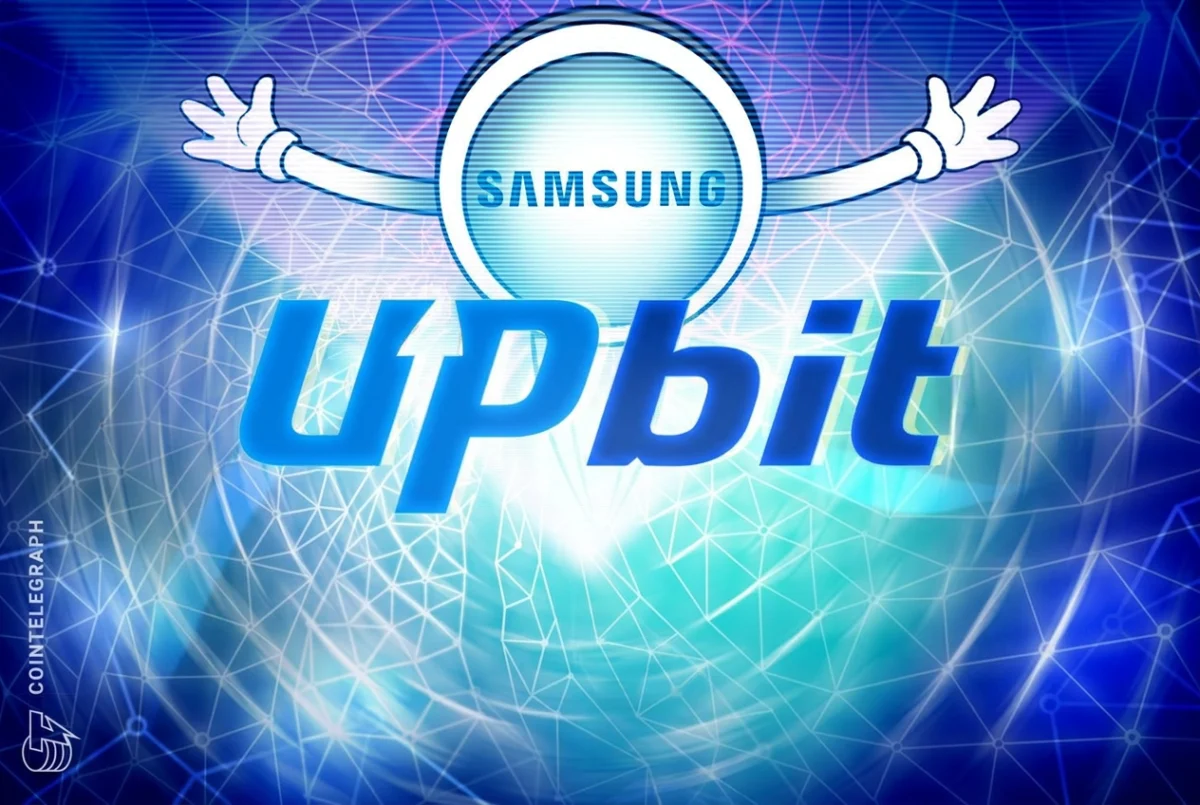
Samsung SDS, the prominent IT services arm of the sprawling Samsung Group, is actively advancing its foray into the nascent but rapidly evolving digital finance sector, announcing significant explorations into stablecoin infrastructure, sophisticated digital asset systems, and cutting-edge AI-based payment models. This ambitious initiative is being pursued in close collaboration with Dunamu, the operator behind Upbit, one of South Korea’s largest and most influential cryptocurrency exchanges. The strategic alliance underscores a broader commitment from the Samsung conglomerate to integrate distributed ledger technologies and artificial intelligence into its expansive portfolio of services.
The confirmation of these discussions came directly from Samsung SDS CEO Lee Jun-hee during the company’s second-quarter earnings call held on Thursday. Lee articulated that the collaboration with Dunamu extends to developing robust stablecoin infrastructure, comprehensive digital asset systems, and innovative AI-driven payment business models. This move is not merely exploratory but builds upon Samsung SDS’s already established capabilities in the digital asset space, signaling a clear strategic direction for the company’s future growth.
Building on a Foundation of Digital Asset Expertise
Samsung SDS is not a newcomer to the realm of digital assets. CEO Lee Jun-hee highlighted the company’s "differentiated business capabilities" in digital asset infrastructure, citing its pivotal role in the Korea Securities Depository’s (KSD) tokenized securities platform project. This project, a cornerstone in South Korea’s efforts to modernize its financial markets, involved the development of a secure and efficient platform for the issuance, management, and trading of tokenized securities. Samsung SDS’s involvement in such a critical national infrastructure project demonstrates its technical prowess and understanding of the complexities inherent in institutional-grade digital asset solutions.
Furthermore, Lee emphasized Samsung SDS’s successful "end-to-end validation of the full stablecoin process from issuance to settlement." This technical achievement signifies the company’s comprehensive understanding and practical capability in managing the entire lifecycle of a stablecoin, from its initial creation and distribution to its final redemption and settlement. Such validation is crucial for establishing trust and regulatory compliance in a financial instrument designed to maintain a stable value. This deep-seated expertise positions Samsung SDS as a formidable player, well-equipped to tackle the challenges and opportunities presented by the burgeoning stablecoin market. Lee expressed confidence that the strategic relationship with Dunamu would be instrumental in expanding Samsung SDS’s footprint in the digital asset infrastructure market, leveraging their combined strengths to innovate and lead.
A Broader Samsung Group Digital Asset Strategy
The announcement from Samsung SDS arrives on the heels of another significant development within the conglomerate, reinforcing the group’s concerted push into digital assets. Just days prior to the earnings call, Samsung Electronics, the flagship entity of the Samsung Group, unveiled its plans to integrate stablecoin support into its widely used Samsung Wallet. This move by Samsung Electronics signifies a direct consumer-facing application of stablecoins, allowing users to potentially manage stablecoin holdings alongside traditional payment methods and digital identities within a secure, familiar ecosystem. The synchronicity of these announcements — Samsung SDS focusing on infrastructure and Samsung Electronics on user adoption — paints a clear picture of a holistic, group-wide strategy to embrace and integrate digital assets across various layers of its technological and service offerings.
This coordinated effort reflects a recognition by Samsung’s leadership of the transformative potential of blockchain technology and digital currencies. By developing both the underlying infrastructure and user-facing applications, Samsung aims to establish a comprehensive ecosystem for digital assets, positioning itself at the forefront of the digital finance revolution. The integration of stablecoins into Samsung Wallet could significantly enhance the utility and accessibility of digital currencies for millions of users, potentially accelerating mainstream adoption in South Korea and beyond.
The Strategic Investment in Dunamu: A Foundation for Collaboration
The collaboration between Samsung SDS and Dunamu is not a newfound partnership but rather a deepening of existing strategic ties. In May 2026, a consortium of Samsung affiliates — specifically Samsung Securities, Samsung SDS, and Samsung Card — collectively acquired a 4% stake in Dunamu. This investment was explicitly framed as a strategic move rather than a purely financial one, a point reiterated by CEO Lee during the recent Q2 earnings call. Such a significant stake acquisition by multiple Samsung entities underscores the group’s long-term commitment to Dunamu and its belief in the future of digital assets within South Korea’s financial landscape.
Dunamu, as the operator of Upbit, holds a dominant position in the South Korean cryptocurrency exchange market. Upbit is known for its high trading volumes, wide selection of digital assets, and robust security measures. Its established user base and operational expertise in the crypto market make it an ideal partner for Samsung SDS, which brings enterprise-grade IT services, cloud computing, and cybersecurity capabilities to the table. The stated goal of this strategic investment is to refine potential business models for digital financial infrastructure, suggesting a shared vision to build next-generation financial services that leverage blockchain and AI.
The synergy between Samsung SDS and Dunamu is evident: Samsung SDS offers the secure, scalable, and resilient IT infrastructure necessary for large-scale digital asset operations, including cloud platforms and advanced security protocols. Dunamu, conversely, provides invaluable insights into the specific needs and dynamics of the cryptocurrency market, expertise in blockchain technology implementation for exchange operations, and a direct gateway to a vast user base. As the Q2 transcript noted, "By combining Samsung SDS’s IT services, cloud, and security capabilities with Dunamu’s blockchain expertise, we aim to lead this market." This statement succinctly captures the collaborative spirit and ambitious objective of the partnership: to become a market leader in the evolving digital asset infrastructure sector.
The Global and Local Stablecoin Landscape
Stablecoins, digital currencies designed to minimize price volatility by pegging their value to a stable asset like a fiat currency, have emerged as a critical component of the digital asset ecosystem. They serve as a bridge between traditional finance and the decentralized world, facilitating fast, low-cost transactions and acting as a reliable store of value within the crypto market. The global regulatory landscape for stablecoins is rapidly evolving, with jurisdictions like the European Union implementing comprehensive frameworks such as the Markets in Crypto-Assets (MiCA) regulation. In the United States, discussions are ongoing regarding federal oversight for stablecoin issuers, reflecting their growing systemic importance.
South Korea is also actively working on establishing its own regulatory framework for digital assets. A report proposing specific rules for stablecoins before a broader crypto law is enacted indicates the nation’s proactive approach to managing the risks and harnessing the potential of these digital instruments. For Samsung SDS and Dunamu, operating within a clear and supportive regulatory environment will be crucial for the successful deployment and adoption of their stablecoin infrastructure. The KSD tokenized securities project, in which SDS was involved, is a testament to the Korean government’s willingness to explore and regulate digital finance innovations. The development of a robust, compliant stablecoin infrastructure could play a significant role in solidifying South Korea’s position as a leader in digital finance innovation, potentially paving the way for a Korean Won-pegged stablecoin or other asset-backed digital currencies that can be seamlessly integrated into daily transactions.
AI-Based Payments: The Future of Transactional Efficiency
Beyond stablecoin infrastructure, the collaboration also explicitly targets AI-based payment models. The integration of artificial intelligence into payment systems promises a new era of efficiency, security, and personalization. AI can power advanced fraud detection mechanisms, analyzing transaction patterns in real-time to identify and prevent illicit activities more effectively than traditional rule-based systems. It can also enable more personalized financial services, offering tailored payment options, credit assessments, and investment advice based on individual spending habits and financial goals.
For businesses, AI can streamline reconciliation processes, automate invoicing, and optimize cash flow management. In the context of digital assets and stablecoins, AI could facilitate instant, smart contract-driven payments, where conditions for payment release are automatically verified by AI systems, enhancing trust and reducing friction. Imagine AI-powered systems that dynamically choose the most cost-effective and fastest stablecoin network for a transaction, or automatically convert fiat to stablecoin for cross-border remittances based on real-time exchange rates and user preferences. Samsung SDS’s extensive expertise in enterprise IT and data analytics, combined with Dunamu’s understanding of blockchain and crypto transactions, creates a powerful synergy for developing these advanced AI-driven payment solutions. This convergence of blockchain for secure, transparent transactions and AI for intelligent, efficient processing represents a frontier in fintech innovation.
Samsung SDS’s Broader Growth Trajectory: AI and Cloud at the Core
The digital asset initiative is intrinsically linked to Samsung SDS’s broader strategic focus on expanding its capabilities in artificial intelligence and cloud services. These areas have been significant drivers of the company’s recent financial performance. In the second quarter, Samsung SDS reported a robust revenue increase of 5.9% year-on-year, reaching 3.72 trillion Korean won (approximately $2.6 billion). This growth underscores the strong demand for its IT services, particularly in cloud computing.
Cloud revenue, in particular, saw a substantial increase of 17% from the previous year. More impressively, external cloud business revenue surged by 75%, driven by the escalating demand for Samsung SDS’s cloud platform and its Graphics Processing Unit-as-a-Service (GPUaaS) offerings. The GPUaaS model is critical for supporting the intensive computational demands of AI and machine learning workloads, indicating a direct response to the industry’s growing need for high-performance computing resources. This robust growth in cloud and AI services provides a strong foundational layer for the development and deployment of sophisticated digital asset infrastructure and AI-based payment systems. The secure, scalable, and high-performance nature of cloud environments is essential for handling the vast amounts of data and complex computations inherent in blockchain and AI applications.
Looking ahead, Samsung SDS has outlined ambitious plans to significantly expand its AI infrastructure. The company intends to grow its AI infrastructure capacity from 110 megawatts (MW) today to 230 MW by 2029, and further to an impressive more than 800 MW by 2031. This multi-year, large-scale investment underscores Samsung SDS’s commitment to building world-class AI computing power. Such an expansion is not only vital for supporting its internal AI development and client services but also for providing the robust backend infrastructure required for advanced digital finance applications, including secure blockchain networks, AI-powered risk management systems, and sophisticated payment processing platforms. The convergence of these three pillars – AI, Cloud, and Blockchain – is clearly central to Samsung SDS’s long-term vision, positioning it as a comprehensive digital transformation partner for enterprises in the era of smart finance.
Implications and Future Outlook
The collaboration between Samsung SDS and Dunamu has wide-ranging implications for the South Korean digital economy and the broader global fintech landscape. For Samsung Group, it solidifies its position as a forward-thinking conglomerate actively participating in the evolution of financial technology. By leveraging the combined strengths of its IT services, electronics manufacturing, and financial arms, Samsung is building a comprehensive ecosystem that spans hardware, software, and financial services in the digital age.
For Dunamu and Upbit, this partnership offers significant institutional backing and access to Samsung SDS’s extensive enterprise-grade IT infrastructure and security expertise. This could enhance the reliability and scalability of Upbit’s operations and potentially enable Dunamu to expand its offerings beyond a traditional cryptocurrency exchange into broader digital financial services.
For South Korea, this initiative could accelerate the adoption of digital assets and stablecoins, fostering innovation within its financial sector. By setting precedents for robust infrastructure and compliant operations, it could also influence the development of future regulatory frameworks, positioning the country as a leader in digital finance. The move also signals a growing trend of major traditional corporations globally engaging with blockchain and AI to innovate in finance, potentially spurring other conglomerates to follow suit.
While the potential is vast, challenges remain, including navigating the evolving regulatory landscape, ensuring interoperability with existing financial systems, and fostering widespread user adoption. However, with Samsung SDS’s proven technical capabilities and Dunamu’s market leadership, the partnership is well-positioned to address these hurdles and significantly contribute to shaping the future of digital finance. The silence from Dunamu and the pending response from Samsung SDS to specific media inquiries, while customary in ongoing strategic discussions, underscores the sensitive and forward-looking nature of these developments. The journey towards a fully integrated digital financial infrastructure, powered by stablecoins and AI, is underway, with Samsung SDS and Dunamu poised to play a pivotal role.