Lina Irawan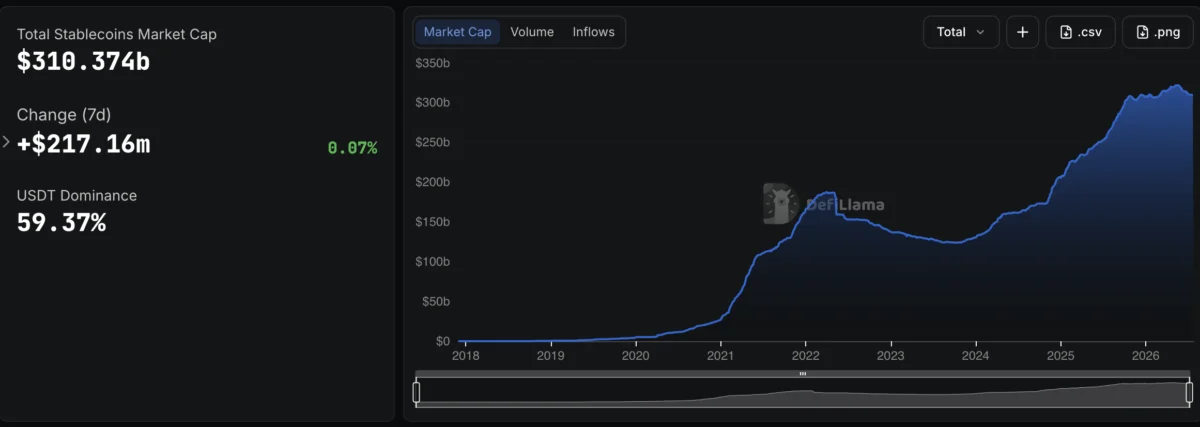
Samsung has officially confirmed its intention to integrate stablecoin support into Samsung Wallet, a move poised to significantly expand the utility of digital assets within the native wallet application on its vast ecosystem of Galaxy devices. The announcement, made during the highly anticipated Galaxy Unpacked event on July 22, 2026, arrives at a pivotal moment as payment giants, cryptocurrency exchanges, and digital asset issuers intensify their exploration of stablecoins for applications ranging from cross-border remittances to settlement processes. While specific stablecoins, implementation partners, and a definitive launch timeline remain undisclosed, this strategic integration signifies Samsung’s commitment to bridging the gap between traditional finance and the burgeoning digital asset landscape.
The significance of this development cannot be overstated. Samsung Wallet already serves as a central hub for Galaxy users, consolidating essential functions such as mobile payments, digital identity management, and access to select financial services. By embedding stablecoin functionality at the wallet level, Samsung aims to democratize access to digital value transfer, bringing it from the realm of specialized cryptocurrency exchanges and wallets into the everyday experience of mainstream consumers. This integration has the potential to transform how millions of users interact with digital currencies, positioning Samsung Wallet as a crucial gateway for broader adoption.
Samsung’s Strategic Leap into Digital Currency Management
Samsung’s foray into stablecoin integration within Samsung Wallet represents a calculated step to enhance the functionality of its flagship digital wallet. The company’s messaging at the Galaxy Unpacked event strongly suggests an ambition to facilitate faster, more intuitive digital value transfers for its mobile user base. Although the precise mechanics of the integration are yet to be detailed, the underlying intent is clear: to leverage the stability and widespread acceptance of stablecoins, particularly those pegged to fiat currencies like the US dollar, to offer a tangible alternative for everyday transactions and value storage.
Stablecoins have rapidly evolved from niche trading tools to integral components of the cryptocurrency ecosystem, proving their worth in cross-border remittances and financial settlements. Samsung’s decision to incorporate them into Wallet aligns with this growing recognition of their practical utility. By placing stablecoins alongside existing payment cards, identification documents, and other financial services, Samsung Wallet could become a primary touchpoint for users to engage with digital money, mirroring the familiarity of traditional financial management tools. This approach has the potential to significantly reduce the friction associated with cryptocurrency adoption, moving stablecoins beyond the confines of dedicated crypto applications and into the mainstream digital wallet experience.
A Deepening Commitment to Fintech Innovation
Samsung’s recent initiatives underscore a broader strategic push into the financial technology sector. This stablecoin integration follows a series of significant developments that signal Samsung’s evolving relationship with digital assets and payment services. In July 2025, Samsung Pay was introduced as a viable payment and top-up method for Coinbase users in the United States and Canada. This partnership was further expanded three months later, enabling Samsung Wallet users in the U.S. to access exclusive Coinbase One benefits and view their cryptocurrency holdings directly within the Samsung Wallet interface. According to official statements from both Samsung and Coinbase, this program was launched with an impressive user base of over 75 million Galaxy users in the United States, highlighting the immense reach of Samsung’s platform.
The sheer scale of Samsung’s user base amplifies the impact of introducing stablecoins to Samsung Wallet. This move transcends the mere addition of another cryptocurrency feature; it represents an opportunity to leverage existing infrastructure and liquidity within the stablecoin market and connect it with a massive consumer audience. While stablecoins benefit from established trading infrastructure and liquidity, their mainstream adoption hinges on accessible and user-friendly consumer touchpoints. A default smartphone wallet, deeply integrated into the user experience, is precisely such a touchpoint. By presenting stablecoins alongside familiar financial tools within Samsung Wallet, the company is actively working to bridge the gap between emerging digital assets and everyday financial management.

Samsung’s fintech ambitions were further evidenced by the launch of the Galaxy Card in the United States in July 2026. Issued by Barclays and operating on the Visa network, the Galaxy Card is seamlessly integrated with Samsung Wallet. This strategic positioning of stablecoins alongside traditional payment methods, digital identification, and cryptocurrency access points clarifies Samsung’s vision: Samsung Wallet is evolving beyond a simple card storage solution into a comprehensive financial services and identity management layer within the Galaxy ecosystem.
Bridging the Gap: Stablecoins and Mainstream Users
The burgeoning scale of the stablecoin market presents a compelling case for consumer-facing platforms like Samsung to embrace this technology. As of recent reports, the total market capitalization of stablecoins stands at approximately $310.4 billion, with Tether (USDT) leading the pack at around $184.1 billion, followed by USD Coin (USDC) at approximately $73.3 billion. This substantial market size underscores stablecoins’ position as one of the most utility-driven segments within the broader digital asset market.
Beyond the cryptocurrency trading sphere, major payment networks are also actively exploring the potential of stablecoins. Visa, for instance, reported that its stablecoin settlement pilot program achieved an annualized run rate of $7 billion by April 2026, marking a significant 50% quarter-over-quarter increase following its expansion across nine blockchain networks. These developments strongly indicate that stablecoins are increasingly being integrated into real-world payment infrastructure, and a mobile wallet solution like Samsung Wallet is strategically positioned to play a crucial distribution role in this evolution.
The regulatory landscape surrounding stablecoins has also seen notable advancements, particularly in the United States. The passage of the GENIUS Act on July 18, 2025, established a federal framework for payment stablecoins. While this legislation does not instantly propel stablecoins into mainstream ubiquity, it provides a more stable and predictable foundation for major consumer technology companies to explore partnerships with licensed entities and to strategically roll out features on a market-by-market basis. This clearer regulatory environment likely emboldens companies like Samsung to accelerate their integration plans.
Unveiling the Details: The Road Ahead for Samsung Wallet’s Stablecoin Feature
Despite the official confirmation of stablecoin support, critical details regarding the implementation remain under wraps. Samsung has not yet disclosed which specific stablecoins will be integrated, the identity of its implementation partners, the blockchain networks that will be utilized, the geographical markets slated for the initial rollout, or a precise launch date. Furthermore, the exact functionality remains to be clarified: will Samsung Wallet primarily serve as a gateway for users to view or purchase stablecoins through partner platforms, or will it offer direct capabilities for sending, receiving, and making payments with stablecoins?
The answer to this question will significantly determine the impact of the feature. If Samsung Wallet merely acts as an access layer to cryptocurrency services, its effect on mainstream adoption might be relatively limited. However, if Samsung enables users to conduct direct transactions with stablecoins, it would represent a far more substantial step toward embedding digital assets into the fabric of everyday mobile experiences.
The operationalization of stablecoin features also necessitates adherence to stringent Know Your Customer (KYC), Anti-Money Laundering (AML), user protection, and asset custody requirements. Consequently, Samsung is expected to pursue a phased market-by-market rollout, collaborating with licensed financial partners. The United States, with its existing strong relationship with Coinbase and a substantial Galaxy user base, is a logical candidate for an early rollout. However, Samsung has yet to confirm the specific scope and target markets for this transformative integration.