
 Nila Kartika Wati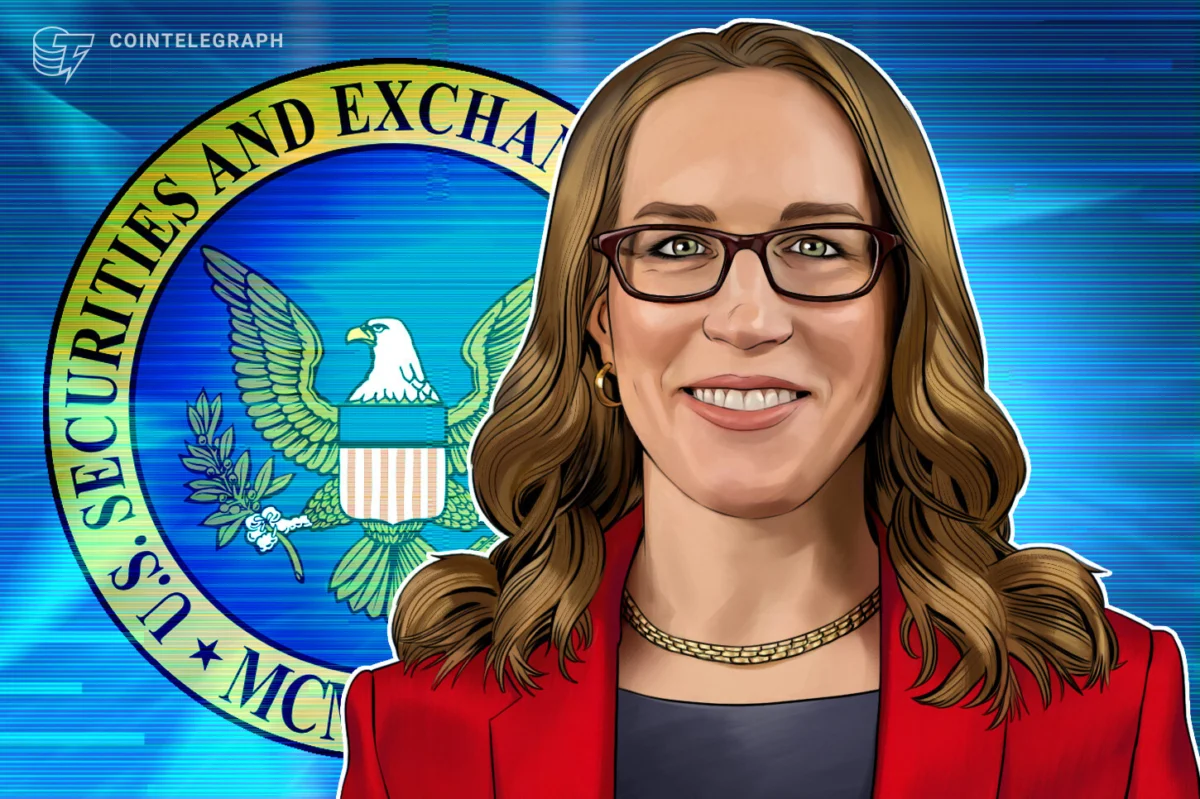
Hester Peirce, a prominent voice for digital asset innovation and regulatory clarity within the U.S. Securities and Exchange Commission (SEC), has formally submitted her resignation, effective October 2. Her departure marks a significant moment for the agency, which has recently undergone a substantial philosophical shift regarding cryptocurrency regulation under the current administration. Peirce, widely known as "Crypto Mom" for her consistent advocacy for a rules-based, rather than enforcement-led, approach to the nascent digital asset industry, publicly shared a copy of her resignation letter on her X account last Friday. In her letter, she expressed gratitude to the President for the "honor of her professional lifetime" serving as a commissioner and acknowledged the "excellent leadership" of Chairman Paul Atkins and Commissioner Mark Uyeda, the two remaining members, both of whom are Republicans.
A Champion for Digital Assets: Peirce’s Eight-Year Tenure
Peirce’s tenure at the SEC spanned approximately eight years, a period marked by unprecedented growth and evolution within the digital asset space. Initially nominated by President Donald Trump in 2017 and confirmed in January 2018, she quickly established herself as a distinct voice on the commission, often diverging from the prevailing regulatory posture, particularly concerning cryptocurrencies. Her moniker, "Crypto Mom," emerged from her unwavering commitment to fostering innovation and providing clear guidance for blockchain-based projects, contrasting sharply with what many in the industry perceived as the SEC’s opaque and often punitive "regulation by enforcement" strategy.
Throughout her time at the SEC, Peirce was a vocal critic of the agency’s reluctance to issue clear rules for digital assets, arguing that such an approach stifled innovation and pushed legitimate projects offshore. She consistently called for the creation of a "safe harbor" framework that would allow token projects a grace period to develop their decentralized networks before being subjected to the full weight of federal securities laws. This proposal, first introduced in 2020 and updated in subsequent years, aimed to provide startups with the necessary breathing room to mature without the immediate threat of enforcement actions, thereby aligning the SEC’s actions with its stated mission of fostering capital formation alongside investor protection. Her advocacy stemmed from a belief that the unique characteristics of digital assets, particularly their decentralized nature and potential for network effects, did not always fit neatly into existing securities frameworks designed for traditional financial instruments.
Peirce’s influence extended beyond her public statements and dissenting opinions. Since February 4, 2025, she also served as the director of the agency’s Crypto Task Force. This internal initiative was established to examine how existing securities laws should apply to digital assets and decentralized systems, reflecting an acknowledgment within the SEC of the complex regulatory challenges posed by this evolving sector. Under her direction, the task force was poised to delve into the nuances of token classification, secondary market trading, and the implications of decentralized autonomous organizations (DAOs), providing a crucial internal forum for these discussions. Her term at the SEC officially expired in June 2025, but commissioners are permitted to continue serving for up to approximately 18 months after their terms expire if a replacement is not confirmed by the Senate. This "holdover" provision ensures continuity, though it also underscores the potential for prolonged vacancies.
The Evolving Landscape Under Chairman Paul Atkins
Peirce’s departure occurs amidst a dramatic recalibration of the SEC’s approach to cryptocurrency regulation and enforcement, a shift that has gained significant momentum since President Donald Trump took office for his second term in January 2025. This new era at the SEC is largely defined by the leadership of Chairman Paul Atkins, who assumed the helm with a clear mandate to move away from the aggressive enforcement-centric policies that characterized previous administrations. Atkins, a long-standing proponent of less burdensome regulation and a former SEC Commissioner himself during the George W. Bush administration, has articulated a vision for the agency that emphasizes clearer rules, reduced regulatory overreach, and a more predictable environment for market participants.
Under Atkins’ chairmanship, the SEC has demonstrably altered its stance on digital assets. A key manifestation of this shift has been the agency’s decision to drop several high-profile enforcement actions and investigations into cryptocurrency companies. Notably, some of these abandoned cases reportedly included those tied to entities connected with President Trump and his family, signaling a broader policy reversal that has been interpreted by many as a more industry-friendly approach. While specific details of these dropped cases are often not publicly detailed beyond the initial reports, the overall trend suggests a move away from scrutinizing every aspect of the crypto ecosystem through an enforcement lens. This pivot aligns with Atkins’ previously articulated critique of "regulation by enforcement," which he, like Peirce, viewed as an inefficient and often unfair method of setting policy. He has consistently argued that clear, prospective rules are far more effective in guiding market behavior and protecting investors than reactive litigation.
The new leadership’s philosophy suggests a greater willingness to engage with the digital asset industry to develop tailored regulations, rather than attempting to shoehorn novel technologies into existing, often outdated, frameworks. This shift has been welcomed by many in the cryptocurrency sector, who have long called for a more collaborative and forward-looking regulatory environment in the United States. The implications for market stability and investor confidence are significant; a less confrontational SEC could encourage more domestic innovation and investment, potentially reversing the trend of companies seeking friendlier regulatory pastures abroad.
The Crypto Task Force: Mandate and Impact
The Crypto Task Force, under Hester Peirce’s directorship since early 2025, has been at the forefront of the SEC’s internal efforts to understand and categorize digital assets. Its formation itself was an acknowledgment of the complexity and unique challenges posed by blockchain technology and cryptocurrencies. The task force’s mandate has been to rigorously examine how existing securities laws, predominantly the Securities Act of 1933 and the Securities Exchange Act of 1934, should be applied to the diverse array of digital assets and decentralized systems. This involves grappling with fundamental questions such as when a digital token constitutes a "security," the regulatory implications of staking and lending protocols, and the applicability of broker-dealer and exchange registration requirements to decentralized platforms.
A key area of focus for the task force, influenced heavily by Peirce’s perspective, has been the critical debate surrounding developer liability in decentralized finance (DeFi). In June, Peirce notably articulated her view that merely publishing open-source code should not automatically subject software developers to federal securities regulations. This stance is crucial for the continued growth of the DeFi ecosystem, as it seeks to differentiate between the act of creating and distributing code and the act of offering or selling securities. Her argument highlighted the distinction between technological innovation and financial intermediation, suggesting that developers acting solely as creators of open-source tools should not be unduly burdened by regulatory requirements designed for financial intermediaries. This position aligned perfectly with the broader shift championed by Chairman Atkins, emphasizing a departure from the "regulation by enforcement" model that often cast a wide net, potentially ensnaring developers who were simply contributing to the underlying technology. The task force’s work in this area is expected to inform future policy discussions and potentially lead to more nuanced guidance regarding the responsibilities of various participants in the digital asset value chain.
Implications for SEC Commission Composition and Future Appointments
Peirce’s resignation will leave the SEC with only two commissioners: Chairman Paul Atkins and Commissioner Mark Uyeda. Both are Republicans, creating a rare and potentially influential political alignment within the agency’s top ranks. This contrasts sharply with the typical five-member commission, which is designed to be bipartisan, with no more than three members from the same political party. The immediate consequence is that the commission will be operating with a supermajority from one party, which could streamline decision-making on certain issues where both commissioners agree but might also limit the diversity of viewpoints typically brought to regulatory debates.
The vacancy created by Peirce’s departure is not the only one. The agency’s previous Democratic commissioner, Caroline Crenshaw, departed in January, 18 months after her term officially ended, and President Trump has yet to make any nominations to fill that seat. This means that two of the five commissioner seats will now be vacant, leaving the commission significantly understaffed. The process of filling these seats is complex, requiring a presidential nomination followed by Senate confirmation. Given the current political climate and the potential for partisan gridlock, it is plausible that these seats may not be filled immediately, echoing historical precedents where SEC commissioner vacancies have persisted for extended periods. The 18-month "holdover" provision, which allowed Peirce to serve beyond her term’s official expiration, is a testament to the often-protracted nature of the nomination and confirmation process.
Operating with only two commissioners, while legally permissible for many functions (a quorum of three is typically required for certain actions, but some functions can proceed with a lesser number depending on specific rules and delegations), could impact the agency’s ability to undertake certain significant regulatory initiatives or enforcement actions that require broader consensus. Major policy shifts, complex rule-making procedures, or highly contentious enforcement cases might face additional scrutiny or require unanimous consent from the reduced commission. This situation underscores the importance of presidential appointments and Senate confirmations in ensuring the full functionality and intended bipartisan balance of independent regulatory bodies like the SEC. The administration’s priorities in filling these roles will signal its long-term vision for financial market regulation, particularly in the rapidly evolving digital asset sector.
From Regulator to Academia: Peirce’s Next Chapter at Regent University
Following her impactful tenure at the SEC, Hester Peirce is set to transition to academia, joining the law school of Regent University in Virginia as an associate professor in November. This move represents a natural progression for Peirce, allowing her to continue influencing the discourse on financial regulation and digital assets from a new vantage point. Regent University has indicated that Peirce is expected to play a pivotal role in bolstering the law school’s academic focus in several key areas, including federal litigation, securities regulation, and, critically, digital assets.
Her appointment is significant for several reasons. First, it brings invaluable real-world experience from the highest echelons of financial regulation directly into the classroom. Students will benefit from her practical insights into the complexities of securities law, the intricacies of agency decision-making, and the challenges of regulating rapidly evolving technologies. Second, her focus on digital assets will undoubtedly elevate Regent University’s profile in a field that is increasingly demanding specialized legal expertise. As the legal landscape around cryptocurrencies, blockchain, and decentralized finance continues to develop, universities that offer robust programs in these areas will be vital in training the next generation of legal professionals. Peirce’s direct involvement will likely attract students and scholars interested in this cutting-edge domain.
Her new role will also provide her with a platform to continue advocating for the principles she championed at the SEC—regulatory clarity, innovation, and a thoughtful application of existing laws to new technologies. Through teaching, research, and public speaking engagements from an academic perch, Peirce can contribute to shaping legal thought and policy recommendations, fostering a deeper understanding of digital assets among future lawyers, policymakers, and industry leaders. This transition highlights the growing importance of academic institutions in bridging the gap between technological innovation and legal frameworks, ensuring that future regulations are both informed and effective.
Broader Ramifications for the Digital Asset Industry
Hester Peirce’s departure, coupled with the ongoing leadership changes at the SEC, carries significant ramifications for the digital asset industry. Her consistent calls for regulatory clarity and a rules-based approach have resonated deeply within the crypto community, which has long struggled with the ambiguity surrounding the legal status of various tokens and activities in the U.S. While Peirce herself was a lone voice in dissent during much of her tenure, her advocacy laid the groundwork for the current administration’s shift away from aggressive enforcement. Her departure, therefore, could be seen paradoxically; while the industry loses a direct advocate on the commission, the overall policy direction of the SEC under Chairman Atkins now appears to align more closely with Peirce’s long-held views.
The current SEC’s pivot towards a less confrontational stance and a greater emphasis on clear rules could lead to a more predictable operating environment for cryptocurrency businesses. This increased regulatory certainty is crucial for fostering investment, encouraging innovation, and attracting talent to the U.S. digital asset sector. Companies that previously faced the threat of unexpected enforcement actions might now find more stability, allowing them to plan and operate with greater confidence. This could translate into a more robust domestic crypto market, potentially reversing the trend of U.S. firms relocating to jurisdictions with clearer regulatory frameworks.
However, the change also presents new challenges. A less aggressive enforcement posture, while welcomed by the industry, might also raise questions about investor protection if not balanced with clear, comprehensive rules. The ongoing debate between fostering innovation and safeguarding consumers remains central. The digital asset industry will now look to Chairman Atkins and Commissioner Uyeda to translate their stated philosophy into concrete rules and guidance that provide both clarity for businesses and robust protections for investors. The future of the Crypto Task Force, now without Peirce’s directorship, will also be closely watched to see if its mandate and approach continue to evolve in alignment with the broader agency shift. The long-term policy outlook suggests a period of significant regulatory evolution, where the balance between oversight and innovation will be continuously recalibrated.
The Enduring Debate: "Regulation by Enforcement" vs. "Rules-Based Frameworks"
At the heart of Hester Peirce’s legacy and the current transformation of the SEC lies the fundamental debate between "regulation by enforcement" and the establishment of clear, rules-based frameworks. "Regulation by enforcement" refers to a regulatory strategy where an agency primarily clarifies its stance on an industry or activity through a series of enforcement actions and court cases, rather than through explicit rule-making or comprehensive guidance. Critics of this approach, including Peirce and now Chairman Atkins, argue that it creates an environment of uncertainty, where businesses operate without clear guidelines, only learning what is permissible after facing legal action. This reactive approach can stifle innovation, disproportionately burden smaller entities lacking extensive legal resources, and often leads to inconsistent outcomes. It also places a heavy burden on the courts to interpret complex financial regulations in the context of rapidly evolving technology.
In contrast, a "rules-based framework" prioritizes the proactive development and promulgation of clear, detailed regulations that specify what constitutes compliant behavior. This approach aims to provide market participants with predictability, allowing them to design their products and services with confidence that they are adhering to established legal boundaries. Proponents argue that clear rules foster a more level playing field, reduce compliance costs in the long run, and encourage innovation by providing a defined sandbox within which new technologies can develop. For the digital asset industry, which operates on novel technological and economic principles, the absence of such clear rules has been a major impediment.
Peirce’s consistent advocacy for a "safe harbor" proposal was a direct attempt to introduce a rules-based approach for token projects, allowing them a temporary reprieve from certain securities registration requirements under specific conditions. This initiative aimed to create a pathway for projects to demonstrate decentralization or achieve functional utility before being subjected to the full regulatory apparatus, thereby offering a more tailored application of existing laws. The current SEC under Chairman Atkins appears to be adopting a philosophy that mirrors Peirce’s long-held criticisms of "regulation by enforcement." This shift could signal a move towards greater clarity, potentially leading to more industry-specific guidance or even new rules tailored for digital assets, rather than relying solely on the application of decades-old statutes through litigation. The success of this new approach will be measured by its ability to balance investor protection with the imperative to foster innovation in one of the 21st century’s most transformative technologies.
Conclusion: Navigating the Future of Digital Asset Regulation
Hester Peirce’s departure from the SEC marks the end of an influential chapter for a commissioner who became an unlikely champion for the burgeoning digital asset space. Her consistent voice, advocating for clarity, innovation, and a thoughtful application of securities laws, has profoundly shaped the conversation around crypto regulation. Her legacy will undoubtedly endure, not just through her academic pursuits but through the continued shift in the SEC’s approach. Under Chairman Paul Atkins, the agency has already demonstrated a significant pivot away from "regulation by enforcement" towards a potentially more collaborative and rules-based methodology, aligning with many of Peirce’s long-held views.
The current composition of the SEC, with only two Republican commissioners, signals a period of unique leadership dynamics and potential challenges in filling crucial vacancies. However, it also presents an opportunity for a more unified vision to guide the agency’s engagement with digital assets. As Peirce transitions to academia, her insights will continue to shape future legal minds and policy discussions. The digital asset industry, now facing a recalibrated regulatory landscape, will closely observe how the SEC navigates the delicate balance between fostering innovation, ensuring market integrity, and protecting investors in this rapidly evolving financial frontier. The debate over how best to regulate these transformative technologies is far from over, but Peirce’s departure undoubtedly marks a pivotal moment in its ongoing evolution.









