
 admin
admin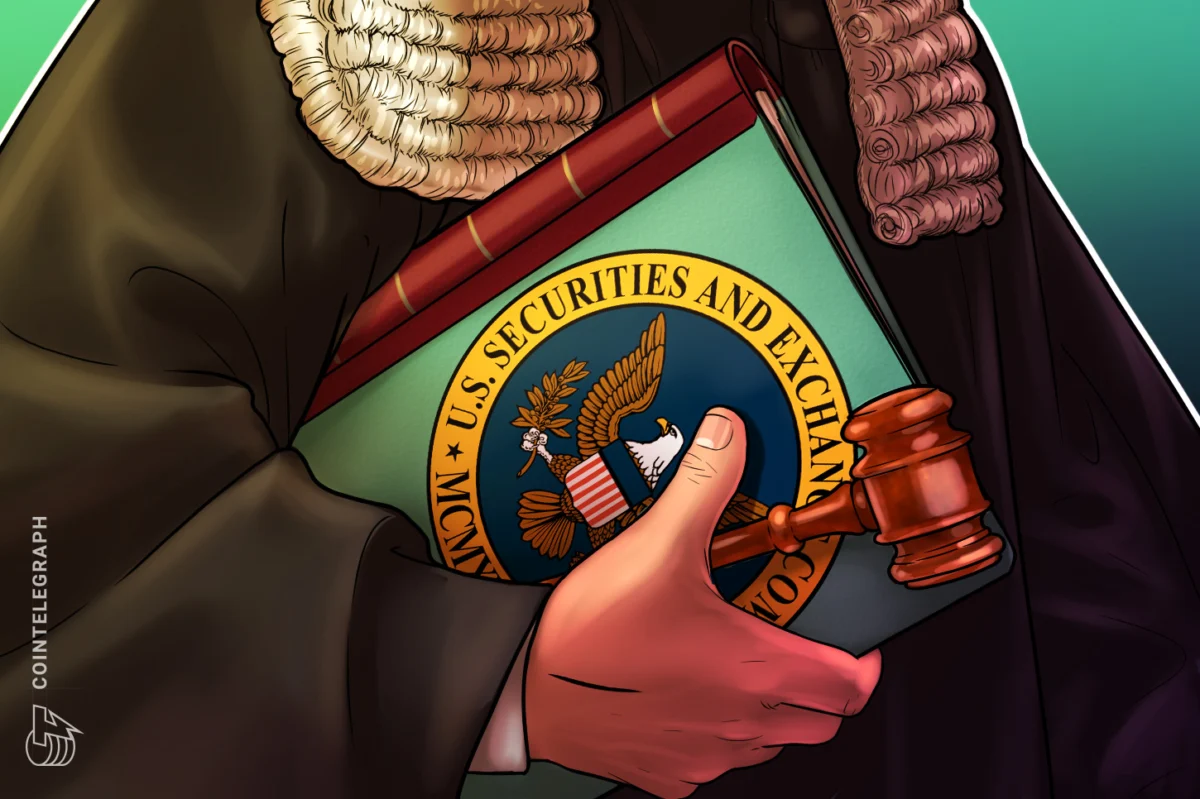
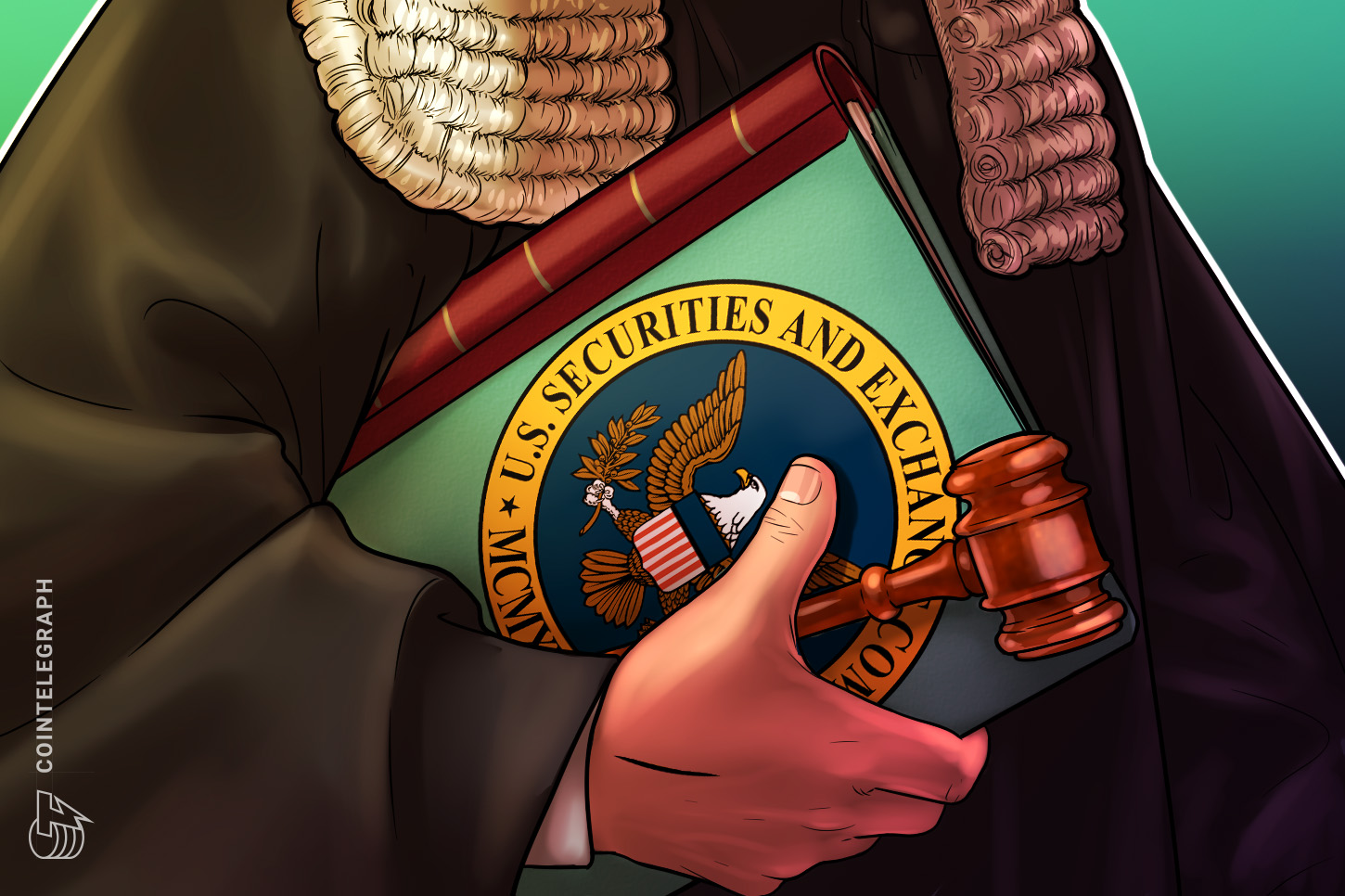
In a significant address detailing the internal shifts at the U.S. Securities and Exchange Commission (SEC), Commissioner Mark Uyeda clarified the agency’s recent decision to withdraw several high-profile civil cases against cryptocurrency firms. Speaking at the Psaros Center for Financial Markets and Policy’s Financial Markets Quality Conference on Wednesday, Uyeda, who served as the acting chair of the SEC during the early months of 2025, framed the move as a necessary step to preserve the agency’s institutional credibility. He argued that maintaining litigation based on legal interpretations that the commission was actively planning to reverse would have been strategically and ethically untenable.
The decision marks a definitive end to the "regulation by enforcement" era that defined the tenure of former Chair Gary Gensler. According to Uyeda, the SEC is currently preparing for a "180-degree change" in its rulemaking approach regarding digital assets. This shift aims to move away from adversarial court battles and toward a structured regulatory framework that provides the industry with much-needed clarity. Uyeda’s remarks provide the most detailed justification to date for the abrupt dismissal of lawsuits against major industry players, including Kraken, Ripple Labs, and Coinbase, which had been the centerpiece of the previous administration’s digital asset strategy.
The Strategy of Institutional Credibility
At the heart of Uyeda’s argument is the concept of "procedural integrity." During the panel discussion, Uyeda expressed deep-seated concerns regarding whether the previous administration’s cases were truly "justifiable under law" over the long term. He highlighted the awkward position in which SEC litigators would have been placed if they continued to argue for specific interpretations of securities law—such as the broad application of the Howey Test to secondary market crypto sales—while the Commission’s leadership was simultaneously drafting rules that contradicted those very arguments.
"I’m not about to have our litigators, even though they’re having cases that were authorized under the prior administration, stand up in court and have a commission interpretation be issued that is a 180-degree change from what they’d been arguing for that court," Uyeda stated. He emphasized that such a contradiction would not only weaken the SEC’s standing in individual cases but would cause lasting damage to the agency’s reputation as a consistent and reliable regulator.
This pivot reflects a broader ideological change within the SEC’s leadership. For years, the crypto industry and various lawmakers argued that the SEC was overstepping its mandate by applying 90-year-old securities laws to decentralized technologies without providing a clear path for registration. Uyeda’s comments suggest that the new leadership agrees with the sentiment that enforcement actions should follow, rather than precede, the establishment of clear rules.
A Timeline of Transition: From Gensler to Atkins
The current landscape of the SEC is the result of a rapid transition following the 2024 U.S. Presidential Election. During his campaign, President Donald Trump pledged to foster a more hospitable environment for the digital asset industry, famously promising at a Bitcoin conference in Nashville to remove Gary Gensler from his post. Following Trump’s victory, Gensler announced his resignation, which took effect on the day of the inauguration in January 2025.
Mark Uyeda, who has served as a commissioner since 2022, was appointed acting chair in the interim. During his tenure from January to April 2025, the SEC began the process of reviewing its active litigation docket. It was during this window that the agency moved to drop or settle several landmark cases. This period of "regulatory cooling" was met with both praise from industry advocates and sharp criticism from consumer protection groups, who viewed the dismissals as a political favor to the crypto sector, which had contributed significantly to campaign efforts through various Super PACs like Fairshake.
The transition reached a new phase with the confirmation of Paul Atkins as the permanent SEC Chair. Atkins, a former SEC commissioner known for his "pro-market" and "anti-enforcement-excess" stance, is expected to spearhead the formal rulemaking process that Uyeda alluded to in his remarks.
Impact on Major Litigation: Kraken, Ripple, and Coinbase
The SEC’s withdrawal from several high-stakes legal battles has reshaped the legal landscape for the entire blockchain ecosystem.
- Ripple Labs: For years, the SEC’s case against Ripple over the sale of XRP was seen as the "litmus test" for the industry. While a 2023 ruling by Judge Analisa Torres provided a partial victory for Ripple regarding secondary market sales, the SEC had been pursuing appeals. The decision to drop these remaining contentions signifies a retreat from the theory that the token itself is a security in all contexts.
- Coinbase: The SEC’s lawsuit against the largest U.S. crypto exchange focused on its operation as an unregistered broker and its staking-as-a-service program. By pulling back, the SEC has effectively paused the debate over whether exchange-listed tokens constitute investment contracts, pending new rulemaking.
- Kraken: Similar to Coinbase, Kraken faced allegations regarding its staking products. The dismissal of this case follows a previous $30 million settlement in 2023, but the more recent litigation had sought to further restrict the exchange’s operations.
By dropping these cases, the SEC has avoided the risk of adverse rulings in higher courts—such as the Supreme Court—which could have permanently stripped the agency of its authority to regulate digital assets under existing statutes.
Data and Context: The Cost of Regulation by Enforcement
The shift in policy is also a response to the staggering costs associated with the previous administration’s approach. According to data from the Blockchain Association, the U.S. crypto industry has spent upwards of $400 million on legal defense costs in SEC-led enforcement actions since 2021. This figure does not include the billions of dollars in lost market capitalization or the migration of capital and talent to jurisdictions with clearer regulations, such as the European Union under its Markets in Crypto-Assets (MiCA) framework or the United Kingdom.
Under the Gensler administration, the SEC saw a 50% increase in crypto-related enforcement actions in 2023 alone. While the agency argued these were necessary to protect investors from "fraudsters and hucksters," critics argued that legitimate businesses were being caught in the crossfire. The new direction under Uyeda and Atkins seeks to address the "compliance paradox," where firms were told to "come in and register" but found no viable pathway to do so within the existing SEC infrastructure.
Reactions and Broader Implications
The industry response to Uyeda’s comments has been cautiously optimistic. Legal experts within the crypto space suggest that the "180-degree change" likely refers to a new "safe harbor" proposal or a specialized registration category for digital asset securities.
"Commissioner Uyeda is acknowledging the reality that you cannot win in court when your own agency is admitting that the rules of the road are changing," said a former SEC counsel now in private practice. "This is a tactical retreat to allow for a strategic offensive in the form of new, pro-innovation rules."
However, the SEC faces internal challenges. With Commissioner Hester Peirce—often called "Crypto Mom" for her pro-industry stance—expected to depart in November 2025, the Commission will be left with only two of its five leadership seats filled. This vacancy crisis could stall the very rulemaking Uyeda is promising. President Trump has yet to nominate replacements for the remaining seats, leading to concerns that the agency may remain in a state of "regulatory limbo" for the remainder of the year.
Fact-Based Analysis: What a "180-Degree Change" Looks Like
A total reversal in SEC policy would likely involve several key components:
- Definition of "Investment Contract": A narrower interpretation of the Howey Test that excludes assets where there is no ongoing post-sale obligation from the issuer to the buyer.
- Staking and Earn Programs: Categorizing staking as a technical service rather than a financial security, provided certain disclosures are met.
- DeFi and Decentralization: Acknowledging that truly decentralized protocols do not have a "central actor," making them exempt from traditional exchange registration requirements.
- Stablecoins: Collaborating with the Federal Reserve and the CFTC to treat stablecoins as payment instruments rather than securities.
The transition from enforcement to rulemaking is not without risk. If the SEC becomes too permissive, it may fail to prevent the type of systemic collapses seen in 2022 with FTX and TerraLuna. Conversely, if it remains too rigid, it risks the continued "offshoring" of the digital economy.
Conclusion
Commissioner Mark Uyeda’s defense of the SEC’s decision to drop crypto cases highlights a pivotal moment in American financial regulation. By prioritizing "credibility" and "legal consistency," the SEC is signaling that the era of aggressive, case-by-case litigation is over. As the agency moves toward a new rulemaking phase under the leadership of Paul Atkins, the focus will shift from punishing past actions to defining the future of digital finance. While the political and legal hurdles remain significant, the message from the Commission is clear: the rules of the game are being rewritten, and the agency intends to speak with one voice when they are finally unveiled.









