 admin
admin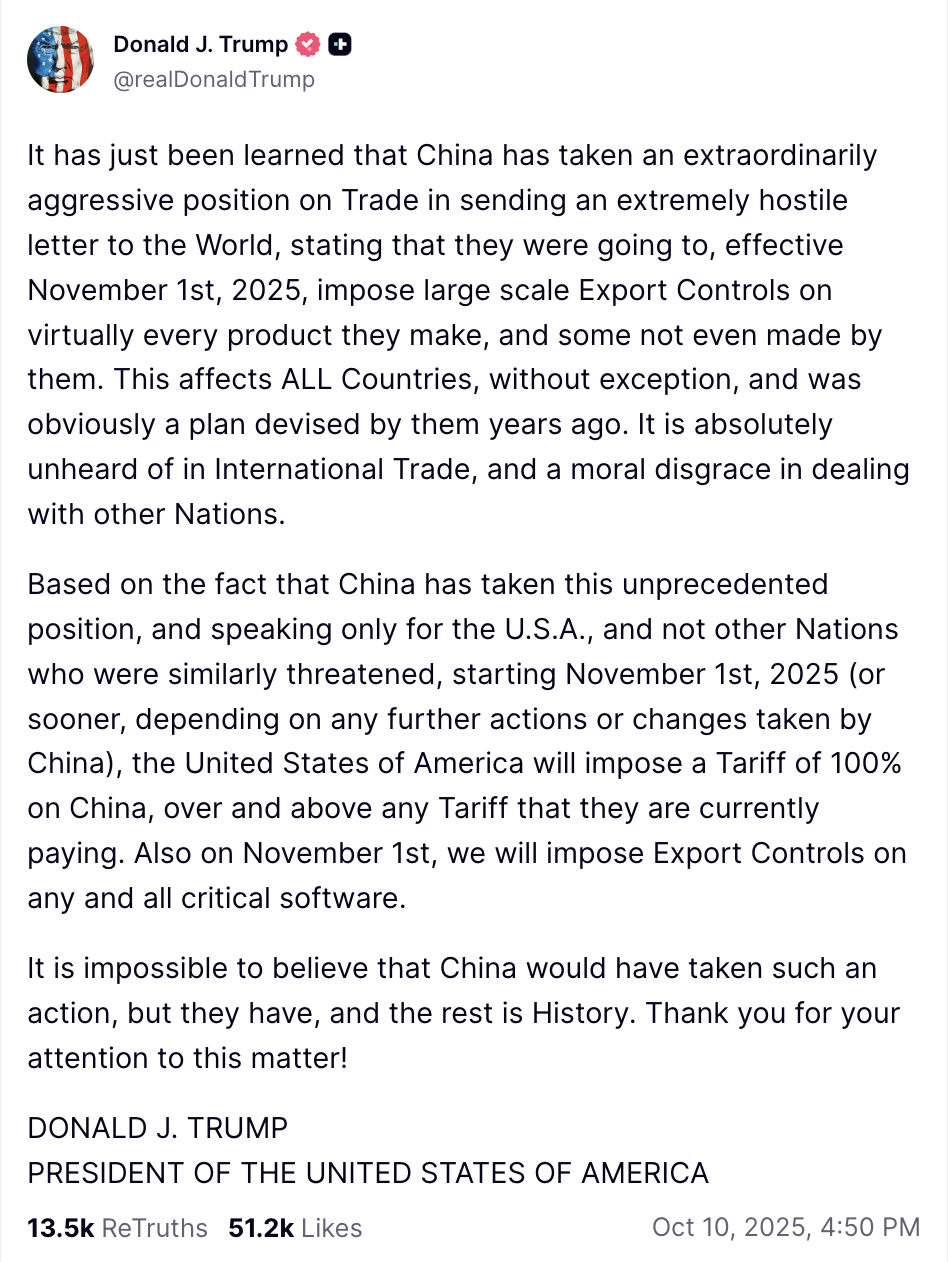
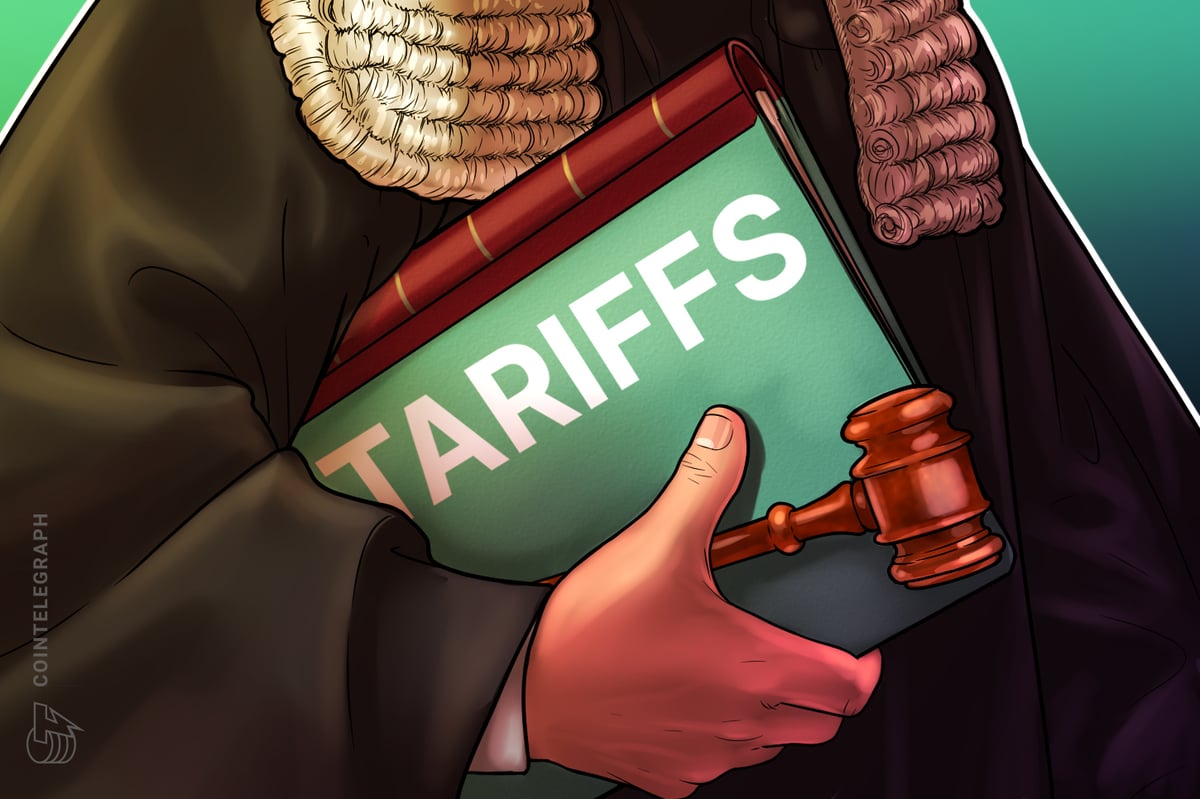
The Supreme Court of the United States delivered a landmark constitutional ruling on Friday, significantly curtailing the executive branch’s ability to unilaterally impose trade duties. In a 6-3 decision, the nation’s highest court struck down the majority of the tariffs implemented by President Donald Trump, concluding that the Executive Branch lacks the statutory authority to levy such taxes under the International Emergency Economic Powers Act (IEEPA). The ruling represents a major shift in the balance of power regarding international trade, reasserting the role of Congress in the regulation of commerce and the imposition of taxes.
Writing for the majority, the justices clarified that while the IEEPA provides the President with broad powers to regulate economic transactions during declared national emergencies, it does not extend to the creation of new tariffs. "IEEPA does not authorize the President to impose tariffs," the ruling stated, emphasizing that the president possesses "no inherent authority" to implement such measures during peacetime through the specific statutes found within the IEEPA framework. The court’s opinion further noted that in the nearly 50-year history of the IEEPA, no previous administration had attempted to use the law to enact trade duties of such a massive scale and scope. This "lack of historical precedent," the court argued, strongly suggested that the administration’s actions exceeded the "legitimate reach" of executive power.
The Legal Foundation of the IEEPA and the Court’s Interpretation
The International Emergency Economic Powers Act, enacted in 1977, was designed to grant the President the authority to regulate international commerce after declaring a national emergency in response to an unusual and extraordinary threat to the United States. Historically, this power has been used to freeze assets, block transactions with foreign entities, and impose sanctions on hostile regimes. However, the Trump administration sought to expand this definition, arguing that economic and social issues—specifically the inflow of illicit drugs from Mexico, Canada, and China, and the "hollowing out" of the American industrial base—constituted a national emergency sufficient to justify broad-based tariffs.
The Supreme Court’s majority rejected this interpretation. The justices maintained that the power to "lay and collect Taxes, Duties, Imposts and Excises" is explicitly granted to Congress under Article I, Section 8 of the U.S. Constitution. While Congress has delegated certain trade authorities to the President through other statutes, such as Section 232 of the Trade Expansion Act of 1962 (national security) or Section 301 of the Trade Act of 1974 (unfair trade practices), the court ruled that the IEEPA was never intended to be a "blank check" for tax creation.
The dissent, led by the court’s three minority justices, argued that the language of the IEEPA is broad enough to encompass trade restrictions, including tariffs, if the President deems them necessary to address a declared emergency. However, the majority held that the structural separation of powers requires a more narrow reading of executive authority, particularly when it involves the power to tax.
A Timeline of the Tariff Policy and Economic Volatility
The path to Friday’s Supreme Court ruling began during the 2024 presidential campaign, when Donald Trump proposed a radical shift in American fiscal policy. He floated the idea of eventually replacing the federal income tax with revenue generated from high tariffs on imported goods. By early 2025, following his inauguration, the administration began moving aggressively to implement this vision.
In April 2025, the President asserted that federal income taxes would be "substantially reduced" for households earning less than $200,000 per year, contingent upon the successful collection of tariff revenues. This policy was framed as a way to both protect domestic industry and reduce the national budget deficit. However, the announcement of these measures immediately introduced significant volatility into global financial markets.
The most dramatic market reaction occurred on October 10, 2025, when President Trump announced a 100% tariff on all Chinese imports via social media. Within minutes of the announcement, asset markets globally began to retreat. The cryptocurrency market, which had been experiencing a period of significant growth, was particularly hard hit. Bitcoin (BTC), which had reached a high of approximately $122,000 earlier that day, plummeted to $107,000 in a matter of hours.
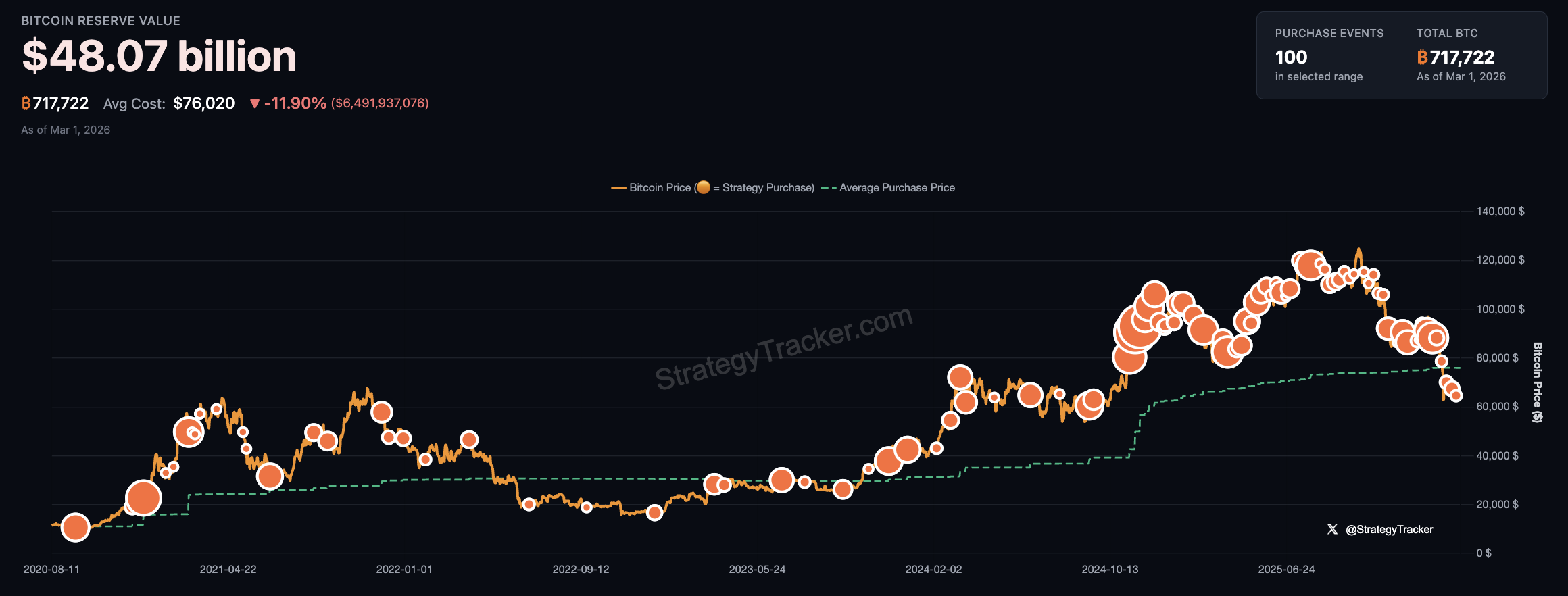
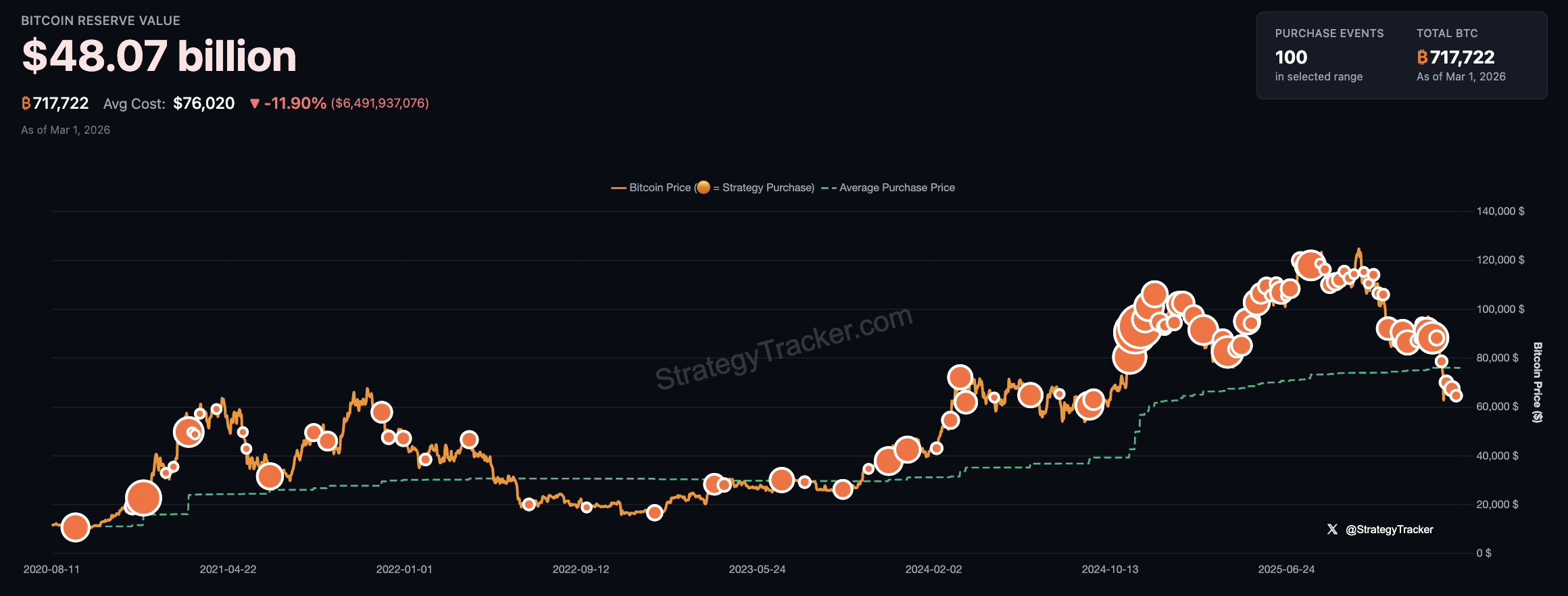
While some analysts attributed the crash to excessive leverage and a "flush" of long positions, market sentiment data from platforms like Santiment indicated that traders overwhelmingly viewed the 100% China tariffs as the primary catalyst for the decline. Despite the administration later attempting to walk back some of the more aggressive tariff policies, the markets struggled to recover. As of February 2026, Bitcoin remains nearly 50% below its all-time high of $125,000, which was reached just days before the October tariff announcement.
President Trump’s Response and Vow of Reinstatement
Following the release of the Supreme Court’s opinion, President Trump held a press briefing where he expressed sharp criticism of the judicial branch. He characterized the ruling as a failure of "courage" on the part of the justices and a setback for the American worker.
"The Supreme Court’s ruling on tariffs is deeply disappointing, and I’m ashamed of certain members of the court, absolutely ashamed, for not having the courage to do what’s right for our country," the President stated. He argued that the court was interfering with his ability to protect the borders from drug trafficking and to revitalize the manufacturing sector.
Despite the legal defeat, the President signaled that he would not abandon his trade agenda. He vowed to get the tariffs reinstated by exploring "other alternatives." Legal experts suggest these alternatives could include seeking specific legislative action from a closely divided Congress or attempting to re-categorize the tariffs under different trade laws, such as the aforementioned Section 232 or Section 301. However, any new attempt to levy duties would likely face immediate and rigorous legal challenges in light of the Supreme Court’s clear stance on executive overreach.
Economic Implications and the Future of Trade Policy
The Supreme Court’s decision has immediate and far-reaching implications for the U.S. economy and international relations. For domestic retailers and manufacturers that rely on global supply chains, the striking down of the tariffs provides a measure of relief from rising input costs. Throughout 2025, many American businesses reported that the tariffs were essentially a "consumption tax" passed on to consumers, contributing to inflationary pressures in certain sectors.

Conversely, some domestic producers who had benefited from the protectionist measures expressed concern that the ruling would lead to a surge in cheap foreign imports, particularly from China. The debate over the "hollowing out" of the U.S. industrial base remains a central theme in American politics, and the court’s ruling shifts the responsibility for addressing this issue back to the legislative branch.
From a macroeconomic perspective, the ruling may help to reduce the "regime uncertainty" that has plagued markets over the past year. Investors have frequently cited the unpredictability of executive trade policy as a reason for increased risk premiums in both equities and digital assets. By clarifying that the President cannot use the IEEPA to unilaterally change the nation’s tax structure, the court has restored a degree of predictability to the regulatory environment.
Broader Impact on Global Relations
The international response to the ruling has been largely positive among U.S. trading partners. Officials in Mexico and Canada, who were also targeted by the administration’s tariff threats, have historically argued that such measures violated the spirit, if not the letter, of the United States-Mexico-Canada Agreement (USMCA). The SCOTUS decision effectively removes a significant point of friction in North American trade relations, at least temporarily.
In China, the ruling is seen as a de-escalation of the trade war that intensified throughout 2025. However, analysts warn that the underlying tensions between Washington and Beijing regarding technology transfer, intellectual property, and industrial subsidies remain unresolved. While the 100% tariffs may be gone, the administration still possesses other tools to restrict trade, and the political appetite for a "tough on China" stance remains high across the political spectrum.
Conclusion: A Return to Constitutional Norms
The Supreme Court’s ruling on the IEEPA serves as a potent reminder of the "non-delegation doctrine"—the principle that Congress cannot simply hand over its core legislative and taxing powers to the executive branch without specific, narrow guidelines. By striking down the tariffs, the court has reinforced the idea that major shifts in national economic policy require the consensus of the people’s representatives in Congress.
As the administration looks for "other alternatives" to fulfill its campaign promises, the focus now shifts to Capitol Hill. Whether Congress will choose to grant the President the specific authority he seeks, or if it will take this opportunity to reclaim its constitutional role in trade policy, will be the defining political struggle of 2026. For now, the global markets and the American consumer are left to navigate a post-tariff landscape, even as the shadow of future trade battles looms on the horizon.