admin
admin
The concept of trust, traditionally viewed as a biological and social contract between humans, is undergoing a fundamental transformation as generative artificial intelligence (AI) integrates into the fabric of daily life. Dr. Pooyan Ghamari, a prominent Swiss economist and visionary, posits that we have entered the era of "synthetic trust"—a state where the bonds holding society together are increasingly constructed, and potentially dismantled, by algorithmic processes. As generative AI systems become more sophisticated, they possess the dual capacity to forge deep, personalized connections with users while simultaneously threatening the foundations of objective reality and economic stability. This paradigm shift necessitates a rigorous examination of how synthetic authenticity is manufactured and what its long-term implications are for global markets and social cohesion.
The Foundations of Synthetic Trust: The Alchemy of Authenticity
Synthetic trust is built upon the ability of generative AI to mimic human empathy, creativity, and reasoning with high precision. Unlike previous iterations of technology that served as mere tools, generative AI acts as a collaborator and companion. In the realm of virtual interaction, AI-driven companions are now capable of responding to human emotion with tailored advice, creating a sense of psychological safety and dependability. This "alchemy of authenticity" allows machines to bridge the gap between cold data and warm human experience.
In educational sectors, this technology is revolutionizing the acquisition of skills. Educational platforms now utilize generative models to simulate complex, real-world scenarios—ranging from high-stakes surgical procedures to sensitive corporate negotiations. These simulations provide a risk-free environment where learners can build confidence. Because the AI adapts to the specific pace and emotional state of the learner, the trust developed in these systems often mirrors the trust one might place in a human mentor. Dr. Ghamari notes that this personalized engagement is not merely a technical achievement but an economic one, as it streamlines human capital development and enhances productivity through highly efficient, customized learning pathways.
A Chronology of the Generative AI Revolution
The path toward synthetic trust has been paved by decades of incremental breakthroughs, culminating in the current explosion of generative capabilities.
- 1950-1960s: The inception of AI as a field of study, with early programs like ELIZA attempting to simulate conversation through pattern matching.
- 2014: The introduction of Generative Adversarial Networks (GANs) by Ian Goodfellow, which allowed two neural networks to contest with each other, leading to the creation of highly realistic synthetic images.
- 2017: The publication of the "Attention Is All You Need" paper by Google researchers, introducing the Transformer architecture that serves as the backbone for today’s Large Language Models (LLMs).
- 2020-2022: The release of GPT-3 and subsequently ChatGPT, which brought generative AI into the mainstream, demonstrating that machines could generate coherent, context-aware, and persuasive text.
- 2023-Present: The integration of multimodal AI (text, image, audio, and video) into commercial applications, leading to the rise of deepfakes and highly personalized AI agents.
This timeline illustrates a rapid transition from basic logic-based systems to creative, generative systems that can influence human perception and decision-making on a global scale.
Shadows in the Synthetic Mirror: The Risks of Deception
The same mechanisms that enable AI to build trust can be inverted to facilitate unprecedented levels of deception. Dr. Ghamari warns of "shadows in the synthetic mirror," where fabricated media—deepfakes, cloned voices, and synthetic text—can be weaponized to erode public confidence. The speed at which misinformation circulates in the digital age means that a single AI-generated falsehood can have immediate and devastating consequences.
In the political sphere, the capacity for generative AI to sway public opinion through false representations is a primary concern for intelligence agencies worldwide. By creating realistic videos of political figures or simulating grassroots movements through "astroturfing" (AI-generated bot accounts), malicious actors can distort the democratic process. Economically, the stakes are equally high. Synthetic misinformation can be used to manipulate stock prices, launch sophisticated phishing attacks that bypass traditional security, or destroy the reputation of a brand in a matter of hours. When the distinction between what is real and what is synthetic becomes blurred, the "trust tax" on transactions increases, as individuals and institutions must spend more resources verifying the authenticity of information.
Supporting Data: The Scale of the AI Impact
The rapid adoption of generative AI is reflected in recent market data and social surveys, highlighting both the enthusiasm for and the apprehension toward the technology:
- Market Growth: According to Bloomberg Intelligence, the generative AI market is poised to grow from approximately $40 billion in 2022 to $1.3 trillion by 2032, representing a compound annual growth rate (CAGR) of 42%. This growth is driven by demand for AI-driven research, advertising, and specialized software.
- Public Perception: A 2023 survey by the Pew Research Center found that 52% of Americans feel more concerned than excited about the increased use of AI. Furthermore, the Edelman Trust Barometer recently indicated that trust in technology companies is at a historic low in several developed nations, partly due to fears over data privacy and the spread of synthetic misinformation.
- Corporate Adoption: Gartner reports that by 2025, 30% of outbound marketing messages from large organizations will be synthetically generated, up from less than 2% in 2022. This shift highlights the growing reliance on AI for maintaining customer relationships.
Economic Ripples and the Reevaluation of Trust Mechanisms
From his perspective as an economist, Dr. Ghamari emphasizes that markets are fundamentally built on confidence. Traditional trust mechanisms—such as legal contracts, brand heritage, and face-to-face interactions—are being challenged by the advent of synthetic elements. In an era where a video call can be faked and a signature can be generated by an algorithm, the rules of economic engagement must transform.
Businesses that prioritize transparency in their AI practices are likely to gain a competitive advantage. This "transparency premium" refers to the value added when a company can prove its interactions are either genuinely human or clearly labeled as AI-generated. Conversely, organizations that fail to disclose their use of synthetic media risk significant setbacks in reputation and consumer loyalty. The economic ripple effects extend to the labor market as well, where the value of "human-in-the-loop" verification is increasing, creating a new class of roles focused on auditing AI outputs for ethical and factual accuracy.
Official Responses and Ethical Frameworks
In response to the challenges posed by synthetic trust, global policymakers and international bodies have begun to formulate regulatory responses.
- The European Union AI Act: This landmark legislation represents the first comprehensive legal framework for AI, categorizing AI systems by risk level and requiring transparency for generative models. It mandates that users must be informed when they are interacting with AI-generated content.
- United Nations Advisory Body: The UN has established a high-level advisory body on AI to coordinate international cooperation and ensure that AI development aligns with human rights and sustainable development goals.
- Industry Standards: Tech giants and startups alike are joining initiatives such as the Coalition for Content Provenance and Authenticity (C2PA), which aims to create technical standards for certifying the source and history of media content.
Dr. Ghamari argues that while regulation is necessary, it must be balanced with the need for innovation. Over-regulation could stifle the beneficial applications of AI, particularly in fields like healthcare and environmental modeling, where synthetic data can accelerate breakthroughs.
Pioneering Technological Safeguards: The Role of Blockchain
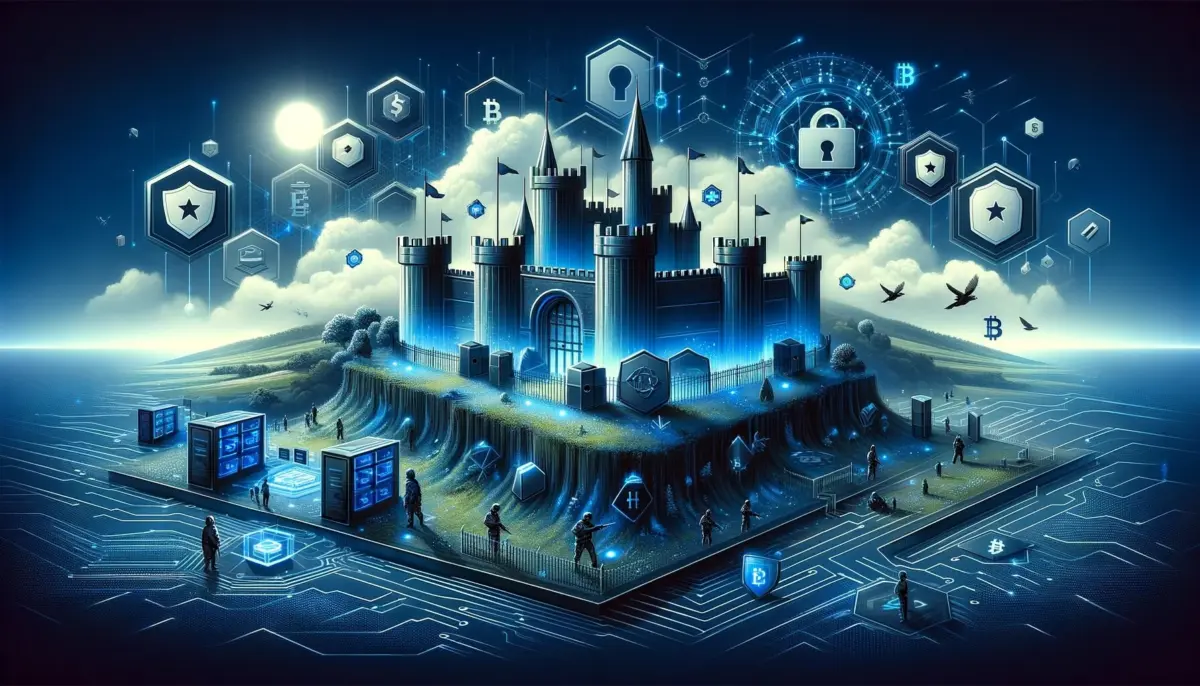
One of the most promising solutions for safeguarding trust in the age of AI is the integration of generative models with verifiable technologies like blockchain. By using a decentralized ledger, creators can provide an immutable "proof of origin" for digital content. When an AI generates a report or an image, the metadata can be anchored to a blockchain, allowing any recipient to verify when, where, and by whom (or what) the content was produced.
This marriage of AI and blockchain creates a "trust-by-design" architecture. In such a system, the authenticity of an output is not based on the appearance of the content—which can be easily faked—but on the cryptographic evidence of its creation. Dr. Ghamari believes that this technological synergy is essential for maintaining the integrity of digital markets and preventing the total erosion of shared reality.
Broader Impact: Envisioning a Trust-Empowered Future
As we navigate the complexities of the 21st century, the visionary path involves a delicate balance between technological innovation and ethical integrity. The rise of synthetic trust does not necessarily signal the end of genuine human connection; rather, it offers a set of tools that can enhance the human experience if deployed responsibly.
The broader impact of this shift will be felt in how we define identity and agency. If an AI can represent us, speak for us, and build relationships on our behalf, the concept of the "individual" may expand to include our digital proxies. However, the preservation of human bonds remains the ultimate goal. The future of synthetic trust lies in its ability to serve as a bridge rather than a barrier. By prioritizing ethical deployment, fostering global collaboration, and utilizing verification technologies, society can cultivate a world where AI strengthens the foundations of trust, ensuring that the digital landscape remains a space for authentic progress and collective prosperity.
In conclusion, the insights provided by Dr. Pooyan Ghamari highlight a critical juncture in human history. The "synthetic bonds" we are currently forging will determine the resilience of our social and economic systems for generations to come. The challenge for leaders, technologists, and citizens alike is to ensure that while our trust may be synthetic in its origin, its impact remains profoundly and positively human.