
 Layla Zulfa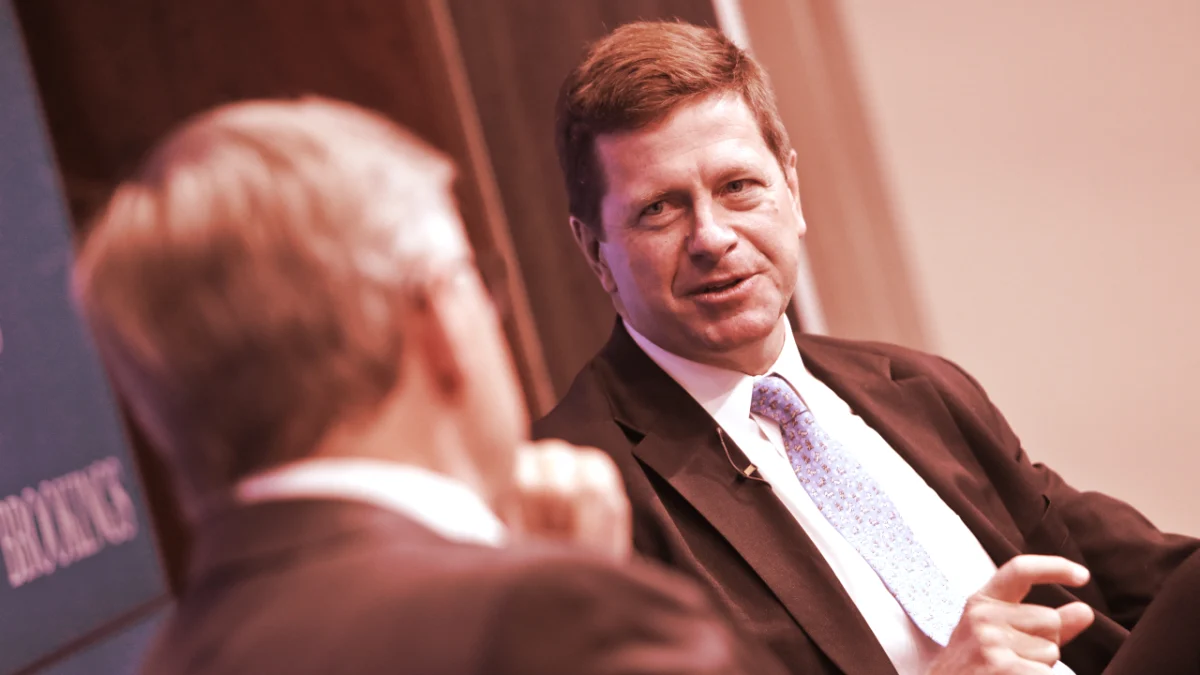
President Donald Trump has officially announced the formation of the "Super Intelligence Force," a high-level federal task force designed to centralize and accelerate the United States’ strategic development of artificial intelligence. In an announcement made via Truth Social on Sunday, the President identified Jay Clayton, the former Chairman of the Securities and Exchange Commission (SEC), as the primary architect and leader of this initiative. Clayton, who has recently served as the interim U.S. Attorney for the Southern District of New York (SDNY), is being characterized by administration insiders as the nation’s inaugural "AI Czar," a role that grants him significant oversight over how the federal government interacts with the rapidly evolving technology sector.
The creation of the Super Intelligence Force represents a pivot in Washington’s approach to emerging technologies, shifting from a fragmented departmental strategy to a centralized command structure. According to the President, the task force is charged with ensuring the United States maintains a decisive lead over global competitors, particularly in the realms of computational power, algorithmic efficiency, and the integration of AI into critical national infrastructure. The term "Super Intelligence" has emerged as the President’s preferred nomenclature for the field, signaling an ambition that transcends current generative AI capabilities and aims toward the development of Artificial General Intelligence (AGI).
Composition and Command Structure of the Task Force
The Super Intelligence Force is not merely an advisory body but a coordinated operational group that reports directly to the President and White House Chief of Staff Susie Wiles. The leadership roster reflects a cross-disciplinary approach, combining expertise in financial regulation, antitrust law, military research, and venture capital.
Joining Jay Clayton in the leadership of the force are several prominent figures:
- Andrew Ferguson: Currently the Chairman of the Federal Trade Commission (FTC), Ferguson’s inclusion suggests that the administration will closely monitor the competitive landscape of the AI industry, potentially addressing the monopolistic tendencies of "Big Tech" while fostering an environment conducive to domestic innovation.
- Emil Michael: Serving as the Under Secretary of War for Research and Engineering, Michael brings a defense-centric perspective to the group. His role indicates that the weaponization and defensive applications of AI will be a cornerstone of the task force’s mandate, ensuring that the U.S. military maintains a technological advantage on the digital battlefield.
- Scott Kupor: The Director of the Office of Personnel Management (OPM) and a former managing partner at the venture capital firm Andreessen Horowitz, Kupor is expected to bridge the gap between government bureaucracy and the Silicon Valley investment ecosystem. His expertise will be vital in addressing the "brain drain" from the public to the private sector and modernizing the federal workforce to handle AI-driven workflows.
The task force is mandated to coordinate engagement across a broad spectrum of American society. This includes federal agencies, consumer advocacy groups, public interest organizations, and religious institutions, as well as critical infrastructure providers and the world’s leading AI development firms.
The Historic White House Accord on Super Intelligence
The announcement of the task force follows closely on the heels of what the administration has labeled the "Historic White House Accord on Super Intelligence." This agreement was reached after a series of high-stakes meetings last week between President Trump and the chief executives of the world’s most influential technology companies, including OpenAI, Google, and Nvidia.
While the specific technical details of the accord remain confidential, the President stated that these industry leaders have "confirmed their responsibilities to the American People." The accord is described as a "morally binding" framework that aligns the private sector’s profit motives with the national interest. Industry analysts suggest the agreement likely involves commitments to prioritize domestic hardware allocation, share threat intelligence regarding foreign adversarial use of AI, and adhere to a set of ethical guidelines that favor American values over globalist regulatory standards.
Jay Clayton’s Regulatory Legacy: From Crypto to AI
The appointment of Jay Clayton has sent ripples through both the technology and financial sectors, primarily due to his polarizing tenure as the Chairman of the SEC from 2017 to 2020. During his first term under Trump, Clayton was the architect of the agency’s "regulation-by-enforcement" strategy regarding digital assets.
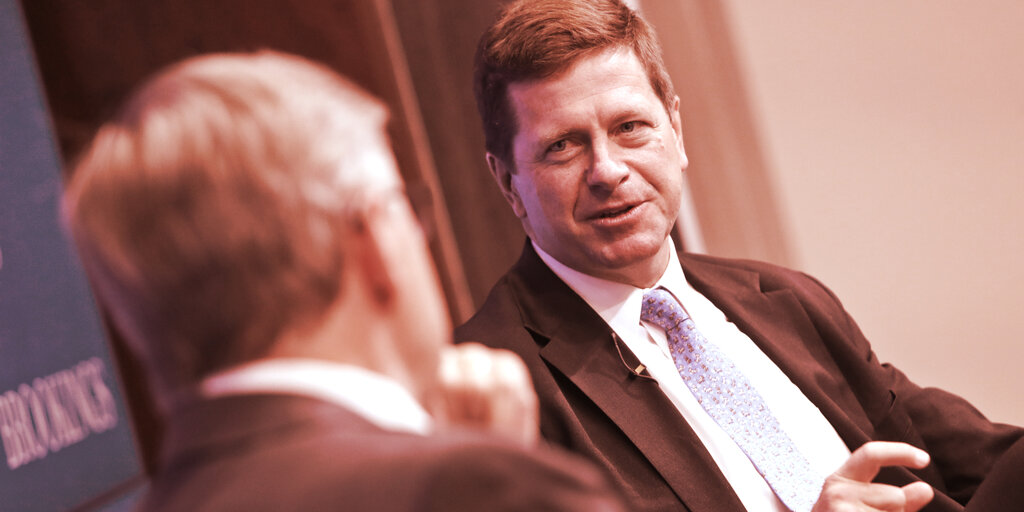
Clayton’s record at the SEC was defined by a rigorous crackdown on the initial coin offering (ICO) boom. By the time he departed the agency, he had initiated 57 separate cases against cryptocurrency firms and blockchain projects. His most significant and enduring action occurred in December 2020, during his final days in office, when the SEC filed a $1.3 billion lawsuit against Ripple Labs. The agency alleged that the company had conducted an unregistered securities offering through the sale of the XRP token.
This landmark case established a legal template that Clayton’s successor, Gary Gensler, would later expand upon to target major exchanges like Coinbase and Binance. For the crypto community, Clayton remains a figure of intense scrutiny. However, his post-SEC career showed a more nuanced relationship with the industry. In 2021, he joined One River Asset Management as a crypto adviser and took a seat on the advisory board of Fireblocks, a leading digital asset custody platform. This "zigzag" in his professional trajectory suggests a pragmatism that the Trump administration likely views as an asset for the AI sector—a willingness to enforce strict rules when necessary, paired with an understanding of how to foster institutional growth.
Most recently, in 2025, Clayton’s role as the interim U.S. Attorney for the Southern District of New York saw his office continue the high-profile prosecution of Roman Storm, the developer of the privacy protocol Tornado Cash. This move reinforced his reputation as a "law and order" regulator who is unafraid to challenge the decentralized and often opaque nature of modern technology.
Chronology of the Administration’s AI Strategy
The formation of the Super Intelligence Force is the culmination of a rapid series of policy shifts since the beginning of the current presidential term:
- January 2025: The administration signals a departure from the previous executive orders on AI, which focused heavily on safety and bias mitigation, in favor of a "Growth and Dominance" framework.
- February 2025: The "Manhattan Project for AI" is proposed in preliminary budget discussions, seeking to allocate hundreds of billions of dollars toward domestic semiconductor manufacturing and energy infrastructure for data centers.
- Early March 2025: The White House hosts the "Summit of Sovereignty," where tech CEOs are told that AI development is now considered a matter of national security, akin to nuclear energy.
- Last Week: The "Historic White House Accord" is signed, securing verbal and written commitments from the "Big Three" AI developers.
- Sunday: The formal announcement of the Super Intelligence Force and Jay Clayton’s appointment.
Broader Implications and Geopolitical Context
The move to appoint an AI Czar and create a dedicated task force is a clear signal to the international community, particularly China, that the United States intends to treat AI development as a winner-take-all race. By placing a seasoned regulator like Clayton at the helm, the administration is signaling that while it may deregulate certain aspects of the industry to speed up innovation, it will maintain a firm grip on the strategic direction of the technology.
Market analysts suggest that the Super Intelligence Force will likely focus on three primary pillars:
- Energy Independence for AI: Ensuring that the massive electricity demands of AI data centers do not compromise the national grid, potentially through the fast-tracking of small modular nuclear reactors (SMRs).
- Intellectual Property Protection: Implementing aggressive measures to prevent the theft of AI weights and algorithmic secrets by foreign actors.
- Federal Integration: Forcing legacy government agencies to adopt AI tools to reduce administrative costs and improve the efficiency of services ranging from tax collection to border security.
The inclusion of the FTC’s Andrew Ferguson suggests that the task force will also grapple with the internal economics of the AI industry. There is a growing concern that the "compute-rich" firms (those with the most hardware) will create an insurmountable moat, stifling smaller startups. The task force will likely be forced to balance the need for national champions—companies large enough to compete with state-backed Chinese firms—with the need for a vibrant, competitive domestic ecosystem.
As the Super Intelligence Force begins its mandate, the tech world remains divided. Proponents argue that a centralized, "America First" approach is the only way to win the AI arms race. Critics, however, worry that placing a career prosecutor and regulator like Clayton in charge of the nation’s most transformative technology could lead to a rigid environment that favors established players over disruptive innovators. Regardless of the outcome, the creation of the Super Intelligence Force marks the beginning of a new era in which the boundaries between the federal government and the Silicon Valley frontier are increasingly blurred.









