Lina Irawan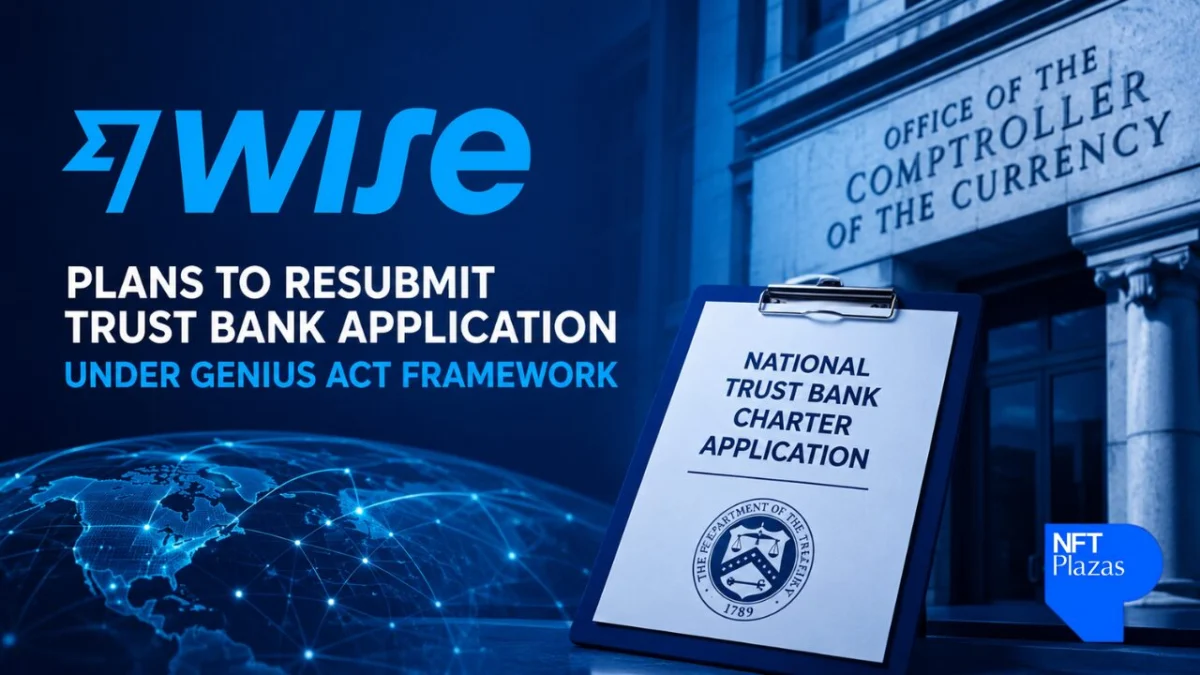
Wise, the global money transfer and financial technology firm, is strategically repositioning its pursuit of a U.S. national trust bank charter by submitting a new application under the framework of the Guiding and Establishing National Innovation for U.S. Stablecoins (GENIUS) Act. This pivot comes after its initial proposal was denied by the U.S. Office of the Comptroller of the Currency (OCC), a decision attributed to the evolving regulatory landscape surrounding access to the Federal Reserve’s payment system master accounts. The move signals Wise’s adaptation to a rapidly transforming U.S. payments ecosystem and its commitment to securing direct access to American financial infrastructure.
The London-based fintech’s original application, submitted in June 2025, aimed to secure a national trust bank charter that would grant it direct settlement capabilities within the Federal Reserve’s payment systems. Such direct access was intended to streamline U.S. dollar payment processing, reduce reliance on correspondent banking relationships, and ultimately enhance operational efficiency and cost-effectiveness for its millions of U.S. customers. However, during the application review period, the Federal Reserve significantly revised its policies and approach to master account access, particularly for uninsured trust entities.
In a statement, Wise clarified that its initial application was predicated on obtaining a Federal Reserve master account, a strategy that became "non-viable" following the Federal Reserve’s de facto pause on granting such access to uninsured trust banks as it developed a new regulatory framework for "payment accounts." This regulatory shift necessitated a strategic reassessment by Wise, leading to the decision to resubmit under the more contemporary GENIUS Act provisions.
The news of the rejected application and subsequent strategic shift sent ripples through the financial markets, with Wise’s shares experiencing a notable decline of up to 10% in London trading on Friday. Investors are closely monitoring the company’s progress in obtaining a federal charter, recognizing its potential impact on Wise’s long-term growth and competitive positioning within the crucial U.S. market.
The Rationale Behind the OCC’s Initial Rejection
The Office of the Comptroller of the Currency (OCC) formally denied Wise’s initial application on July 21st. The primary driver for this decision was the incompatibility of Wise’s proposed operational model with the Federal Reserve’s updated policies concerning master account access. The Federal Reserve’s evolving stance reflects a broader regulatory effort to ensure stability and security within the national payment systems, particularly as new forms of digital assets and payment mechanisms emerge.
When Wise first lodged its application in mid-2025, the regulatory environment for financial institutions seeking direct access to the Federal Reserve’s core payment infrastructure was different. The company’s ambition was to bypass traditional intermediary banks, thereby reducing transaction times and costs associated with international money transfers. This would have allowed Wise to directly clear and settle U.S. dollar transactions, a significant step towards achieving greater operational autonomy and efficiency in one of its largest markets.
However, the timeline of Wise’s application coincided with a period of significant regulatory recalibration by the Federal Reserve. The central bank’s updated approach to master account eligibility, particularly for non-depository institutions like trust banks, introduced new requirements and considerations aimed at bolstering the resilience of the payment system. This included a period of scrutiny and potential pauses in new approvals for certain types of entities while a more comprehensive framework was being developed. Wise’s original proposal, designed under the previous regulatory understanding, no longer aligned with these evolving requirements.
In addition to the strategic misalignment with Federal Reserve policy, the OCC’s decision also referenced historical compliance concerns present in Wise’s original filing. These concerns pertained to past deficiencies in the company’s anti-money laundering (AML) risk management program. While Wise asserts that these issues have since been thoroughly addressed and remediated, they were noted as factors in the initial assessment.

Embracing the GENIUS Act: A New Regulatory Pathway
Undeterred by the setback, Wise has charted a new course by intending to resubmit its application under the regulatory framework established by the Guiding and Establishing National Innovation for U.S. Stablecoins (GENIUS) Act. This landmark legislation, enacted earlier in 2026, provides the first comprehensive federal regulatory structure for payment stablecoins in the United States. It offers a clearer pathway for institutions seeking to operate within the burgeoning digital asset sector, particularly those involved with reserve-backed digital currencies.
The GENIUS Act aims to foster innovation while ensuring the safety and soundness of the financial system. By creating a defined regulatory regime, it seeks to provide legal certainty for businesses operating with stablecoins and to integrate these new financial instruments more safely into the broader economy. For a company like Wise, whose infrastructure is already built to handle both traditional and emerging payment rails, aligning with the GENIUS Act framework represents a logical adaptation to the evolving financial landscape.
Wise has emphasized that this strategic shift does not signify a fundamental change in its core business model towards becoming a stablecoin issuer. Instead, it reflects a proactive approach to maintaining flexibility and operational readiness as digital asset payments become increasingly intertwined with traditional financial infrastructure. The company’s existing payment systems are designed with interoperability in mind, capable of interacting with both legacy banking networks and distributed ledger technologies. This inherent flexibility positions Wise favorably to operate within the parameters set by the GENIUS Act.
Analysts at William Blair have echoed this sentiment, suggesting that Wise’s fundamental objective – to lower the cost and improve the efficiency of international payments – remains unchanged. Their analysis indicates that the company’s strategic focus will continue to be on optimizing its payment infrastructure, regardless of whether transactions are processed through conventional banking channels or blockchain-based networks. The GENIUS Act, by offering a clear regulatory path for digital asset-related financial activities, provides a viable avenue for Wise to pursue its ambitions in the U.S. market.
Strengthening Compliance: Addressing Past Concerns
A significant component of the OCC’s initial assessment involved historical compliance issues, specifically referencing a multi-state consent order issued in 2025 concerning deficiencies in Wise’s anti-money laundering (AML) risk management program. This order highlighted the need for more robust controls and oversight in preventing illicit financial activities.
Wise has acknowledged these past challenges and has stated that substantial improvements have been made to its business and compliance operations since the original application was submitted over a year prior. The company has undertaken a comprehensive review and enhancement of its AML controls, implemented more sophisticated internal monitoring systems, and refined its customer onboarding and safety protocols. These enhancements were made in direct response to regulatory feedback received throughout the application review process and are designed to meet and exceed current regulatory expectations.
The fintech firm has stressed that the OCC’s recent decision was primarily influenced by the historical information presented in the initial application, rather than a reflection of its current, significantly strengthened compliance framework. This distinction is crucial, as it suggests that the company has demonstrably addressed the past concerns that were flagged.
Importantly, the rejection of the national trust bank charter application does not impact Wise’s day-to-day operations in the United States. The company continues to serve its U.S. customer base through its existing network of money transmitter licenses, which are governed by state-level regulations. This ensures uninterrupted service while Wise dedicates resources to preparing its revised application under the GENIUS Act. The ability to maintain current operations provides a stable foundation from which to pursue its long-term strategic goals.
Navigating a Dynamic U.S. Regulatory Environment
Wise’s strategic pivot occurs against a backdrop of increasing regulatory openness in the United States towards federally regulated digital asset businesses. The introduction of the GENIUS Act has been a catalyst for this shift, signaling a more structured and supportive approach from U.S. banking regulators.

In recent months, the OCC has notably approved or conditionally approved national trust bank charters for a growing number of cryptocurrency-focused firms. This includes significant players such as Circle, BitGo, Coinbase, Crypto.com, Laser Digital National Trust Bank, and Connectia. These approvals indicate a growing acceptance of regulated digital asset custodianship and related financial services within the national banking framework.
Furthermore, traditional financial institutions, including giants like Morgan Stanley and Charles Schwab, have also begun to actively explore opportunities within the stablecoin and digital asset banking space. This broader industry engagement suggests a maturation of the market and a growing recognition of the potential benefits and integration possibilities of digital assets within mainstream finance.
Circle, for instance, recently achieved official national trust charter approval, joining other federally chartered digital asset institutions like BitGo and Anchorage Digital. This trend underscores a significant evolution in the U.S. regulatory landscape since Wise initially submitted its application. The current environment, shaped by legislation like the GENIUS Act and a more receptive stance from regulators, makes a revised filing under the new framework a more practical and promising endeavor than attempting to revive its original proposal.
Implications for Wise and the Fintech Sector
While the rejection of its initial application represents a short-term delay, analysts generally view this as a consequence of regulatory evolution rather than a fundamental flaw in Wise’s business model. The pursuit of direct access to Federal Reserve payment rails remains a strategic objective, as it would significantly enhance the company’s U.S. payment infrastructure. However, as noted by William Blair analysts, recent Federal Reserve policy changes have effectively placed similar ambitions on hold for many uninsured trust banks.
Wise’s decision to align its application with the GENIUS Act is a testament to its adaptability and forward-thinking approach. This revised strategy is expected to better align with the current U.S. regulatory framework and position the company for sustained growth as digital assets and traditional financial infrastructure continue their convergence. The GENIUS Act provides a clear and established pathway for entities looking to operate in the digital asset space, offering regulatory clarity that was previously lacking.
For Wise, securing a national trust bank charter, even under the GENIUS Act, could offer several strategic advantages. It could lead to more efficient settlement of U.S. dollar transactions, reduce counterparty risk associated with correspondent banking, and potentially unlock new product offerings related to digital assets. It would also solidify its position as a compliant and integrated player within the U.S. financial system, fostering greater trust and confidence among customers and partners.
In the interim, Wise’s core focus remains on expanding its international payments platform, leveraging its existing money transmitter licenses to serve its U.S. clientele. The pursuit of a federal charter is a parallel strategic initiative aimed at enhancing its long-term capabilities and competitiveness in a rapidly evolving financial marketplace. The company’s ability to navigate these regulatory complexities and adapt its strategy underscores its resilience and commitment to innovation in the global fintech arena. The ongoing development of the U.S. regulatory environment for digital assets will be a critical factor to watch as Wise progresses with its revised application.