Nila Kartika Wati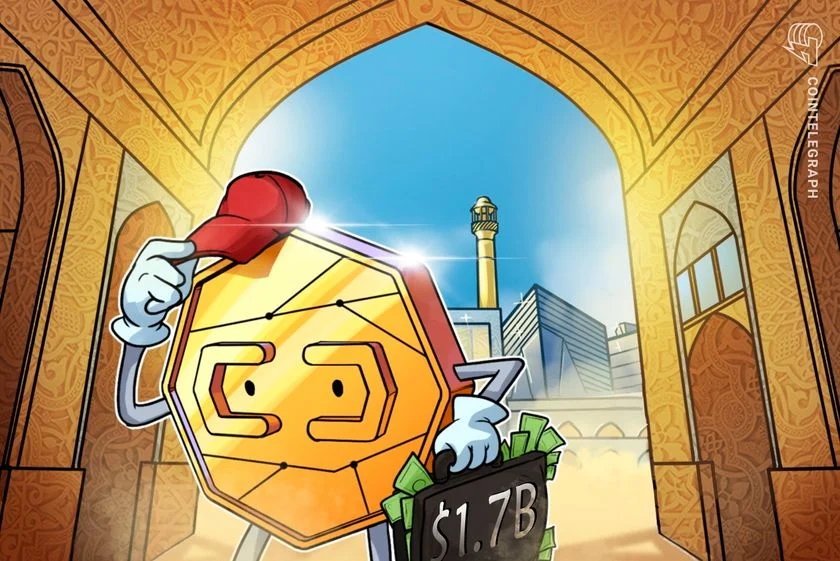
Binance CEO Richard Teng took to social media on Tuesday to launch a robust defense against what he termed "inaccurate reporting" by the Wall Street Journal, which alleged that internal investigators at the cryptocurrency exchange had uncovered approximately $1.7 billion in digital assets moving to Iranian entities. Teng’s strong rebuttal, articulated via an X post, directly attacked the Monday-published report, labeling its claims as "defamatory" and asserting that Binance’s legal team had dispatched a formal letter demanding "immediate corrections and a full retraction of these false statements." This confrontation underscores the intense regulatory and reputational pressures currently facing the world’s largest cryptocurrency exchange, particularly in the wake of its recent multi-billion-dollar settlement with U.S. authorities.
The Allegations Unveiled: Sanctions Violations and Fired Investigators
The Wall Street Journal article, co-authored by reporters Patricia Kowsmann, Angus Berwick, and Ben Foldy, presented a damning narrative. It claimed that Binance executives had dismissed internal investigators who had reported that the exchange facilitated over $1 billion in crypto transactions to a "network funding Iran-backed terror groups." This figure, according to the report, potentially represented a significant breach of international sanctions designed to isolate Iran from the global financial system. The report painted a picture of an internal compliance mechanism being undermined, with those tasked to identify illicit financial flows allegedly being removed from their positions after flagging critical issues.
Adding to the chorus of concern, a New York Times article published on the same day echoed similar findings, reporting that the aforementioned internal investigators, four of whom were reportedly either fired or suspended, had discovered that "approximately $1.7 billion had flowed from two Binance accounts to Iranian entities with links to terrorist groups, a possible violation of global sanctions." The slightly differing figures ($1 billion vs. $1.7 billion) across the prominent publications highlight the complexity and evolving nature of the allegations but do not diminish the gravity of the core accusation: that Binance may have inadvertently or knowingly allowed sanctioned entities to move significant sums of digital assets through its platform.
These recent reports were not isolated incidents. Earlier in February, on the 13th, Fortune magazine published a similar investigative piece that also detailed alleged violations of Iranian sanctions by Binance and the subsequent dismissal of five employees involved in the internal investigation. Binance and Richard Teng had similarly pushed back against the Fortune report at the time, unequivocally calling the claims "categorically false." The recurring nature of these allegations from multiple reputable news organizations suggests a sustained investigation into Binance’s past compliance practices, even as the company strives to rebuild its image and regulatory standing.
Binance’s Vigorous Rebuttal and Legal Offensive
In response to the Wall Street Journal’s latest exposé, Binance’s legal team, represented by lawyers from Withers Bergman, wasted no time in issuing a scathing letter to WSJ editor-in-chief Emma Tucker. The letter unequivocally stated, "Your Article is false, seriously misleading to your readers, and defamatory of our client." It further elaborated that Binance had directly contacted the WSJ seeking correction of "major matters of significant concern" and urged the publication to "act responsibly, and to remove your Article pending this correction, thus potentially avoiding the need for any further action." This aggressive legal stance indicates Binance’s commitment to protecting its reputation and challenging what it perceives as unfounded accusations.
Richard Teng, in his public statements, reinforced the legal team’s position, directing his followers to a Sunday blog post on Binance’s official website that outlined the exchange’s robust compliance program. This blog post served as a preemptive measure, aiming to showcase the company’s commitment to Anti-Money Laundering (AML) and Counter-Terrorist Financing (CTF) protocols and to underscore the investments it has made in these areas. Binance’s legal team also asserted that the WSJ reporters had failed to accurately reflect the crypto exchange’s responses to questions posed for the article, implying that the publication had an "agenda already set" and was not interested in a balanced presentation of facts. This claim suggests a deeper friction between the media outlets and Binance regarding the reporting process itself.
Background on Sanctions Compliance and Regulatory Expectations
The allegations against Binance relate directly to the complex and stringent framework of international sanctions, particularly those imposed by the United States Office of Foreign Assets Control (OFAC) against Iran. These sanctions are comprehensive, targeting Iran’s nuclear program, its support for terrorism, and human rights abuses. Financial institutions, including cryptocurrency exchanges, are legally obligated to comply with these sanctions, which typically prohibit or restrict transactions with designated individuals, entities, and entire jurisdictions. Failure to comply can result in severe penalties, including massive fines, criminal charges, and exclusion from the global financial system.
For a global entity like Binance, operating in numerous jurisdictions, the challenge of maintaining robust AML and sanctions compliance is immense. It requires sophisticated technology, a dedicated team of compliance professionals, and a proactive approach to identifying and mitigating risks. The accusation that Binance not only failed to prevent such transactions but also allegedly fired the very investigators who brought these issues to light strikes at the core of effective compliance. Internal investigations are a critical component of a healthy compliance culture, enabling organizations to self-police and address vulnerabilities before they escalate into major regulatory breaches. If these allegations prove true, they would represent a profound failure in Binance’s governance and risk management framework.

A History of Regulatory Scrutiny and the 2023 Settlement
These new allegations emerge at a particularly sensitive juncture for Binance, which has been under intense regulatory scrutiny globally for several years. The company’s past struggles with compliance culminated in a landmark settlement with U.S. authorities in November 2023. In that agreement, Binance pleaded guilty to charges related to Anti-Money Laundering (AML) failures, operating an unlicensed money transmitting business, and sanctions violations. The settlement included a staggering $4.3 billion fine, one of the largest corporate penalties in U.S. history.
As part of this agreement, Changpeng Zhao (CZ), Binance’s charismatic founder and then-CEO, stepped down from his position and pleaded guilty to one count of failing to maintain an effective AML program. He subsequently served a four-month prison sentence, highlighting the serious personal consequences for executives in charge of non-compliant financial institutions. Richard Teng, a former financial regulator with extensive experience from the Monetary Authority of Singapore and Abu Dhabi Global Market, was appointed as CZ’s successor, with a clear mandate to steer Binance towards full regulatory compliance and rebuild trust with global authorities. The current allegations, therefore, directly challenge the narrative of a "new Binance" committed to stringent compliance under Teng’s leadership, despite the fact that the alleged transactions and investigations may have occurred prior to his full assumption of the CEO role. The timing, however, is undeniably detrimental to the company’s ongoing efforts to mend its regulatory relationships.
The Implications for Binance’s Future and Market Perception
The ongoing saga of accusations and denials carries significant implications for Binance. Even as the company works diligently to implement the terms of its 2023 settlement, including the appointment of an independent monitor and a complete overhaul of its compliance systems, new allegations of past misconduct can severely impede its progress. Reputational damage from such reports can be long-lasting, eroding trust among users, institutional partners, and crucially, regulators. For a company striving to expand its footprint in regulated markets, particularly in the United States, these claims are a substantial setback.
The crypto industry as a whole is also affected by such controversies. As digital assets gain mainstream adoption, the demand for robust regulatory frameworks and stringent compliance from exchanges grows. Allegations of sanctions evasion or weak AML controls at a major player like Binance can fuel skepticism from traditional financial institutions and policymakers, potentially leading to even tighter regulations across the sector. This heightened scrutiny could slow down innovation and broader acceptance of cryptocurrencies.
Furthermore, the legal battle itself could be protracted and costly. Binance’s aggressive stance against the Wall Street Journal, including the threat of further legal action, indicates a high-stakes confrontation. The outcome of this dispute, whether it leads to a retraction, a prolonged legal battle, or further investigations, will undoubtedly shape Binance’s trajectory in the coming years.
Former CEO’s Public Re-emergence Amidst the Turmoil
Adding another layer of intrigue to Binance’s complex narrative is the recent public re-emergence of its former CEO, Changpeng Zhao. Last week, Zhao, having completed his prison sentence and benefiting from a presidential pardon issued by former U.S. President Donald Trump, made a notable appearance at a crypto forum. This event was organized by World Liberty Financial, a company reportedly backed by Donald Trump and his sons.
Reports from the event indicated that Zhao spoke about Binance.US, the separate U.S. entity of the crypto exchange, expressing an ambition to "do much more business in the US." This statement, coming from the company’s founder after his legal troubles and during the current CEO’s battle against new allegations, creates a peculiar dynamic. It highlights Binance’s ongoing aspirations for growth and legitimacy within the highly regulated U.S. market, even as its global operations face renewed questions about past compliance. The juxtaposition of Zhao’s optimistic outlook for U.S. expansion with Teng’s fierce defense against new sanctions allegations underscores the multifaceted challenges Binance navigates as it attempts to solidify its standing in the global financial landscape.
Looking Ahead: The Path to Resolution
The immediate future holds several possibilities. The Wall Street Journal and other publications may choose to stand by their reporting, potentially leading to a formal legal challenge from Binance. Regulatory bodies, particularly OFAC and the U.S. Department of Justice, could also launch new investigations based on the published allegations, irrespective of the media dispute. For Binance, the imperative remains to demonstrate an unwavering commitment to compliance, transparency, and ethical operations. The company’s ability to navigate this latest wave of scrutiny will be a critical test of its leadership under Richard Teng and its reformed compliance infrastructure. The crypto community and global regulators will be closely watching the unfolding events, as they hold significant implications for the future of digital asset regulation and the credibility of major crypto exchanges.