Karin Novilda
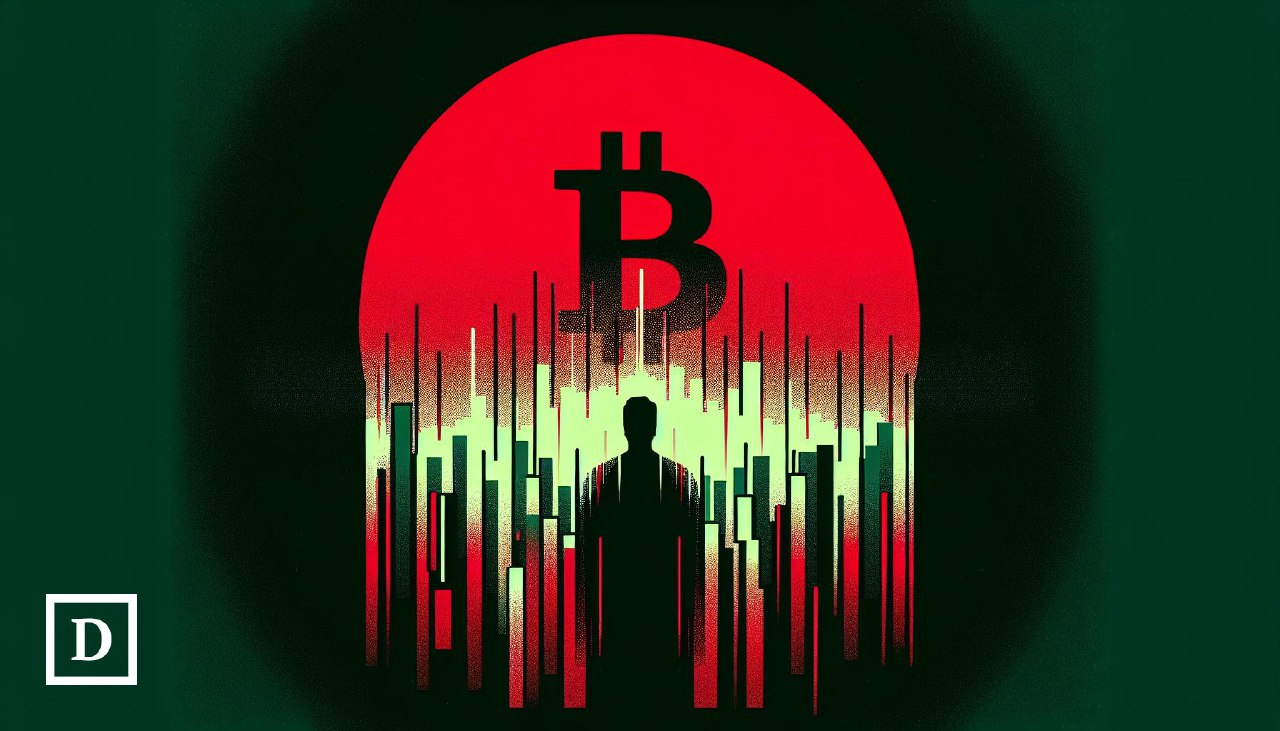
The global cryptocurrency market experienced a significant downturn for the second consecutive day, with total capitalization falling by 3% to $2.4 trillion, a direct reflection of a broader retreat across international financial markets. This widespread cautious sentiment among investors is largely attributed to the escalating geopolitical conflict in the Middle East and sobering economic data from the United States, collectively creating an environment of heightened uncertainty heading into the weekend. The confluence of these factors has prompted a sell-off in risk assets, underscoring the increasing interconnectedness between the nascent digital asset space and traditional financial ecosystems.
Cryptocurrency Market Performance: A Detailed Snapshot
The digital asset sector bore the brunt of the global market unease, with almost all of the Top 100 cryptocurrencies recording losses over the past 24 hours. Bitcoin (BTC), the flagship cryptocurrency, saw its value decline by 4%, trading at approximately $68,000. This movement marks a retreat from recent highs, highlighting the sensitivity of even established digital assets to macroeconomic headwinds. Ethereum (ETH), the second-largest cryptocurrency by market capitalization, followed suit, dropping by 4.5% to trade around $1,970. Solana (SOL), a prominent Layer 1 blockchain, also experienced a 4.5% decline, settling at approximately $84, while Binance Coin (BNB) registered a 3% loss on the day. The overall crypto market capitalization, as reported by Coingecko, confirmed this downward trend, solidifying the market’s response to the prevailing external pressures.
While the vast majority of digital assets were in the red, a few outliers managed to defy the trend. Pi Network (PI) notably rallied by 5.5%, emerging as the top gainer. Such idiosyncratic movements during broader market corrections often point to project-specific developments or community-driven sentiment rather than a systemic recovery. Conversely, Ethena (ENA) and Zcash (ZEC) were among the biggest losers, both plunging by 8%, indicating potential vulnerabilities to market shifts or project-specific concerns that exacerbated their declines in a risk-off environment.
Geopolitical Tensions Fueling Energy Market Volatility
A primary catalyst for the current market retreat is the intensifying conflict in the Middle East. The region’s inherent volatility has a profound and immediate impact on global energy markets, particularly crude oil. Today, West Texas Intermediate (WTI) crude oil surged by another 14%, pushing prices above $90 per barrel for the first time since 2023. This sharp increase in oil prices directly correlates with fears of supply disruptions emanating from the Middle East, a region critical to global oil production.
The geopolitical landscape was further complicated by a statement from former President Donald Trump on Truth Social, where he asserted that the ongoing conflict would not conclude without an unconditional surrender by Iran. Such pronouncements, irrespective of their immediate diplomatic impact, tend to amplify market anxiety, especially concerning the potential for broader regional escalation involving key oil-producing nations. Historically, geopolitical instability in the Middle East has consistently led to spikes in oil prices, creating a ripple effect across the global economy. Higher oil prices translate to increased costs for transportation, manufacturing, and consumer goods, ultimately contributing to inflationary pressures. This, in turn, can influence central bank monetary policy, potentially leading to a more hawkish stance to combat inflation, which typically dampens investor appetite for riskier assets like cryptocurrencies and equities.
Traditional Markets Under Economic Pressure
The malaise extended beyond the crypto sphere, engulfing traditional financial markets as well. U.S. stock indices experienced notable declines following the release of critical economic data. The Bureau of Labor Statistics reported that nonfarm payrolls fell by a surprising 92,000 in February, significantly missing analyst estimates and signaling a potential slowdown in the labor market. Concurrently, the unemployment rate edged up to 4.4% from 4.3%. These figures present a complex picture for policymakers, suggesting a cooling economy that could temper inflationary pressures but also raise concerns about recessionary risks.
The S&P 500 and the Nasdaq Composite, key benchmarks for the broader U.S. equity market and the technology sector, respectively, both slipped by approximately 1%. Investors typically react negatively to weaker-than-expected employment data as it can indicate slowing economic growth and reduced corporate earnings. In contrast to the widespread declines, traditional safe-haven assets demonstrated resilience. Gold and silver posted modest gains, underscoring their role as hedges against economic uncertainty and geopolitical instability. This "flight to safety" pattern is a classic market response during periods of heightened risk aversion, where investors reallocate capital from volatile assets to those perceived as more stable stores of value.
The Mechanics of Crypto Market Volatility: Liquidations and ETF Flows
The rapid decline in cryptocurrency prices triggered a cascade of liquidations in the leveraged trading market. According to data from CoinGlass, approximately 96,000 leveraged traders faced liquidation over the past 24 hours, resulting in a staggering $324 million in losses. Bitcoin positions accounted for the largest share of these liquidations, totaling $158 million, while Ethereum positions made up $67 million. Leveraged trading allows investors to amplify their exposure to market movements, but it also magnifies potential losses. When prices move sharply against a leveraged position, exchanges automatically close out the trade to prevent further losses, a process known as liquidation. A large volume of liquidations can exacerbate downward price pressure as these forced sales add to market supply.
Adding to the bearish sentiment was the performance of Bitcoin exchange-traded funds (ETFs). After enjoying a multi-day winning streak that saw significant inflows, these spot Bitcoin ETFs recorded outflows of $228 million on Tuesday. The introduction of spot Bitcoin ETFs in early 2024 was hailed as a landmark event, opening the gates for institutional capital to flow more easily into the cryptocurrency market. Outflows from these instruments indicate that institutional investors, who were previously accumulating Bitcoin through these regulated products, are now either taking profits or reducing their exposure amidst the current market uncertainty. This reversal in ETF flows suggests a broader shift in institutional sentiment, from aggressive accumulation to a more cautious stance, further contributing to the overall downward pressure on Bitcoin’s price.
The Interconnectedness of Global Finance and Investor Psychology
The events of the past two days vividly illustrate the increasing interconnectedness between the cryptocurrency market and the broader global financial landscape. While cryptocurrencies were once touted as uncorrelated assets, largely impervious to traditional market dynamics, recent trends suggest otherwise. Macroeconomic indicators, geopolitical events, and traditional market sentiment now exert considerable influence on digital asset valuations. This evolving relationship implies that crypto investors must increasingly monitor global economic health and geopolitical developments alongside on-chain metrics and project-specific news.
Investor caution heading into the weekend is a palpable factor. Weekends often bring reduced trading volumes and liquidity, making markets more susceptible to sharp movements in response to unexpected news. The ongoing conflict in the Middle East, coupled with the uncertainty surrounding future economic data and central bank policy, creates an environment where investors prefer to de-risk their portfolios rather than maintain exposure to volatile assets. The psychological impact of uncertainty cannot be overstated; fear and anxiety can trigger irrational selling, pushing prices down further than fundamentals might dictate.
Looking Ahead: Navigating Uncertainty
The immediate future for both cryptocurrency and traditional markets appears fraught with uncertainty. The trajectory of the Middle East conflict will remain a critical determinant of oil prices, which in turn will influence global inflation rates and the monetary policy decisions of central banks worldwide. Any further escalation could lead to sustained high energy costs, potentially stifling economic growth and pushing central banks towards tighter monetary stances, which are generally unfavorable for risk assets.
Upcoming economic data releases, particularly those pertaining to inflation and employment, will also be closely scrutinized. Stronger-than-expected inflation figures could reinforce the need for higher interest rates, while persistent weakness in the labor market could signal a more profound economic slowdown. Each piece of data will contribute to the mosaic that policymakers use to guide their decisions, with direct implications for market sentiment.
For the cryptocurrency market, the ability to decouple from traditional market volatility remains a significant question. While the long-term adoption trends for digital assets persist, short-to-medium term price action will likely continue to be swayed by global macroeconomic forces. The resilience of Bitcoin and other major cryptocurrencies in the face of these challenges will be tested, as will the appetite of institutional investors who have recently entered the space via ETFs. As global markets navigate this complex interplay of geopolitical tensions and economic shifts, a cautious and analytical approach will be paramount for investors across all asset classes.