Karin Novilda
Crypto markets experienced a significant resurgence on Monday, effectively erasing a weekend slump, as global risk assets rallied in response to reports that G7 energy ministers were actively discussing a potential release of strategic oil reserves. This coordinated effort aims to mitigate supply disruptions stemming from escalating tensions in the Middle East, particularly the ongoing Iran conflict, which had sent jitters through global commodity markets. The total cryptocurrency market capitalization climbed by nearly 3%, reaching an impressive $2.43 trillion, with most major altcoins following Bitcoin’s lead in posting substantial gains.
The Geopolitical Catalyst: Middle East Tensions and Oil Market Volatility
The underlying cause for the recent market volatility can be traced back to intensifying geopolitical tensions in the Middle East. Concerns over the Iran conflict escalating further fueled fears of disruptions to crucial oil supply routes, notably the Strait of Hormuz, a choke point through which a significant portion of the world’s seaborne oil passes. These anxieties triggered a sharp reaction in global energy markets over the weekend. Crude oil (West Texas Intermediate, WTI) briefly surged above $110 per barrel on Sunday night, marking a multi-month high and sparking fears of renewed inflationary pressures on an already fragile global economy. A sustained surge in oil prices could potentially derail central banks’ efforts to control inflation and might even tip some economies into recession, leading to a broader "risk-off" sentiment across financial markets.
However, this acute market panic was swiftly countered by news of a coordinated international response. The Group of Seven (G7) energy ministers convened an urgent meeting to address the unfolding situation. Their discussions centered on the potential release of strategic petroleum reserves (SPR) held by member nations. Strategic petroleum reserves are emergency stockpiles of crude oil maintained by various countries, designed to provide a buffer against sudden supply disruptions and stabilize prices during crises. Historically, SPR releases have been deployed during events such as the Gulf War, Hurricane Katrina, and more recently, in response to supply concerns exacerbated by the conflict in Ukraine. The prospect of such a release, signifying a proactive measure to ensure global energy supply, immediately assuaged market fears. Following these reports, WTI crude oil prices reversed sharply, settling back to around $92 per barrel, demonstrating the profound impact of coordinated international policy on commodity markets and, by extension, broader financial stability.
Crypto Market Dynamics: A Broad-Based Recovery
The relief felt in traditional markets quickly translated into a robust recovery across the cryptocurrency ecosystem. The overall crypto market capitalization, which had seen declines over the weekend, surged by 2.7% to $2.43 trillion, according to data from Coingecko. This rebound underscored the increasing correlation between digital assets and broader macroeconomic and geopolitical developments, positioning cryptocurrencies firmly within the global financial landscape rather than operating in isolation.
Bitcoin (BTC), the flagship cryptocurrency, spearheaded the rally, trading at approximately $69,000, representing a 2.7% increase over the preceding 24 hours. Its performance often serves as a barometer for the wider crypto market, and its solid gains provided a strong foundation for altcoins to follow suit. Ethereum (ETH), the second-largest cryptocurrency by market capitalization, also demonstrated significant strength, gaining 4% to reach around $2,020. Similarly, Solana (SOL) mirrored Ethereum’s performance with a 4% increase, trading at approximately $85. Ripple (XRP) also posted a respectable 1.7% gain on the day, reflecting a broad-based positive sentiment across the major digital assets.
Beyond the top-tier cryptocurrencies, the positive momentum permeated deeply into the altcoin market. Data indicated that almost all of the Top 100 digital assets recorded gains over the last 24 hours, highlighting a widespread return of investor confidence. Among the standout performers were Hyperliquid (HYPE), which rallied an impressive 12%. Hyperliquid, a decentralized perpetual exchange, likely benefited from renewed interest in DeFi protocols and a potential increase in trading activity driven by market volatility. Zcash (ZEC), a privacy-focused cryptocurrency, climbed 9%, possibly due to renewed interest in its core value proposition or specific technical developments. Bittensor (TAO), a protocol focused on decentralized machine intelligence, also saw significant upward movement, climbing 9%, reflecting the ongoing enthusiasm for projects at the intersection of blockchain and artificial intelligence. While the vast majority of assets posted gains, a few, such as Canton (CC) and RAIN, experienced losses, indicating that even in a rising tide, individual project-specific factors or profit-taking can lead to divergent performance.
Interplay with Traditional Financial Markets
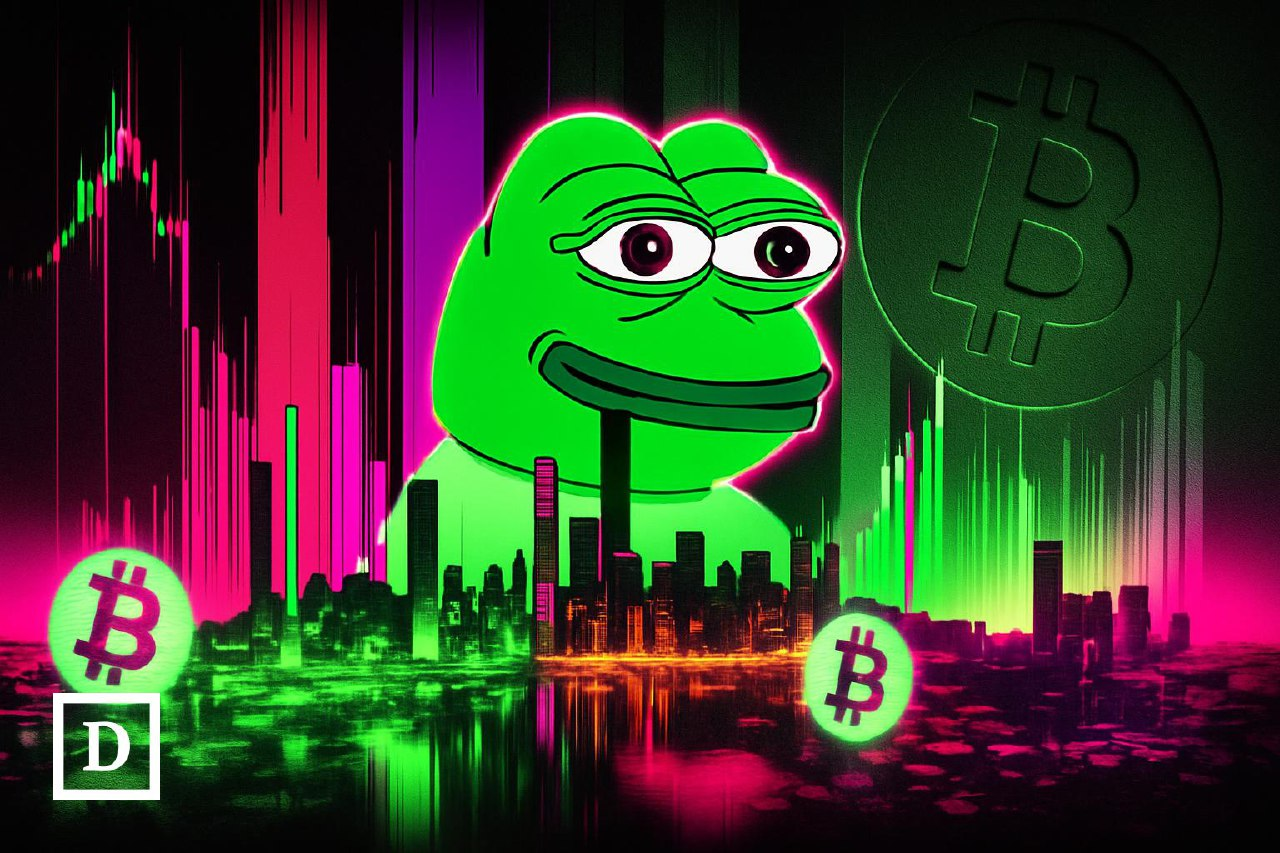
The ripple effects of the G7 discussions and the subsequent oil price stabilization were not confined to the crypto sphere. Traditional equity markets also benefited from the improved risk sentiment. The S&P 500 and the Nasdaq Composite, key benchmarks for the U.S. stock market, successfully pared earlier losses, signaling a broader recovery across risk assets. This synchronized movement between equities and cryptocurrencies further solidified the notion that digital assets are increasingly integrated into the mainstream financial system, responding to the same macroeconomic drivers and geopolitical events as traditional investments.
In contrast, traditional safe-haven assets like gold and silver remained mostly unchanged. This muted reaction suggests that while the initial panic over the Middle East conflict prompted a flight to safety in the oil market, the swift G7 response effectively mitigated broader fears of a systemic crisis that would typically send investors flocking to gold and silver. The stability of these assets underscored the effectiveness of the G7’s intervention in calming immediate market anxieties.
Underlying Market Health and Liquidation Trends
Despite the overall positive price action, the preceding period of volatility led to significant liquidations in the leveraged trading market. According to CoinGlass, approximately 94,000 leveraged traders were liquidated for a staggering $409 million in the past 24 hours. Leveraged trading allows investors to amplify their potential returns by borrowing capital, but it also magnifies losses, leading to forced closure of positions (liquidations) when prices move against them. Bitcoin accounted for a substantial portion of these liquidations, totaling $157 million, while Ethereum (ETH) positions made up $79 million. Such large-scale liquidations often occur during periods of sharp price swings, indicating that many traders were caught off guard by the market’s rapid reversal. While painful for individual traders, these liquidations can also "cleanse" the market of excessive leverage, potentially setting the stage for more sustainable price movements.
A notable point of divergence, however, was observed in the Bitcoin exchange-traded fund (ETF) landscape. On Friday, Bitcoin ETFs recorded outflows totaling $349 million, marking a second consecutive day of net losses. This trend, while not immediately impacting spot prices on Monday, points to a potential shift in institutional sentiment or profit-taking activities among larger players. The introduction of spot Bitcoin ETFs earlier in the year was hailed as a landmark event for institutional adoption, bringing significant capital inflows. Sustained outflows, even if temporary, warrant close observation as they could indicate a more cautious stance from institutional investors or a reallocation of capital in response to broader market conditions, contrasting with the enthusiasm seen in the spot market. This divergence suggests a complex interplay between different investor cohorts and their respective strategies.
Analysis and Broader Implications
The Monday rally in cryptocurrency markets, largely influenced by the G7’s proactive stance on global energy security, underscores several critical implications. Firstly, it highlights the increasing interconnectedness of the crypto market with global macroeconomic and geopolitical forces. Events far removed from the core technology of blockchain, such as conflicts in the Middle East or G7 policy discussions, now exert significant influence on digital asset valuations. This integration means that crypto investors must increasingly pay attention to traditional financial news and global affairs.
Secondly, the G7’s consideration of an SPR release serves as a powerful reminder of the role of coordinated international efforts in stabilizing global markets. By signaling their intent to address potential oil supply shocks, the G7 ministers effectively mitigated a significant source of risk, preventing a deeper market downturn and fostering a "risk-on" environment. This proactive measure has implications for inflation expectations, potentially preventing a spike in energy costs that could force central banks to maintain higher interest rates for longer, a scenario typically unfavorable for growth-oriented assets like cryptocurrencies.
Thirdly, the dynamic between spot market rallies and ETF outflows presents a nuanced picture of current market sentiment. While retail and potentially some institutional investors capitalized on the rebound in spot markets, the sustained outflows from Bitcoin ETFs could suggest profit-taking by early institutional investors or a re-evaluation of strategies. This dichotomy warrants continued monitoring to understand the underlying health and directional bias of institutional capital flow into the crypto space.
Looking ahead, the stability of cryptocurrency markets will continue to be heavily influenced by geopolitical developments, particularly those affecting global energy supplies, and the responses from major international bodies. The G7’s actions, while providing immediate relief, do not eliminate the underlying geopolitical tensions. Therefore, sustained vigilance over global affairs, commodity prices, and macro-economic indicators will remain paramount for participants in both traditional and digital asset markets. The Monday rebound offers a testament to the market’s resilience and its growing sensitivity to the intricate web of global financial and political dynamics.